
 한국어
 English
 日本語
 中文(简体)
 Viewing now
Entresto Film-Coated Tablets 50 mg (Sacubitril / Valsartan Sodium Hydrate)
Sacubitril·Valsartan Sodium Hydrate 56.551mg
Tablet · Prescription medication
Novartis Korea Co., Ltd.
MFDS item code 201602114 · Approved 2016.04.14 · Insurance code 653602720
Reduction of the risk of cardiovascular death and hospitalization for chronic heart failure; treatment of essential hypertension
This medication helps reduce the risk of death due to cardiovascular diseases and hospitalization due to heart failure in patients with chronic heart failure and impaired left ventricular systolic function. It can also be used in conjunction with other heart failure treatments to enhance efficacy. Additionally, it is effective in controlling blood pressure for essential hypertension. Therefore, it is used for the treatment of chronic heart failure and essential hypertension.
1. Adults 1) Chronic heart failure (1) Initial dose: The recommended initial dose of this medicine is 100mg (equivalent to 48.6/51.4mg of sacubitril/valsartan) twice daily. For patients who are not taking an angiotensin-converting enzyme (ACE) inhibitor or an angiotensin receptor blocker (ARB), or who were previously taking these medicines at low doses, it is recommended to start with an initial dose of 50mg (equivalent to 24.3/25.7mg of sacubitril/valsartan) twice daily. (2) Maintenance dose: Depending on the patient's tolerability, double the dose of this medicine every 2-4 weeks until the target maintenance dose of 200mg (equivalent to 97.2/102.8mg of sacubitril/valsartan) twice daily is reached. If the patient has problems tolerating the medicine (e.g., symptomatic hypotension, hyperkalemia, or renal dysfunction), consider adjusting concomitant medicines or temporarily reducing the dose of this medicine. 2) Essential hypertension The recommended initial dose of this medicine is 200mg (equivalent to 97.2/102.8mg of sacubitril/valsartan) once daily. For patients whose blood pressure is not adequately controlled with 200mg once daily, the dose may be increased to 400mg once daily. Consider administering an initial dose of 100mg (equivalent to 48.6/51.4mg of sacubitril/valsartan) in elderly patients. For hypertensive patients with heart failure, it is recommended to follow the dosage and administration instructions for heart failure. 2. Patients with renal impairment For patients with chronic heart failure and severe renal impairment (eGFR < 30 mL/min/1.73m2), an initial dose of 50mg (equivalent to 24.3/25.7mg of sacubitril/valsartan) twice daily is recommended. Experience with this medicine in patients with severe renal impairment is limited; therefore, use with caution in these patients. The safety and efficacy of this medicine have not been established in patients with essential hypertension and severe renal impairment (eGFR < 30 mL/min/1.73m2). No dose adjustment is required in patients with mild (eGFR 60~90 mL/min/1.73m2) to moderate (eGFR 30~60 mL/min/1.73m2) renal impairment. 3. Patients with hepatic impairment For patients with chronic heart failure and moderate hepatic impairment (Child-Pugh B), an initial dose of 50mg (equivalent to 24.3/25.7mg of sacubitril/valsartan) twice daily is recommended. For patients with essential hypertension and moderate hepatic impairment (Child-Pugh B), an initial dose of 100mg (equivalent to 48.6/51.4mg of sacubitril/valsartan) once daily is recommended. No dose adjustment is required in patients with mild hepatic impairment (Child-Pugh A).
This medication may cause serious harm to the fetus and newborn if taken during pregnancy, so women who are pregnant or planning to become pregnant should not take it. Women who may become pregnant must take contraceptive measures for at least one week after taking this medication and must stop taking it immediately if pregnancy is confirmed. Patients with an allergy to the main ingredient of this medication or with certain liver or kidney diseases, as well as those with a history of angioedema, should not take it. Patients with hyperkalemia, liver dysfunction, heart disease, or impaired kidney function should use this medication cautiously and monitor their condition regularly under a physician's direction. Since blood pressure may drop too low, immediate consultation with medical personnel is necessary if symptoms of hypotension occur, and extra caution is needed in cases of fluid or sodium deficiency. This medication may cause angioedema, so if swelling of the face, lips, tongue, or throat occurs, or if difficulty breathing arises, it should be discontinued immediately and emergency treatment obtained. Since kidney dysfunction may occur, regular blood tests should be conducted to monitor kidney function, as the risk may increase in dehydrated states or when combined with certain anti-inflammatory analgesics. The potassium level in the blood may increase, so when taken with potassium supplements or potassium-sparing diuretics, potassium levels should be monitored carefully. This medication may interact with other antihypertensives, diuretics, certain statins, lithium, non-steroidal anti-inflammatory drugs, etc., so patients must consult their physician or pharmacist about all medications being taken. Psychotic symptoms or hallucinations and sleep disturbances may occur, so any unusual symptoms should be discussed with medical personnel. This medication has not been confirmed safe and effective for children under 18 years and should not be used in this population. In elderly patients over 65 years, the blood concentration of this medication may increase, so it should be administered cautiously considering the risk of hypotension or cerebrovascular disease. In cases of overdose, symptoms of hypotension may occur, so immediate medical attention should be sought for appropriate treatment.
Not everyone experiences these, and they can vary from person to person.
This medication should be stored in a tightly closed container to prevent exposure to air or moisture, and kept in a cool place below 30 degrees Celsius. By doing so, the efficacy of the medication can be well maintained and deterioration can be prevented.
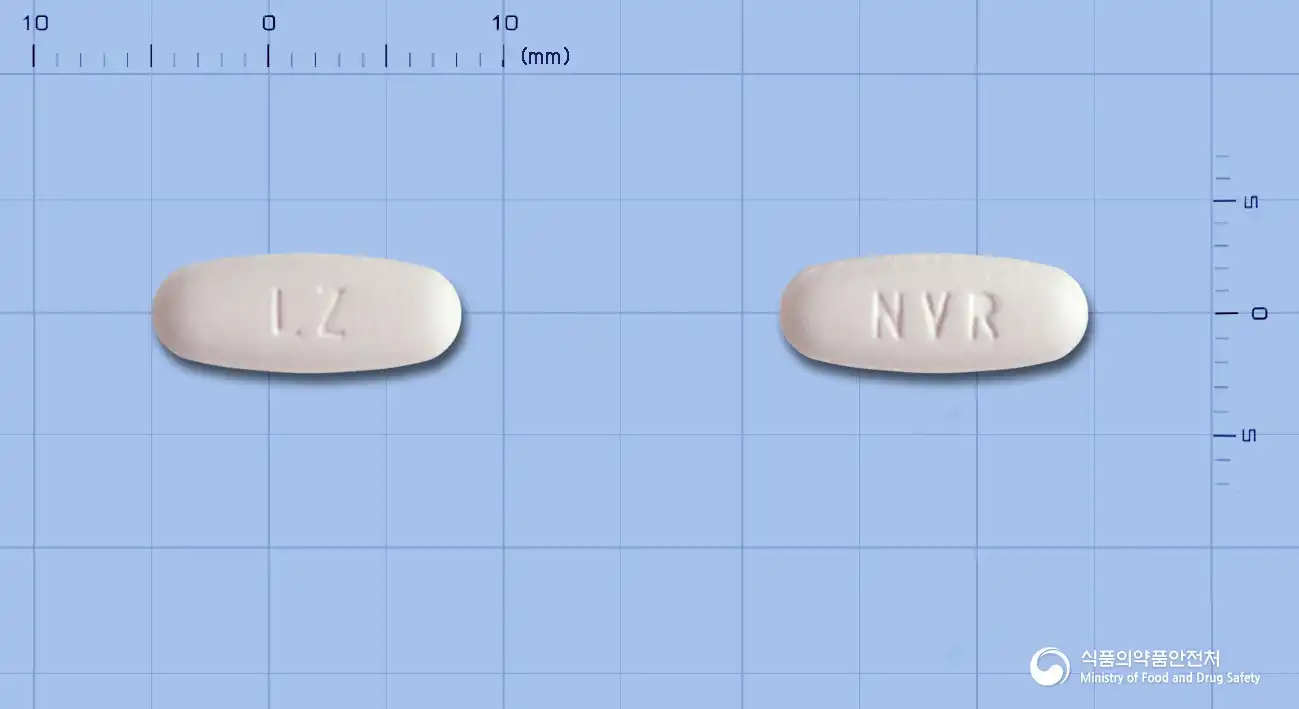
A white oval film-coated tablet with a lavender tint, double-sided convex
30 tablets (10 tablets/PTP pack x 3)
Even with the same ingredient, strength, dosage form and how it is taken can differ.
Viewing nowSacubitril·Valsartan Sodium Hydrate 56.551mg
Tablet · Prescription medication
Novartis Korea Co., Ltd.
Sacubitril·Valsartan Sodium Hydrate
Prescription medication
Korea Sandoz Co., Ltd.
Sacubitril·Valsartan Sodium Hydrate
Prescription medication
Korea Sandoz Co., Ltd.
Sacubitril·Valsartan Sodium Hydrate
Prescription medication
Korea Sandos Co., Ltd.
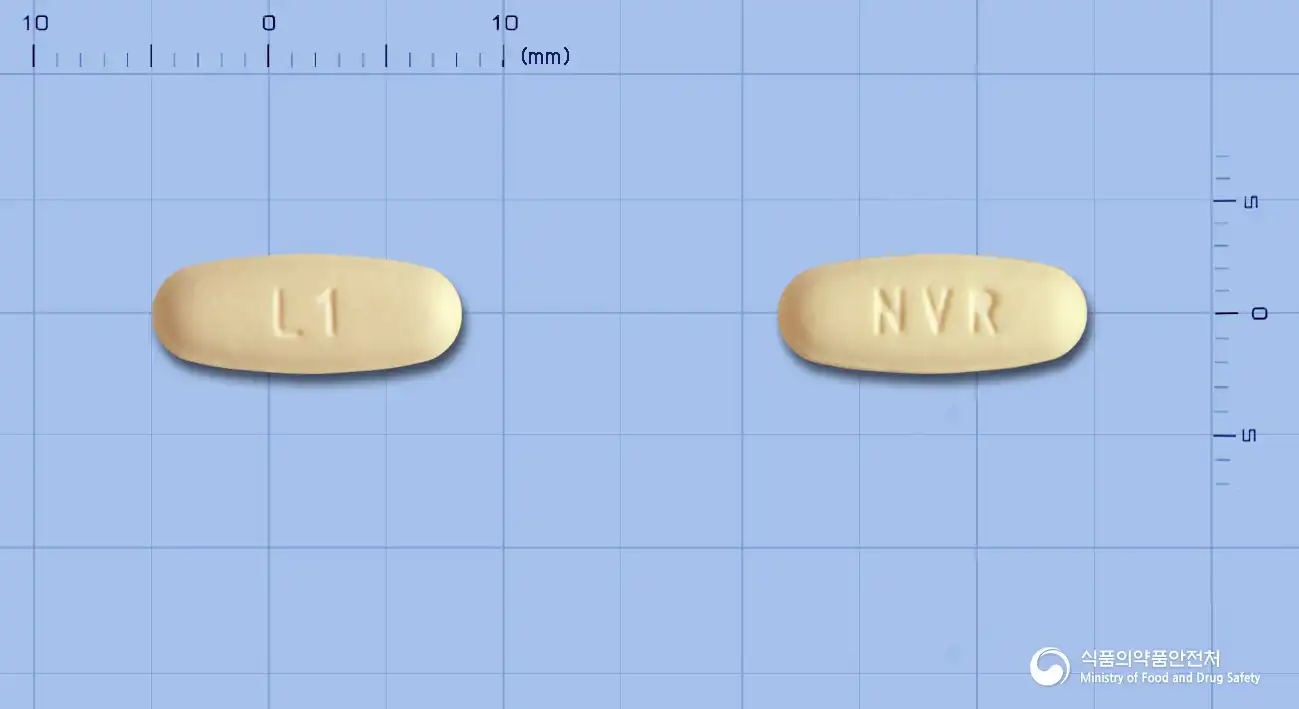
Sacubitril·Valsartan Sodium Hydrate 113.103mg
Tablet · Prescription medication
Korea Novartis Co., Ltd.
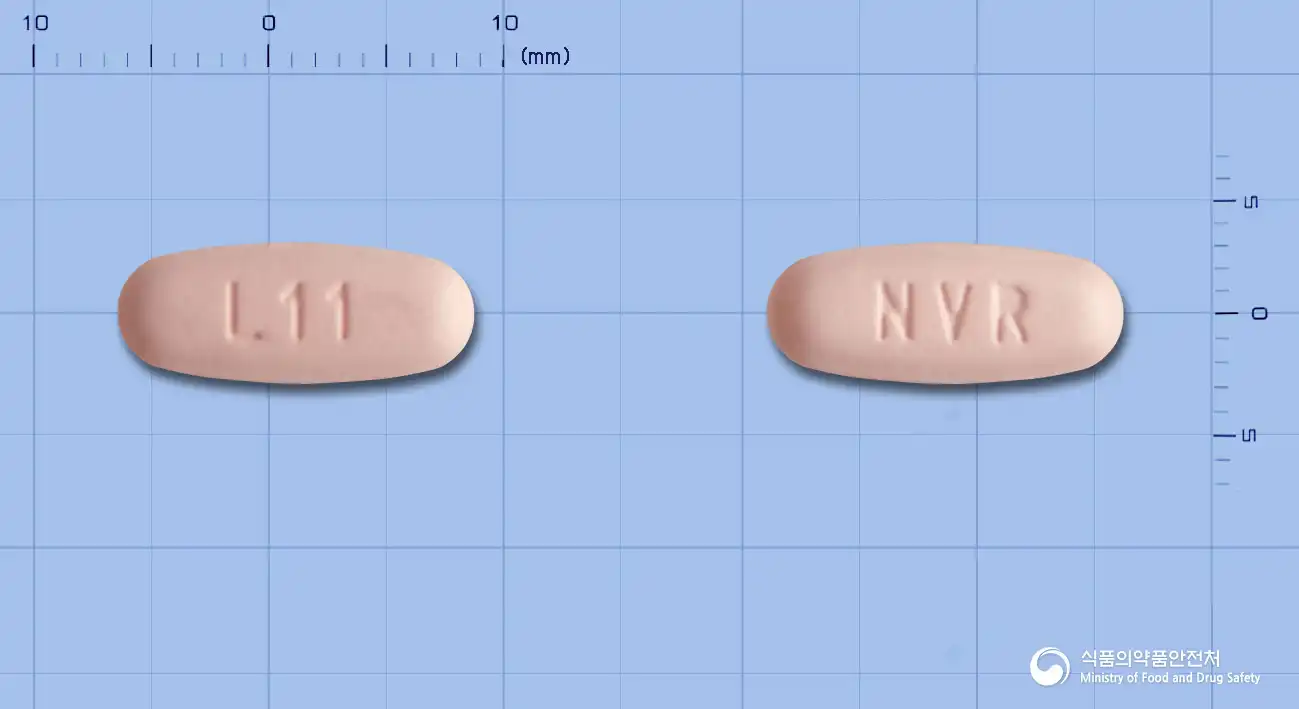
Sacubitril·Valsartan Sodium Hydrate 226.206mg
Tablet · Prescription medication
Korea Novartis Co., Ltd.
Even with the same ingredient, the dose and directions can differ by strength and dosage form. Talk to a doctor or pharmacist before switching from a medication you are already taking.
No questions yet.
For anything that needs medical judgment, consult a doctor or pharmacist.
This drug information is based on data provided by the Korea Ministry of Food and Drug Safety.
Consult a doctor or pharmacist for accurate dosage, administration, and usage instructions.