
 한국어
 English
 日本語
 中文(简体)
 Viewing now
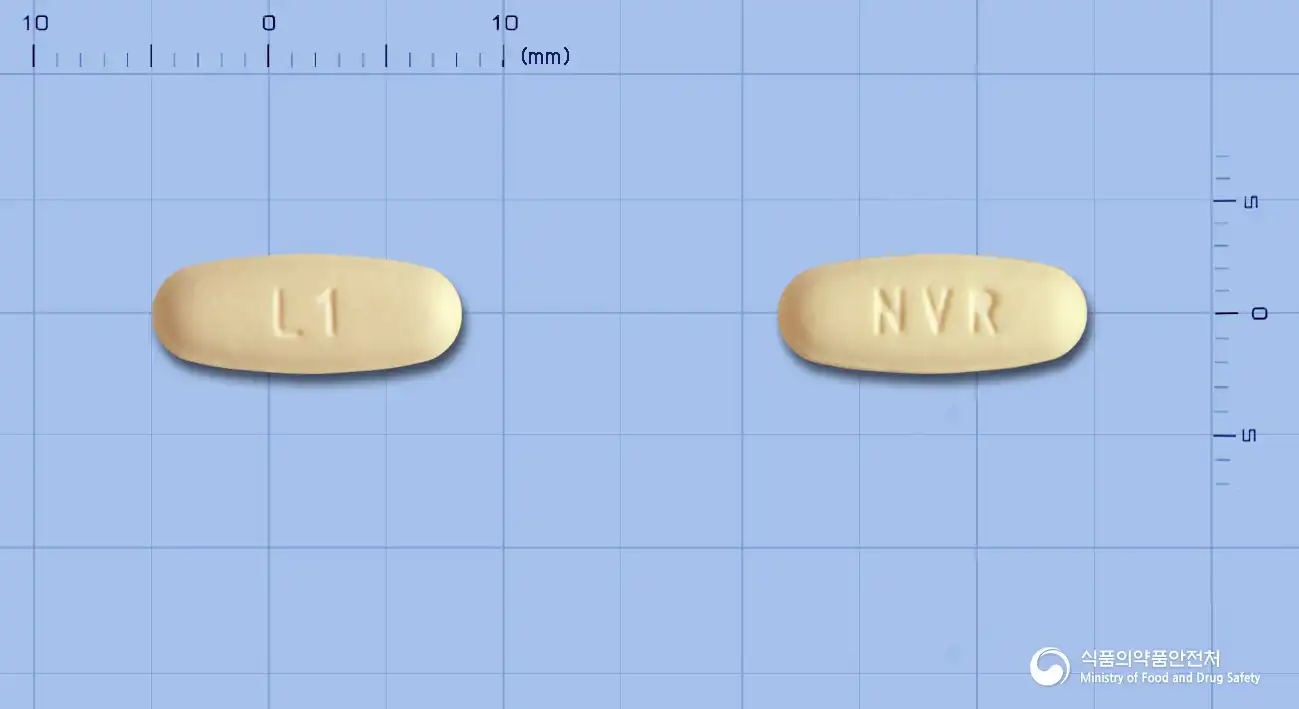
Entresto Film-Coated Tablet 100mg (Sacubitril/Valsartan Sodium Hydrate)
Sacubitril·Valsartan Sodium Hydrate 113.103mg
Tablet · Prescription medication
Korea Novartis Co., Ltd.
MFDS item code 201602112 · Approved 2016.04.14 · Insurance code 653602710
Reduction of the risk of cardiovascular death and hospitalization for chronic heart failure; treatment of essential hypertension
This medication helps reduce the risk of death due to cardiovascular disease and hospitalization due to heart failure in patients with chronic heart failure, especially those with reduced left ventricular systolic function. It is also used for the treatment of essential hypertension. For heart failure patients, it is used in combination with other heart failure medications to enhance therapeutic effectiveness. Thus, it is effectively used for the treatment of chronic heart failure and essential hypertension.
This medicine contains valsartan and therefore should not be used concomitantly with an angiotensin receptor blocker (ARB). Because of the risk of angioedema, this medicine should not be used concomitantly with an angiotensin-converting enzyme (ACE) inhibitor. Start this medicine 36 hours after discontinuing the ACE inhibitor. 1. Adults 1) Chronic heart failure (1) Initial dose: The recommended initial dose of this medicine is 100mg (equivalent to 48.6/51.4mg of sacubitril/valsartan) twice daily. For patients who are not taking an angiotensin-converting enzyme (ACE) inhibitor or an angiotensin receptor blocker (ARB), or who were previously taking these medicines at low doses, it is recommended to start with an initial dose of 50mg (equivalent to 24.3/25.7mg of sacubitril/valsartan) twice daily. (2) Maintenance dose: Depending on the patient's tolerability, double the dose of this medicine every 2-4 weeks until the target maintenance dose of 200mg (equivalent to 97.2/102.8mg of sacubitril/valsartan) twice daily is reached. If the patient has problems tolerating the medicine (e.g., symptomatic hypotension, hyperkalemia, or renal dysfunction), consider adjusting concomitant medicines or temporarily reducing the dose of this medicine. 2) Essential hypertension The recommended initial dose of this medicine is 200mg (equivalent to 97.2/102.8mg of sacubitril/valsartan) once daily. For patients whose blood pressure is not adequately controlled with 200mg once daily, the dose may be increased to 400mg once daily. Before deciding to administer this medicine, consider the magnitude of its blood pressure-lowering effect, the patient's underlying medical conditions, and the patient's response. Consider administering an initial dose of 100mg (equivalent to 48.6/51.4mg of sacubitril/valsartan) in elderly patients. For hypertensive patients with heart failure, it is recommended to follow the dosage and administration instructions for heart failure. 2. Patients with renal impairment For patients with chronic heart failure and severe renal impairment (eGFR < 30 mL/min/1.73m2), an initial dose of 50mg (equivalent to 24.3/25.7mg of sacubitril/valsartan) twice daily is recommended. Experience with this medicine in patients with severe renal impairment is limited; therefore, use with caution in these patients. The safety and efficacy of this medicine have not been established in patients with essential hypertension and severe renal impairment (eGFR < 30 mL/min/1.73m2). No dose adjustment is required in patients with mild (eGFR 60~90 mL/min/1.73m2) to moderate (eGFR 30~60 mL/min/1.73m2) renal impairment. 3. Patients with hepatic impairment For patients with chronic heart failure and moderate hepatic impairment (Child-Pugh B), an initial dose of 50mg (equivalent to 24.3/25.7mg of sacubitril/valsartan) twice daily is recommended. For patients with essential hypertension and moderate hepatic impairment (Child-Pugh B), an initial dose of 100mg (equivalent to 48.6/51.4mg of sacubitril/valsartan) once daily is recommended. No dose adjustment is required in patients with mild hepatic impairment (Child-Pugh A).
This medication can cause serious harm to the fetus and newborn if taken during pregnancy; therefore, women who are pregnant or planning to become pregnant should not take this medicine. Women of childbearing potential must use contraception for at least one week after taking this medicine, and if pregnancy is confirmed, the medication should be discontinued immediately. Patients with allergies to any of this medication's components, certain liver and kidney diseases, or a history of angioedema should not take this medication. Patients with hyperkalemia, hypotension, or renal dysfunction should be cautious when taking this medication, and regular blood tests and blood pressure measurements are required. If angioedema occurs, the medication should be stopped immediately and treated by medical personnel, and patients who have previously experienced such symptoms should not take this medication again. There may be interactions if taken with other antihypertensive agents, certain diuretics, or potassium supplements, so consultation with a pharmacist or physician is necessary. There have been reports of rare side effects such as psychiatric symptoms or gastrointestinal edema, so if abnormal symptoms appear, they should be reported to medical personnel immediately. There is no need for special dosage adjustments for the elderly, but they should be closely monitored for the risk of stroke due to blood pressure reduction. In the case of overdose, hypotension may occur, necessitating symptomatic treatment, and removal by dialysis is difficult. The safety and efficacy of this medication in children under 18 have not been established, therefore it should not be used in pediatric patients.
renal failure
Not everyone experiences these, and they can vary from person to person.
This medication is sensitive to air and moisture, so it should be stored in a tightly closed container. Additionally, it should be kept in a cool place below 30 degrees Celsius to maintain its effectiveness.
Pale yellow, oval, double concave film-coated tablet
30 tablets (10 tablets/PTP packaging x 3), 60 tablets (10 tablets/PTP packaging x 6)
Even with the same ingredient, strength, dosage form and how it is taken can differ.
Viewing nowSacubitril·Valsartan Sodium Hydrate 113.103mg
Tablet · Prescription medication
Korea Novartis Co., Ltd.
Sacubitril·Valsartan Sodium Hydrate
Prescription medication
Korea Sandoz Co., Ltd.
Sacubitril·Valsartan Sodium Hydrate
Prescription medication
Korea Sandoz Co., Ltd.
Sacubitril·Valsartan Sodium Hydrate
Prescription medication
Korea Sandos Co., Ltd.
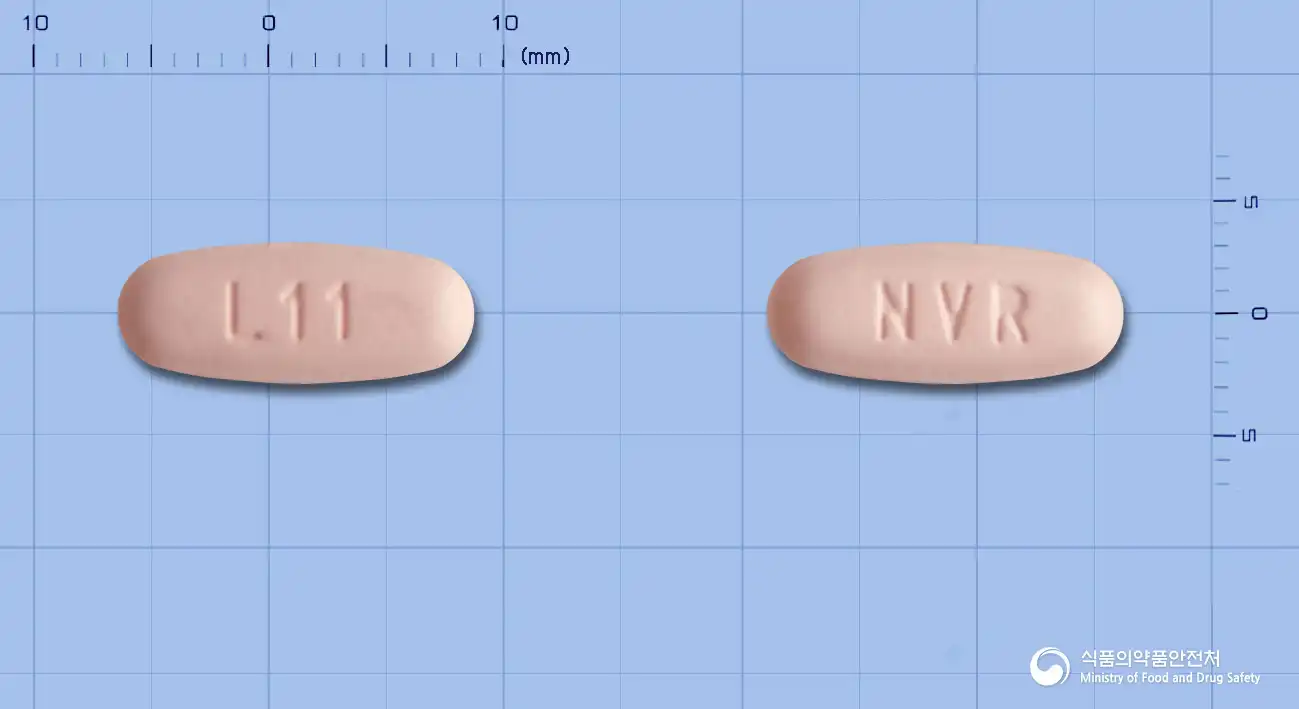
Sacubitril·Valsartan Sodium Hydrate 226.206mg
Tablet · Prescription medication
Korea Novartis Co., Ltd.
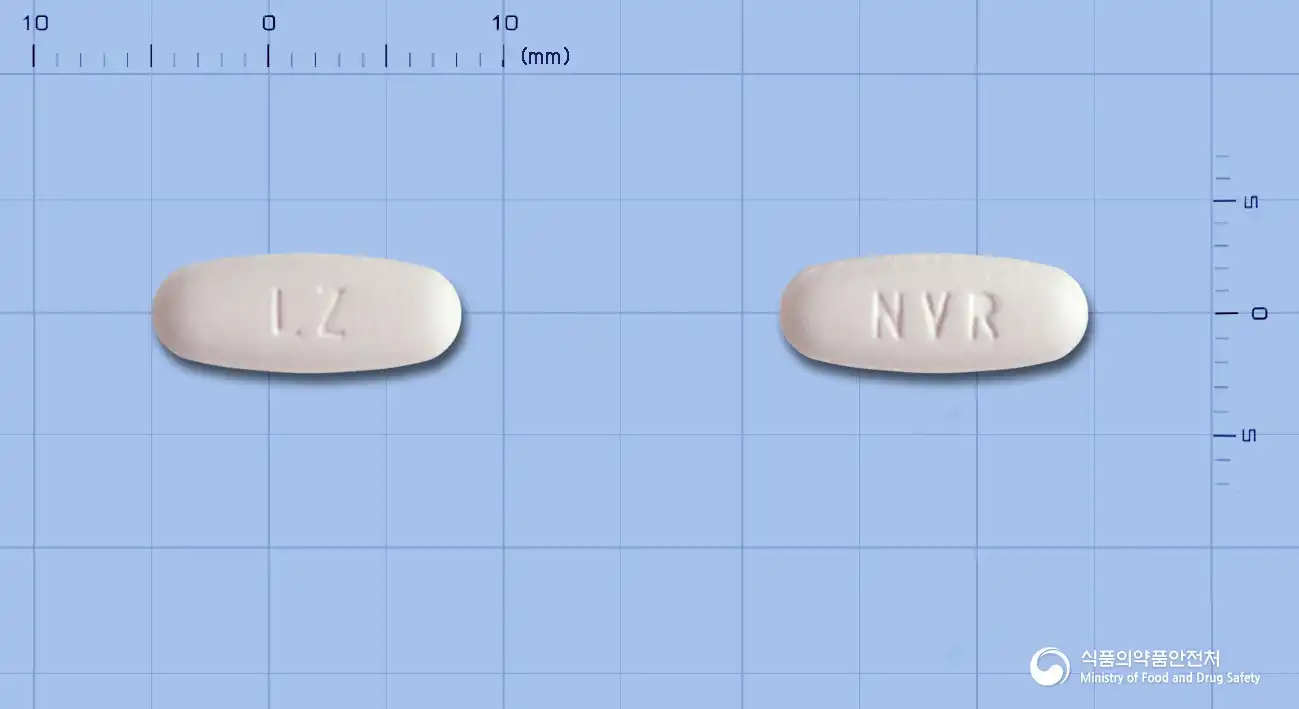
Sacubitril·Valsartan Sodium Hydrate 56.551mg
Tablet · Prescription medication
Novartis Korea Co., Ltd.
Even with the same ingredient, the dose and directions can differ by strength and dosage form. Talk to a doctor or pharmacist before switching from a medication you are already taking.
No questions yet.
For anything that needs medical judgment, consult a doctor or pharmacist.
This drug information is based on data provided by the Korea Ministry of Food and Drug Safety.
Consult a doctor or pharmacist for accurate dosage, administration, and usage instructions.