
 한국어
 English
 日本語
 中文(简体)
Dosage form image
Viewing nowJenepri Film-Coated Tablet 50 mg (Sacubitril / Valsartan Sodium Hydrate)
Sacubitril·Valsartan Sodium Hydrate
Prescription medication
Korea Sandos Co., Ltd.
MFDS item code 201602111 · Approved 2016.04.14
This product's status changed to Approval withdrawn on 2023.06.26. It may no longer be sold, so consult a doctor or pharmacist before taking it.
Reduction of the risk of cardiovascular death and hospitalization for heart failure in patients with chronic heart failure
This drug is used in patients with chronic heart failure, particularly in cases of impaired left ventricular systolic function. It mainly helps reduce the risk of death related to cardiovascular disease and the rate of hospitalization due to heart failure in patients classified as NYHA Class II to IV. This drug is administered in combination with other heart failure medications to enhance therapeutic effects. Therefore, it plays an important role in the management of chronic heart failure and is used to improve the patient's health status.
1. Adults 1) Initial dose: The recommended initial dose of this medicine is 100mg (equivalent to 48.6/51.4mg of sacubitril/valsartan) twice daily. For patients who are not taking an angiotensin-converting enzyme (ACE) inhibitor or an angiotensin receptor blocker (ARB), or who were previously taking these medicines at low doses, it is recommended to start with an initial dose of 50mg (equivalent to 24.3/25.7mg of sacubitril/valsartan) twice daily. 2) Maintenance dose: Depending on the patient's tolerability, double the dose of this medicine every 2-4 weeks until the target maintenance dose of 200mg (equivalent to 97.2/102.8mg of sacubitril/valsartan) twice daily is reached. If the patient has problems tolerating the medicine (e.g., symptomatic hypotension, hyperkalemia, or renal dysfunction), consider adjusting concomitant medicines or temporarily reducing the dose of this medicine. 2. Patients with renal impairment For patients with severe renal impairment (eGFR < 30 mL/min/1.73m2), an initial dose of 50mg (equivalent to 24.3/25.7mg of sacubitril/valsartan) twice daily is recommended. Experience with this medicine in patients with severe renal impairment is limited; therefore, use with caution in these patients. No dose adjustment is required in patients with mild (eGFR 60~90 mL/min/1.73m2) to moderate (eGFR 30~60 mL/min/1.73m2) renal impairment. 3. Patients with hepatic impairment For patients with moderate hepatic impairment (Child-Pugh B), an initial dose of 50mg (equivalent to 24.3/25.7mg of sacubitril/valsartan) twice daily is recommended. No dose adjustment is required in patients with mild hepatic impairment (Child-Pugh A).
This drug can cause severe harm to the fetus and newborn if administered to pregnant women; therefore, women of childbearing potential must implement contraception during treatment and for one week after the last dose. Moreover, women who are pregnant or planning to become pregnant should not take this drug, and if pregnancy is confirmed during treatment, it should be immediately discontinued. Patients with a history of allergy to any components of this drug, specific liver disorders, kidney disorders, or angioedema, as well as pregnant or lactating women, should not take this drug. Patients with hyperkalemia, moderate liver impairment, valvular heart disease, or a high risk of hypotension should take this drug with caution, and blood pressure, kidney function, and potassium levels should be frequently monitored. This drug can lower blood pressure, causing dizziness or hypotension symptoms; thus, patients with fluid or sodium depletion should improve their condition before taking this medication. A severe side effect known as angioedema can occur, so if swelling of the face, lips, tongue, or throat leads to difficulty breathing, the use of this drug should be immediately discontinued and medical attention sought. This drug may impact kidney function; therefore, patients with weak kidney function should have regular blood tests to monitor their kidney status. Due to the risk of elevated potassium levels, potassium-sparing diuretics or potassium supplements should be monitored closely when used concurrently. This drug can interact with certain other medications, particularly angiotensin-converting enzyme inhibitors, aliskiren, certain diuretics, NSAIDs, lithium, PDE5 inhibitors; patients taking such medications should inform their doctor or pharmacist. Elderly patients can take this drug, but their conditions should be closely observed to prevent excessive blood pressure drops. In cases of overdose, hypotension may occur; therefore, if an overdose is suspected, immediate medical contact should be made for appropriate treatment.
Renal failure
Not everyone experiences these, and they can vary from person to person.
This medication is sensitive to air and moisture; therefore, it should be stored in a tightly sealed container. Additionally, it should be kept in a cool place where the temperature is below 30 degrees to maintain its efficacy.
White, oval, double convex film-coated tablet with a light purple hue
30 tablets (10 tablets/PTP packaging × 3)
Even with the same ingredient, strength, dosage form and how it is taken can differ.
Sacubitril·Valsartan Sodium Hydrate
Prescription medication
Korea Sandos Co., Ltd.
Sacubitril·Valsartan Sodium Hydrate
Prescription medication
Korea Sandoz Co., Ltd.
Sacubitril·Valsartan Sodium Hydrate
Prescription medication
Korea Sandoz Co., Ltd.
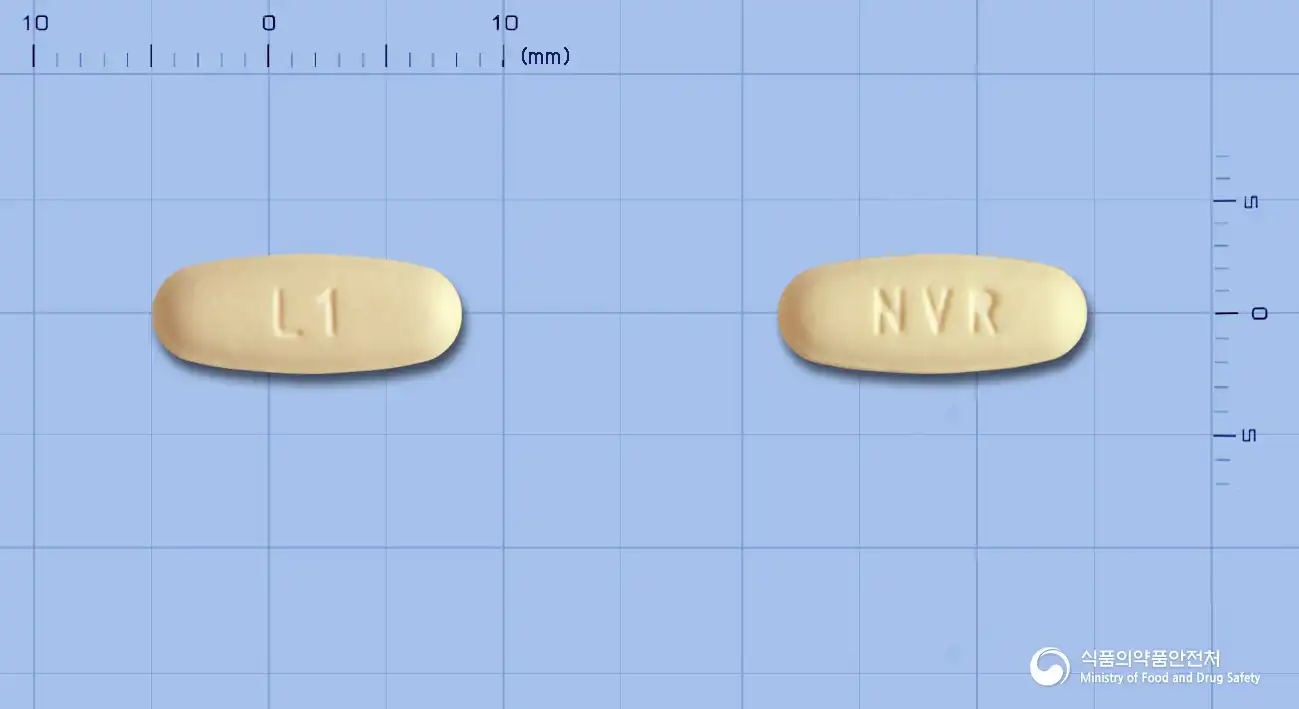
Sacubitril·Valsartan Sodium Hydrate 113.103mg
Tablet · Prescription medication
Korea Novartis Co., Ltd.
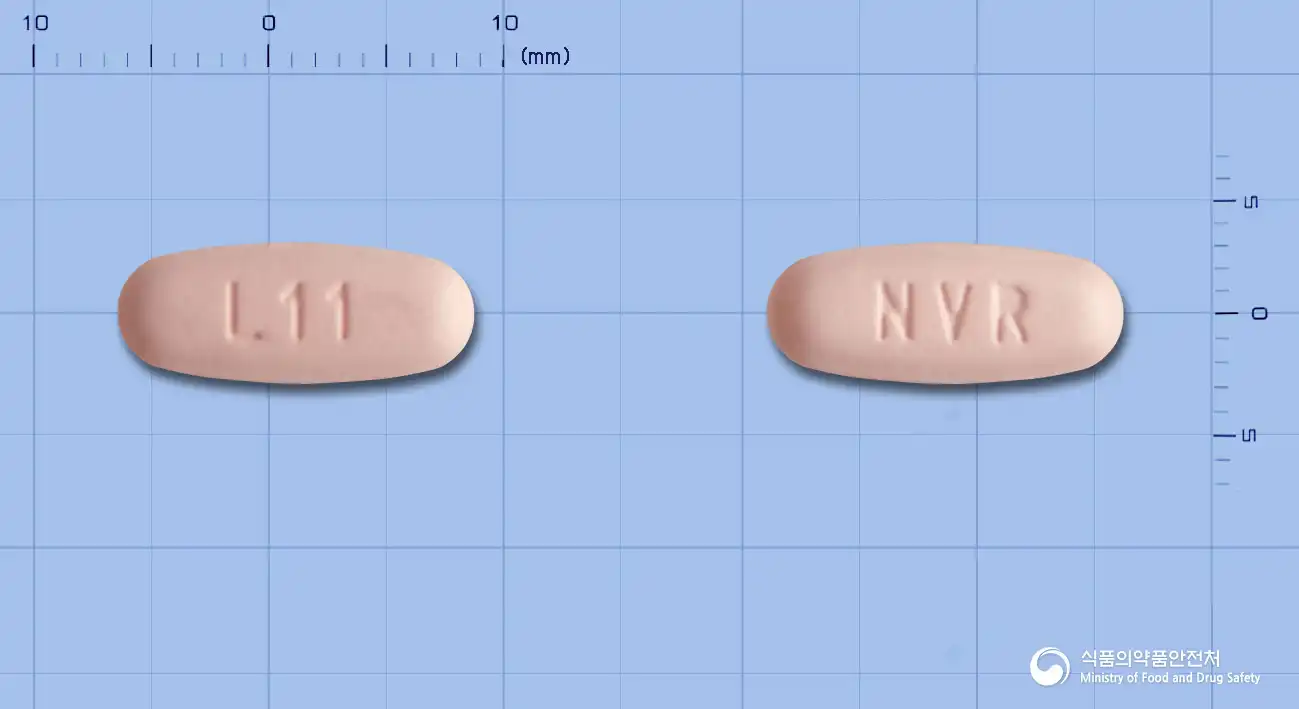
Sacubitril·Valsartan Sodium Hydrate 226.206mg
Tablet · Prescription medication
Korea Novartis Co., Ltd.
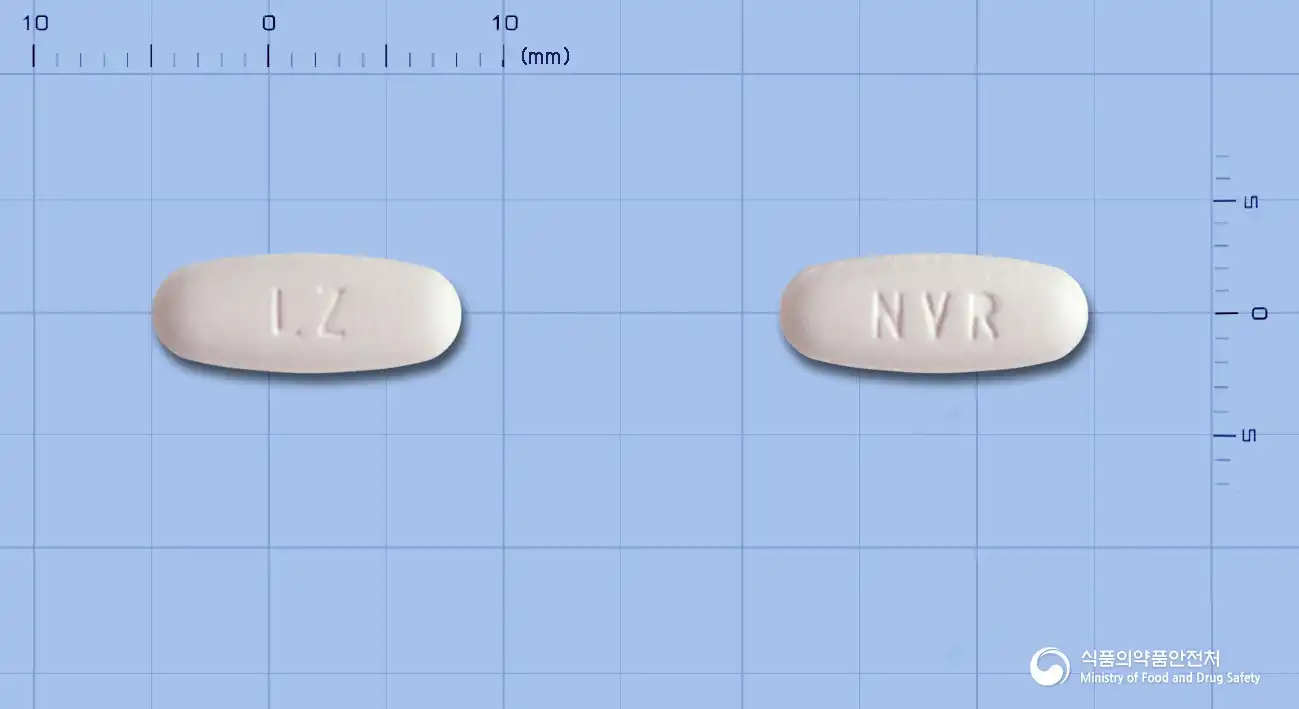
Sacubitril·Valsartan Sodium Hydrate 56.551mg
Tablet · Prescription medication
Novartis Korea Co., Ltd.
Even with the same ingredient, the dose and directions can differ by strength and dosage form. Talk to a doctor or pharmacist before switching from a medication you are already taking.
No questions yet.
For anything that needs medical judgment, consult a doctor or pharmacist.
This drug information is based on data provided by the Korea Ministry of Food and Drug Safety.
Consult a doctor or pharmacist for accurate dosage, administration, and usage instructions.