
 한국어
한국어 English
 日本語
日本語 中文(简体)
Dosage form image
Viewing nowCombinationAmorex Neo Syrup (Amoxicillin·Clavulanate Potassium (14:1))
Amoxicillin Hydrate 54.55g · Dilute Potassium Clavulanate 3.9g
Syrup · Prescription medication · Combination
CTC Bio Co., Ltd.
MFDS item code 201601650 · Notified 2016.03.29 · Insurance code 669501881
Treatment effect for recurrent (acute otitis media, acute sinusitis).
This medication is effective against major bacteria such as Streptococcus pneumoniae, Haemophilus influenzae, and Moraxella catarrhalis. It is particularly used for the treatment of recurrent or persistent acute otitis media and recurrent acute sinusitis in children. However, the target patients are children under the age of 2 who have had experience with antibiotics for acute otitis media or acute sinusitis within the last 3 months or children attending daycare. This medicine improves the treatment of otitis media and sinusitis in pediatric patients.
There is no experience with this medication in adults. To minimize the possibility of gastrointestinal disturbance, it is administered at the beginning of meals. Administering this medication at the beginning of meals increases the absorption of clavulanate potassium.
For pediatric patients over 3 months: Based on amoxicillin content (600 mg/5 mL), take 90 mg/kg/day divided into doses every 12 hours. For acute otitis media, use for 10 days; for acute sinusitis, use for 7 days.
This medication contains the artificial sweetener aspartame, which is broken down into phenylalanine in the body. Therefore, patients with the genetic disorder phenylketonuria should not take this medication. Patients who have had an allergy to this medication's ingredients or beta-lactam antibiotics, patients with infectious mononucleosis or lymphocytic leukemia, patients with a history of liver dysfunction or jaundice, and patients with certain genetic issues such as lactose intolerance should not use this medication. Patients with poor liver function or severe renal impairment, patients with allergic tendencies, patients who have difficulty in oral intake, elderly patients, and patients with gastrointestinal diseases should take caution when using this medication. In such cases, the dosage interval or amount should be adjusted according to the physician's instructions. Taking this medication can cause various side effects such as diarrhea, vomiting, rash, contact dermatitis, gastrointestinal symptoms, liver dysfunction, etc., so if any symptoms are severe, the medication should be stopped immediately and medical advice should be sought. While using antibiotics, serious gastrointestinal diseases such as pseudomembranous colitis may occur, so if diarrhea or abdominal pain worsens, the hospital must be notified immediately. Additionally, long-term use can lead to the development of resistant bacteria, so it is important to take it only for the necessary duration. This medication may interact with other drugs, so if you are currently taking any medications, it is essential to inform your doctor or pharmacist. Special caution is necessary when taken with anticoagulants, diuretics, or anti-inflammatory drugs. Women who are pregnant or breastfeeding should use this medication cautiously, especially during the first three months of pregnancy, it is advisable to avoid it. During breastfeeding, if the baby experiences diarrhea or allergic symptoms, it should be discontinued. The safety and effectiveness of this medication have not been confirmed in infants under 3 months of age, so it should not be used. While taking this medication, it is necessary to regularly check liver and kidney function and blood status to ensure there are no abnormalities. In case of an overdose, symptoms such as vomiting, diarrhea, rash, and convulsions may occur, and the medication should be stopped immediately while seeking medical assistance. Sufficient hydration and appropriate treatment are important. This medication should be well shaken before use, and after preparation, it should be stored in the refrigerator and used within 7 days. It is also important to keep it out of reach of children.
Hives, severe swelling (edema), chest tightness, difficulty breathing, cold sweat, pallor, high fever with severe rash, blisters, skin peeling, pain of oral/ocular mucosa, difficulty in breathing or dyspnea, asthma attack, respiratory abnormalities associated with cough and fever, jaundice (yellowing of skin or eyes), extreme fatigue, sudden and very severe headache, lightning headache, seizures, confusion, visual disturbances, paralysis, urinary changes.
Diarrhea, vomiting, contact dermatitis, pseudomembranous colitis, indigestion, stomatitis, gastritis, glossitis, black hairy tongue, nausea, anorexia, abdominal pain, abdominal bloating, constipation, colonic pain, acid reflux, soft stool, dry mouth, candidiasis, antibiotic-associated colitis, itching, erythema multiforme, Stevens-Johnson syndrome, toxic epidermal necrolysis, vesicular exanthema, acute generalized exanthematous pustulosis, eosinophilia, serum sickness syndrome, drug reaction, angioedema,
Not everyone experiences these, and they can vary from person to person.
This medication may be sensitive to air or moisture, so it is important to store it in a sealed container. Additionally, it should be kept in a dry place between 1 to 25 degrees Celsius to maintain its effectiveness.
A syrup with a white to pale yellow powder that has a peculiar odor, to be dissolved before use.
50 mL/bottle
Even with the same ingredient, strength, dosage form and how it is taken can differ.
Amoxicillin Hydrate 54.55g · Dilute Potassium Clavulanate 3.9g
Syrup · Prescription medication · Combination
CTC Bio Co., Ltd.
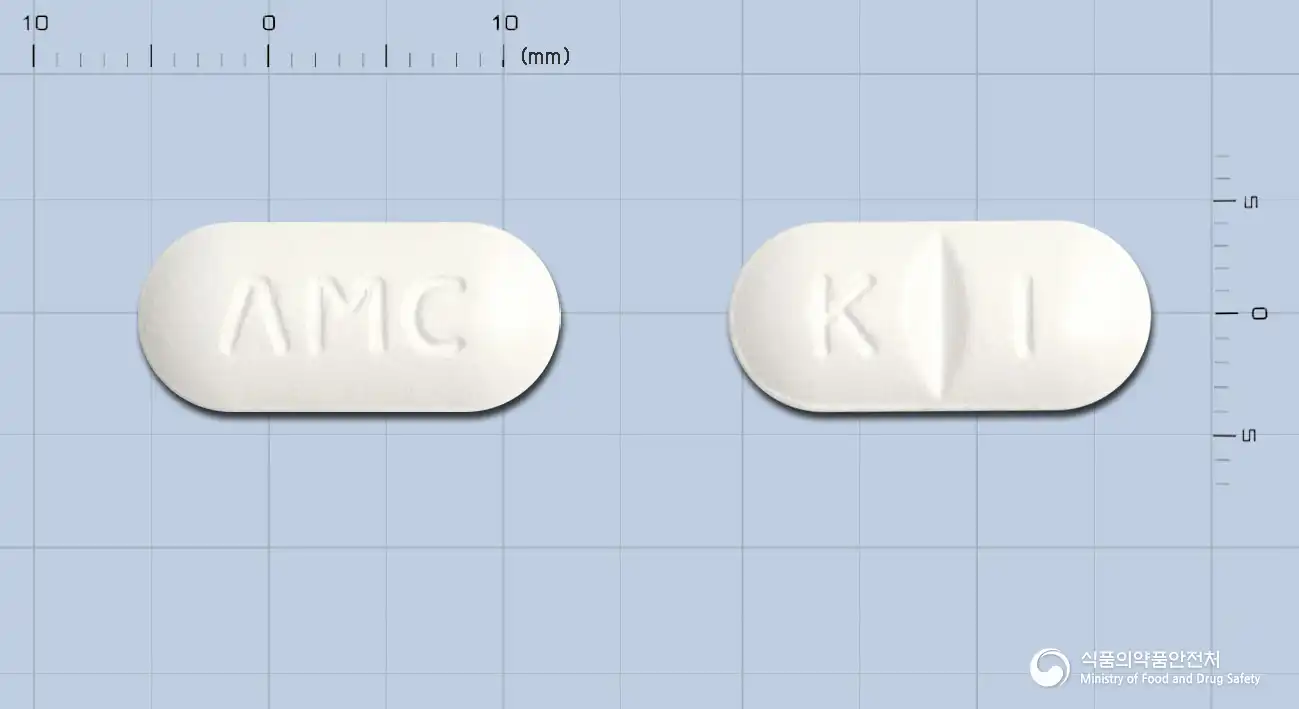 Combination
Amoxicillin Hydrate 500mg · Dilute Potassium Clavulanate 215.52mg
Tablet · Prescription medication · Combination
Geonil Pharmaceutical Co., Ltd.
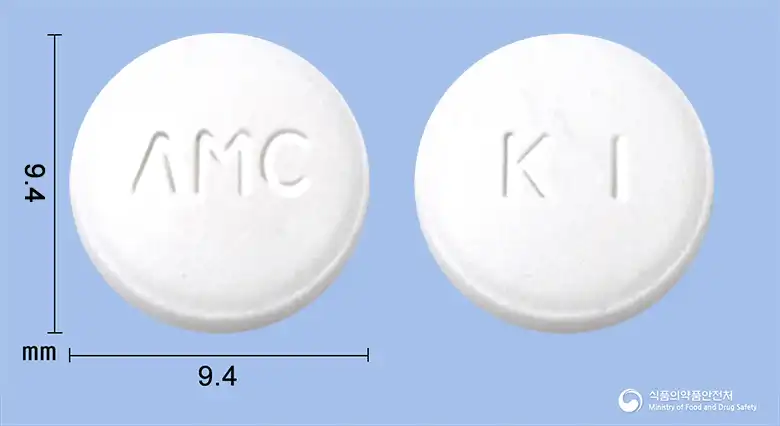 Combination
Amoxicillin Hydrate 125mg · Dilute Potassium Clavulanate 107.76mg
Tablet · Prescription medication · Combination
Geonil Pharmaceutical Co., Ltd.
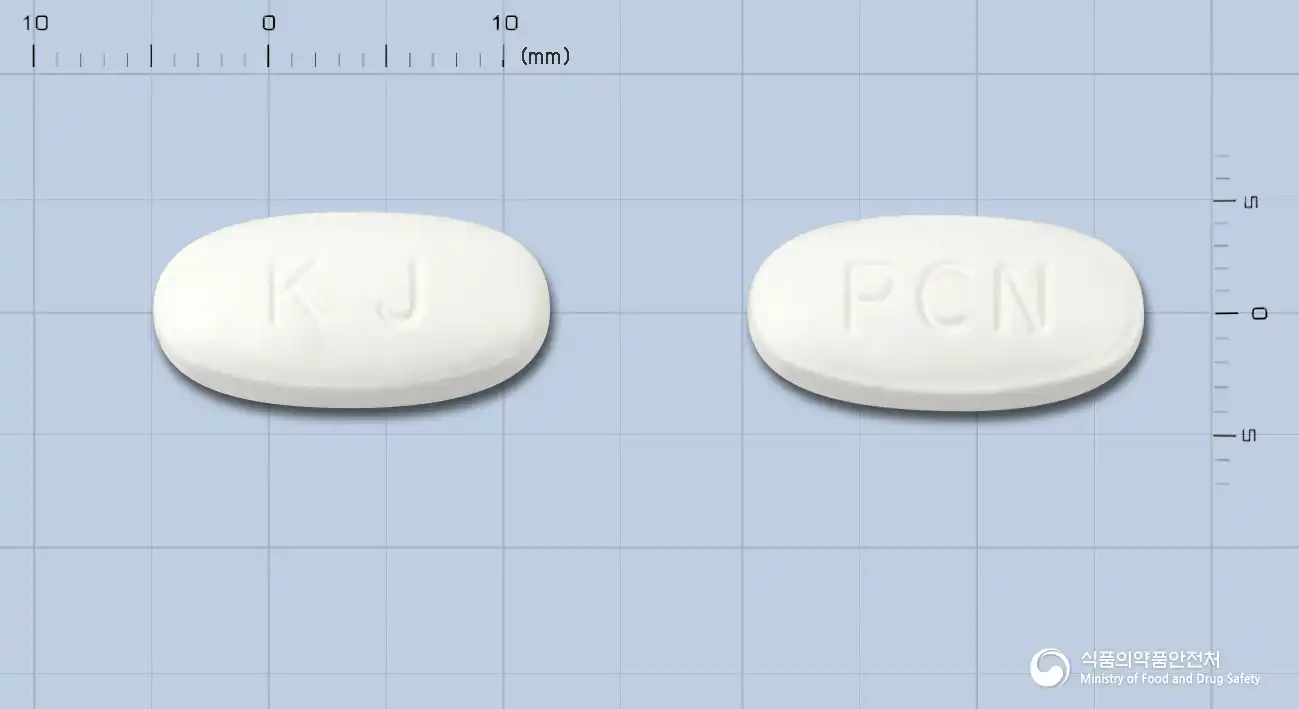 Combination
Amoxicillin Hydrate 250mg · Dilute Potassium Clavulanate 212.73mg
Tablet · Prescription medication · Combination
International Pharmaceutical Co., Ltd.
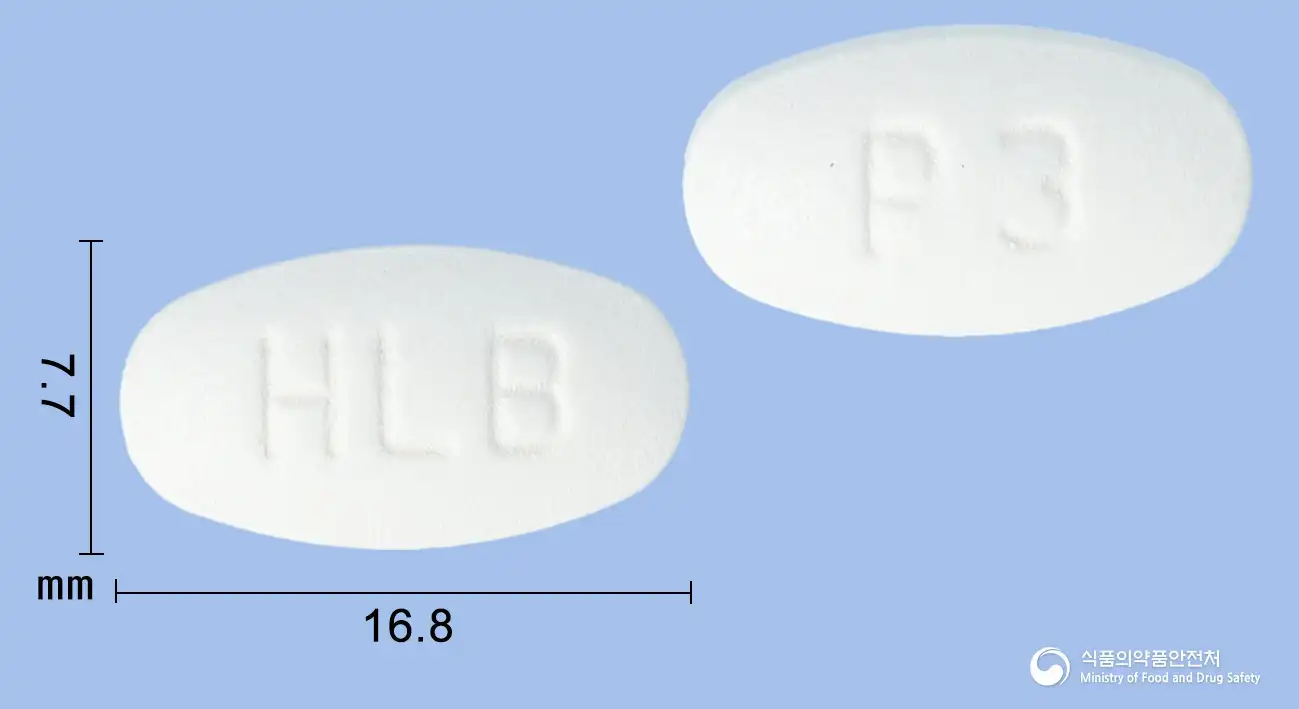 Combination
Amoxicillin Hydrate 250mg · Dilute Potassium Clavulanate 215.52mg
Tablet · Prescription medication · Combination
HLB Pharmaceutical Co., Ltd.
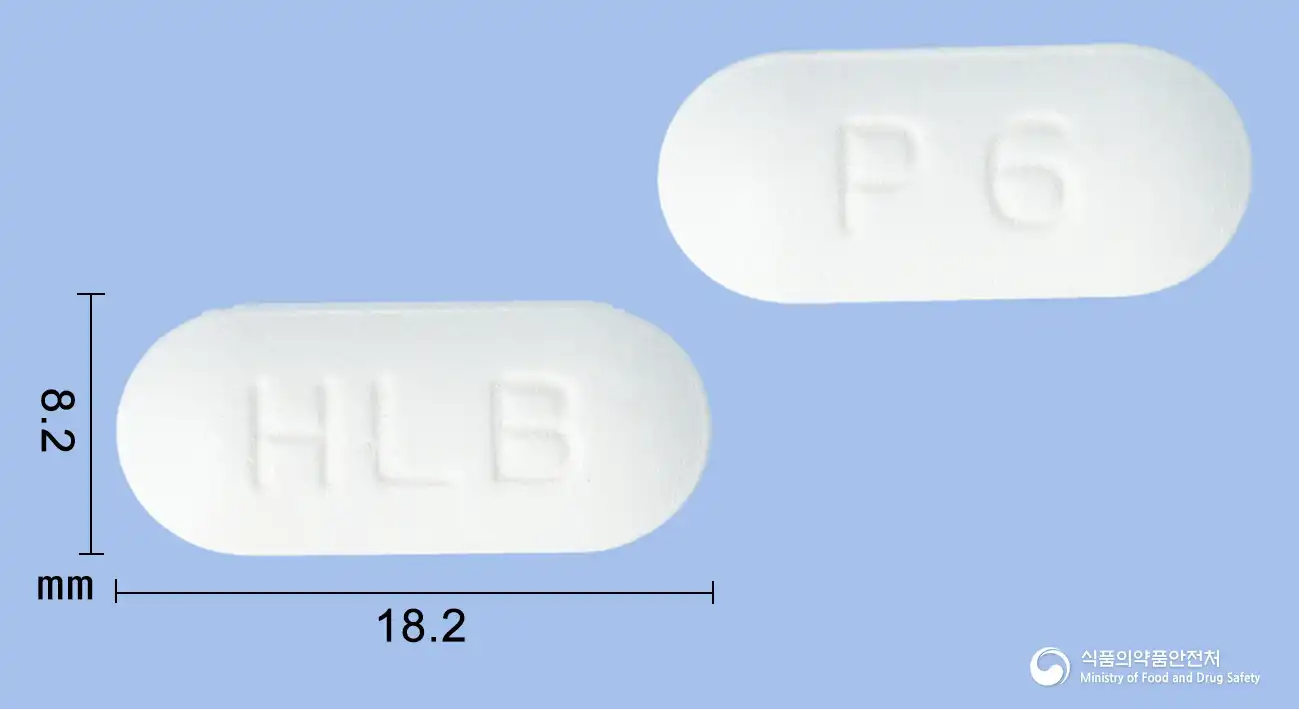 Combination
Amoxicillin Hydrate 500mg · Dilute Potassium Clavulanate 215.52mg
Tablet · Prescription medication · Combination
HLB Pharmaceuticals Co., Ltd.
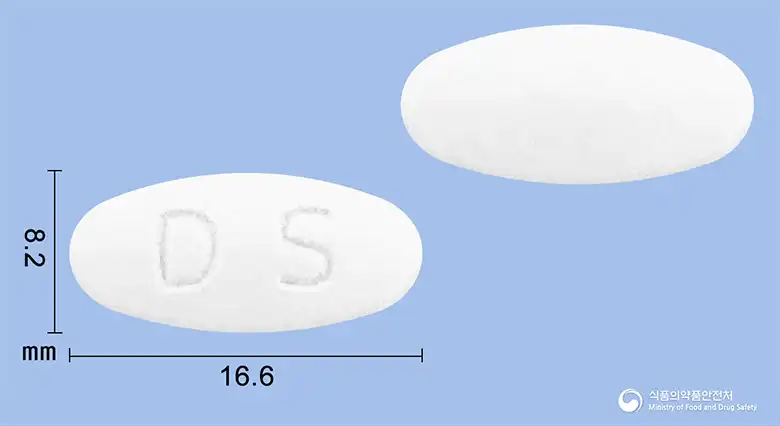 Combination
Amoxicillin Hydrate 250mg · Dilute Potassium Clavulanate 215.52mg
Tablet · Prescription medication · Combination
Dong Sung Pharmaceutical Co., Ltd.
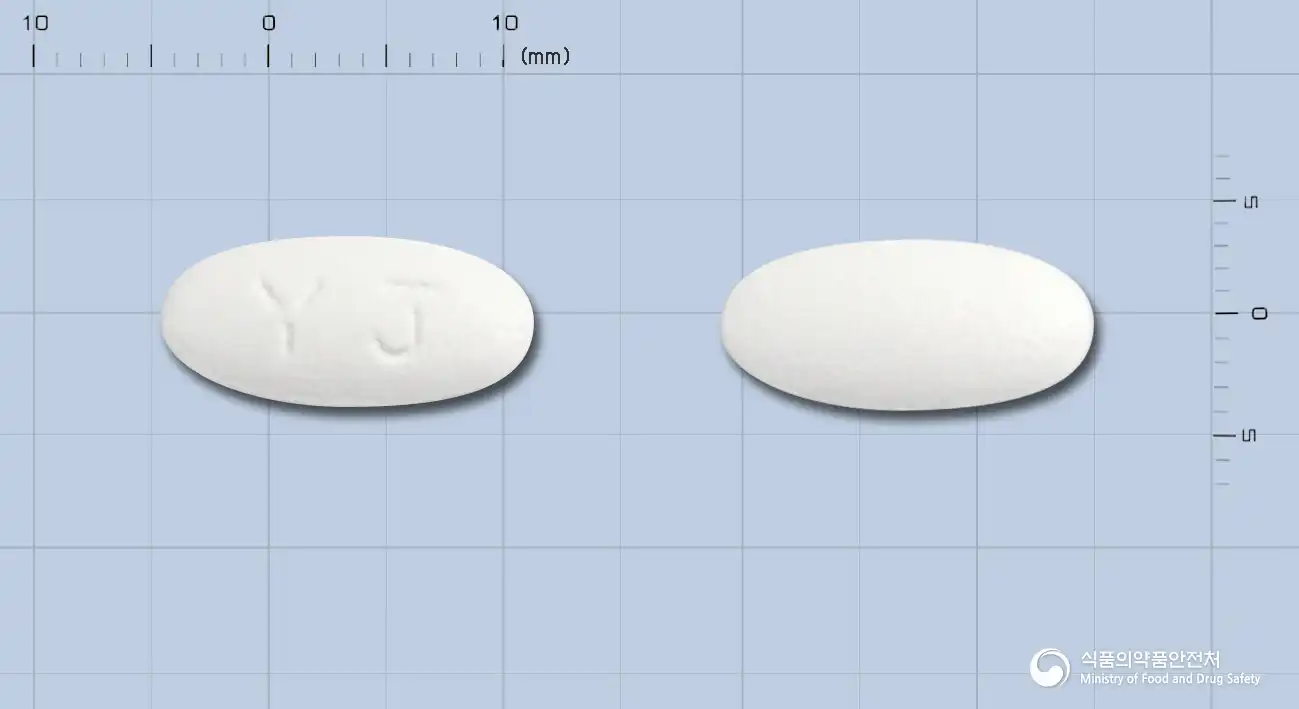 Combination
Amoxicillin Hydrate 250mg · Dilute Potassium Clavulanate 212.73mg
Tablet · Prescription medication · Combination
Youngjin Pharmaceutical Co., Ltd.
Even with the same ingredient, the dose and directions can differ by strength and dosage form. Talk to a doctor or pharmacist before switching from a medication you are already taking.
No questions yet.
For anything that needs medical judgment, consult a doctor or pharmacist.
This drug information is based on data provided by the Korea Ministry of Food and Drug Safety.
Consult a doctor or pharmacist for accurate dosage, administration, and usage instructions.