
 한국어
 English
 日本語
 中文(简体)
 Viewing now
Citus Tablet 50mg (Framycetin Hydrate)
Pranlukast Hydrate 50mg
Tablet · Prescription medication
Sama Pharmaceutical Co., Ltd.
MFDS item code 201601582 · Approved 2016.03.18 · Insurance code 645702760
Treatment of bronchial asthma and allergic rhinitis
This medication is used for bronchial asthma and allergic rhinitis.
Adults: Administer 50 mg of pranlukast hydrate orally twice daily, after breakfast and dinner. The dose may be adjusted according to symptoms.
This medicine should not be used by individuals who are allergic to this drug or any of its components. This medication contains lactose, so patients with genetic diseases that prevent them from digesting lactose should not take it. While taking this drug, one should carefully monitor symptoms as serious allergic reactions such as shock or anaphylaxis may occur. Symptoms such as decreased white blood cell or platelet count may appear, and if there are signs of fever or tendency to bleed, discontinue use immediately. Liver function abnormalities may occur, so if jaundice or elevated liver enzyme levels are observed, stop taking the medicine and seek treatment. If symptoms of difficulty breathing, coughing, or pneumonia appear, discontinue use and seek appropriate treatment. If symptoms such as myalgia, weakness, or rhabdomyolysis occur, stop taking the medication and seek treatment. If skin rash, hives, or itching occurs, stop taking the medicine immediately. Symptoms such as dizziness, headache, and insomnia may occur, so be alert to these symptoms. Gastrointestinal symptoms such as indigestion, nausea, diarrhea may occur. Rarely, cardiovascular symptoms such as abnormal heart rhythms, tachycardia, and flushing may appear. Be careful as urine may contain protein or blood, or urinary difficulties may occur. This drug is not an immediate relief medication for asthma attacks, so patients should be informed that other treatments are necessary during acute episodes. For patients undergoing steroid treatment, it is important to gradually reduce steroid dosage when using this drug, as sudden discontinuation may cause symptoms to reappear. There is a possibility of developing immune-related conditions such as vasculitis while taking this medication, so one should carefully observe for symptoms such as fever, joint pain, or skin manifestations. This drug may affect the enzymes that metabolize medications in the liver, so it's essential to consult a doctor when taking it with specific medications, as drug concentrations may change. The use of this drug should be carefully considered in pregnant women or those who may become pregnant, as its safety has not been fully established. Safety for use in children or newborns has not been adequately verified, so caution is required. Elderly patients should use the drug carefully as bodily functions may decline, and dosage may need to be reduced. This medication should be kept out of the reach of children and stored in its original container to maintain quality.
Not everyone experiences these, and they can vary from person to person.
This medication should be stored in a tightly sealed container to be protected from air and moisture. It is important to maintain storage temperatures between 1°C and 30°C. This will help to preserve the drug's effectiveness and safety for a long time.
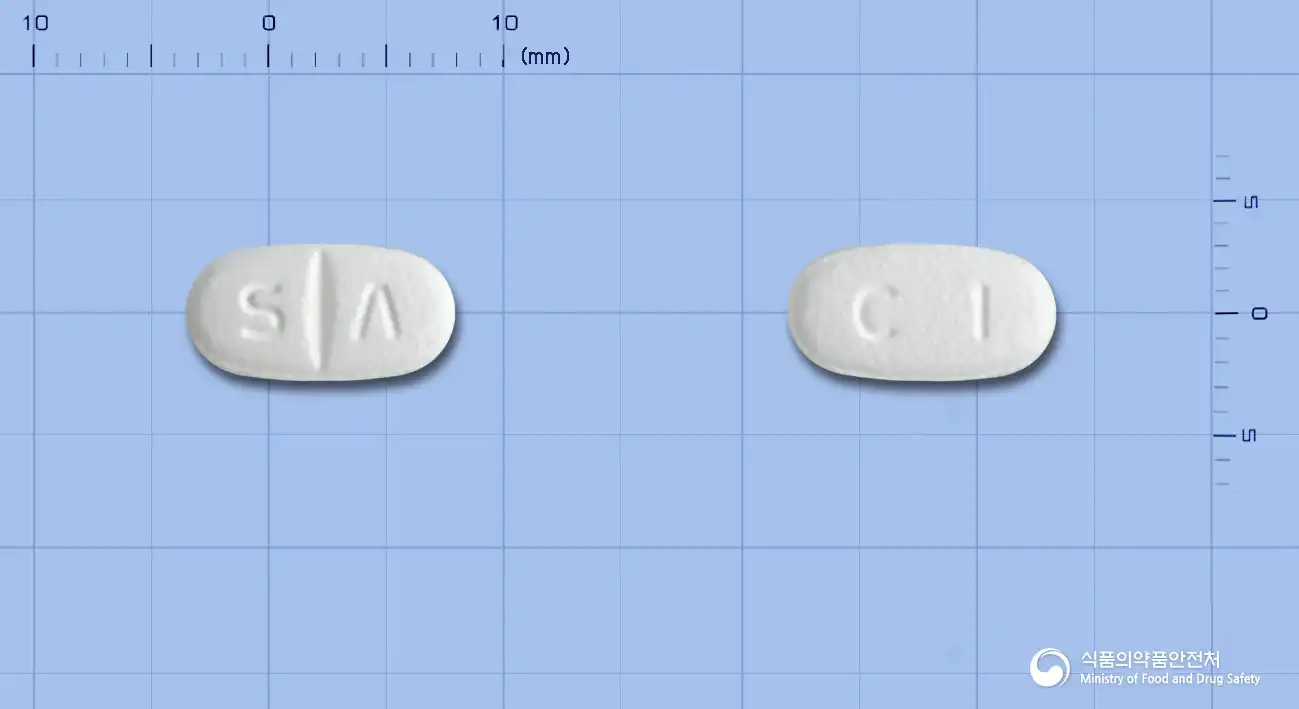
Film-coated tablets that are white or pale yellow and rectangular with a score line
56 tablets (14 tablets/PTP x 4), 300 tablets (bottle)
Even with the same ingredient, strength, dosage form and how it is taken can differ.
Viewing nowPranlukast Hydrate 50mg
Tablet · Prescription medication
Sama Pharmaceutical Co., Ltd.
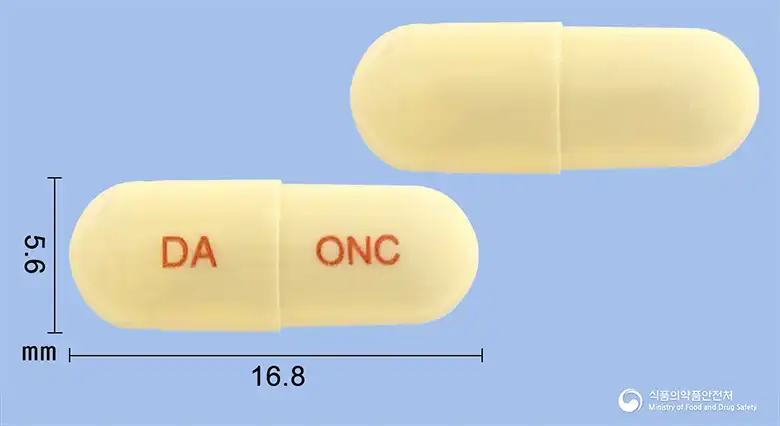
Pranlukast Hydrate 112.5mg
Hard capsule · Prescription medication
Dong-A ST Co., Ltd.
Pranlukast Hydrate
Prescription medication
Dong-A ST Co., Ltd.
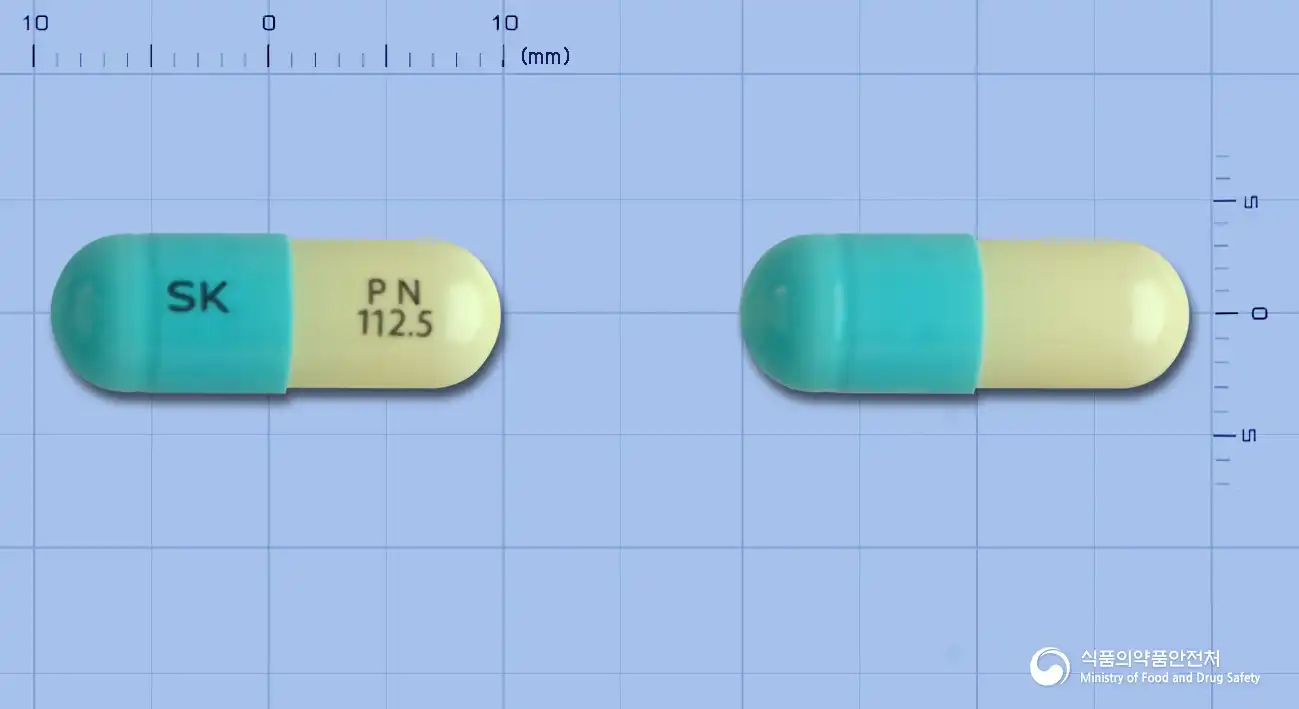
Pranlukast Hydrate 112.5mg
Hard capsule · Prescription medication
SK Chemicals Co., Ltd.
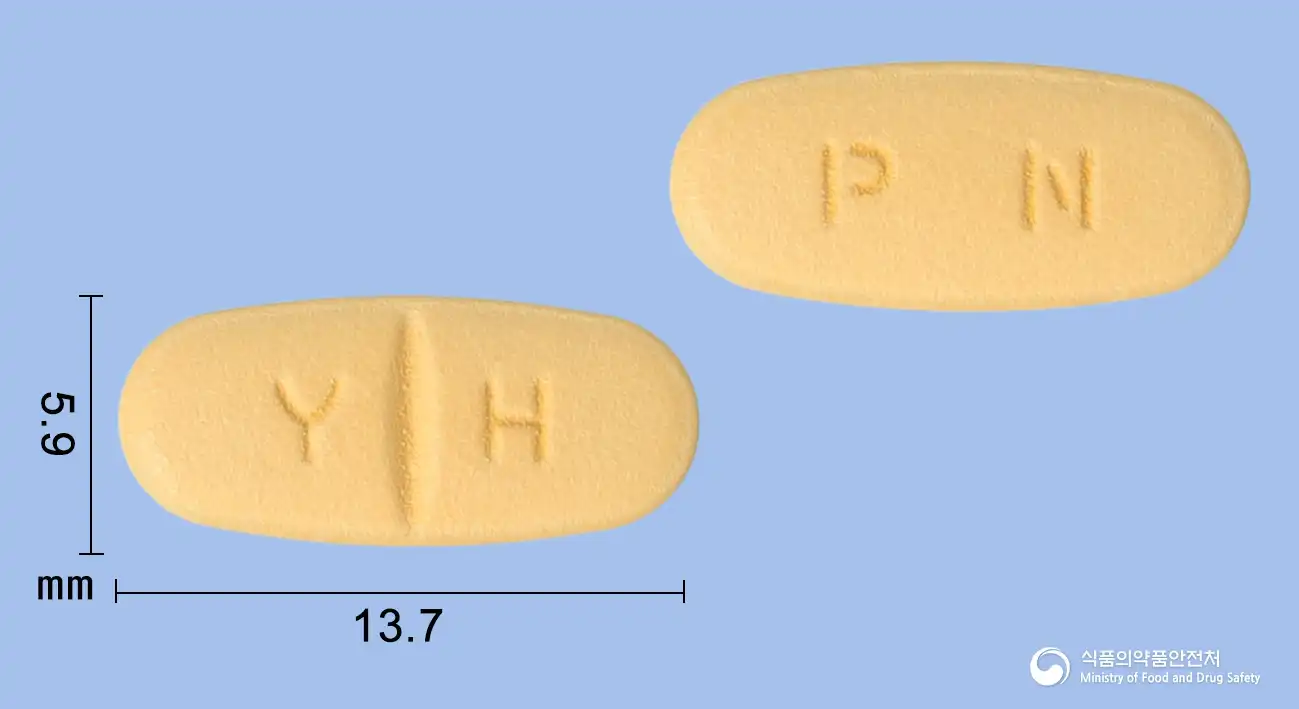
Pranlukast Hydrate 75mg
Tablet · Prescription medication
Yuhan Corporation
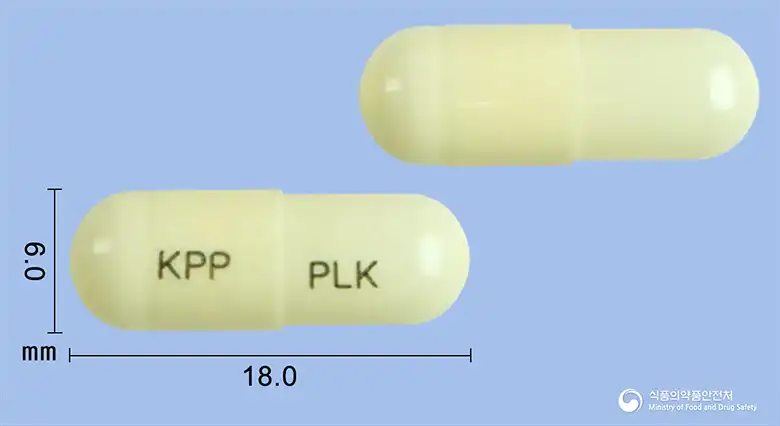
Pranlukast Hydrate 112.5mg
Hard capsule · Prescription medication
Korea Prime Pharmaceutical Co., Ltd.
Pranlukast Hydrate 10g
Syrup · Prescription medication
Sama Pharmaceutical Co., Ltd.
Pranlukast Hydrate 70mg
Prescription medication
Sama Pharmaceutical Co., Ltd.
Even with the same ingredient, the dose and directions can differ by strength and dosage form. Talk to a doctor or pharmacist before switching from a medication you are already taking.
No questions yet.
For anything that needs medical judgment, consult a doctor or pharmacist.
This drug information is based on data provided by the Korea Ministry of Food and Drug Safety.
Consult a doctor or pharmacist for accurate dosage, administration, and usage instructions.