
 한국어
 English
 日本語
 中文(简体)
 Viewing now
Korean Biochem Methotrexate Tablet
Methotrexate 2.5mg
Tablet · Prescription medication
Korean Biochem Pharmaceutical Co., Ltd.
MFDS item code 201601003 · Notified 2016.02.23 · Insurance code 698400450
Treatment and relief of rheumatoid arthritis, severe refractory psoriasis, and tumors (leukemia, trophoblastic disease)
This medication is used for blood disorders and immune-related diseases such as leukemia and rheumatoid arthritis. It also helps relieve symptoms of choriocarcinoma, complete hydatidiform mole, and hydatidiform mole. Furthermore, it is used in the treatment of severe refractory psoriasis that has not responded to other medications. In other words, this drug is effective in treating various cancers and autoimmune diseases.
1. Leukemia Adults: Administer 5~10 mg orally 3~6 days per week. Adjust the dose according to the patient's tolerance and severity of symptoms. 2. Trophoblastic disease Administer 10~30 mg of this medicine orally per day (adjust as appropriate). A 5-day course constitutes one cycle; repeat after a drug-free interval of 7~12 days. If adverse reactions occur after the previous administration, withhold treatment until the adverse reactions resolve. 3. Rheumatoid arthritis Adults: One week before treatment, administration of a test dose of 5~10 mg of this medicine orally is recommended to test for idiosyncratic adverse reactions. Administer 7.5~20 mg orally once weekly, or administer 2.5 mg orally in 3 divided doses at 12-hour intervals. The schedule may be gradually increased to achieve an optimal response, but the total weekly dose should not exceed 20 mg. Once a response is achieved, reduce the schedule to the lowest dose possible. 4. Psoriasis Adults: One week before treatment, administration of a test dose of 5~10 mg of this medicine orally is recommended to test for idiosyncratic adverse reactions. For severe, refractory psoriasis that has not responded to other medicines, administer 7.5~20 mg orally once weekly or in 3 divided doses at 12-hour intervals.
Infants: Administer 1.25~2.5 mg orally per day, 3~6 days per week. Children: Administer 2.5~5 mg orally per day, 3~6 days per week.
This medication should be taken only once a week when treating rheumatoid arthritis or psoriasis. Caution is required as serious side effects may occur if the dosing method is not followed correctly.\n\nWhen combining this medication with certain chemotherapy agents, it must be administered under strict supervision of a physician, and should only be used when the medical staff have sufficient experience.\n\nPatients with allergic reactions to any of the components of this drug, renal or liver function issues, patients with pleural effusion or ascites, patients with certain blood disorders or immunodeficiency conditions, patients with alcoholic liver disease, pregnant or potentially pregnant women, nursing mothers, and patients with certain genetic disorders should not be administered this drug.\n\nCaution is also necessary for patients with certain conditions such as diarrhea, stomatitis, gastric ulcers, blood disorders, infections, mental disorders, children, elderly individuals, and those allergic to the dyes contained in this drug.\n\nDuring administration, various side effects, including shock, severe gastrointestinal symptoms, respiratory issues, neurological disorders, reproductive issues, blood disorders, liver and kidney function impairment, skin reactions, infections, osteoporosis, etc., can occur; thus, close monitoring of the patient's condition is necessary.\n\nRegular testing of bone marrow function, liver and kidney function is required, and if abnormalities are found, dosing should be stopped or adjusted. Due to the risk of infections and bleeding, immediate action should be taken upon the occurrence of any symptoms.\n\nAs it can affect reproductive function, pregnancy should be avoided during and for a certain period after treatment, and men should also take precautions to prevent conception for a certain period.\n\nThis drug has immunosuppressive effects and may reduce vaccine responses, so caution is needed when used in conjunction with live vaccines.\n\nWhen combined with other medications, the toxicity of this drug may increase due to interactions, so consultation with a physician and regular testing are essential.\n\nPregnant or nursing women should not use this drug, and in unavoidable cases, breastfeeding should be discontinued.\n\nExtra caution is needed when administering to children and the elderly, requiring dose adjustment and close monitoring.\n\nIn the case of an overdose, seek medical attention immediately for appropriate detoxification treatment, and special medications may be used to reduce the toxicity of this drug.\n\nStore this medication out of reach of children and do not transfer it to another container for safety.
Not everyone experiences these, and they can vary from person to person.
This medication should be stored in a tightly sealed container to protect it from air and moisture. It is recommended to maintain a storage temperature between 1 and 30 degrees Celsius. Proper storage will help retain the medication's efficacy for a longer time.
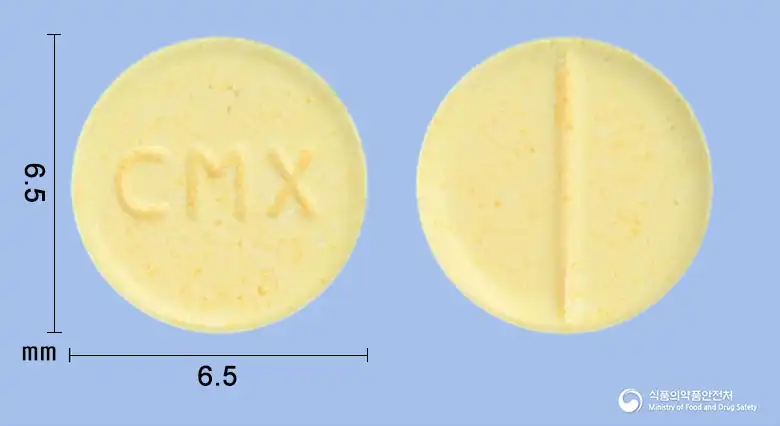
This medicine is a yellow round tablet.
For domestic use: 100 tablets/PTP (10 tablets/PTP x 10)\nFor export: 100 tablets/bottle, 30 tablets/PTP (10 tablets/PTP x 3), 100 tablets/PTP (10 tablets/PTP x 10), 100 tablets/Foil (10 tablets/Foil x 10), 30 tablets/Foil (10 tablets/Foil x 3)
Even with the same ingredient, strength, dosage form and how it is taken can differ.
Viewing nowMethotrexate 2.5mg
Tablet · Prescription medication
Korean Biochem Pharmaceutical Co., Ltd.
Methotrexate 25mg
Prescription medication
JW Pharmaceutical Corp.

Methotrexate 2.5mg
Tablet · Prescription medication
(Yuhan Corporation)
Methotrexate 25mg
Prescription medication
(Yuhan Corporation)
Methotrexate
Prescription medication
JW Pharmaceutical Corp.
Methotrexate 5g
Injections · Prescription medication
Pfizer Korea Pharmaceuticals Inc.
Methotrexate 1g
Injections · Prescription medication
Pfizer Korea Pharmaceuticals Ltd.
Methotrexate 25mg
Injections · Prescription medication
Korea Pfizer Pharmaceutical Co., Ltd.
Even with the same ingredient, the dose and directions can differ by strength and dosage form. Talk to a doctor or pharmacist before switching from a medication you are already taking.
No questions yet.
For anything that needs medical judgment, consult a doctor or pharmacist.
This drug information is based on data provided by the Korea Ministry of Food and Drug Safety.
Consult a doctor or pharmacist for accurate dosage, administration, and usage instructions.