
 한국어
 English
 日本語
 中文(简体)
Dosage form image
Viewing nowRevlimid Capsule 7.5mg (Lenalidomide)
Lenalidomide Hydrate 7.76mg
Prescription medication
Celgene Corp.
MFDS item code 201600614 · Approved 2016.01.29
This product's status changed to Company closed on 2024.10.16. It may no longer be sold, so consult a doctor or pharmacist before taking it.
Treatment of multiple myeloma, anemia due to myelodysplastic syndromes, and lymphoma (mantle cell and follicular)
This medication is used in various treatment stages of multiple myeloma. It is used in combination with dexamethasone for the treatment of patients who have received one or more prior therapies, and in newly diagnosed patients, administered with dexamethasone or melphalan, prednisone depending on transplant eligibility. It is also used for maintenance therapy in patients who have undergone autologous hematopoietic stem cell transplantation. Additionally, it is used for the treatment of transfusion-dependent anemia in patients with lower-risk or intermediate-1 risk myelodysplastic syndromes associated with 5q chromosomal deletion. Furthermore, it is used to treat patients with previously treated mantle cell lymphoma and follicular lymphoma and is administered in combination with rituximab for follicular lymphoma. This medication is effectively used for the treatment of hematologic cancers and related diseases.
1. Multiple myeloma 1) Combination therapy with dexamethasone for the treatment of patients who have received at least one prior therapy Treatment should not be initiated if the absolute neutrophil count is <1,000/㎕ and/or the platelet count is <75,000/㎕. The recommended starting dose is 25mg once daily. Take 25mg capsules on days 1~21 of each 28-day cycle. The recommended dose of dexamethasone, based on a 28-day cycle, is 40mg once daily on days 1~4, 9~12, and 17~20 for the first 4 cycles. After 4 cycles, administer 40mg once daily only on days 1~4 of each 28-day cycle. Dose adjustment during treatment ① Dose adjustment according to platelet count If decreased to <30,000/㎕: Interrupt treatment and monitor complete blood counts weekly When recovered to ≧30,000/㎕: Resume treatment at 15mg once daily If subsequently decreased to <30,000/㎕: Interrupt treatment When recovered to ≧30,000/㎕: Resume at a dose reduced by 5mg from the dose being administered. Do not reduce the dose to less than 5mg once daily. ② Dose adjustment according to absolute neutrophil count (Absolute Neutrophil Count: ANC) If decreased to <1,000/㎕: Interrupt treatment, add G-CSF, and monitor complete blood counts weekly When recovered to ≧1,000/㎕ and neutropenia is the only toxicity: Resume treatment at 25mg once daily When recovered to ≧1,000/㎕ and other toxicities have occurred: Resume treatment at 15mg once daily If subsequently decreased to <1,000/㎕: Interrupt treatment When recovered to ≧1,000/㎕: Resume at a dose reduced by 5mg from the dose being administered. Do not reduce the dose to less than 5mg once daily. For neutropenia, use of growth factors should be considered for patient management. 2) Combination therapy with dexamethasone for the treatment of newly diagnosed patients who are not eligible for transplantation Treatment should not be initiated if the absolute neutrophil count is <1,000/㎕ and/or the platelet count is <50,000/㎕. The recommended starting dose is 25mg once daily. Take 25 mg capsules on days 1~21 of each 28-day cycle. The recommended dose of dexamethasone, based on a 28-day cycle, is 40mg once daily on days 1, 8, 15, and 22. For patients aged 75 years or older, the recommended dose of dexamethasone, based on a 28-day cycle, is 20mg once daily on days 1, 8, 15, and 22. Continue treatment until disease worsens or unacceptable toxicity occurs. <Dose reduction steps> This drug: Starting dose 25 mg; 1st dose reduction 20 mg; 2nd dose reduction 15 mg; 3rd dose reduction 10 mg; 4th dose reduction 5 mg; 5th dose reduction 2.5 mg Dexamethasone: Starting dose 40 mg; 1st dose reduction 20 mg; 2nd dose reduction 12 mg; 3rd dose reduction 8 mg; 4th dose reduction 4 mg; 5th dose reduction N/A If decreased to <25,000/㎕: Interrupt administration of this drug and dexamethasone and monitor complete blood counts weekly When recovered to ≧50,000/㎕: Resume at a dose reduced by one level from the dose being administered If decreased to <500/㎕: Interrupt administration of this drug and dexamethasone and monitor complete blood counts weekly When recovered to ≧1,000/㎕ and neutropenia is the only toxicity: Resume treatment at the starting dose When recovered to ≧500/㎕ and dose-dependent hematologic toxicity other than neutropenia has occurred: Resume at a dose reduced by one level from the dose being administered If subsequently decreased to <500/㎕: Interrupt administration of this drug and dexamethasone When recovered to ≧500/㎕: Resume at a dose reduced by one level from the dose being administered For neutropenia, use of growth factors should be considered for patient management. Dose adjustment for febrile neutropenia (fever≥38.5℃ and ANC<1,000/㎕): Interrupt treatment and monitor complete blood counts weekly. If the patient is not receiving a growth factor, use of a growth factor should be considered. On the first day of the next treatment cycle, if neutropenia is the only dose-limiting toxicity, resume treatment at the dose being administered, continuing use of a growth factor if necessary. Otherwise, resume treatment at a dose reduced by one level from the dose being administered. If the patient is not receiving a growth factor, administer a growth factor. If the dose of this drug was reduced due to hematologic dose-limiting toxicity (dose limiting toxicity, DLT), and treatment is continued until bone marrow function improves (no dose-limiting toxicity (DLT) for at least 2 consecutive cycles, and absolute neutrophil count≥1,500/㎕ and platelet count ≥100,000/㎕ at the start of a new cycle at the current dose level), treatment may be resumed at an increased dose of this drug, at the physician’s discretion (up to the maximum starting dose). 3) Combination therapy with melphalan and prednisolone for the treatment of newly diagnosed patients who are not eligible for transplantation Treatment should not be initiated if the absolute neutrophil count is <1,500/㎕ and/or the platelet count is <75,000/㎕. The recommended starting dose is 10mg once daily. Take 10 mg capsules on days 1~21 of each 28-day cycle. Through cycle 9, administer melphalan orally at a dose of 0.18mg/kg on days 1~4 of each 28-day cycle, and administer prednisolone orally at a dose of 2mg/kg on days 1~4 of each 28-day cycle. For patients who have completed 9 cycles or who cannot complete combination therapy because of intolerance, administer this drug alone at 10mg once daily on days 1~21 of each 28-day cycle until disease worsens. <Dose reduction steps> This drug: Starting dose 10 mg; 1st dose reduction 7.5 mg; 2nd dose reduction 5 mg; 3rd dose reduction 2.5 mg Melphalan: Starting dose 0.18 mg/kg; 1st dose reduction 0.14 mg/kg; 2nd dose reduction 0.10 mg/kg; 3rd dose reduction N/A Prednisolone: Starting dose 2 mg/kg; 1st dose reduction 1 mg/kg; 2nd dose reduction 0.5 mg/kg; 3rd dose reduction 0.25 mg/kg If decreased to <25,000/㎕: Interrupt administration of this drug, melphalan, and prednisolone and monitor complete blood counts weekly When recovered to ≧25,000/㎕: Resume treatment with this drug and melphalan at doses reduced by one level If subsequently decreased to <30,000/㎕: Interrupt administration of this drug, melphalan, and prednisolone When recovered to ≧30,000/㎕: Resume treatment with this drug and melphalan at doses reduced by one level from the doses being administered If decreased to <500/㎕: Interrupt administration of this drug, melphalan, and prednisolone and monitor complete blood counts weekly When recovered to ≧500/㎕ and neutropenia is the only toxicity: Resume treatment at the starting dose When recovered to ≧500/㎕ and dose-dependent hematologic toxicity other than neutropenia has occurred: Resume treatment with this drug and melphalan at doses reduced by one level If subsequently decreased to <500/㎕: Interrupt administration of this drug, melphalan, and prednisolone When recovered to ≧500/㎕: Resume treatment with this drug and melphalan at doses reduced by one level from the doses being administered For neutropenia, use of growth factors should be considered for patient management. Dose adjustment for febrile neutropenia (fever≥38.5℃ and ANC<1,000/㎕): Interrupt administration of this drug, melphalan, and prednisolone and monitor complete blood counts weekly. If the patient is not receiving a growth factor, use of a growth factor should be considered. On the first day of the next treatment cycle, if neutropenia is the only dose-limiting toxicity, resume treatment at the dose being administered, continuing use of a growth factor if necessary. Otherwise, resume treatment at a dose reduced by one level from the dose being administered. If the patient is not receiving a growth factor, administer a growth factor. 4) Combination therapy with bortezomib and dexamethasone for the treatment of newly diagnosed patients (1) Combination therapy with bortezomib and dexamethasone for the treatment of newly diagnosed patients who are not eligible for transplantation Treatment should not be initiated if the absolute neutrophil count is <1,000/㎕ and/or the platelet count is <80,000/㎕. The recommended starting dose of this drug is 25mg once daily, taken on days 1~14 of each 21-day cycle. Bortezomib is administered by subcutaneous injection at a dose of 1.3mg/m2 per body surface area on days 1, 4, 8, and 11 of each 21-day cycle. The recommended dose of dexamethasone is 20mg once daily, taken on days 1, 2, 4, 5, 8, 9, 11, and 12 of each 21-day cycle. Patients should receive 8 cycles (total 24 weeks) of treatment as initial therapy. After initial therapy, take 25mg of this drug once daily in combination with dexamethasone on days 1-21 of each 28-day cycle. The recommended dosage of dexamethasone is 40mg once daily on days 1, 8, 15, and 22 of each 28-day cycle. For patients aged 75 years or older, the starting dose of dexamethasone is 20mg once daily on days 1, 8, 15, and 22 of each 28-day cycle. Treatment may continue until disease progression or unacceptable toxicity occurs. (2) Induction combination therapy with dexamethasone and bortezomib for the treatment of newly diagnosed patients eligible for transplantation Treatment should not be initiated if the absolute neutrophil count is <1,000/㎕ and/or the platelet count is <80,000/㎕. The recommended starting dose of this drug is 25mg once daily, taken on days 1~21 of each 28-day cycle. Bortezomib is administered by subcutaneous injection at a dose of 1.3mg/m2 per body surface area on days 1, 4, 8, and 11 of each 28-day cycle. The recommended dose of dexamethasone is 40mg once daily, taken on days 1-4 and 9-12 of each 28-day cycle. Patients should receive 6 cycles (total 24 weeks) of treatment as induction therapy. <Dose reduction steps>: Starting dose 25 mg; 1st dose reduction 20 mg; 2nd dose reduction 15 mg; 3rd dose reduction 10 mg; 4th dose reduction 5 mg; 5th dose reduction 2.5 mg If decreased to <30,000/㎕: Interrupt treatment and monitor complete blood counts weekly When recovered to ≧50,000/㎕: Resume at a dose reduced by one level from the dose being administered If subsequently decreased to <30,000/㎕: Interrupt treatment When recovered to ≧50,000/㎕: Resume at a dose reduced by one level from the dose being administered If decreased to <500/㎕: Interrupt treatment and monitor complete blood counts weekly When recovered to ≧1,000/㎕ and neutropenia is the only toxicity: Resume treatment at the starting dose When recovered to ≧500/㎕ and dose-dependent hematologic toxicity other than neutropenia has occurred: Resume at a dose reduced by one level from the dose being administered If subsequently decreased to <500/㎕: Interrupt treatment When recovered to ≧500/㎕: Resume at a dose reduced by one level from the dose being administered For neutropenia, use of growth factors should be considered for patient management. *Refer to the prescribing information for the concomitant drug for dose adjustments. 5) Maintenance therapy in patients who have undergone autologous hematopoietic stem cell transplantation after newly diagnosed disease Maintenance therapy with this drug should be initiated in patients with no evidence of disease progression after adequate hematologic recovery following autologous hematopoietic stem cell transplantation. Treatment should not be initiated if the absolute neutrophil count is <1,000/㎕ and/or the platelet count is <75,000/㎕. The recommended starting dose is 10mg once daily. Take 10 mg capsules on days 1~28 of each 28-day cycle until intolerance or disease progression occurs. After 3 cycles of maintenance therapy with this drug, the dose may be increased to 15mg once daily if tolerated. <Dose reduction steps>: Starting dose (10mg) 1st dose reduction 5 mg, 2nd dose reduction 5mg (days 1~21 of a 28-day cycle), 3rd dose reduction N/A; if the dose was increased (15mg)* 1st dose reduction 10 mg, 2nd dose reduction 5 mg, 3rd dose reduction 5mg (days 1~21 of a 28-day cycle) Do not reduce the dose to less than 5mg (days 1~21 of a 28-day cycle). *After 3 cycles of maintenance therapy with this drug, the dose may be increased to 15mg once daily if tolerated. If decreased to <30,000/㎕: Interrupt treatment and monitor complete blood counts weekly When recovered to ≧30,000/㎕: Resume treatment at a dose reduced by one level If subsequently decreased to <30,000/㎕: Interrupt treatment When recovered to ≧30,000/㎕: Resume treatment at a dose reduced by one level from the dose being administered If decreased to <500/㎕: Interrupt treatment and monitor complete blood counts weekly When recovered to ≧500/㎕: Resume treatment at a dose reduced by one level If subsequently decreased to <500/㎕: Interrupt treatment When recovered to ≧500/㎕: Resume treatment at a dose reduced by one level from the dose being administered For neutropenia, use of growth factors should be considered for patient management. 2. Myelodysplastic syndromes Treatment should not be initiated if the absolute neutrophil count is <500/㎕ and/or the platelet count is <25,000/㎕. The recommended starting dose is 10mg once daily. Take 10 mg capsules on days 1~21 of each 28-day cycle. <Dose reduction steps>: Starting dose 10 mg once daily on days 1~21 of a 28-day cycle; 1st dose reduction 5 mg once daily on days 1~28 of a 28-day cycle; 2nd dose reduction 2.5 mg once daily on days 1~28 of a 28-day cycle; 3rd dose reduction 2.5 mg every other day on days 1~28 of a 28-day cycle If decreased to <25,000/㎕: Interrupt treatment and monitor complete blood counts weekly When recovered to ≧50,000/㎕ or recovered to ≧25,000/㎕~<50,000/㎕ at least 2 times over 7 days or longer: Resume at a dose reduced by one level from the dose being administered If decreased to <500/㎕: Interrupt treatment and monitor complete blood counts weekly When recovered to ≧500/㎕: Resume at a dose reduced by one level from the dose being administered For neutropenia, use of growth factors should be considered for patient management. Treatment with this drug should be discontinued in patients who do not have at least a minor erythroid response within 4 months after starting treatment (demonstrated by at least a 50% reduction in transfusion requirements or, if no transfusions were given, an increase in hemoglobin level of 1g/dl). 3. Mantle cell lymphoma The recommended starting dose is 25mg once daily. Take 25mg capsules on days 1~21 of each 28-day cycle. <Dose reduction steps>: Starting dose 25mg once daily on days 1~21 of a 28-day cycle; 1st dose reduction 20mg once daily on days 1~21 of a 28-day cycle; 2nd dose reduction 15mg once daily on days 1~21 of a 28-day cycle; 3rd dose reduction 10mg once daily on days 1~21 of a 28-day cycle; 4th dose reduction 5mg once daily on days 1~21 of a 28-day cycle; 5th dose reduction 2.5mg once daily on days 1~21 of a 28-day cycle; 5mg every other day on days 1~21 of a 28-day cycle If decreased to <50,000/㎕: Interrupt treatment and monitor complete blood counts weekly When recovered to ≧60,000/㎕: Resume at a dose reduced by one level from the dose being administered If subsequently decreased to <50,000/㎕: Interrupt treatment and monitor complete blood counts weekly When recovered to ≧60,000/㎕: Resume at a dose reduced by one level from the dose being administered Do not reduce the dose to less than 2.5mg once daily or 5mg every other day. If decreased to <1,000/㎕ for at least 7 days, or decreased to <1,000/㎕ with fever (body temperature≧38.5℃), or decreased to <500/㎕: Interrupt treatment and monitor complete blood counts weekly When recovered to ≧1,000/㎕: Resume at a dose reduced by one level from the dose being administered If subsequently decreased to <1,000/㎕ for at least 7 days, or decreased to <1,000/㎕ with fever (body temperature≧38.5℃), or decreased to <500/㎕: Interrupt treatment. When recovered to ≧1,000/㎕: Resume at a dose reduced by one level from the dose being administered Do not reduce the dose to less than 2.5mg once daily or 5mg every other day. For neutropenia, use of growth factors should be considered for patient management. 4. Follicular lymphoma Treatment should not be initiated if the absolute neutrophil count is <1,000/㎕ and/or the platelet count is <50,000/㎕ (except when secondary to lymphoma infiltration of the bone marrow). The recommended starting dose is 20mg once daily. Take 20mg capsules on days 1~21 of each 28-day cycle. Take for a maximum of 12 treatment cycles. The recommended starting dose of rituximab is based on a 28-day cycle, with 375 mg/m2 administered intravenously weekly during cycle 1 (days 1, 8, 15, and 22). During cycles 2~5, administer 375 mg/m2 intravenously only on day 1 of each 28-day cycle. <Dose reduction steps>: Starting dose 20mg once daily on days 1~21 of a 28-day cycle; 1st dose reduction 15mg once daily on days 1~21 of a 28-day cycle; 2nd dose reduction 10mg once daily on days 1~21 of a 28-day cycle; 3rd dose reduction 5mg once daily on days 1~21 of a 28-day cycle For dose adjustment due to rituximab toxicity, refer to the relevant product information. If decreased to <50,000/㎕: Interrupt administration of this drug and monitor complete blood counts weekly When recovered to ≥50,000/㎕: Resume at a dose reduced by one level from the dose being administered If subsequently decreased to <50,000/㎕: Interrupt administration of this drug and monitor complete blood counts weekly When recovered to ≥50,000/㎕: Resume at a dose reduced by one level from the dose being administered Do not reduce the dose to less than 5mg once daily. If decreased to <1,000/㎕ for at least 7 days, or decreased to <1,000/㎕ with fever (body temperature≥38.5°C), or decreased to <500/㎕: Interrupt administration of this drug and monitor complete blood counts weekly When recovered to ≥1,000/㎕: Resume at a dose reduced by one level from the dose being administered If subsequently decreased to <1,000/㎕ for at least 7 days, or decreased to <1,000/㎕ with fever (body temperature≥38.5°C), or decreased to <500/㎕: Interrupt administration of this drug and monitor complete blood counts weekly When recovered to ≥1,000/㎕: Resume at a dose reduced by one level from the dose being administered Do not reduce the dose to less than 5mg once daily. Table 14. Mantle cell lymphoma or follicular lymphoma Tumor lysis syndrome (Tumor lysis syndrome, TLS) All patients should receive prophylaxis for tumor lysis syndrome (allopurinol, rasburicase, or an equivalent regimen according to institutional treatment guidelines) and should receive adequate oral hydration during the first week of the first treatment cycle or for a longer period if clinically necessary. To monitor for tumor lysis syndrome, patients should have a chemistry panel performed during the first cycle and weekly if clinically necessary. For patients with laboratory tumor lysis syndrome (laboratory TLS) or grade 1 clinical tumor lysis syndrome (clinical TLS), this drug may be continued at the same dose or, at the physician’s discretion, continued at a dose reduced by one level. Provide adequate intravenous hydration and appropriate medical management in accordance with standard treatment until electrolyte abnormalities are corrected. Treatment with rasburicase may be necessary to reduce hyperuricemia. Hospitalization is at the physician’s discretion. For patients with grade 2-4 clinical tumor lysis syndrome, discontinue this drug and perform a chemistry panel weekly or as clinically necessary. Provide adequate intravenous hydration and appropriate medical management in accordance with standard treatment until electrolyte abnormalities are corrected. Rasburicase treatment and hospitalization are at the physician’s discretion. When tumor lysis syndrome improves to grade 0, resume treatment at a dose reduced by one level, at the physician’s discretion. Tumor flare reaction (tumor flare reaction, TFR) For patients who develop a grade 1/2 tumor flare reaction, treatment with this drug may continue without interruption or dose reduction, at the prescriber’s discretion. At the prescriber’s discretion, non-steroidal anti-inflammatory drugs (non-steroidal anti-inflammatory drugs, NSAIDs), a limited course of corticosteroids, and/or opioid analgesics may be administered. For patients who develop a grade 3/4 tumor flare reaction, discontinue this drug and initiate treatment with non-steroidal anti-inflammatory drugs, corticosteroids, and/or opioid analgesics. When the reaction resolves to grade 1 or lower, resume treatment at the same dose for the remainder of the cycle. Symptoms may be managed according to the guidance for treatment of grade 1/2 tumor flare reaction. 5. Dose adjustment for other grade 3/4 toxicities If other grade 3/4 toxicities related to this drug occur, interrupt treatment. When toxicity improves to grade 2 or lower, resume treatment, at the prescriber’s discretion, at a dose reduced by one level from the dose being administered. 6. This drug should not be administered to patients with a history of grade 4 rash caused by thalidomide. For grade 2-3 skin rash, interruption or discontinuation of this drug should be considered. If angioedema, an anaphylactic reaction, grade 4 rash, exfoliative or bullous rash occurs, or Stevens-Johnson syndrome, toxic epidermal necrolysis, or drug reaction with eosinophilia and systemic symptoms (DRESS syndrome) is suspected, treatment should be discontinued and must not be resumed even after these reactions resolve. 7. Dose in patients with renal impairment As this drug is excreted through the kidneys, toxicity may be greater in patients with renal impairment. Since renal impairment is more common in older patients, care is required when selecting the dose, and careful monitoring of renal function is necessary. The initial doses for patients with renal impairment are as follows. Patients who are not receiving dialysis with creatinine clearance less than 11 mL/min and patients with creatinine clearance less than 7 mL/min have not been studied. Table 15. Initial dose in patients with renal impairment_Multiple myeloma or mantle cell lymphoma Moderate renal impairment, 30 ≤ CLcr <50mL/min: Dose adjustment for multiple myeloma/mantle cell lymphoma 10mg once daily*; dose adjustment for maintenance therapy after transplantation 5mg once daily Severe renal impairment, CLcr <30mL/min (patients not receiving dialysis): Dose adjustment for multiple myeloma/mantle cell lymphoma 7.5mg once daily or 15mg every other day; dose adjustment for maintenance therapy after transplantation 2.5mg once daily End-stage renal disease, CLcr <30mL/min (patients receiving dialysis): Dose adjustment for multiple myeloma/mantle cell lymphoma 5mg once daily, administer after dialysis on dialysis days; dose adjustment for maintenance therapy after transplantation 2.5mg once daily, administer after dialysis on dialysis days *After the second treatment cycle, the dose may be increased to 15mg once daily if the patient has not responded to treatment and tolerates it. Table 16. Initial dose in patients with renal impairment_Myelodysplastic syndromes Moderate renal impairment, 30 ≤ CLcr <50mL/min: Starting dose 5mg once daily (days 1 ~ 21 of each 28-day cycle); 1st dose reduction 2.5mg once daily (days 1 ~ 28 of each 28-day cycle); 2nd dose reduction 2.5mg every other day (days 1 ~ 28 of each 28-day cycle) Severe renal impairment, CLcr <30mL/min (patients not receiving dialysis): Starting dose 2.5mg once daily (days 1 ~ 21 of each 28-day cycle); 1st dose reduction 2.5mg every other day (days 1 ~ 28 of each 28-day cycle); 2nd dose reduction 2.5mg twice weekly (days 1 ~ 28 of each 28-day cycle) End-stage renal disease, CLcr <30mL/min (patients receiving dialysis): Starting dose 2.5mg once daily (days 1 ~ 21 of each 28-day cycle); 1st dose reduction 2.5mg every other day (days 1 ~ 28 of each 28-day cycle); 2nd dose reduction 2.5mg twice weekly (days 1 ~ 28 of each 28-day cycle) Administer after dialysis on dialysis days Moderate-to-severe renal impairment, 30 ≤ CLcr < 60mL/min: Dose adjustment for follicular lymphoma (days 1 ~ 21 of each 28-day cycle) 10mg once daily1,2 Severe renal impairment, CLcr < 30mL/min (patients not receiving dialysis): No data3 End-stage renal disease, CLcr < 30mL/min (patients receiving dialysis): No data3 Table 17. Dose in patients with renal impairment_Follicular lymphoma ¹After the second treatment cycle, the dose may be increased to 15mg once daily if the patient tolerates it. 2For patients receiving an initial dose of 10mg who require dose reduction due to grade 3/4 neutropenia or thrombocytopenia, or other grade 3/4 toxicity considered related to this drug, do not reduce the dose below 5mg every other day or 2.5mg once daily. 3Patients with severe and end-stage renal impairment were excluded from clinical trials. After initiating treatment with this drug, dose adjustment in patients with renal impairment should be made according to the individual patient’s tolerability, as described above. 8. Take with water. Do not crush, chew, or open the capsules. The dose may be adjusted based on clinical or laboratory test results.
This drug should never be used during pregnancy as it can cause serious birth defects or miscarriage. Women of childbearing potential must take two pregnancy tests before taking this drug, and effective contraception or abstaining from sexual relations must be used for 4 weeks during and after treatment. This drug can only be prescribed and dispensed by healthcare providers registered in a specific risk management program, and patients must also comply with the program's regulations. During treatment, routine blood tests should be conducted to monitor white blood cell and platelet counts to detect and manage hematological side effects early. There is a risk of cardiovascular side effects such as myocardial infarction or thrombosis, so patients with cardiovascular risk factors should be monitored particularly closely. As the risk of thromboembolism increases, patients with a history of thrombosis or risk factors need preventive measures, and treatment should be sought promptly if symptoms appear. This medication may increase the risk of secondary primary malignant tumors, requiring regular cancer screenings and observations before and during treatment. Liver function abnormalities or liver failure may occur, hence regular liver function tests are necessary, and patients with a history of liver disease should be especially cautious. Patients with impaired renal function need dosage adjustment and renal function monitoring. Tumor lysis syndrome or tumor flare reactions may occur, so careful observation and management are necessary in patients with high tumor burden, especially at the initial stages of treatment. The risk of infections may be elevated; thus, if symptoms of infection appear, immediate notification to healthcare providers is necessary, and patients with infection risk factors need to be particularly careful. Due to the potential for virus reactivation, patients with a history of hepatitis B or shingles need to check their viral status before treatment and monitor it during treatment. Serious neurological abnormalities such as progressive multifocal leukoencephalopathy have been reported; immediate evaluation and action are required if new or worsening neurological symptoms arise. There might be an increased mortality risk when this drug is combined with certain immunotherapies, so co-administration should be determined cautiously. Long-term use may increase the risk of cataracts; therefore, it's advisable to regularly check for changes in vision. This medication may cause various side effects, thus regular blood tests and physical examinations should be conducted to detect and manage adverse reactions early. Severe skin reactions, anaphylaxis, angioedema may occur, and immediate notification to healthcare providers is necessary if symptoms arise. This medication contains lactose and should not be administered to patients with lactose intolerance.
Skeletal malformation, congenital malformation, miscarriage, neutropenia, thrombocytopenia, febrile reaction, bleeding, myocardial infarction, venous thromboembolism, arterial thromboembolism, secondary primary malignant tumor, acute myeloid leukemia, myelodysplastic syndrome, solid tumors, liver failure, acute liver failure, toxic hepatitis, cell lysis hepatitis, cholestatic hepatitis, vascular edema, anaphylactic reaction, Stevens-Johnson syndrome, toxic epidermal necrolysis, drug rash syndrome associated with eosinophilia and systemic symptoms, pulmonary hypertension, tumor lysis syndrome, infection, pneumonia, renal failure, rash, fatigue, constipation, diarrhea, muscle cramps, anemia, thrombocytopenia, fever, decreased appetite, cough, weakness, insomnia, back pain, asthenia, cataract, blurry vision, decreased vision, blindness, hearing loss, tinnitus, atrial fibrillation, bradycardia, congestive heart failure, tachycardia, heart failure, myocardial ischemia, arrhythmia, QT prolongation, atrial flutter, premature ventricular contraction, hypotension, hypertension, petechiae, vasculitis, ischemia, peripheral ischemia, intracranial venous sinus thrombosis, respiratory distress, epistaxis, respiratory impairment, pleuritic pain, hypoxia, speech disturbance, abdominal pain, nausea, vomiting, dyspepsia, dry mouth, stomatitis, gastrointestinal bleeding, small bowel obstruction, colitis, appendicitis, alanine aminotransferase elevation, aspartate aminotransferase elevation, hepatotoxicity, hepatocyte damage, hyperbilirubinemia, abnormal liver function tests, urticaria, sweating, dry skin, skin pigmentation, eczema, erythema, drug rash, skin depigmentation, photosensitivity reaction, muscle weakness, bone pain, musculoskeletal and connective tissue pain, arthralgia, limb pain, myalgia, joint swelling, renal failure, hematuria, urinary retention, incontinence, acquired Fanconi syndrome, erectile dysfunction, edema, influenza-like symptoms, chest pain, drowsiness, increased serum alkaline phosphatase, increased C-reactive protein, falls, contusions, pneumonia, septic shock, influenza, bacterial sepsis, pneumococcal sepsis, septic shock, staphylococcal sepsis, pneumocystis pneumonia, pulmonary infection, bronchitis, respiratory infection, urinary tract infection, small bowel and colon infection, sepsis, pulmonary infection, urinary tract infection, sinusitis, basal cell carcinoma, squamous cell skin cancer, T-cell acute leukemia, hemolysis, autoimmune hemolytic anemia, hypercoagulability, coagulopathy, hypersensitivity, hypothyroidism, hypokalemia, hyperglycemia, hypoglycemia, hypocalcemia, hyponatremia, dehydration, diabetes, hypophosphatemia, hyperuricemia, hypercalcemia, depression, insomnia, decreased libido, paresthesia, dizziness, tremor, dysgeusia, headache, stroke, syncope, neuritis, ataxia, impaired balance, intracranial hemorrhage, transient ischemic attack, cerebral ischemia, adrenal insufficiency, Cushing's syndrome, inappropriate antidiuretic hormone secretion, cervical dysplasia, diplopia, conjunctival hemorrhage, borderline glaucoma, myopia, dry eyes, eyelid swelling, eye pain, retinal disorders, retinal disease, diplopia, blepharitis, periorbital edema, cardiac effusion, stress cardiomyopathy, subendocardial ischemia, cardiac arrest, Prinzmetal angina, restrictive cardiomyopathy, cardiac arrest, benign prostatic hyperplasia, female genital fistula, vaginal discharge, vaginal bleeding, perineal rash, hyperbilirubinemia, liver dysfunction, fatty liver, acute cholangitis, acute cholecystitis, biliary stone, jaundice, flushing, shock, ear discomfort, ear pus, hearing loss, splenomegaly, hemolytic uremic syndrome, increased serum creatinine, weight gain, decreased renal creatinine clearance, increased serum alkaline phosphatase, increased international normalized ratio, positive influenza A virus test, increased blood urea, increased serum lactate dehydrogenase, anxiety, sleep disorders, hiccups, abdominal distension, gastroesophageal reflux disease, oral pain, dental pain, oral ulcer formation, chronic gastritis, gastritis, dental caries, hemorrhoids, ascites, ischemic colitis, colonic ulcers, colonic perforation, colonic polyps, epigastric discomfort, erosive esophagitis, esophagitis, gastric ulcer, gum swelling, hemorrhagic diverticulitis, bowel obstruction, intestinal obstruction, rectal pain, periodontal disease, anal erosion, melena, pleural effusion, asthma, rhinorrhea, hemoptysis, acute respiratory distress syndrome, bronchiectasis, pneumothorax, chronic obstructive pulmonary disease, congestion, tachypnea, oropharyngeal pain, mediastinal emphysema, pulmonary arterial hypertension, pulmonary edema, pulmonary congestion, pulmonary masses, obstructive bronchiolitis, respiratory abnormalities, pleuritic pain, peripheral neuropathy, dementia, liver-derived muscle cramps, neurogenic pain, speech disorders, epilepsy, intracranial mass, chronic polyneuropathy, myelomeningocele, head discomfort, hemiplegia, seizures, neuritis, uremic encephalopathy, cognitive impairment, jaw numbness syndrome, third cranial nerve palsy, Parkinson's disease, postherpetic neuralgia, action tremor, hyperkalemia, hypercalcemia, hypoalbuminemia, hypoglycemia, hyperphosphatemia, diabetic ketoacidosis, metabolic acidosis, iron deficiency, delirium, agitation, bipolar disorder, changes in mental state, attention deficit disorder, rib fractures, limb injuries, upper extremity fractures, spinal fractures, femoral neck fractures, femoral fractures, radiation pneumonia, bone fragment formation, laceration, traumatic fractures, lumbar fractures, ligament sprains, spinal cord injury, dental fractures, forearm fractures, thoracic spine fractures, urinary discomfort, end-stage renal disease, polyuria, nocturia, urinary anomalies, urethral discharge, mucosal inflammation, edema, multiple organ failure, multiple organ dysfunction, heat sensation, injection site pain, chest discomfort, papulosquamous rash, hair loss, skin reactions, skin lesions, skin peeling, subcutaneous hemorrhage, jaw pain, osteoporosis, anterior lumbar spinal displacement, joint stiffness, bone lysis, limb discomfort, rhabdomyolysis, chest wall mass, pustular rash, gingivitis, otitis media, increased serum creatinine, conjunctival hemorrhage, borderline glaucoma, myopia, dry eyes, eyelid swelling, eye pain, retinal disorders, retinal disease, diplopia, blepharitis, periorbital edema
Not everyone experiences these, and they can vary from person to person.
Store in a tightly closed container to protect from air and light. It is advisable to maintain a storage temperature between 15 and 30 degrees Celsius.
A hard capsule with a light yellow upper part and a white lower part filled with a white powder.
7 capsules/pack
Even with the same ingredient, strength, dosage form and how it is taken can differ.
Lenalidomide Hydrate 7.76mg
Prescription medication
Celgene Corp.
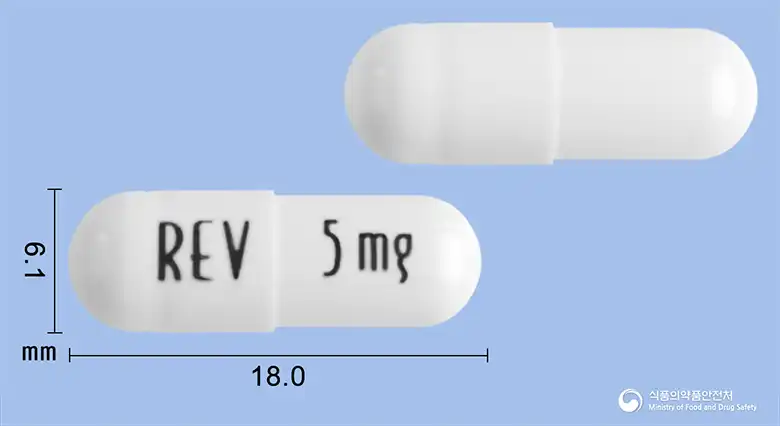
Lenalidomide Hemihydrate 5.17mg
Hard capsule · Prescription medication
(Yoo) Korea BMS Pharmaceuticals Co., Ltd.
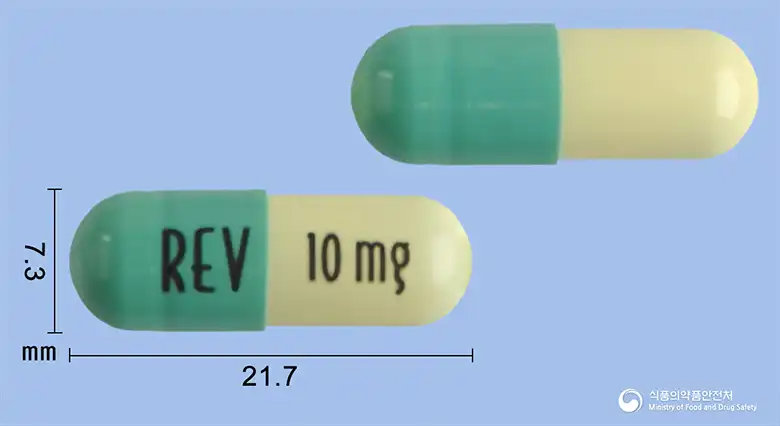
Lenalidomide Hemihydrate 10.35mg
Hard capsule · Prescription medication
Korea BMS Pharmaceutical Co., Ltd.
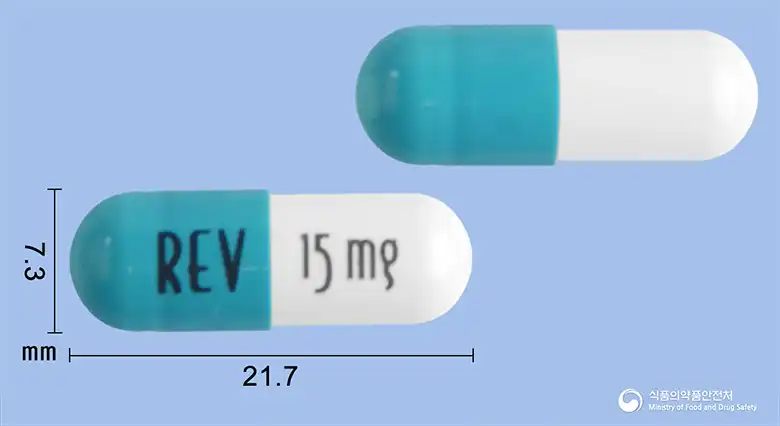
Lenalidomide Hemihydrate 15.52mg
Hard capsule · Prescription medication
(Yoo) Han-kook BMS Pharmaceutical Co., Ltd.
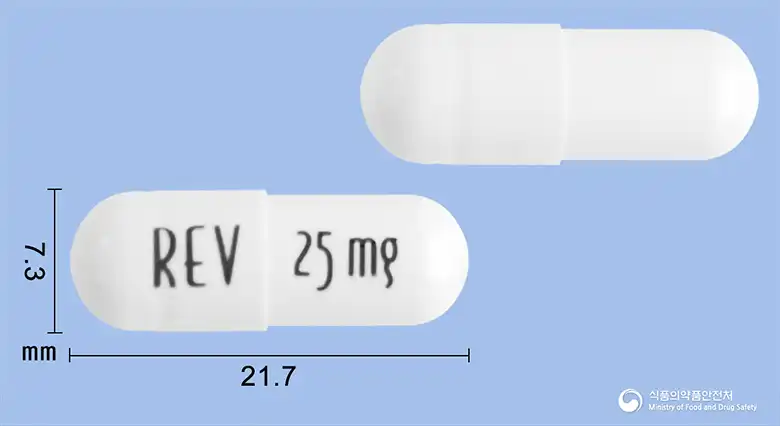
Lenalidomide Hemihydrate 25.87mg
Hard capsule · Prescription medication
Korea BMS Pharmaceutical Co., Ltd.
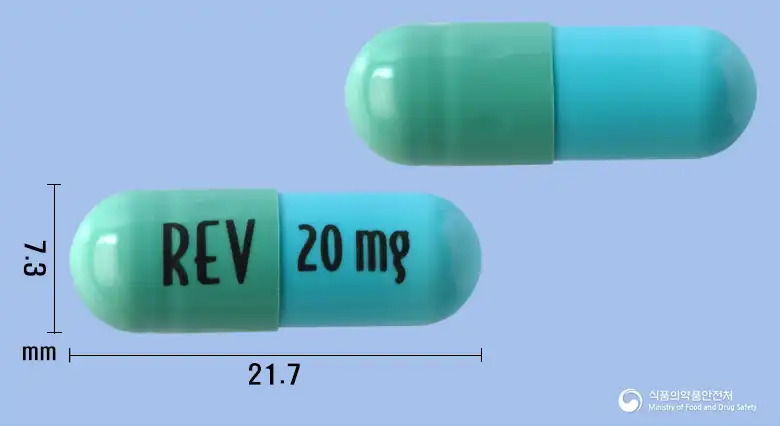
Lenalidomide Hydrate 20.7mg
Hard capsule · Prescription medication
Korean BMS Pharmaceutical Co., Ltd.
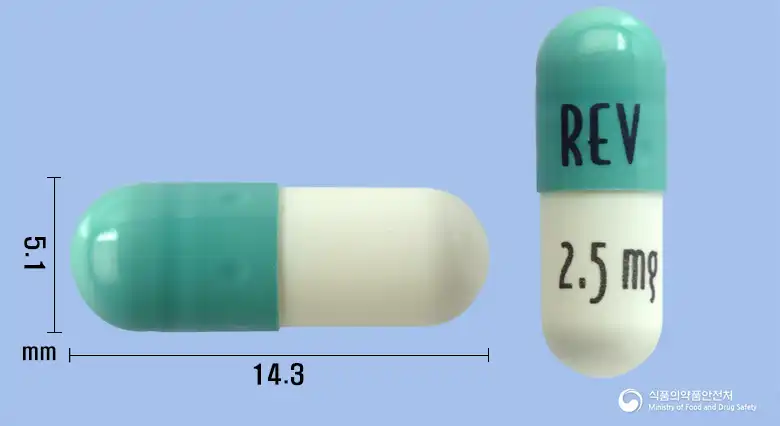
Lenalidomide Hydrate 2.59mg
Hard capsule · Prescription medication
Korea BMS Pharmaceutical Co., Ltd.
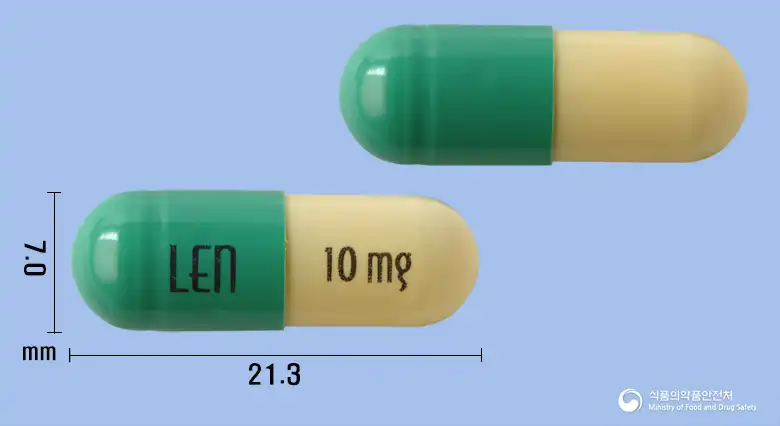
Lenalidomide Hemihydrate 10.35mg
Hard capsule · Prescription medication
Jongkundang Co., Ltd.
Even with the same ingredient, the dose and directions can differ by strength and dosage form. Talk to a doctor or pharmacist before switching from a medication you are already taking.
No questions yet.
For anything that needs medical judgment, consult a doctor or pharmacist.
This drug information is based on data provided by the Korea Ministry of Food and Drug Safety.
Consult a doctor or pharmacist for accurate dosage, administration, and usage instructions.