
 한국어
 English
 日本語
 中文(简体)
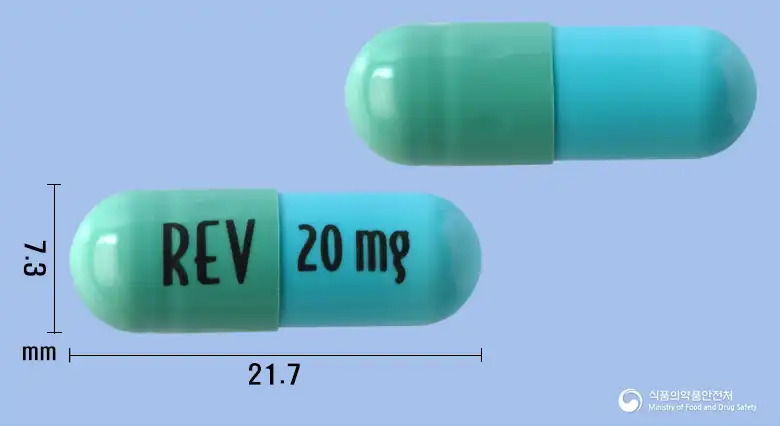 Viewing now
Lenalidomide Capsule 20 Milligrams (Lenalidomide)
Lenalidomide Hydrate 20.7mg
Hard capsule · Prescription medication
Korean BMS Pharmaceutical Co., Ltd.
MFDS item code 201600613 · Approved 2016.01.29 · Insurance code 658700910,691800140
Treatment of multiple myeloma, anemia due to myelodysplastic syndromes, and lymphoma (mantle cell and follicular)
This medication is used in the treatment of multiple myeloma, increasing treatment efficacy when combined with dexamethasone for both previously treated patients and newly diagnosed patients. It is also applicable for maintenance therapy in patients who have received autologous hematopoietic stem cell transplantation. It is used for the treatment of anemia in patients with myelodysplastic syndromes accompanied by 5q deletion who are at low or moderate risk. Additionally, it is effective in the treatment of previously treated mantle cell lymphoma and follicular lymphoma patients, particularly when combined with rituximab. In summary, this medication is widely used for the treatment of various hematological cancers and blood-related diseases.
This medicine should be administered only to patients who agree to comply with the requirements specified in the Pregnancy Prevention Program (see “5. General Precautions” under Precautions for Use). In addition, this medicine should be prescribed only by physicians enrolled in the Pregnancy Prevention Program and dispensed only by pharmacists enrolled in the program. When prescribed to women of childbearing potential, negative pregnancy test results must be confirmed continuously according to the schedule specified in the program. 1.Multiple myeloma 1) Combination therapy with dexamethasone for the treatment of patients who have received at least one prior therapy Treatment should not be initiated if the absolute neutrophil count is <1,000/㎕ and/or the platelet count is <75,000/㎕. The recommended initial dose is 25mg once daily. Take 25mg capsules on days 1~21 of each 28-day cycle. The recommended dose of dexamethasone is 40mg once daily on days 1~4, 9~12, and 17~20 of each of the first 4 cycles, based on a 28-day cycle. After 4 cycles, administer 40mg once daily only on days 1~4 of each 28-day cycle. Dose adjustments during treatment ① Dose adjustment according to platelet count Decrease to <30,000/㎕: Interrupt treatment and monitor complete blood counts weekly Recovery to ≧30,000/㎕: Resume treatment at 15mg once daily With each subsequent decrease to <30,000/㎕: Interrupt treatment Recovery to ≧30,000/㎕: Resume at a dose reduced by 5mg from the dose being administered. Do not reduce the dose below 5mg once daily. ② Dose adjustment according to absolute neutrophil count (Absolute Neutrophil Count : ANC) Decrease to <1,000/㎕: Interrupt treatment, add G-CSF, and monitor complete blood counts weekly Recovery to ≧1,000/㎕ when neutropenia is the only toxicity: Resume treatment at 25mg once daily Recovery to ≧1,000/㎕ when other toxicities have occurred: Resume treatment at 15mg once daily With each subsequent decrease to <1,000/㎕: Interrupt treatment Recovery to ≧1,000/㎕: Resume at a dose reduced by 5mg from the dose being administered. Do not reduce the dose below 5mg once daily. For neutropenia, use of growth factors should be considered for patient management. 2) Combination therapy with dexamethasone for the treatment of newly diagnosed patients who are ineligible for transplantation Treatment should not be initiated if the absolute neutrophil count is <1,000/㎕ and/or the platelet count is <50,000/㎕. The recommended initial dose is 25mg once daily. Take 25 mg capsules on days 1~21 of each 28-day cycle. The recommended dose of dexamethasone is 40mg once daily on days 1, 8, 15, and 22 of each 28-day cycle. For patients aged 75 years or older, the recommended dose of dexamethasone is 20mg once daily on days 1, 8, 15, and 22 of each 28-day cycle. Continue treatment until disease progression or unacceptable toxicity occurs. Dose adjustments during treatment <Dose reduction levels> This medicine/Dexamethasone Initial dose: 25 mg/40 mg 1st dose reduction: 20 mg/20 mg 2nd dose reduction: 15 mg/12 mg 3rd dose reduction: 10 mg/8 mg 4th dose reduction: 5 mg/4 mg 5th dose reduction: 2.5 mg/N/A ① Dose adjustment according to platelet count Decrease to <25,000/㎕: Interrupt this medicine and dexamethasone and monitor complete blood counts weekly Recovery to ≧50,000/㎕: Resume at a dose reduced by one level from the dose being administered ② Dose adjustment according to absolute neutrophil count (Absolute Neutrophil Count : ANC) Decrease to <500/㎕: Interrupt this medicine and dexamethasone and monitor complete blood counts weekly Recovery to ≧1,000/㎕ when neutropenia is the only toxicity: Resume treatment at the starting dose Recovery to ≧500/㎕ when dose-dependent hematologic toxicity other than neutropenia has occurred: Resume at a dose reduced by one level from the dose being administered With each subsequent decrease to <500/㎕: Interrupt this medicine and dexamethasone Recovery to ≧500/㎕: Resume at a dose reduced by one level from the dose being administered For neutropenia, use of growth factors should be considered for patient management. ③ Dose adjustment for febrile neutropenia (fever≥38.5℃ and ANC<1,000/㎕): Interrupt treatment and monitor complete blood counts weekly. If the patient is not receiving a growth factor, use of a growth factor should be considered. On the first day of the next treatment cycle, if neutropenia is the only dose-limiting toxicity, resume treatment at the dose being administered, continuing growth factor use if needed. Otherwise, resume treatment at a dose reduced by one level from the dose being administered. If the patient is not receiving a growth factor, administer a growth factor. If the dose of this medicine was reduced because of a hematologic dose-limiting toxicity (dose limiting toxicity, DLT), treatment may be resumed at an increased dose (up to the maximum starting dose), at the physician’s discretion, if bone marrow function improves while treatment continues (no dose-limiting toxicity (DLT) for at least 2 consecutive cycles, and absolute neutrophil count≥1,500/㎕ and platelet count ≥100,000/㎕ at the start of a new cycle at the current dose level). 3) Combination therapy with melphalan and prednisolone for the treatment of newly diagnosed patients who are ineligible for transplantation Treatment should not be initiated if the absolute neutrophil count is <1,500/㎕ and/or the platelet count is <75,000/㎕. The recommended initial dose is 10mg once daily. Take 10 mg capsules on days 1~21 of each 28-day cycle. Through cycle 9, administer melphalan orally at a dose of 0.18mg/kg on days 1~4 of each 28-day cycle, and prednisolone orally at a dose of 2mg/kg on days 1~4 of each 28-day cycle. For patients who have completed 9 cycles or cannot complete combination therapy because of intolerance, administer this medicine alone at 10mg once daily on days 1~21 of each 28-day cycle until disease progression. Dose adjustments during treatment <Dose reduction levels> This medicine/Melphalan/Prednisolone Initial dose: 10 mg/0.18 mg/kg/2 mg/kg 1st dose reduction: 7.5 mg/0.14 mg/kg/1 mg/kg 2nd dose reduction: 5 mg/0.10 mg/kg/0.5 mg/kg 3rd dose reduction: 2.5 mg/N/A/0.25 mg/kg ① Dose adjustment according to platelet count Decrease to <25,000/㎕: Interrupt this medicine, melphalan, and prednisolone and monitor complete blood counts weekly Recovery to ≧25,000/㎕: Resume treatment with this medicine and melphalan at doses reduced by one level With each subsequent decrease to <30,000/㎕: Interrupt this medicine, melphalan, and prednisolone Recovery to ≧30,000/㎕: Resume treatment with this medicine and melphalan at doses reduced by one level from the doses being administered ② Dose adjustment according to absolute neutrophil count (Absolute Neutrophil Count : ANC) Decrease to <500/㎕: Interrupt this medicine, melphalan, and prednisolone and monitor complete blood counts weekly Recovery to ≧500/㎕ when neutropenia is the only toxicity: Resume treatment at the starting dose Recovery to ≧500/㎕ when dose-dependent hematologic toxicity other than neutropenia has occurred: Resume treatment with this medicine and melphalan at doses reduced by one level With each subsequent decrease to <500/㎕: Interrupt this medicine, melphalan, and prednisolone Recovery to ≧500/㎕: Resume treatment with this medicine and melphalan at doses reduced by one level from the doses being administered For neutropenia, use of growth factors should be considered for patient management. ③ Dose adjustment for febrile neutropenia (fever≥38.5℃ and ANC<1,000/㎕): Interrupt treatment with this medicine, melphalan, and prednisolone and monitor complete blood counts weekly. If the patient is not receiving a growth factor, use of a growth factor should be considered. On the first day of the next treatment cycle, if neutropenia is the only dose-limiting toxicity, resume treatment at the dose being administered, continuing growth factor use if needed. Otherwise, resume treatment at a dose reduced by one level from the dose being administered. If the patient is not receiving a growth factor, administer a growth factor. 4) Combination therapy with bortezomib and dexamethasone for the treatment of newly diagnosed patients (1) Combination therapy with bortezomib and dexamethasone for the treatment of newly diagnosed patients who are ineligible for transplantation Treatment should not be initiated if the absolute neutrophil count is <1,000/㎕ and/or the platelet count is <80,000/㎕. The recommended initial dose of this medicine is 25mg once daily, taken on days 1~14 of each 21-day cycle. Administer bortezomib by subcutaneous injection at a dose of 1.3mg/m2 per body surface area on days 1, 4, 8, and 11 of each 21-day cycle. The recommended dose of dexamethasone is 20mg once daily, taken on days 1, 2, 4, 5, 8, 9, 11, and 12 of each 21-day cycle. Patients should receive 8 cycles (a total of 24 weeks) of treatment as initial therapy. After initial treatment, take this medicine 25mg once daily in combination with dexamethasone on days 1-21 of each 28-day cycle. The recommended dose and schedule of dexamethasone is 40mg once daily on days 1, 8, 15, and 22 of each 28-day cycle. For patients aged 75 years or older, the starting dose of dexamethasone is 20mg once daily on days 1, 8, 15, and 22 of each 28-day cycle. Treatment may continue until disease progression or unacceptable toxicity occurs. (2) Induction combination therapy with dexamethasone and bortezomib for the treatment of newly diagnosed patients who are eligible for transplantation Treatment should not be initiated if the absolute neutrophil count is <1,000/㎕ and/or the platelet count is <80,000/㎕. The recommended initial dose of this medicine is 25mg once daily, taken on days 1~21 of each 28-day cycle. Administer bortezomib by subcutaneous injection at a dose of 1.3mg/m2 per body surface area on days 1, 4, 8, and 11 of each 28-day cycle. The recommended dose of dexamethasone is 40mg once daily, taken on days 1-4 and 9-12 of each 28-day cycle. Patients should receive 6 cycles (a total of 24 weeks) of treatment as induction therapy. Dose adjustments during treatment <Dose reduction levels> Initial dose: 25 mg 1st dose reduction: 20 mg 2nd dose reduction: 15 mg 3rd dose reduction: 10 mg 4th dose reduction: 5 mg 5th dose reduction: 2.5 mg ① Dose adjustment according to platelet count Decrease to <30,000/㎕: Interrupt treatment and monitor complete blood counts weekly Recovery to ≧50,000/㎕: Resume at a dose reduced by one level from the dose being administered With each subsequent decrease to <30,000/㎕: Interrupt treatment Recovery to ≧50,000/㎕: Resume at a dose reduced by one level from the dose being administered ② Dose adjustment according to absolute neutrophil count (Absolute Neutrophil Count : ANC) Decrease to <500/㎕: Interrupt treatment and monitor complete blood counts weekly Recovery to ≧1,000/㎕ when neutropenia is the only toxicity: Resume treatment at the starting dose Recovery to ≧500/㎕ when dose-dependent hematologic toxicity other than neutropenia has occurred: Resume at a dose reduced by one level from the dose being administered With each subsequent decrease to <500/㎕: Interrupt treatment Recovery to ≧500/㎕: Resume at a dose reduced by one level from the dose being administered For neutropenia, use of growth factors should be considered for patient management. *For dose adjustment of concomitant medicines, refer to the prescribing information for the respective products. 5) Maintenance therapy in newly diagnosed patients who have undergone autologous hematopoietic stem cell transplantation Maintenance therapy with this medicine should be initiated after adequate hematologic recovery following autologous hematopoietic stem cell transplantation in patients with no evidence of disease progression. Treatment should not be initiated if the absolute neutrophil count is <1,000/㎕ and/or the platelet count is <75,000/㎕. The recommended initial dose is 10mg once daily. Take 10 mg capsules on days 1~28 of each 28-day cycle until intolerance or disease progression occurs. After 3 cycles of maintenance therapy with this medicine, the dose may be increased to 15mg once daily if tolerated. Dose adjustments during treatment <Dose reduction levels> Starting dose (10mg)/if the dose has been increased (15mg)* 1st dose reduction: 5 mg/10 mg 2nd dose reduction: 5mg (days 1~21 of each 28-day cycle)/5 mg 3rd dose reduction: N/A/5mg (days 1~21 of each 28-day cycle) Do not reduce the dose below 5mg (days 1~21 of each 28-day cycle). *After 3 cycles of maintenance therapy with this medicine, the dose may be increased to 15mg once daily if tolerated. ① Dose adjustment according to platelet count Decrease to <30,000/㎕: Interrupt treatment and monitor complete blood counts weekly Recovery to ≧30,000/㎕: Resume treatment at a dose reduced by one level With each subsequent decrease to <30,000/㎕: Interrupt treatment Recovery to ≧30,000/㎕: Resume treatment at a dose reduced by one level from the dose being administered ② Dose adjustment according to absolute neutrophil count (Absolute Neutrophil Count : ANC) Decrease to <500/㎕: Interrupt treatment and monitor complete blood counts weekly Recovery to ≧500/㎕: Resume treatment at a dose reduced by one level With each subsequent decrease to <500/㎕: Interrupt treatment Recovery to ≧500/㎕: Resume treatment at a dose reduced by one level from the dose being administered For neutropenia, use of growth factors should be considered for patient management. 2. Myelodysplastic syndromes Treatment should not be initiated if the absolute neutrophil count is <500/㎕ and/or the platelet count is <25,000/㎕. The recommended initial dose is 10mg once daily. Take 10 mg capsules on days 1~21 of each 28-day cycle. Dose adjustments during treatment <Dose reduction levels> Initial dose: 10 mg once daily on days 1~21 of each 28-day cycle 1st dose reduction: 5 mg once daily on days 1~28 of each 28-day cycle 2nd dose reduction: 2.5 mg once daily on days 1~28 of each 28-day cycle 3rd dose reduction: 2.5 mg every other day on days 1~28 of each 28-day cycle ① Dose adjustment according to platelet count Decrease to <25,000/㎕: Interrupt treatment and monitor complete blood counts weekly Recovery to ≧50,000/㎕ or recovery to ≧25,000/㎕~<50,000/㎕ at least 2 times over 7 days or longer: Resume at a dose reduced by one level from the dose being administered ② Dose adjustment according to absolute neutrophil count (Absolute Neutrophil Count : ANC) Decrease to <500/㎕: Interrupt treatment and monitor complete blood counts weekly Recovery to ≧500/㎕: Resume at a dose reduced by one level from the dose being administered For neutropenia, use of growth factors should be considered for patient management. Discontinue treatment with this medicine in patients who have not achieved at least a minor erythroid response (as evidenced by at least a 50% reduction in transfusion requirements or, if not receiving transfusions, an increase in hemoglobin level of 1g/dl) within 4 months after starting treatment. 3. Mantle cell lymphoma The recommended initial dose is 25mg once daily. Take 25mg capsules on days 1~21 of each 28-day cycle. Dose adjustments during treatment <Dose reduction levels> Initial dose: 25mg once daily on days 1~21 of each 28-day cycle 1st dose reduction: 20mg once daily on days 1~21 of each 28-day cycle 2nd dose reduction: 15mg once daily on days 1~21 of each 28-day cycle 3rd dose reduction: 10mg once daily on days 1~21 of each 28-day cycle 4th dose reduction: 5mg once daily on days 1~21 of each 28-day cycle 5th dose reduction: 2.5mg once daily on days 1~21 of each 28-day cycle 5mg every other day on days 1~21 of each 28-day cycle ① Dose adjustment according to platelet count Decrease to <50,000/㎕: Interrupt treatment and monitor complete blood counts weekly Recovery to ≧60,000/㎕: Resume at a dose reduced by one level from the dose being administered With each subsequent decrease to <50,000/㎕: Interrupt treatment and monitor complete blood counts weekly Recovery to ≧60,000/㎕: Resume at a dose reduced by one level from the dose being administered Do not reduce the dose below 2.5mg once daily or 5mg every other day. ② Dose adjustment according to absolute neutrophil count (Absolute Neutrophil Count : ANC) Decrease to <1,000/㎕ for at least 7 days, or decrease to <1,000/㎕ with fever (body temperature≧38.5℃), or decrease to <500/㎕: Interrupt treatment and monitor complete blood counts weekly Recovery to ≧1,000/㎕: Resume at a dose reduced by one level from the dose being administered With each subsequent decrease to <1,000/㎕ for at least 7 days, or decrease to <1,000/㎕ with fever (body temperature≧38.5℃), or decrease to <500/㎕: Interrupt treatment. Recovery to ≧1,000/㎕: Resume at a dose reduced by one level from the dose being administered Do not reduce the dose below 2.5mg once daily or 5mg every other day. For neutropenia, use of growth factors should be considered for patient management. 4. Follicular lymphoma Treatment should not be initiated if the absolute neutrophil count is <1,000/㎕ and/or the platelet count is <50,000/㎕ (except in cases secondary to lymphoma infiltration of the bone marrow). The recommended initial dose is 20mg once daily. Take 20mg capsules on days 1~21 of each 28-day cycle. Take for a maximum of 12 treatment cycles. The recommended initial dose of rituximab is based on a 28-day cycle and is 375 mg/m2 administered intravenously weekly during cycle 1 (days 1, 8, 15, and 22). During cycles 2~5, administer 375 mg/m2 intravenously only on day 1 of each 28-day cycle. Dose adjustments during treatment <Dose reduction levels> Initial dose: 20mg once daily on days 1~21 of each 28-day cycle 1st dose reduction: 15mg once daily on days 1~21 of each 28-day cycle 2nd dose reduction: 10mg once daily on days 1~21 of each 28-day cycle 3rd dose reduction: 5mg once daily on days 1~21 of each 28-day cycle For dose adjustment due to rituximab toxicity, refer to the corresponding prescribing information. ① Dose adjustment according to platelet count Decrease to <50,000/㎕: Interrupt treatment with this medicine and monitor complete blood counts weekly Recovery to ≥50,000/㎕: Resume at a dose reduced by one level from the dose being administered With each subsequent decrease to <50,000/㎕: Interrupt treatment with this medicine and monitor complete blood counts weekly Recovery to ≥50,000/㎕: Resume at a dose reduced by one level from the dose being administered Do not reduce the dose below 5mg once daily. ② Dose adjustment according to absolute neutrophil count (Absolute Neutrophil Count : ANC) Decrease to <1,000/㎕ for at least 7 days, or decrease to <1,000/㎕ with fever (body temperature≥38.5°C), or decrease to <500/㎕: Interrupt treatment with this medicine and monitor complete blood counts weekly Recovery to ≥1,000/㎕: Resume at a dose reduced by one level from the dose being administered With each subsequent decrease to <1,000/㎕ for at least 7 days, or decrease to <1,000/㎕ with fever (body temperature≥38.5°C), or decrease to <500/㎕: Interrupt treatment with this medicine and monitor complete blood counts weekly Recovery to ≥1,000/㎕: Resume at a dose reduced by one level from the dose being administered Do not reduce the dose below 5mg once daily. Mantle cell lymphoma or follicular lymphoma Tumor lysis syndrome (Tumor lysis syndrome, TLS) All patients should receive prophylaxis for tumor lysis syndrome (allopurinol, rasburicase, or an equivalent regimen according to institutional treatment guidelines) and should receive adequate oral hydration during the first week of the first treatment cycle or for a longer period if clinically indicated. To monitor for tumor lysis syndrome, patients should undergo a chemistry panel during the first cycle and weekly if clinically indicated. For patients with laboratory tumor lysis syndrome (laboratory TLS) or grade 1 clinical tumor lysis syndrome (clinical TLS), this medicine may be continued at the same dose or, at the physician’s discretion, continued at a dose reduced by one level. Provide adequate intravenous hydration and appropriate medical management according to standard treatment until electrolyte abnormalities are corrected. Treatment with rasburicase may be needed to reduce hyperuricemia. Hospitalization is at the physician’s discretion. For patients with grade 2-4 clinical tumor lysis syndrome, discontinue this medicine and perform a chemistry panel weekly or as clinically indicated. Provide adequate intravenous hydration and appropriate medical management according to standard treatment until electrolyte abnormalities are corrected. Rasburicase treatment and hospitalization are at the physician’s discretion. When tumor lysis syndrome improves to grade 0, resume treatment at a dose reduced by one level, at the physician’s discretion. Tumor flare reaction (tumor flare reaction, TFR) For patients who develop a grade 1/2 tumor flare reaction, this medicine may be continued without interruption or dose reduction, at the prescriber’s discretion. At the prescriber’s discretion, non-steroidal anti-inflammatory drugs (non-steroidal anti-inflammatory drugs, NSAIDs), a limited course of corticosteroids, and/or opioid analgesics may be administered. For patients who develop a grade 3/4 tumor flare reaction, discontinue this medicine and initiate treatment with non-steroidal anti-inflammatory drugs, corticosteroids, and/or opioid analgesics. When the reaction resolves to grade 1 or lower, resume treatment at the same dose for the remainder of the cycle. Patients may receive symptom management according to guidance for treating grade 1/2 tumor flare reactions. 5. Dose adjustment for other grade 3/4 toxicities If other grade 3/4 toxicities associated with this medicine occur, interrupt treatment and, once the toxicity has resolved to grade 2 or lower, resume treatment at a dose reduced by one level from the dose being administered, at the prescriber’s discretion. 6. This medicine should not be administered to patients with a history of grade 4 rash caused by thalidomide. Consider interrupting or discontinuing this medicine in the event of a grade 2-3 skin rash. If angioedema, an anaphylactic reaction, grade 4 rash, exfoliative or bullous rash occurs, or Stevens-Johnson syndrome, toxic epidermal necrolysis, or drug reaction with eosinophilia and systemic symptoms (DRESS syndrome) is suspected, discontinue treatment and do not resume it even after the reaction resolves. 7. Dosage in patients with renal impairment This medicine is excreted through the kidneys; therefore, toxicity may be more pronounced in patients with renal impairment. Since renal impairment is more common in elderly patients, use caution when selecting the dose and carefully monitor renal function. The initial dose for patients with renal impairment is as follows. This medicine has not been studied in non-dialysis patients with creatinine clearance below 11 mL/min or in patients with creatinine clearance below 7 mL/min. Table 15. Initial dose in patients with renal impairment_Multiple myeloma or mantle cell lymphoma Moderate renal impairment, 30 ≤ CLcr <50mL/min: Dose adjustment for multiple myeloma/mantle cell lymphoma: 10mg once daily*, dose adjustment for maintenance therapy after transplantation: 5mg once daily Severe renal impairment, CLcr <30mL/min (non-dialysis patients): Dose adjustment for multiple myeloma/mantle cell lymphoma: 7.5mg once daily or 15mg every other day, dose adjustment for maintenance therapy after transplantation: 2.5mg once daily End-stage renal disease, CLcr <30mL/min (dialysis patients): Dose adjustment for multiple myeloma/mantle cell lymphoma: 5mg once daily, administer after dialysis on dialysis days; dose adjustment for maintenance therapy after transplantation: 2.5mg once daily, administer after dialysis on dialysis days *After the second treatment cycle, the dose may be increased to 15mg once daily if the patient has not responded to treatment and is tolerating it. Table 16. Initial dose in patients with renal impairment_Myelodysplastic syndromes Moderate renal impairment, 30 ≤ CLcr <50mL/min: Initial dose 5mg once daily (days 1 ~ 21 of each 28-day cycle), 1st dose reduction 2.5mg once daily (days 1 ~ 28 of each 28-day cycle), 2nd dose reduction 2.5mg every other day (days 1 ~ 28 of each 28-day cycle) Severe renal impairment, CLcr <30mL/min (non-dialysis patients): Initial dose 2.5mg once daily (days 1 ~ 21 of each 28-day cycle), 1st dose reduction 2.5mg every other day (days 1 ~ 28 of each 28-day cycle), 2nd dose reduction 2.5mg twice weekly (days 1 ~ 28 of each 28-day cycle) End-stage renal disease, CLcr <30mL/min (dialysis patients): Initial dose 2.5mg once daily (days 1 ~ 21 of each 28-day cycle), 1st dose reduction 2.5mg every other day (days 1 ~ 28 of each 28-day cycle), 2nd dose reduction 2.5mg twice weekly (days 1 ~ 28 of each 28-day cycle) Administer after dialysis on dialysis days Administer after dialysis on dialysis days Administer after dialysis on dialysis days Table 17. Dose in patients with renal impairment_Follicular lymphoma Moderate renal impairment, 30 ≤ CLcr < 60mL/min: 10mg once daily1,2 (days 1 ~ 21 of each 28-day cycle) Severe renal impairment, CLcr < 30mL/min (non-dialysis patients): 5 mg once daily End-stage renal disease, CLcr < 30mL/min (dialysis patients): 5 mg once daily, administer after dialysis on dialysis days ¹After the second treatment cycle, the dose may be increased to 15mg once daily if the patient tolerates treatment. 2For patients receiving an initial dose of 10mg, if the dose is reduced due to grade 3/4 neutropenia or thrombocytopenia, or another grade 3/4 toxicity considered related to this medicine, do not reduce the dose below 5mg every other day or 2.5mg once daily. After starting treatment with this medicine, dose adjustments in patients with renal impairment should be made according to each patient’s tolerability, as described above. 8. Take with water. Do not crush, chew, or open the capsules. The dose may be adjusted according to clinical or laboratory test results.
This medication should not be used during pregnancy, and women of childbearing potential must undergo at least two pregnancy tests. Women of childbearing potential should use two or more contraceptive methods during and for a period before and after taking this medication. This medication may reduce white blood cell and platelet counts in the blood, so regular blood tests are required, and any unusual symptoms should be reported immediately. Patients with a risk of heart disease should be closely monitored as there is a possibility of cardiovascular events such as myocardial infarction during treatment. The risk of thrombosis may increase, so patients with a history of thrombosis or risk factors must be thoroughly managed, including preventive measures. This medication may increase the risk of secondary malignancies, so cancer screening and regular monitoring before and after treatment are necessary. It may affect liver function, so patients with liver dysfunction should have frequent liver function tests and adjust the dosage as needed. For patients with decreased kidney function, monitoring of kidney function and dosage adjustment is important due to the potential delay in excretion of this medication. Serious side effects such as tumor lysis syndrome or tumor flare reactions may occur, so patients with significant tumor burden should be particularly cautious. There is an increased risk of infection, so prompt treatment is required if infection symptoms appear, and patients at high risk of infection need closer observation. Due to the risk of viral reactivation, patients with a history of herpes zoster or hepatitis B virus infection should check their viral status and be monitored before treatment. Progressive multifocal leukoencephalopathy may occur as a neurological side effect, so immediate assessment and action are required if neurological symptoms arise. The combination of this medication with certain immunotherapeutic agents may increase mortality, so combined administration should be done under strict management such as clinical trials. Long-term use may increase the risk of cataracts, so regular eye examinations are recommended. Skin rashes, anaphylaxis, and severe skin reactions may occur, so healthcare providers should be notified immediately if these symptoms arise. This medication can cause various side effects, so any unusual symptoms or discomfort during use should be consulted with healthcare providers.
Limb malformation, congenital malformation, miscarriage, neutropenia, thrombocytopenia, febrile reactions, bleeding, myocardial infarction, venous thromboembolism, arterial thromboembolism, secondary primary malignant tumors, acute myeloid leukemia, myelodysplastic syndrome, pneumonia, renal failure, diarrhea, fatigue, back pain, weakness, insomnia, rash, decreased appetite, cough, fever, muscle cramps, hypotension, pulmonary infection, dehydration, peripheral neuropathy, paresthesia, dizziness, tremor, ageusia, headache, stroke, syncope, neuralgia, cataract, blurry vision, hearing loss, tinnitus, atrial fibrillation, bradycardia, congestive heart failure, tachycardia, heart failure, myocardial ischemia, arrhythmia, QT prolongation, atrial flutter, premature ventricular contractions, petechiae, vasculitis, ischemia, peripheral ischemia, intracranial venous sinus thrombosis, dyspnea, epistaxis, respiratory distress, pleuritic pain, hypoxia, voice disorders, abdominal pain, nausea, vomiting, dyspepsia, dry mouth, stomatitis, gastrointestinal bleeding, small bowel obstruction, colitis, appendicitis, elevated alanine aminotransferase, elevated aspartate aminotransferase, cholestasis, hepatotoxicity, hepatocellular damage, hyperbilirubinemia, liver failure, urticaria, hyperhidrosis, dry skin, skin hyperpigmentation, eczema, erythema, eosinophilia, drug rash, skin depigmentation, phototoxic reactions, muscle weakness, bone pain, musculoskeletal pain, arthralgia, joint swelling, renal failure, hematuria, urinary retention, urinary incontinence, acquired Fanconi syndrome, erectile dysfunction, fatigue, edema, fever, weakness, influenza-like symptoms, increased serum alkaline phosphatase, elevated C-reactive protein, falls, contusions, pneumonia, septic shock, influenza, myasthenia, dyspnea, deep vein thrombosis, urinary tract infection, bronchitis, shingles, viral infection, atypical pneumonia, Streptococcus pneumoniae, Klebsiella pneumoniae, pseudomembranous colitis, upper respiratory tract infection, bloodstream infection, fungal pneumonia, sepsis, pain, peripheral edema, chills, death, facial edema, overall deterioration, generalized edema, chest pain, pleural effusion, interstitial pneumonia, aspiration pneumonia, acute respiratory distress syndrome, bronchiectasis, pneumothorax, chronic obstructive pulmonary disease, congestion, tachypnea, oropharyngeal pain, mediastinal emphysema, pulmonary arterial hypertension, pulmonary edema, pulmonary congestion, pulmonary mass, bronchial obstruction, respiratory abnormalities, mucosal inflammation, swelling, multiple organ failure, multiorgan dysfunction, feverishness, injection site pain, blistering, petechiae, skin hyperpigmentation, dry eczema, papular scaly rash, chronic pigmented purpura, exfoliative dermatitis, lesions, purpura, contact dermatitis, hair loss, skin reactions, skin lesions, skin peeling, subcutaneous bleeding, jaw pain, osteoporosis, spondylolisthesis, joint stiffness, bone resorption, limb discomfort, rhabdomyolysis, chest wall mass, increased serum creatinine, weight gain, decreased renal creatinine clearance, elevated serum alkaline phosphatase, increased international normalized ratio, positive influenza A virus test, increased blood urea, elevated serum lactate dehydrogenase, conjunctival hemorrhage, borderline glaucoma, myopia, dry eyes, eyelid edema, eye pain, retinal disorders, retinopathy, diplopia, blepharitis, periorbital edema, pericardial effusion, stress-induced cardiomyopathy, subendocardial ischemia, cardiac arrest, restrictive cardiomyopathy, atrial fibrillation, cardiac arrest, cervical dysplasia, vaginal discharge, vaginal bleeding, perineal rash, hyperbilirubinemia, liver dysfunction, hepatic steatosis, acute cholangitis, acute cholecystitis, bile duct stones, jaundice, adrenal insufficiency, Cushing's syndrome, inappropriate secretion of antidiuretic hormone, flushing, shock, ear discomfort, ear discharge, hearing loss, splenomegaly, hemolytic uremic syndrome
Not everyone experiences these, and they can vary from person to person.
This medication should be stored in a tightly sealed container to avoid exposure to air or moisture. It is important to maintain a storage temperature between 15 to 30 degrees Celsius.
A hard capsule with a greenish-blue upper part and blue lower part containing white powder.
7 capsules per pack
Even with the same ingredient, strength, dosage form and how it is taken can differ.
Viewing nowLenalidomide Hydrate 20.7mg
Hard capsule · Prescription medication
Korean BMS Pharmaceutical Co., Ltd.
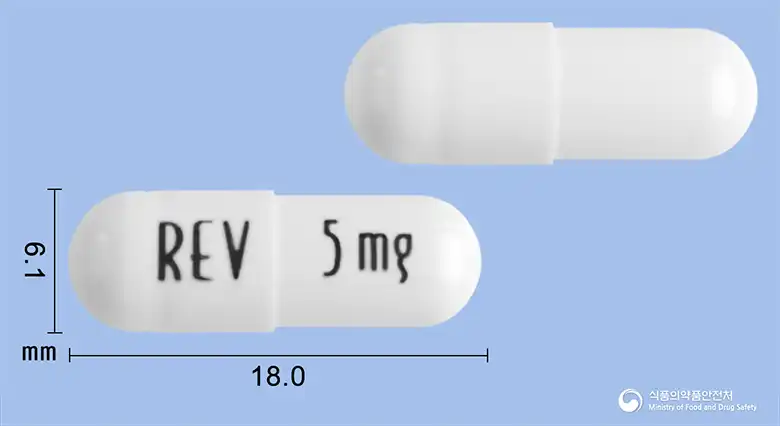
Lenalidomide Hemihydrate 5.17mg
Hard capsule · Prescription medication
(Yoo) Korea BMS Pharmaceuticals Co., Ltd.
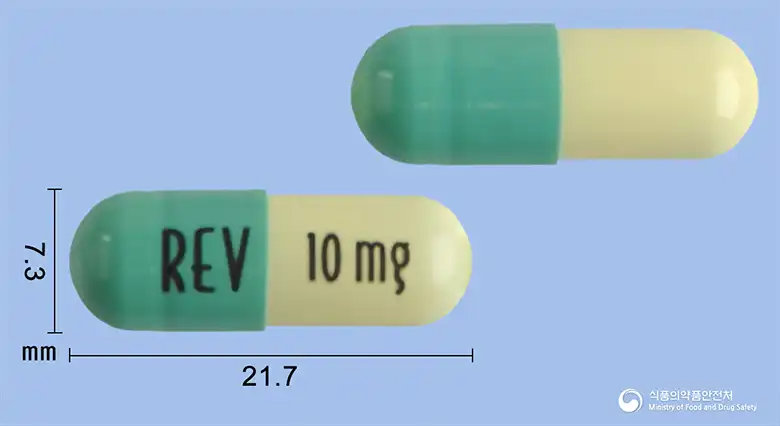
Lenalidomide Hemihydrate 10.35mg
Hard capsule · Prescription medication
Korea BMS Pharmaceutical Co., Ltd.
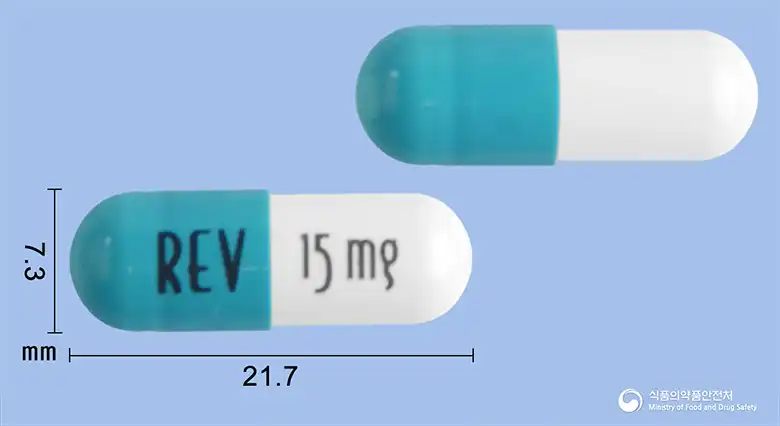
Lenalidomide Hemihydrate 15.52mg
Hard capsule · Prescription medication
(Yoo) Han-kook BMS Pharmaceutical Co., Ltd.
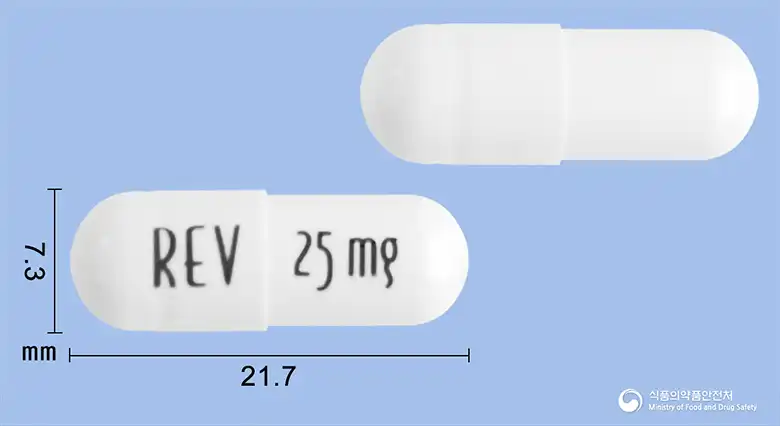
Lenalidomide Hemihydrate 25.87mg
Hard capsule · Prescription medication
Korea BMS Pharmaceutical Co., Ltd.
Lenalidomide Hydrate 7.76mg
Prescription medication
Celgene Corp.
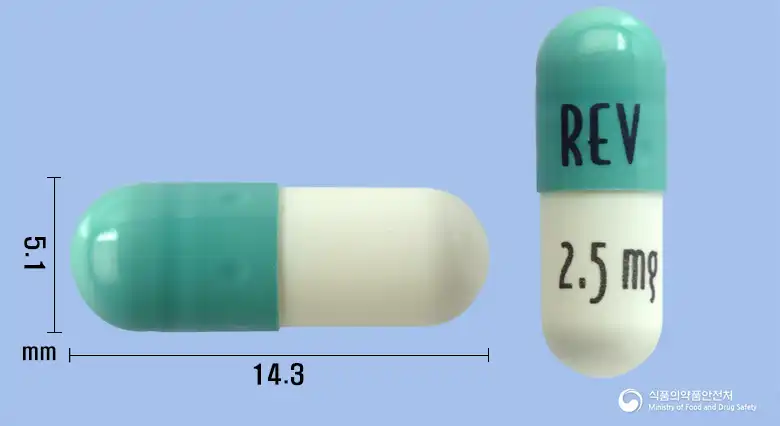
Lenalidomide Hydrate 2.59mg
Hard capsule · Prescription medication
Korea BMS Pharmaceutical Co., Ltd.
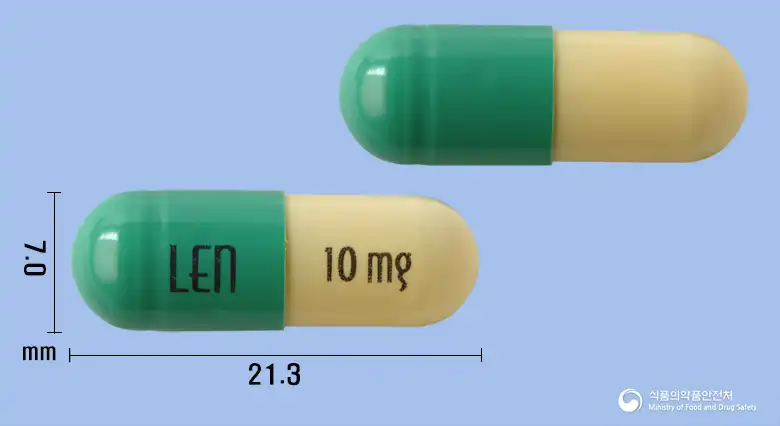
Lenalidomide Hemihydrate 10.35mg
Hard capsule · Prescription medication
Jongkundang Co., Ltd.
Even with the same ingredient, the dose and directions can differ by strength and dosage form. Talk to a doctor or pharmacist before switching from a medication you are already taking.
No questions yet.
For anything that needs medical judgment, consult a doctor or pharmacist.
This drug information is based on data provided by the Korea Ministry of Food and Drug Safety.
Consult a doctor or pharmacist for accurate dosage, administration, and usage instructions.