
 한국어
 English
 日本語
 中文(简体)
Dosage form image
Viewing nowJurotin Capsule 60mg (Duloxetine Hydrochloride)
Duloxetine Hydrochloride Enteric-Coated Granules 337mg
Hard capsule · Prescription medication
Celltrion Pharmaceutical Co., Ltd.
MFDS item code 201508532 · Approved 2015.12.31 · Insurance code 693902020
This product's status changed to Approval withdrawn on 2025.09.01. It may no longer be sold, so consult a doctor or pharmacist before taking it.
Treatment of depression and generalized anxiety disorder, diabetic neuropathy, and musculoskeletal pain (such as fibromyalgia)
This medication is used for the treatment of major depressive disorder and generalized anxiety disorder. It also helps relieve pain associated with diabetic peripheral neuropathy. It is used for osteoarthritis pain that is insufficiently controlled by fibromyalgia and non-steroidal anti-inflammatory drugs (NSAIDs). Thus, it is effective in improving symptoms of various neuropathies and mental health disorders.
1. Adults 1) Treatment of major depressive disorder Initial treatment This drug is administered at a dose of 60mg once daily, with or without food. In some patients, treatment may be started at 30mg once daily for 1 week to allow the patient to adjust to the medication, and then increased to 60mg once daily. There is insufficient evidence of additional benefit at doses of this drug exceeding 60mg per day, and the dose-response relationship for the efficacy of this drug has not been clearly established. Maintenance treatment In general, the therapeutic response to antidepressants begins to appear after 2~4 weeks. It is recommended that medication be continued for several months to prevent relapse after depressive symptoms have improved. The physician should periodically reassess the patient to determine whether continued treatment is necessary. 2) Treatment of generalized anxiety disorder Initial treatment This drug is administered at a dose of 60mg once daily, with or without food. In some patients, treatment may be started at 30mg once daily for 1 week to allow the patient to adjust to the medication, and then increased to 60mg once daily. Efficacy has been demonstrated at 120mg once daily, but there is no evidence of additional benefit at doses exceeding 60mg. Nevertheless, if a dose of more than 60mg once daily is selected, the dose should be increased in increments of 30mg once daily. The safety of doses exceeding 120mg once daily has not been adequately evaluated. Maintenance treatment Generalized anxiety disorder is generally known to be a chronic condition. The efficacy of long-term use of this drug for generalized anxiety disorder, that is, for more than 10 weeks, has not been systematically evaluated in controlled clinical trials. Physicians who choose to extend treatment with this drug should periodically reassess the patient to determine whether continued treatment is necessary. 3) Treatment of diabetic peripheral neuropathic pain Initial treatment This drug is administered at a dose of 60mg once daily, with or without food. Although 120mg once daily is safe and effective, there is no evidence of additional benefit at doses exceeding 60mg. Tolerability decreased at higher doses. For patients with concerns about tolerability, starting at a lower dose may be considered. For patients with renal impairment, which is often a complication of diabetes, consider starting at a lower dose and gradually increasing it. Maintenance treatment As the course of diabetic peripheral neuropathic pain varies and pain control is empirical, the effect of this drug should be evaluated individually. Although the efficacy of treatment with this drug for more than 12 weeks has not been systematically studied in placebo-controlled trials, a 1-year open-label safety study was conducted. 4) Treatment of fibromyalgia Initial treatment The recommended dose of this drug is 60mg once daily. To allow the patient to adjust to the medication, treatment should be started at 30mg once daily for 1 week and then increased to 60mg once daily. Some patients may respond to the starting dose. Even in patients who do not respond to 60mg, no evidence of additional benefit has been observed at doses of this drug exceeding 60mg/day, and administration of higher doses is associated with a higher incidence of adverse reactions. Maintenance treatment Fibromyalgia is known to be a chronic condition. In placebo-controlled trials of fibromyalgia treatment, the efficacy of this drug was observed for up to 3 months. The efficacy of Cymbalta was not observed in long-term trials exceeding 3 months; however, the need to continue treatment should be determined based on each patient's response. 5) Treatment of osteoarthritis pain with an inadequate response to nonsteroidal anti-inflammatory drugs (NSAIDs) Initial treatment The recommended dose of this drug is 60mg once daily. To allow the patient to adjust to the medication, administer 30mg once daily for 1 week, then increase the dose to 60mg once daily. Administration of doses exceeding 60mg per day to patients who do not respond to the recommended dose (60mg/day) provides no additional benefit and is associated with a higher incidence of adverse reactions. Maintenance treatment The safety and efficacy of administration of this drug for more than 13 weeks for the treatment of osteoarthritis pain have not been studied. 2. Elderly patients Dose adjustment based on age is not recommended. However, as with other medications, caution is required during treatment, particularly because clinical data on the use of a dose of 120mg per day are limited. 4. Patients with hepatic impairment As hepatic impairment may occur, this drug should not be used in patients with liver disease. 5. Patients with renal impairment No dose adjustment is necessary in patients with mild or moderate renal impairment (creatinine clearance 30~ 80mL/min). This drug should not be administered to patients with end-stage renal disease (patients requiring dialysis) or severe renal impairment (creatinine clearance less than 30mL/min). 6. Discontinuation of treatment When discontinuing this drug, gradual dose reduction over at least 1~2 weeks is recommended, if possible, rather than abrupt discontinuation. If treatment is discontinued after more than 1 week of medication use, it is recommended that the dose be gradually reduced starting 2 weeks beforehand to reduce the risk of withdrawal symptoms. During this period, reduce the dose by half or take the medication every other day. However, the exact approach should be determined according to the individual patient's circumstances, including the duration of treatment and the dose being taken at the time of discontinuation. 7. Switching from or to MAO inhibitors for the treatment of psychiatric disorders When discontinuing an MAO inhibitor used to treat psychiatric disorders and starting treatment with this drug, an interval of at least 14 days should be allowed. Conversely, when starting an MAO inhibitor for the treatment of psychiatric disorders, at least 5 days should have elapsed since discontinuing this drug. 8. Other MAO inhibitors, such as linezolid or methylene blue This drug should not be started in patients receiving linezolid or intravenous methylene blue because of the increased risk of serotonin syndrome. For patients requiring more urgent treatment of a psychiatric condition, including hospitalization, other interventions should be considered. It may be necessary to urgently administer linezolid or intravenous methylene blue to a patient already receiving this drug. If no alternative medication to linezolid or intravenous methylene blue is available and, in a particular patient, the benefits of treatment with linezolid or intravenous methylene blue are judged to outweigh the risk of serotonin syndrome, this drug may be discontinued immediately and linezolid or intravenous methylene blue administered. The patient should be monitored for symptoms of serotonin syndrome for 5 days after administration of linezolid or intravenous methylene blue, or until 24 hours after the last dose, whichever comes first. Treatment with this drug may be restarted 24 hours after the last dose of linezolid or intravenous methylene blue. The risk associated with administration of methylene blue by nonintravenous routes (oral tablets or local injection), or with intravenous administration of this drug at doses of 1mg/kg or less, is unclear. Nevertheless, clinicians should be aware of the possibility of emergency symptoms of serotonin syndrome with such use.
Children and adolescents under 18 years of age: This medicine should not be used to treat major depressive disorder in children and adolescents under 18 years of age because of concerns regarding its safety and efficacy. The safety and efficacy of this medicine for conditions other than major depressive disorder have not been studied.
This medication may increase the risk of suicidal thoughts and behaviors in young adults, particularly in children, adolescents, and young adults aged 18 to 24 with major depressive disorder or other psychiatric disorders. Therefore, when administering this medication, the physician should carefully evaluate the patient's condition, and family members or guardians should closely observe the patient. This medication acts by inhibiting the reuptake of serotonin and norepinephrine, so when taken with other serotonergic drugs, a potentially life-threatening serotonin syndrome may occur. Symptoms of serotonin syndrome may include changes in mental state, high fever, tremors, seizures, and nausea, so if these occur, the patient must inform the physician immediately. This medication is contraindicated in combination with certain drugs, particularly monoamine oxidase inhibitors (MAOIs), or if administered shortly after stopping them. Furthermore, it should not be used in patients with liver disease, severe renal impairment, uncontrolled hypertension, or glaucoma. Blood pressure and heart rate changes should be carefully monitored during administration, especially in patients with hypertension or heart disease. This medication may cause orthostatic hypotension and syncope, so care should be taken for dizziness or lightheadedness when starting or increasing the dose. Patients with bleeding tendencies or those taking anticoagulants and medications affecting platelet function should be cautious as the risk of bleeding may increase. If severe skin reactions such as skin rash, blisters, or mucosal damage occur during treatment, the patient should stop taking the medication and consult a healthcare professional immediately. Elderly patients or those who are dehydrated, as well as those taking diuretics, are at higher risk for hyponatremia, so regular monitoring of blood sodium levels is advisable. Abruptly stopping treatment can lead to withdrawal symptoms such as dizziness, abnormal sensations, sleep disturbances, anxiety, and nausea; therefore, the dosage should be gradually reduced according to the physician's instructions. Women who are pregnant or planning to become pregnant should consult a physician before taking this medication, and nursing mothers should be aware that the medication may be secreted in small amounts in breast milk, hence it is not recommended. This medication should not be used in children and adolescents under 18 years, as its safety and efficacy have not been established. Dizziness or drowsiness may occur while driving or operating machinery, so caution is needed if symptoms are present. Extra caution should be exercised when this medication is taken along with alcohol, sleeping pills, tranquilizers, or other central nervous system-affecting drugs. In the event of overdose, coma, seizures, or serotonin syndrome may occur, so immediate medical attention should be sought as there is no specific antidote for this medication.
Nausea, headache, dry mouth, drowsiness, dizziness, depression, generalized anxiety disorder, appetite decrease, hyperglycemia, dehydration, hyponatremia, syndrome of inappropriate antidiuretic hormone secretion, insomnia, anxiety, decreased libido, anorgasmia, restlessness, abnormal dreams, suicidal thoughts, bruxism, disorientation, sleep disorders, apathy, suicidal behavior, mania, hallucinations, aggression and anger, hypersomnia, tremor, paresthesia, myoclonus, restless leg syndrome, low sleep quality, serotonin syndrome, convulsions, psychomotor agitation, extrapyramidal symptoms, blurred vision, pupil dilation, visual impairment, glaucoma, tinnitus, vertigo, ear pain, palpitations, tachycardia, cardiac dysrhythmia, hypertension, flushing, high blood pressure, peripheral coldness, orthostatic hypotension, syncope, hypertensive crisis, yawning, throat stiffness, nasal bleeding, constipation, diarrhea, abdominal pain, vomiting, dyspepsia, bloating, gastrointestinal bleeding, gastroenteritis, belching, gastritis, dysphagia, bad breath, stomatitis, bloody stool, elevated liver enzymes, hepatitis, acute liver injury, liver failure, increased sweating, rash, night sweats, urticaria, contact dermatitis, photosensitivity reactions, cold sweat, tendency to bruise easily, Stevens-Johnson syndrome, angioedema, musculoskeletal pain, muscle cramps, muscle stiffness, myalgia, opening disorder, dysuria, frequent urination, nocturia, urine hesitation, urinary retention, polyuria, decreased urination rate, abnormal urine odor, erectile dysfunction, ejaculation disorder, delayed ejaculation, gynecological bleeding, menstrual disorders, sexual dysfunction, testicular pain, menopausal symptoms, galactorrhea, hyperprolactinemia, postpartum hemorrhage, fatigue, falls, chest pain, hot/cold sensation, lethargy, thirst, abnormal sensation, chills, gait disturbance, weight loss, weight gain, increased serum creatine phosphokinase, elevated serum potassium, increased serum cholesterol, acute pancreatitis, anaphylaxis, erythema multiforme, enuresis, cutaneous vasculitis, microscopic colitis, seizures upon discontinuation, supraventricular dysrhythmia, trismus, urticaria, decreased blood pressure, onychomycosis, exacerbation of depression, edema, restlessness, overdose, intellectual disability, drug-induced state, hiccups, dyspnea
Not everyone experiences these, and they can vary from person to person.
This medication should be stored in a tightly closed container to protect it from air and moisture. The recommended storage temperature is room temperature between 15 to 30 degrees Celsius.
A hard capsule with a blue upper part and a yellow-green lower part containing white to grayish-white enteric-coated spherical granules.
28 capsules/PTP
Even with the same ingredient, strength, dosage form and how it is taken can differ.
Duloxetine Hydrochloride Enteric-Coated Granules 337mg
Hard capsule · Prescription medication
Celltrion Pharmaceutical Co., Ltd.
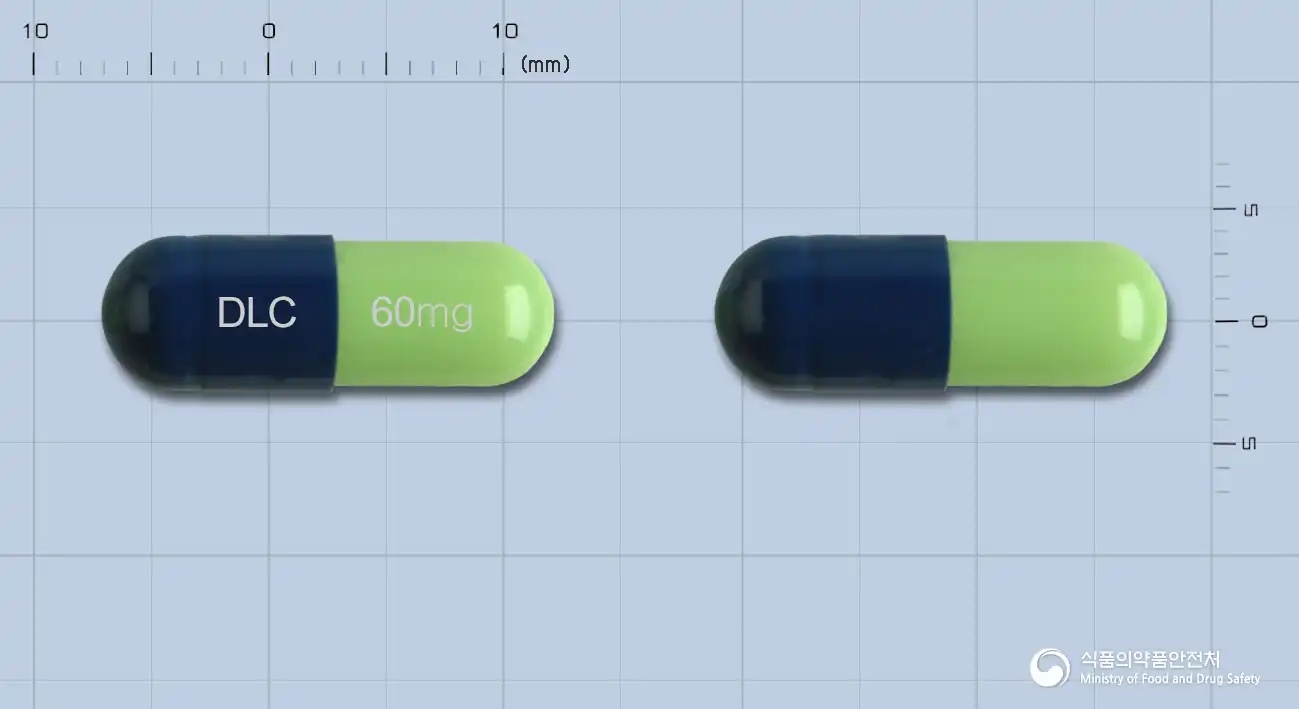
Duloxetine Hydrochloride Enteric-Coated Granules 352.94mg
Hard capsule · Prescription medication
Korea Pharmaceutical Co., Ltd.
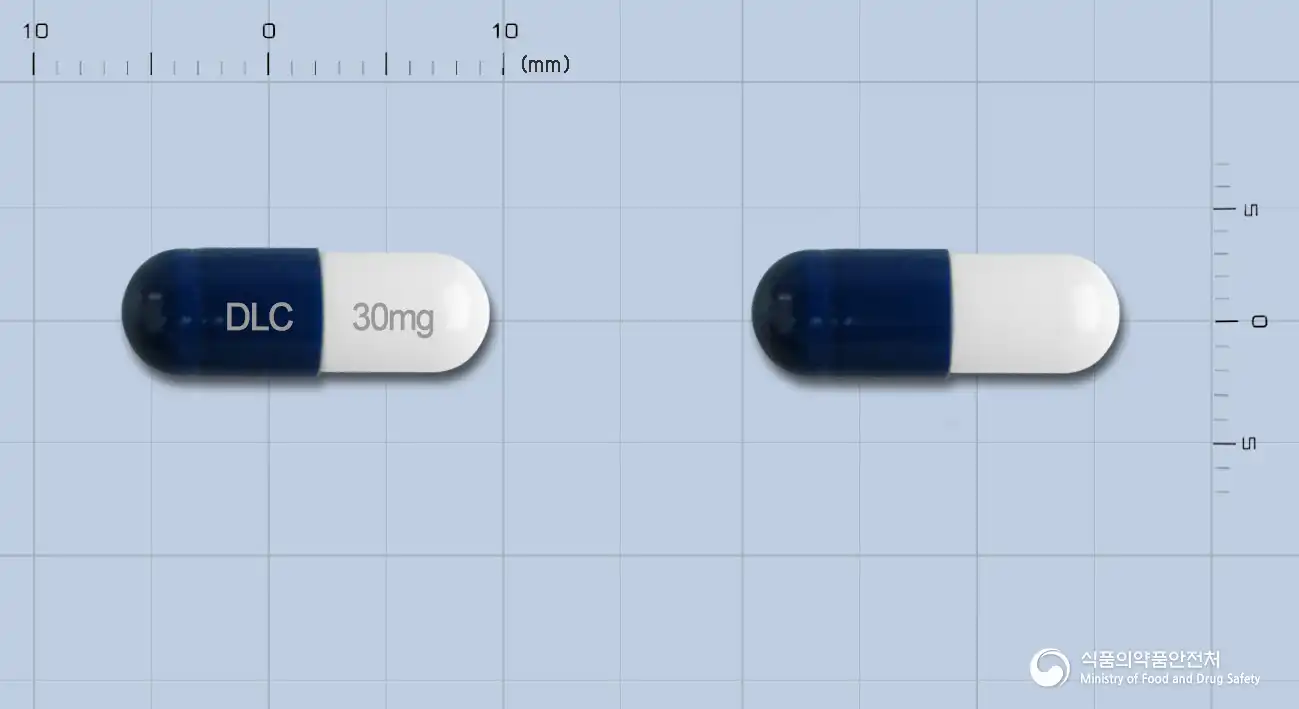
Duloxetine Hydrochloride Enteric-Coated Granules 176.47mg
Hard capsule · Prescription medication
Korea Pharma Co., Ltd.
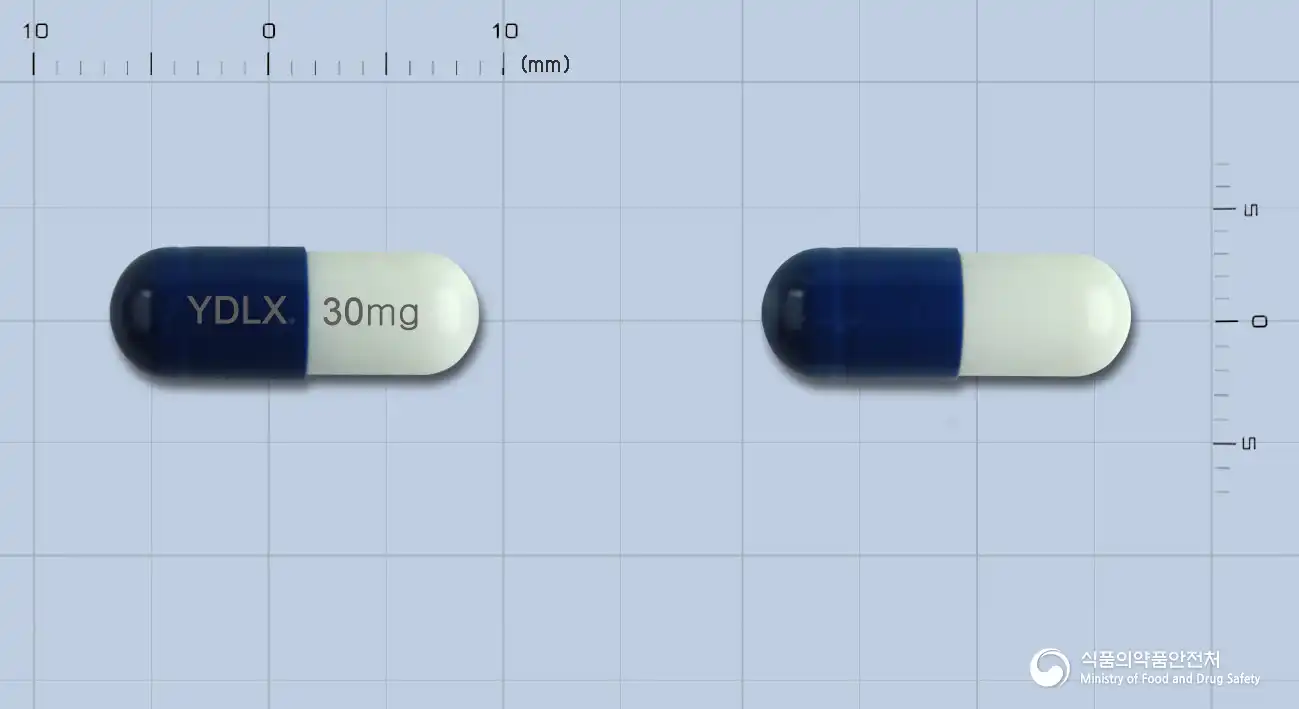
Duloxetine Hydrochloride Enteric-Coated Granules 176.47mg
Hard capsule · Prescription medication
Yu Young Pharmaceutical Co., Ltd.
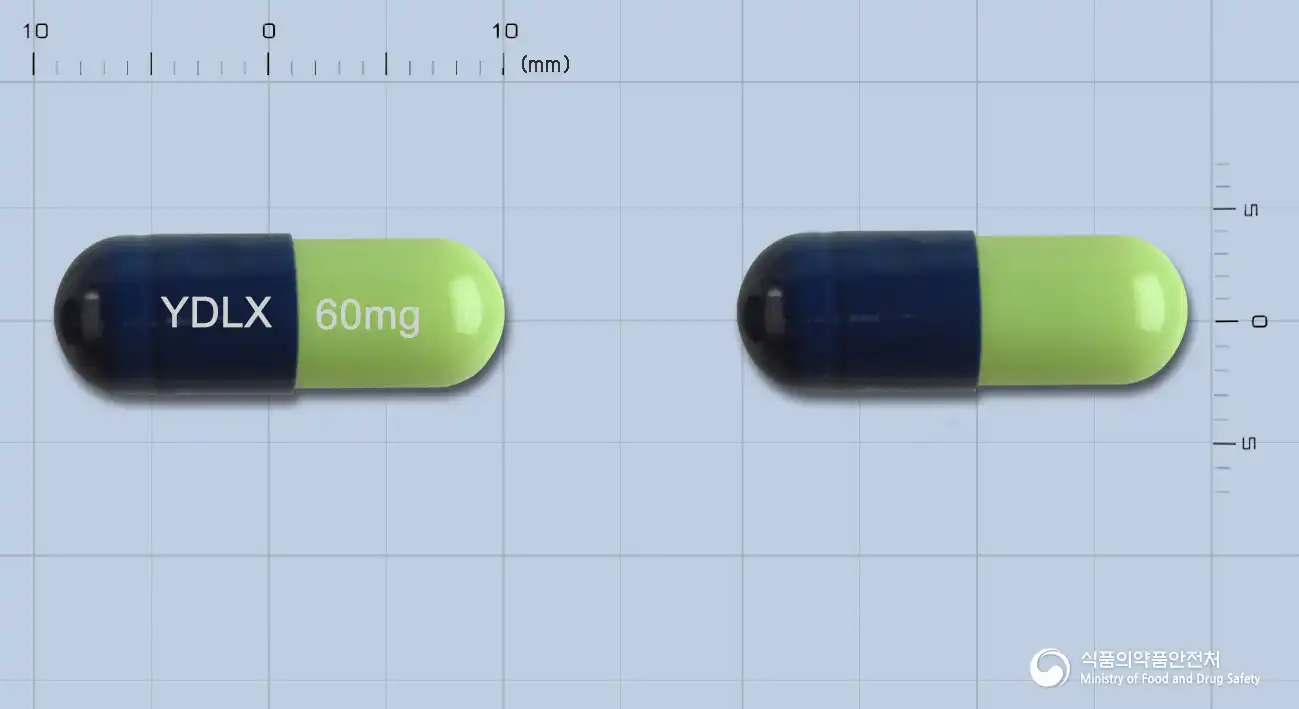
Duloxetine Hydrochloride Enteric-Coated Granules 352.94mg
Hard capsule · Prescription medication
(Co., Ltd.) YooYoung Pharmaceutical
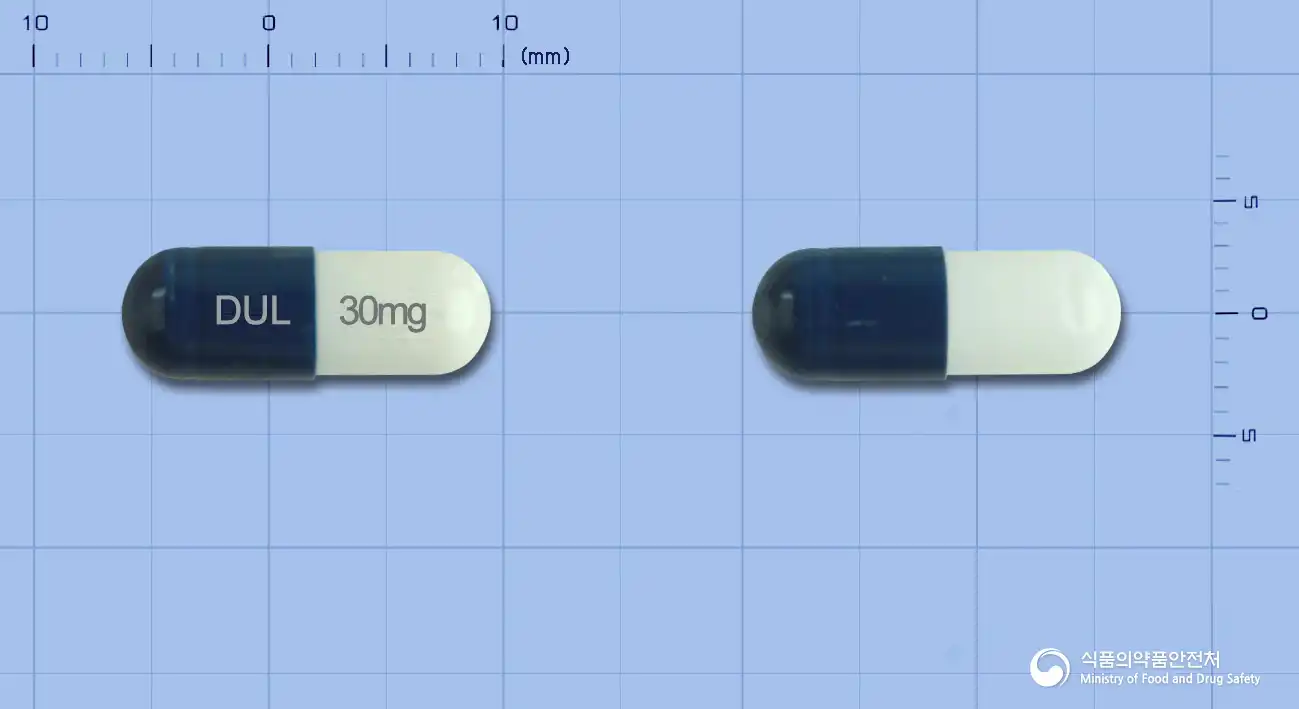
Duloxetine Hydrochloride Enteric-Coated Granules 176.47mg
Hard capsule · Prescription medication
Korea Pharma Co., Ltd.
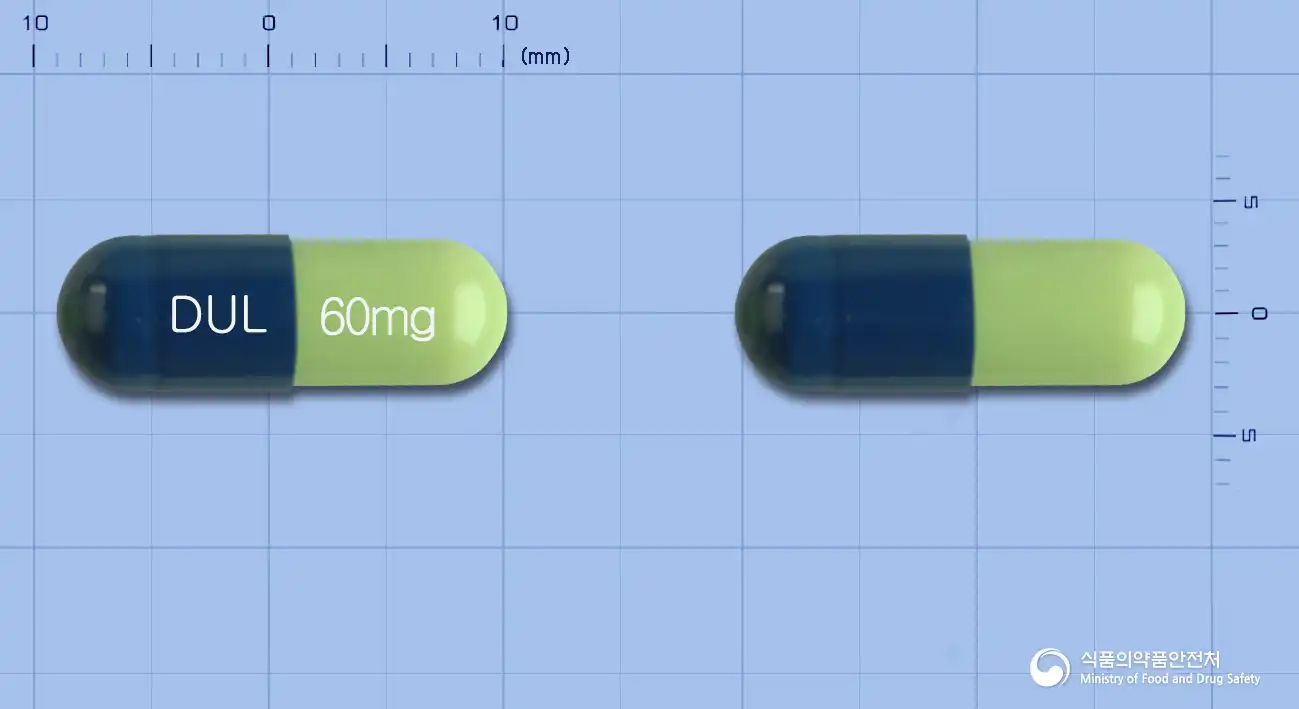
Duloxetine Hydrochloride Enteric-Coated Granules 352.94mg
Hard capsule · Prescription medication
Korea Pharma Co., Ltd.
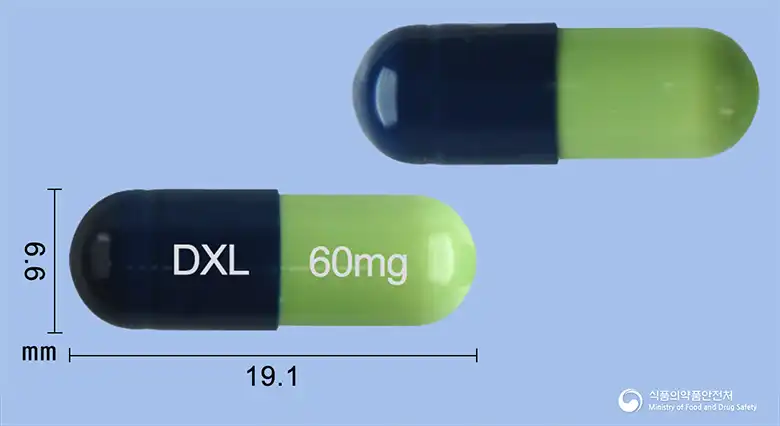
Duloxetine Hydrochloride Enteric-Coated Granules 352.94mg
Hard capsule · Prescription medication
Hanlim Pharmaceutical Co., Ltd.
Even with the same ingredient, the dose and directions can differ by strength and dosage form. Talk to a doctor or pharmacist before switching from a medication you are already taking.
No questions yet.
For anything that needs medical judgment, consult a doctor or pharmacist.
This drug information is based on data provided by the Korea Ministry of Food and Drug Safety.
Consult a doctor or pharmacist for accurate dosage, administration, and usage instructions.