
 한국어
 English
 日本語
 中文(简体)
 Viewing now
Cephradine Capsule 500 Milligrams (Cephradine Hydrate)
Cefradine Hydrate 500mg
Hard capsule · Prescription medication
Joah Pharmaceutical Co., Ltd.
MFDS item code 201508285 · Approved 2015.12.17 · Insurance code 644603320
Treatment of respiratory and ear infections, urinary tract infections, and skin and soft tissue infections
This drug is effective against various bacteria such as Staphylococcus, Streptococcus pneumoniae, and influenza bacteria. It is used for respiratory infections such as tonsillitis, pharyngitis, lobar pneumonia, and bronchitis. It is also effective in treating urinary infections such as cystitis, pyelonephritis, urethritis, and prostatitis. It is used for skin and soft tissue infections such as abscesses, soft tissue infections, boils, and impetigo, and is also utilized in the treatment of otitis media. In short, this drug is widely used for diseases caused by various bacterial infections.
○ Adults 1) Skin and soft tissue infections, respiratory tract infections: Depending on severity, administer cefradine 250mg~500mg (potency) per dose 4 times daily, or 500mg~1g (potency) twice daily, orally. 2) Urinary tract infections: For uncomplicated urinary tract infections, administer 500mg (potency) per dose twice daily. For severe urinary tract infections, administer 500mg (potency) per dose 4 times daily or 1g (potency) per dose twice daily. Severe infections may also require a longer treatment period and intensive treatment. ○ Patients with renal impairment 1) For patients not receiving hemodialysis, administer as follows. Creatinine clearance (mL/min) Dose per administration (mg) Dosing interval (hours) >20 500 6~12 15~20 250 12~24 10~14 250 24~40 5~9 250 40~50 <5 250 50~70 2) For patients receiving chronic intermittent hemodialysis, administer an initial dose of 250mg (potency) when hemodialysis is started, followed by 250mg (potency) 6~12 hours and 36~48 hours later, respectively. Then administer 250mg at the next hemodialysis session (only if at least 30 hours have elapsed since the most recent dose). Adjust the dose as appropriate according to age and symptoms.
○ Pediatric patients: Administer orally 25~50 mg (potency) per kg of body weight per day in 2~4 divided doses. However, do not administer more than 4g (potency) per day, and do not exceed the adult dose. ○ Pediatric patients: For otitis media, administer 75~100 mg (potency) per kg of body weight per day in 2~4 divided doses. However, do not administer more than 4g (potency) per day, and do not exceed the adult dose. Administration to infants 9 months of age or younger is not recommended.
This drug should not be used in patients who have previously experienced severe allergic reactions or shock due to this drug. Patients with allergies to this drug or similar classes of antibiotics should generally not be administered this drug; however, if necessary, it must be used with great caution. Patients with allergies to penicillin group antibiotics must also use this drug carefully. Patients with a family history of allergies that easily cause symptoms such as bronchial asthma, rash, or urticaria should also be administered this drug cautiously. Patients with severe kidney disease must be particularly careful when using this drug. Patients who have difficulty taking orally, receiving non-oral nutritional support, elderly patients, and those with poor general condition should be carefully observed as symptoms of vitamin K deficiency may appear. This drug contains colorings Yellow No. 5 and Yellow No. 203, so patients with allergic reactions to these ingredients should be used with caution. If symptoms such as unpleasant feelings, oral abnormalities, dyspnea, dizziness, constipation, tinnitus, or increased sweating occur during treatment with this drug, discontinuation of the drug and consultation with a doctor is mandatory. If allergic symptoms such as skin rash, urticaria, itching, fever, lymphadenopathy, or arthralgia develop, discontinue use and seek appropriate treatment. Gastrointestinal issues may occur, and if abdominal pain or frequent diarrhea occurs, discontinue use immediately and consult a doctor. If symptoms such as respiratory distress, cough, or fever develop, it could be a serious issue such as pneumonia, and treatment should be sought immediately. Regular blood tests are needed as white blood cell or platelet counts may decrease. Severe skin reactions may occur rarely, so inform immediately if any skin abnormalities arise. Hepatic dysfunction may occur, so it is advisable to periodically perform liver function tests. Renal function may deteriorate rapidly, so kidney status should be closely monitored, and if abnormalities arise, discontinue use. Oral infections such as stomatitis or candidiasis may occur, so oral status must be observed carefully. Symptoms of vitamin K and B group deficiencies may appear, so attention should be given to bleeding tendencies and neurological symptoms. Headaches, general malaise, or discomfort in the upper abdomen may rarely occur. When using this drug, it is essential to conduct appropriate sensitivity testing to prevent the development of resistant bacteria and only use it for the necessary duration. To prevent severe allergic reactions, thorough inquiries and skin response tests prior to administration are recommended. Prepare necessary emergency measures in case of emergencies, and closely monitor the patient in a stable condition after administration. Caution is advised when using diuretics or aminoglycoside antibiotics together as they may burden the kidneys. Safety during pregnancy has not been established; pregnant women should use the drug only when the therapeutic benefits outweigh the risks. This drug can also be passed through breast milk; therefore, nursing mothers should use it cautiously. It is advisable not to use this drug in premature infants or newborns, especially those under 9 months old. Elderly patients may present adverse reactions more readily due to decreased physiological function, so dosage and intervals should be adjusted while closely monitoring. This drug may produce false-positive results in some urine tests, so caution must be taken during testing. Also, a positive reaction may appear in the direct Coombs test during blood tests, so careful interpretation of test results is necessary.
Shock
Not everyone experiences these, and they can vary from person to person.
This drug must be stored in a tightly sealed container to prevent exposure to air or moisture. It is important to maintain the storage temperature between 1 and 30 degrees Celsius to effectively preserve the drug's efficacy and safety.
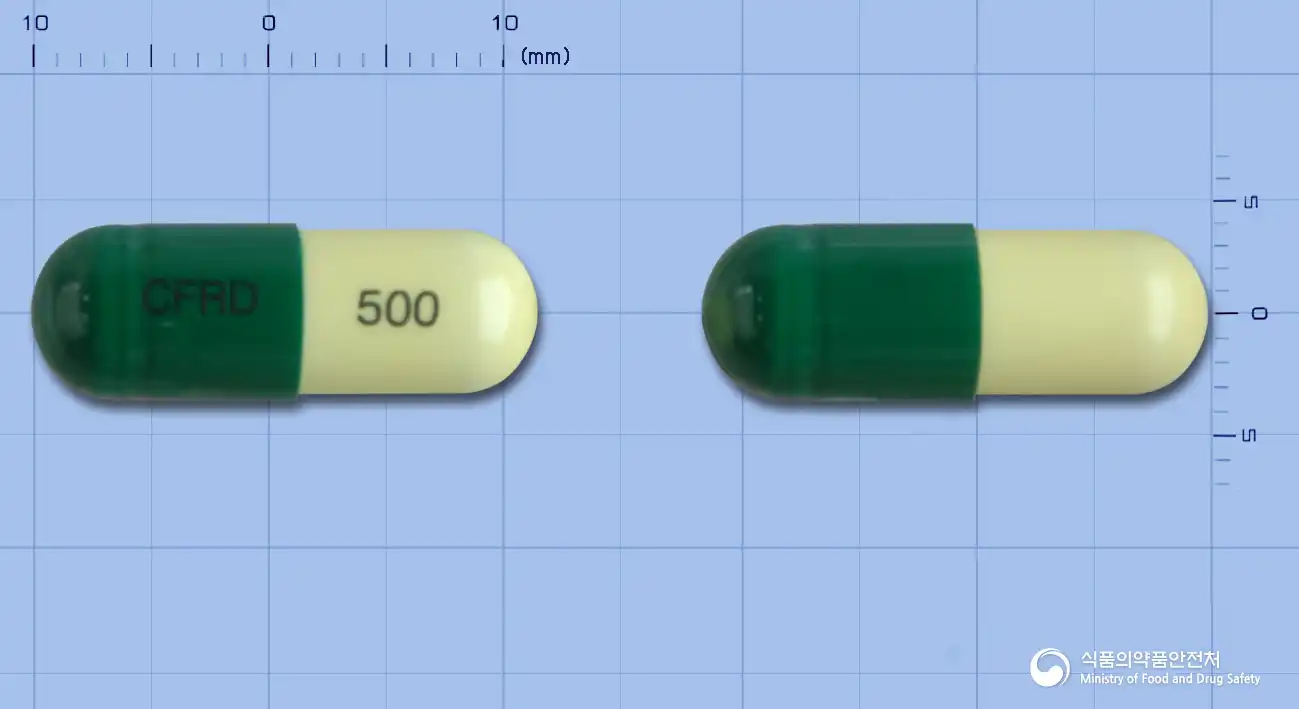
A hard capsule with a dark green upper part and a cream-colored lower part containing a white to light yellow powder.
30 C/bottle, 300 C/bottle
Even with the same ingredient, strength, dosage form and how it is taken can differ.
Viewing nowCefradine Hydrate 500mg
Hard capsule · Prescription medication
Joah Pharmaceutical Co., Ltd.
Cefradine Hydrate
Prescription medication
Il Sung IS Co., Ltd.
Cefradine Hydrate
Prescription medication
Ilseong IS Co., Ltd.
Cefradine Hydrate
Prescription medication
Il Sung IS Co., Ltd.
Cefradine Hydrate
Prescription medication
Il Sung IS Co., Ltd.
Cefradine Hydrate
Prescription medication
Il Sung IS Co., Ltd.
Cefradine Hydrate
Prescription medication
International Pharmaceutical Co., Ltd.
Cefradine Hydrate
Prescription medication
Ildong Pharmaceutical Co., Ltd.
Even with the same ingredient, the dose and directions can differ by strength and dosage form. Talk to a doctor or pharmacist before switching from a medication you are already taking.
No questions yet.
For anything that needs medical judgment, consult a doctor or pharmacist.
This drug information is based on data provided by the Korea Ministry of Food and Drug Safety.
Consult a doctor or pharmacist for accurate dosage, administration, and usage instructions.