
 한국어
 English
 日本語
 中文(简体)
 Viewing now
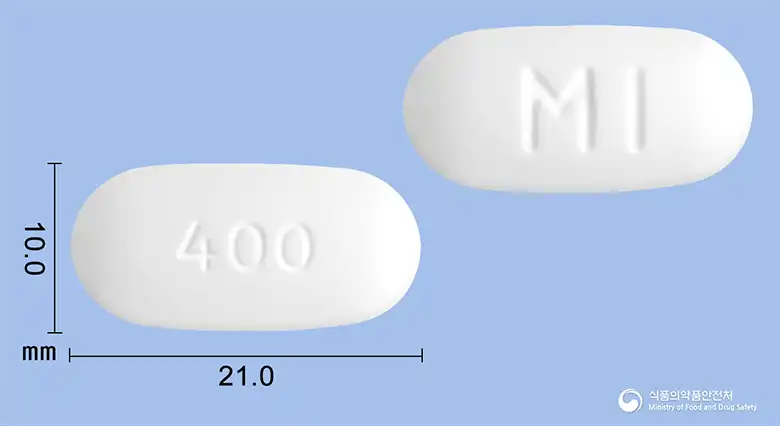
Quetiapine Extended-Release 400 mg (Quetiapine Fumarate)
Quetiapine Fumarate 460.48mg
Tablet · Prescription medication
Myungjin Pharmaceutical Co., Ltd.
MFDS item code 201507974 · Approved 2015.11.27 · Insurance code 651904310
Treatment and prevention of recurrence of bipolar disorder, treatment of schizophrenia, adjunctive treatment of major depressive disorder
This medicine is used to treat schizophrenia. It is also effective for the treatment of acute manic and mixed episodes of bipolar disorder as well as depressive episodes. It is utilized to prevent relapse of bipolar disorder in patients treated with quetiapine. This medication is also used as adjunctive therapy in the treatment of major depressive disorder. Therefore, it serves as a beneficial aid in the treatment of schizophrenia, bipolar disorder, and major depressive disorder.
Administer this medication once daily in the evening. Swallow the tablet whole; do not split, chew, or crush it. Avoid taking this medication with food, or take it with a low-fat meal (approximately 300 calories). Adults: Initiate treatment at 300 mg of quetiapine. Adjust the dose within the range of 400∼800 mg per day according to each patient's response and tolerability. The dose may be increased by up to 300 mg per day at intervals of 1 day. The safety of doses exceeding 800 mg per day has not been evaluated in clinical trials. Adults: This medication may be used as monotherapy or as adjunctive therapy to lithium or valproate. Initiate treatment on Day 1 at 300 mg of quetiapine, increase to 600 mg on Day 2, and from Day 3 onward adjust the dose within the range of 400∼800 mg per day according to the individual patient's clinical response and tolerability. Adults: This medication is used as monotherapy. The daily dose should be 50 mg of quetiapine on Day 1, 100 mg on Day 2, 200 mg on Day 3, and 300 mg on Day 4. Patients who responded to quetiapine during acute treatment of bipolar disorder should continue on the same dose to prevent recurrence of mania, mixed episodes, or depression associated with bipolar disorder. The dose may be adjusted within the range of 300∼800 mg per day according to clinical response and each patient's tolerability. It is important to use the lowest effective dose for maintenance therapy. Adults: Initiate treatment with 50 mg on Day 1 and increase to 150 mg on Day 3. The efficacy of this medication has been established at 150∼300 mg per day. Adverse reactions increased in a dose-dependent manner. Doses exceeding 300 mg per day have not been studied. Switching from immediate-release tablets: Patients taking immediate-release quetiapine fumarate tablets may be switched to this medication for convenience of administration; it can be administered once daily at the same total daily dose. Individual dose adjustment may be required. Elderly patients: As with other antipsychotics, administer this medication with caution in elderly patients, particularly when initiating treatment. The dose should be increased gradually, and the therapeutic daily dose may be lower than that in adult patients. The mean plasma clearance of quetiapine may be reduced by 30∼50% in elderly patients compared with adult patients. Initiate treatment in elderly patients at 50 mg per day. Increase the dose by 50 mg per day until an effective dose is reached, according to each patient's clinical response and tolerability. Patients with renal impairment: After oral administration of this medication, mean oral clearance is reduced by 25% in patients with severe renal impairment (creatinine clearance 10∼30 mL/min/1.73 m2) compared with adult patients; however, dose adjustment is generally not required. Patients with hepatic impairment: Since quetiapine is primarily metabolized in the liver, administer this medication with caution to patients with hepatic impairment, particularly when initiating treatment. Initiate treatment in patients with hepatic impairment at 50 mg per day and increase the dose by 50 mg per day until an effective dose is reached, according to each patient's clinical response and tolerability.
Children and adolescents 18 years of age and younger: The safety and efficacy of this medication have not been established.
This medication may increase the risk of suicidal thoughts or behavior in children, adolescents, and young adults, so physicians should carefully assess the necessity and risks when administering it to patients in this age group. Blood sugar levels may rise during treatment with this medication, and patients with diabetes or at risk for diabetes should periodically check their blood sugar levels. Serious side effects known as Neuroleptic Malignant Syndrome (NMS), including severe muscle rigidity, high fever, and mental status changes, may occur, so any unusual symptoms should be reported immediately to healthcare providers. Long-term use may lead to movement disorders such as extrapyramidal symptoms or tardive dyskinesia, so dose adjustment or discontinuation should be considered if symptoms emerge. Elderly patients with dementia may have an increased risk of death when taking this medication, so its use is not recommended. Severe blood abnormalities, such as agranulocytosis or neutropenia, may occur, necessitating routine blood tests to monitor white blood cell counts. Special caution is required for patients at risk of cerebrovascular disease, and monitoring for symptoms related to venous thromboembolism is necessary. Patients with cardiovascular diseases or hypotension may experience orthostatic hypotension or cardiac-related symptoms, so vigilance is necessary. There is a risk of severe skin reactions, such as Stevens-Johnson syndrome or toxic epidermal necrolysis, so if symptoms such as skin rash or fever occur, medication should be discontinued immediately and healthcare providers consulted. This medication should not be administered to patients with certain diseases or those taking specific medications, and pregnant or nursing women should use it cautiously considering the potential effects on the fetus or newborn. Drowsiness, dizziness, dry mouth, and weight gain are common side effects that require attention in daily life. Activities requiring concentration, such as driving or operating machinery, should be avoided until the effects of the drug are confirmed. Co-administration of this medication with other central nervous system depressants or alcohol may exacerbate side effects, therefore such combinations should be avoided or used with caution. When discontinuing, do not stop suddenly; taper the dose gradually, as acute withdrawal symptoms may occur, and the instructions of healthcare providers should be followed. Numerous medication interactions exist with this drug, so if other medications are being taken, healthcare providers or pharmacists must be informed, especially regarding medications that could cause severe hypotension.
Drowsiness, dizziness, dry mouth, withdrawal symptoms, increased triglyceride levels, increased total cholesterol, decreased HDL cholesterol, weight gain, decreased hemoglobin, extrapyramidal symptoms, syncope, neuroleptic malignant syndrome, leukopenia, neutropenia, peripheral edema, dizziness, headache, dysarthria, seizures, restless legs syndrome, tardive dyskinesia, syncope, nightmares, symptoms related to sleepwalking, constipation, dyspepsia, vomiting, dysphagia, intestinal obstruction, dyspnea, rhinitis, tachycardia, palpitations, bradycardia, cardiomyopathy, myocarditis, orthostatic hypotension, hypertension, leukopenia, hypersensitivity reactions, anaphylaxis, blurred vision, pain in various locations, myalgia, rhabdomyolysis, priapism, galactorrhea, increased appetite, mild asthenia, peripheral edema, chest pain, hyperactivity, fever, hypothermia, neonatal withdrawal symptoms, increased serum triglycerides, increased total cholesterol, decreased HDL cholesterol, decreased hemoglobin, increased serum liver enzymes, decreased neutrophil count, increased eosinophil count, increased blood glucose levels to hyperglycemic levels, increased serum prolactin, thrombocytopenia, increased serum creatine phosphokinase, agranulocytosis, hepatitis, liver failure, urinary retention, drug reactions associated with eosinophilia and systemic symptoms, cutaneous vasculitis, withdrawal symptoms, convulsions, increased suicidal tendencies, paralytic ileus, rhabdomyolysis, thromboembolism, fatigue, visual disturbances
Not everyone experiences these, and they can vary from person to person.
This medication must be stored in a tightly closed container to prevent exposure to air and moisture. It is important to maintain a storage temperature between 15°C and 30°C room temperature to preserve the drug's efficacy over time.
White to off-white, double convex, oval-shaped extended-release film-coated tablet
60 tablets (10 tablets per PTP × 6)
Even with the same ingredient, strength, dosage form and how it is taken can differ.
Viewing nowQuetiapine Fumarate 460.48mg
Tablet · Prescription medication
Myungjin Pharmaceutical Co., Ltd.
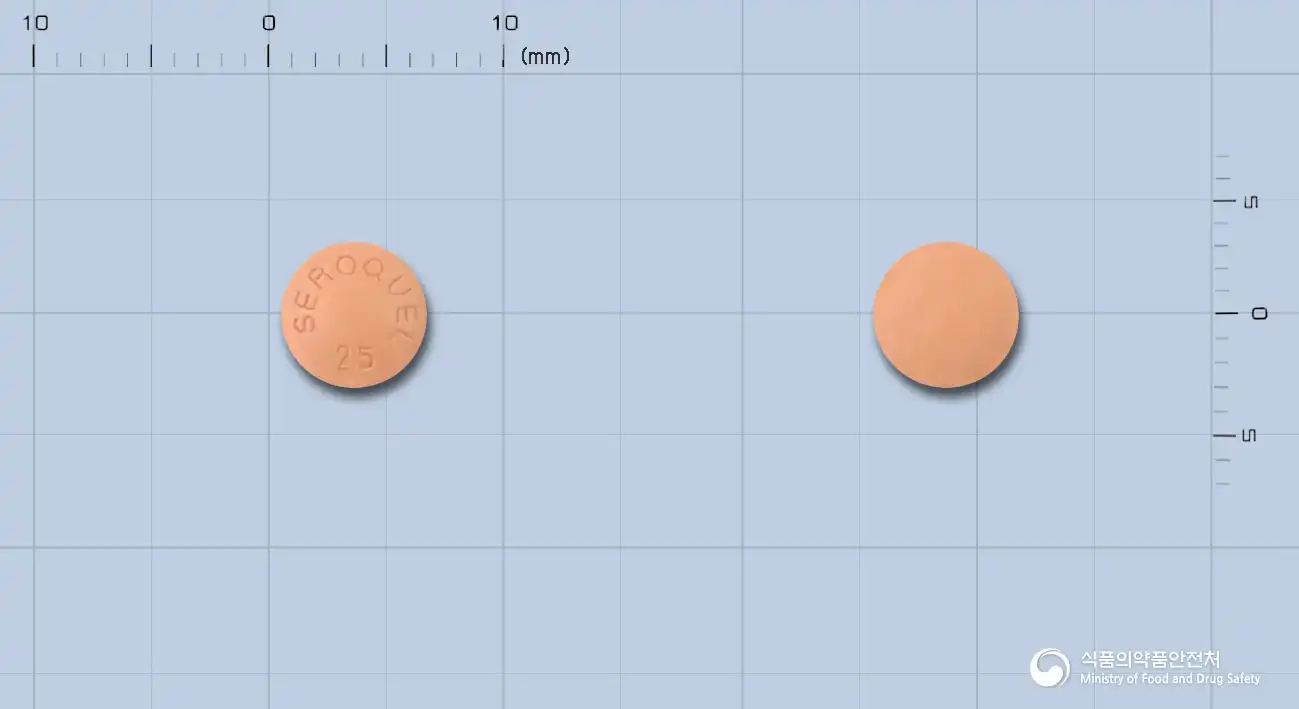
Quetiapine Fumarate 28.78mg
Tablet · Prescription medication
AlboGen Korea Co., Ltd.

Quetiapine Fumarate 115.13mg
Tablet · Prescription medication
AlboGen Korea Co., Ltd.
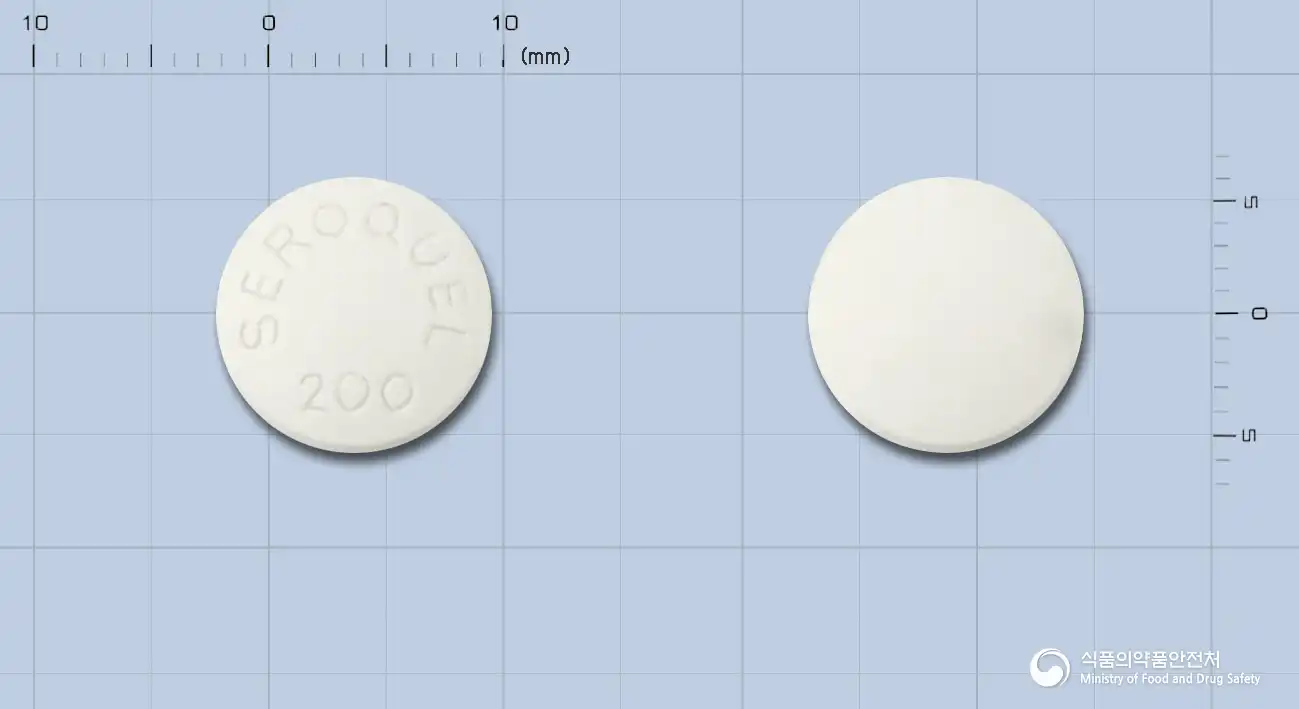
Quetiapine Fumarate 230.26mg
Tablet · Prescription medication
Albogen Korea Co., Ltd.
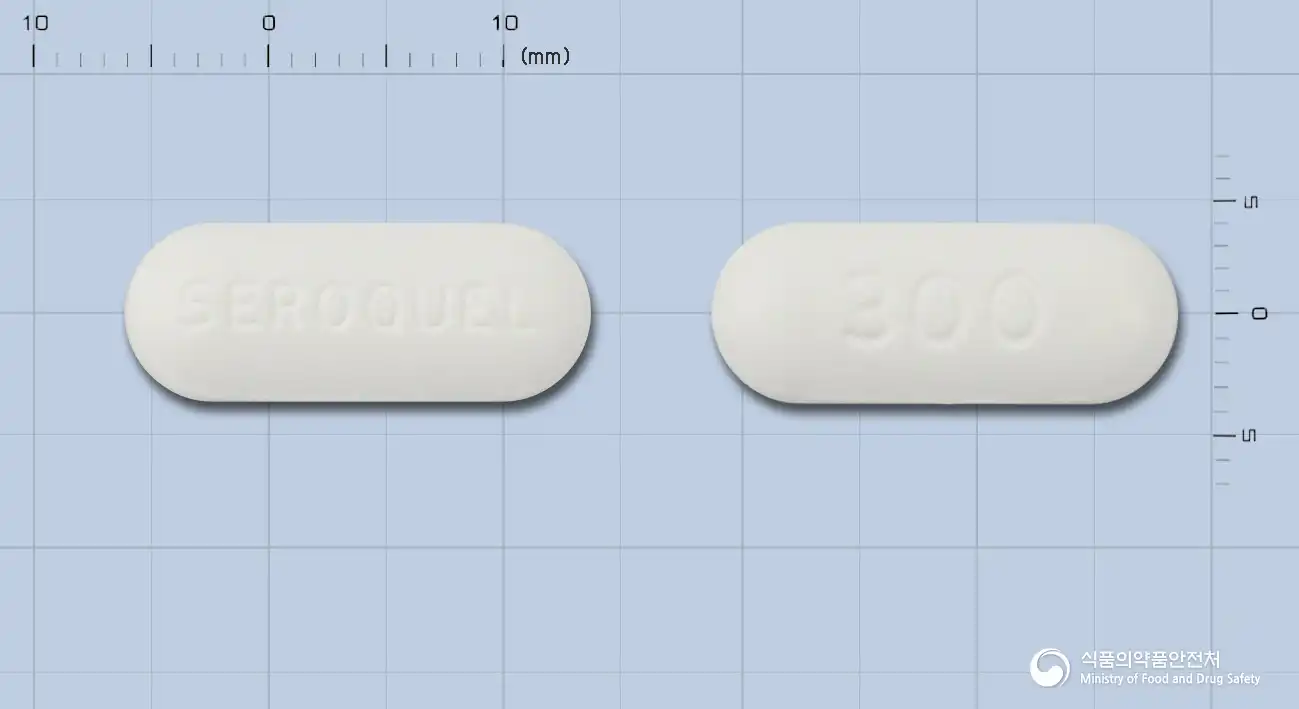
Quetiapine Fumarate 345.39mg
Tablet · Prescription medication
AlboGen Korea Co., Ltd.

Quetiapine Fumarate 115.13mg
Tablet · Prescription medication
Hanin Pharmaceutical Co., Ltd.
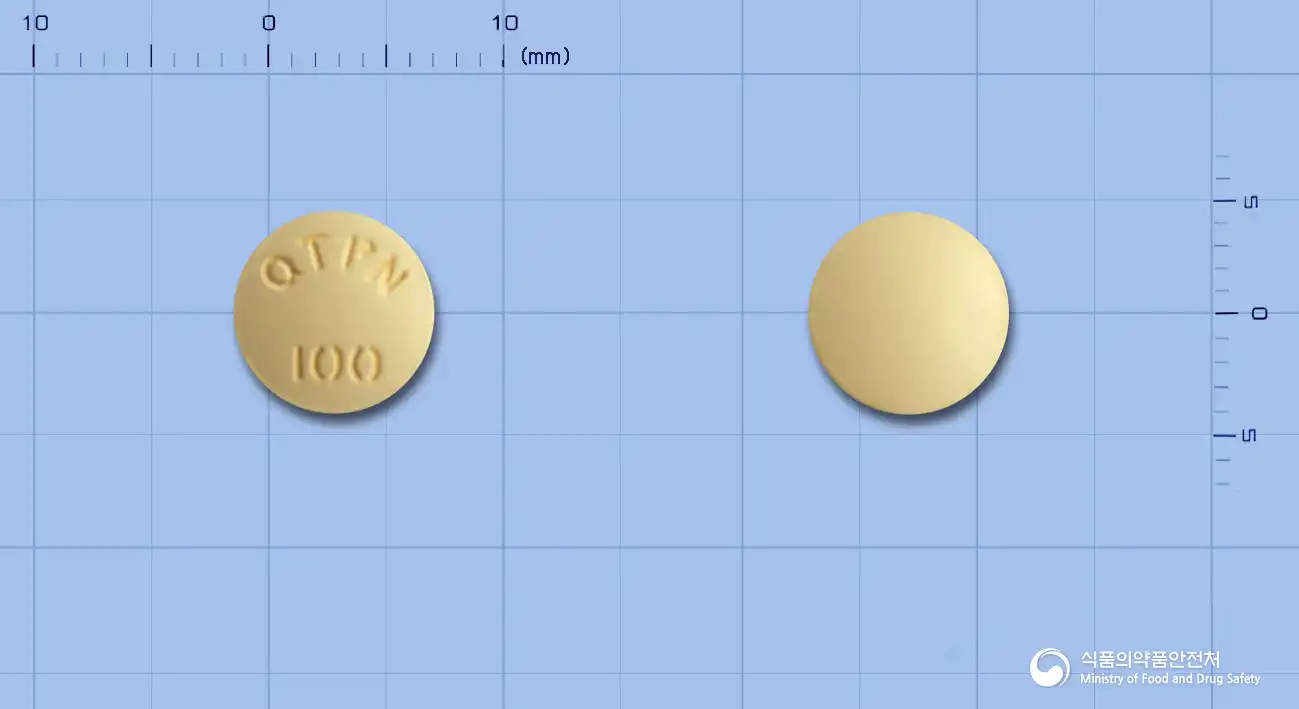
Quetiapine Fumarate 115.13mg
Tablet · Prescription medication
Youngjin Pharmaceutical Co., Ltd.

Quetiapine Fumarate 115.13mg
Tablet · Prescription medication
Korea Pharma Co., Ltd.
Even with the same ingredient, the dose and directions can differ by strength and dosage form. Talk to a doctor or pharmacist before switching from a medication you are already taking.
No questions yet.
For anything that needs medical judgment, consult a doctor or pharmacist.
This drug information is based on data provided by the Korea Ministry of Food and Drug Safety.
Consult a doctor or pharmacist for accurate dosage, administration, and usage instructions.