
 한국어
 English
 日本語
 中文(简体)
 Viewing now
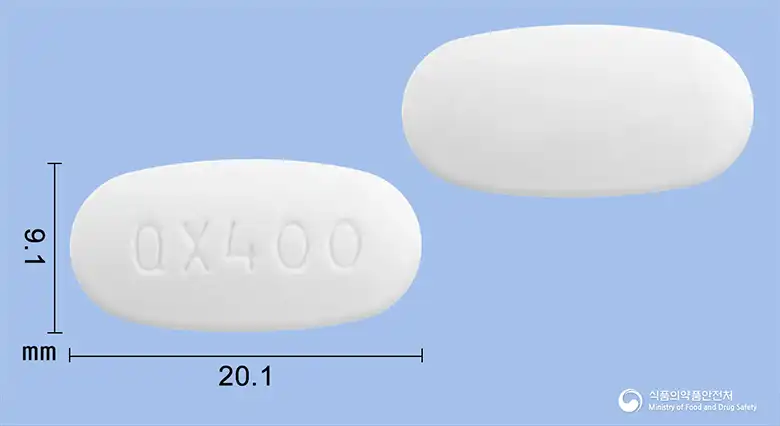
Quetiapine Extended-Release Tablets 400 mg (Quetiapine Fumarate)
Quetiapine Fumarate 460.48mg
Tablet · Prescription medication
Hanin Pharmaceutical Co., Ltd.
MFDS item code 201507968 · Approved 2015.11.27 · Insurance code 657202880
Treatment and prevention of recurrence of bipolar disorder, treatment of schizophrenia, adjunctive treatment of major depressive disorder
This medication is used for the treatment of schizophrenia. It is also effective in the acute treatment of various symptoms of bipolar disorder, including mania, mixed episodes, and depressive episodes. In particular, it helps prevent recurrence in patients with bipolar disorder who experience repeated mania and depression. Additionally, it plays a role in adjunctive treatment for patients with major depressive disorder. It is used to improve a variety of mental health issues.
Administer this medicine once daily in the evening. Swallow this medicine whole; do not split, chew, or crush it. Avoid taking this medicine with food, or take it with a low-fat meal (approximately 300 calories). Schizophrenia Adults: Initiate treatment with 300 mg of quetiapine, and adjust the dose within 400∼800 mg per day according to each patient's response and tolerability. The dose may be increased by up to 300 mg per day at intervals of 1 day. The safety of doses exceeding 800 mg per day has not been evaluated in clinical trials. Acute treatment of manic or mixed episodes associated with bipolar I disorder Adults: This medicine may be used as monotherapy or as adjunctive therapy to lithium or valproate. Initiate treatment with 300 mg of quetiapine on Day 1, increase to 600 mg on Day 2, and from Day 3 onward, adjust the dose within 400∼800 mg per day according to the individual patient's clinical response and tolerability. Recommended dosing schedule Treatment day Day 1 Day 2 Day 3 Dose of this medicine 300 mg 600 mg 400∼800 mg Acute treatment of depressive episodes associated with bipolar disorder Adults: As monotherapy, the daily dose of this medicine, expressed as quetiapine, should be 50 mg on Day 1, 100 mg on Day 2, 200 mg on Day 3, and 300 mg on Day 4. Recommended dosing schedule Treatment day Day 1 Day 2 Day 3 Day 4 Dose of this medicine 50 mg 100 mg 200 mg 300 mg Prevention of recurrence of bipolar disorder in patients who have responded to quetiapine treatment for manic, mixed, or depressive episodes To prevent recurrence of manic or mixed episodes or depression associated with bipolar disorder, patients who responded to quetiapine during acute treatment of bipolar disorder should continue on the same dose. The dose may be adjusted within 300∼800 mg per day according to clinical response and each patient's tolerability. It is important to use the lowest effective dose for maintenance therapy. Adjunctive treatment of major depressive disorder Adults: Initiate treatment with 50 mg on Day 1 and increase the dose to 150 mg on Day 3. The efficacy of this medicine has been established at 150∼300 mg per day. Adverse reactions increased in a dose-dependent manner. Doses exceeding 300 mg per day have not been studied. Switching from immediate-release tablets: Patients taking immediate-release quetiapine fumarate tablets may switch to this medicine for convenience of administration; it can be administered once daily at the same total daily dose. Individual dose adjustment may be necessary. Elderly patients: As with other antipsychotics, this medicine should be administered with caution in elderly patients, particularly when initiating treatment. The dose should be increased gradually, and the therapeutic daily dose may be lower than that in adult patients. The mean plasma clearance of quetiapine may be reduced by 30∼50% in elderly patients compared with adult patients. Initiate treatment in elderly patients at 50 mg per day. Increase the dose by 50 mg per day until an effective dose is reached, according to each patient's clinical response and tolerability. Patients with renal impairment: After oral administration of this medicine, the mean oral clearance in patients with severe renal impairment (creatinine clearance 10∼30 mL/min/1.73 m2) is reduced by 25% compared with adult patients; however, dose adjustment is generally not necessary. Patients with hepatic impairment: Quetiapine is primarily metabolized in the liver; therefore, this medicine should be administered with caution to patients with hepatic impairment, particularly when initiating treatment. Initiate treatment in patients with hepatic impairment at 50 mg per day and increase the dose by 50 mg per day until an effective dose is reached, according to each patient's clinical response and tolerability.
The safety and efficacy of this medicine in children and adolescents 18 years of age or younger have not been established.
This medication is primarily used for the treatment of psychiatric disorders, particularly depression, bipolar disorder, schizophrenia, and various mental health issues. When taking this medication, there may be an increased risk of suicidal thoughts or behaviors, especially in children, adolescents, and young adults. Family members or caregivers should closely monitor changes in the patient's behavior, and if any abnormal signs appear, consultation with healthcare professionals should be sought immediately. Moreover, this medication can raise blood sugar levels, so diabetic patients or those at risk of diabetes should regularly monitor and manage their blood sugar levels. Rarely, a dangerous side effect called neuroleptic malignant syndrome, which is accompanied by severe muscle rigidity, high fever, and changes in consciousness, may occur; if these symptoms arise, medication should be stopped immediately, and medical attention sought. Long-term use may lead to extrapyramidal symptoms or tardive dyskinesia as neurological side effects, so patients should consult their doctor if they experience unusual movements or symptoms. This medication is not recommended for elderly patients with dementia, as it may increase the risk of death. Severe neutropenia or agranulocytosis, characterized by a drastic decrease in white blood cell count, can occur, so routine blood tests should be conducted to monitor white blood cell counts, and if infection symptoms or fever arise, medical professionals should be notified immediately. Patients at risk of cerebrovascular disease should be particularly cautious when taking this medication, as it may increase the risk of stroke. The risk of thrombosis may also increase, so if symptoms such as leg pain, swelling, or shortness of breath occur, immediate consultation with a physician is necessary. Specific patient groups, including those with heart disease, hypotension, liver dysfunction, history of seizures, elderly patients, pregnant or breastfeeding women, require dose adjustments and careful monitoring. This medication can cause withdrawal symptoms if abruptly discontinued; therefore, it should be tapered off gradually under medical guidance. Common side effects include drowsiness, dizziness, dry mouth, withdrawal symptoms, increased triglyceride and cholesterol levels, weight gain, decreased hemoglobin, extrapyramidal symptoms, speech disorders, seizures, restless legs syndrome, tardive dyskinesia, fainting, nightmares, sleepwalking, constipation, dyspepsia, vomiting, difficulty swallowing, rhinitis, tachycardia, palpitations, bradycardia, orthostatic hypotension, hypertension, leukopenia, hypersensitivity, blurred vision, pain in extremities, myalgia, priapism, and others. Severe side effects include hives, severe swelling (edema), chest tightness, shortness of breath, cold sweats, pallor, severe rashes accompanied by high fever, blisters, skin peeling, mucosal pain in the mouth/eyes, shortness of breath or difficulty breathing, asthma attacks, disturbances in breathing accompanied by cough + fever, jaundice (yellowing of skin or eyes), extreme lethargy throughout the body, sudden and severe headaches, lightning-like headaches, seizures, confusion, visual disturbances, paralysis, and urinary changes.
Not everyone experiences these, and they can vary from person to person.
This medication must be stored in a tightly sealed container to prevent air and moisture from entering. It is important to keep it at room temperature between 15 to 30 degrees Celsius. This helps maintain the effectiveness and safety of the medication.
White to grayish-white, double convex, oval-shaped extended-release film-coated tablet
60 tablets (10 tablets/PTP × 6)
Even with the same ingredient, strength, dosage form and how it is taken can differ.
Viewing nowQuetiapine Fumarate 460.48mg
Tablet · Prescription medication
Hanin Pharmaceutical Co., Ltd.
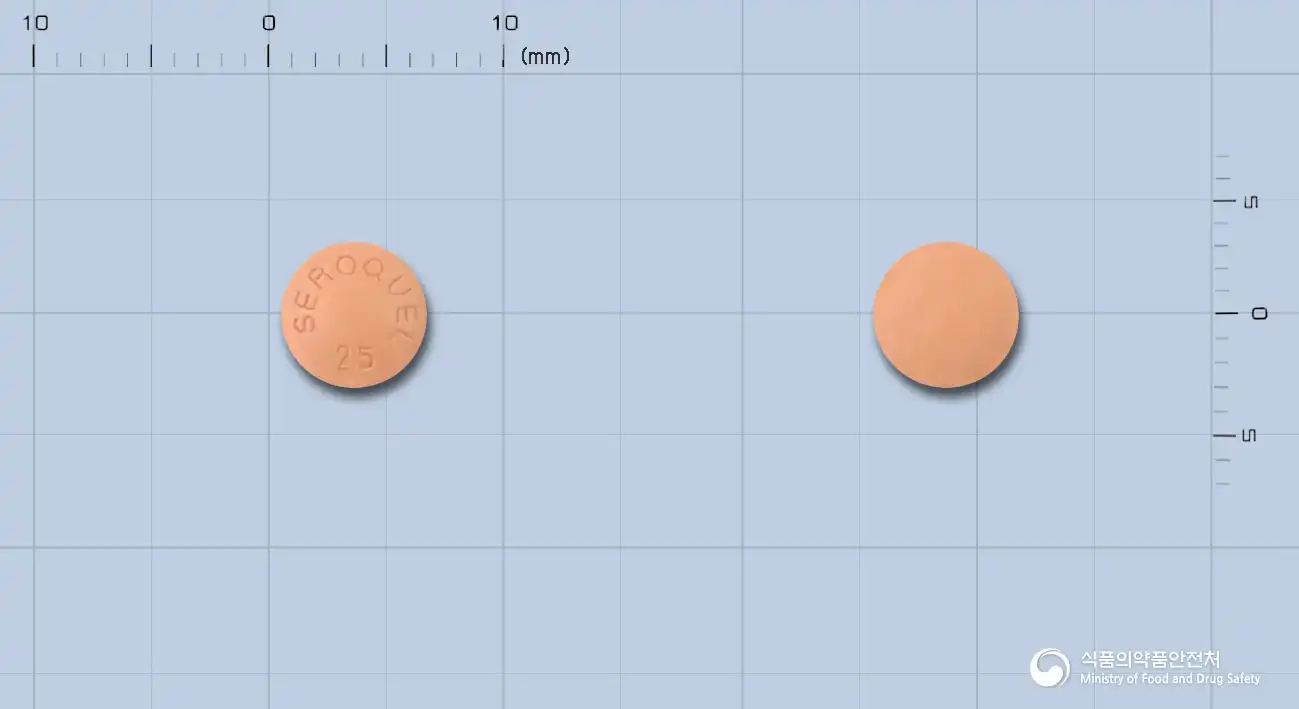
Quetiapine Fumarate 28.78mg
Tablet · Prescription medication
AlboGen Korea Co., Ltd.

Quetiapine Fumarate 115.13mg
Tablet · Prescription medication
AlboGen Korea Co., Ltd.
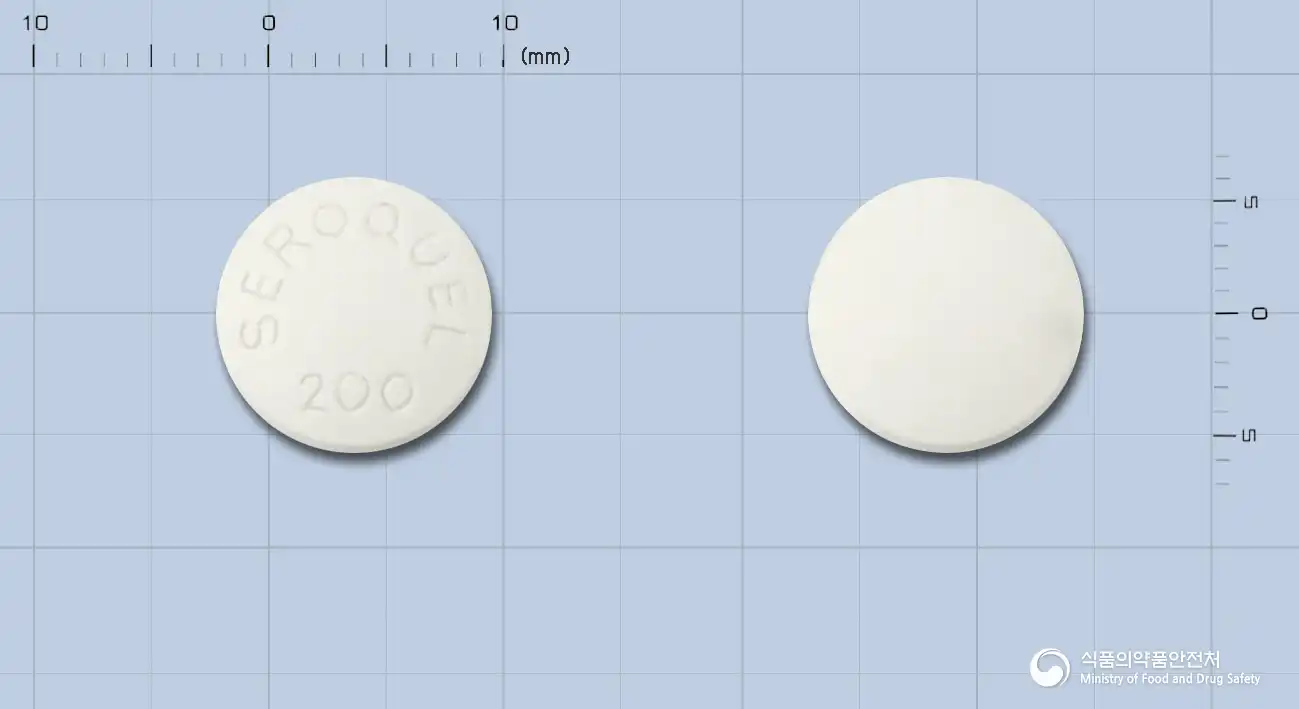
Quetiapine Fumarate 230.26mg
Tablet · Prescription medication
Albogen Korea Co., Ltd.
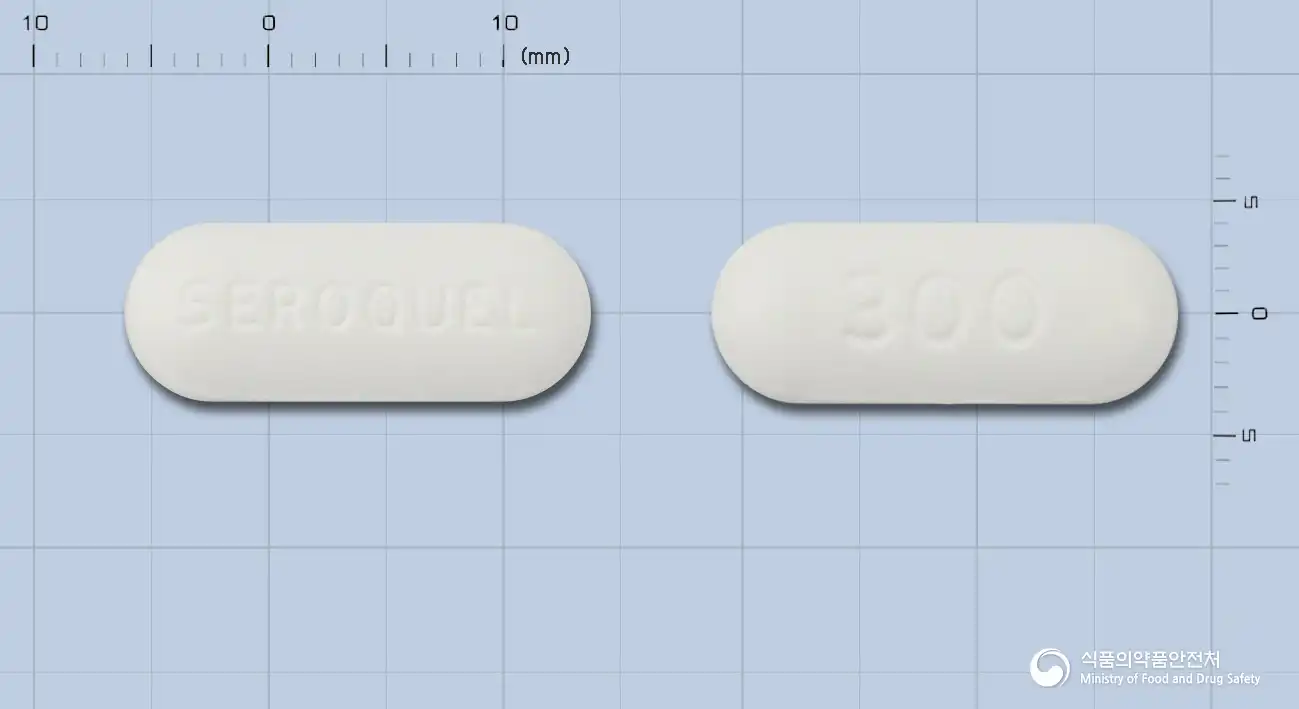
Quetiapine Fumarate 345.39mg
Tablet · Prescription medication
AlboGen Korea Co., Ltd.

Quetiapine Fumarate 115.13mg
Tablet · Prescription medication
Hanin Pharmaceutical Co., Ltd.
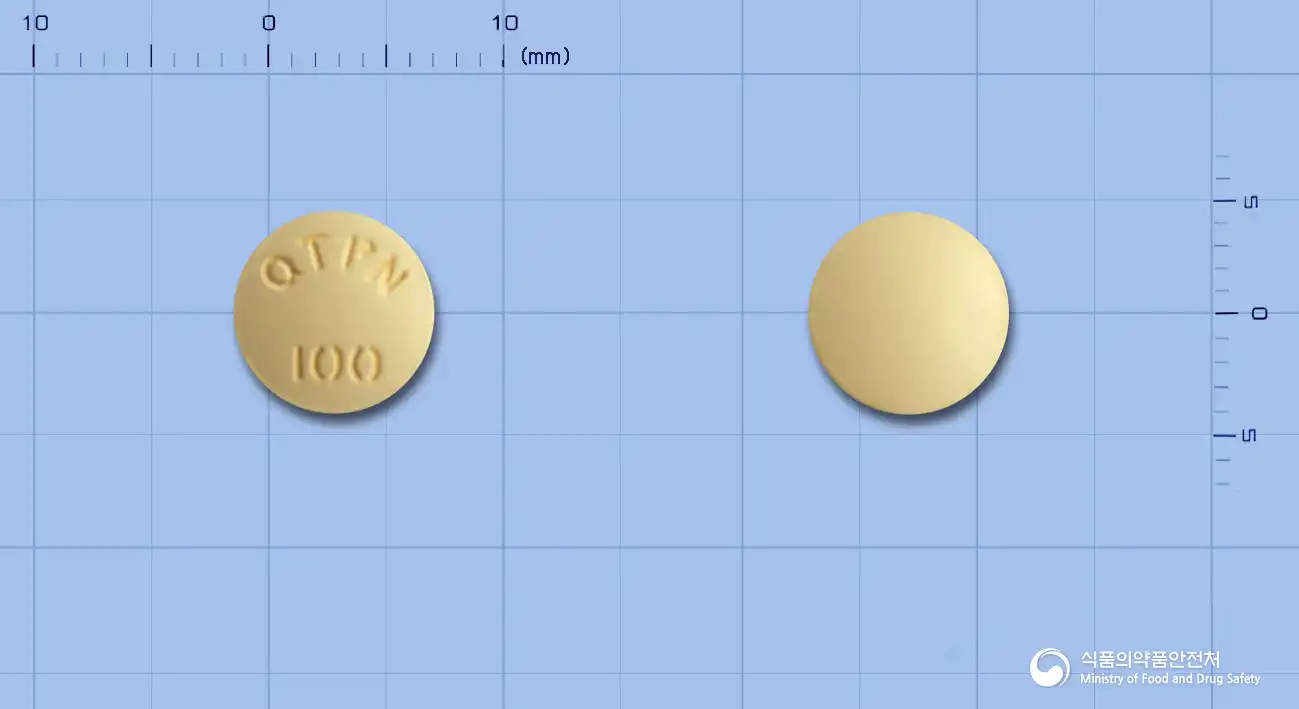
Quetiapine Fumarate 115.13mg
Tablet · Prescription medication
Youngjin Pharmaceutical Co., Ltd.
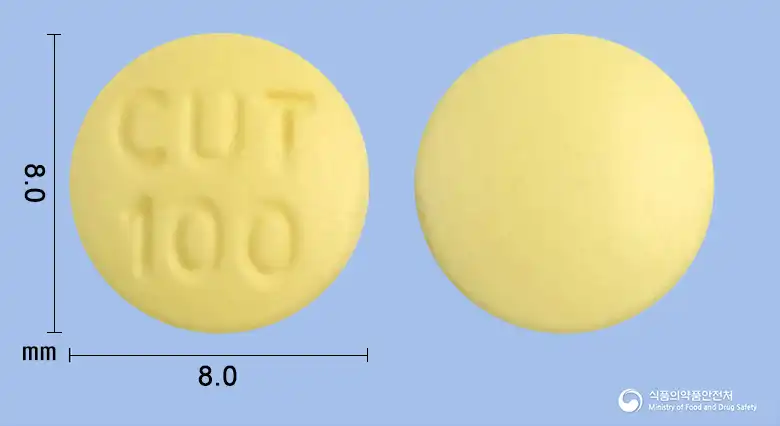
Quetiapine Fumarate 115.13mg
Tablet · Prescription medication
Korea Pharma Co., Ltd.
Even with the same ingredient, the dose and directions can differ by strength and dosage form. Talk to a doctor or pharmacist before switching from a medication you are already taking.
No questions yet.
For anything that needs medical judgment, consult a doctor or pharmacist.
This drug information is based on data provided by the Korea Ministry of Food and Drug Safety.
Consult a doctor or pharmacist for accurate dosage, administration, and usage instructions.