
 한국어
 English
 日本語
 中文(简体)
 Viewing now
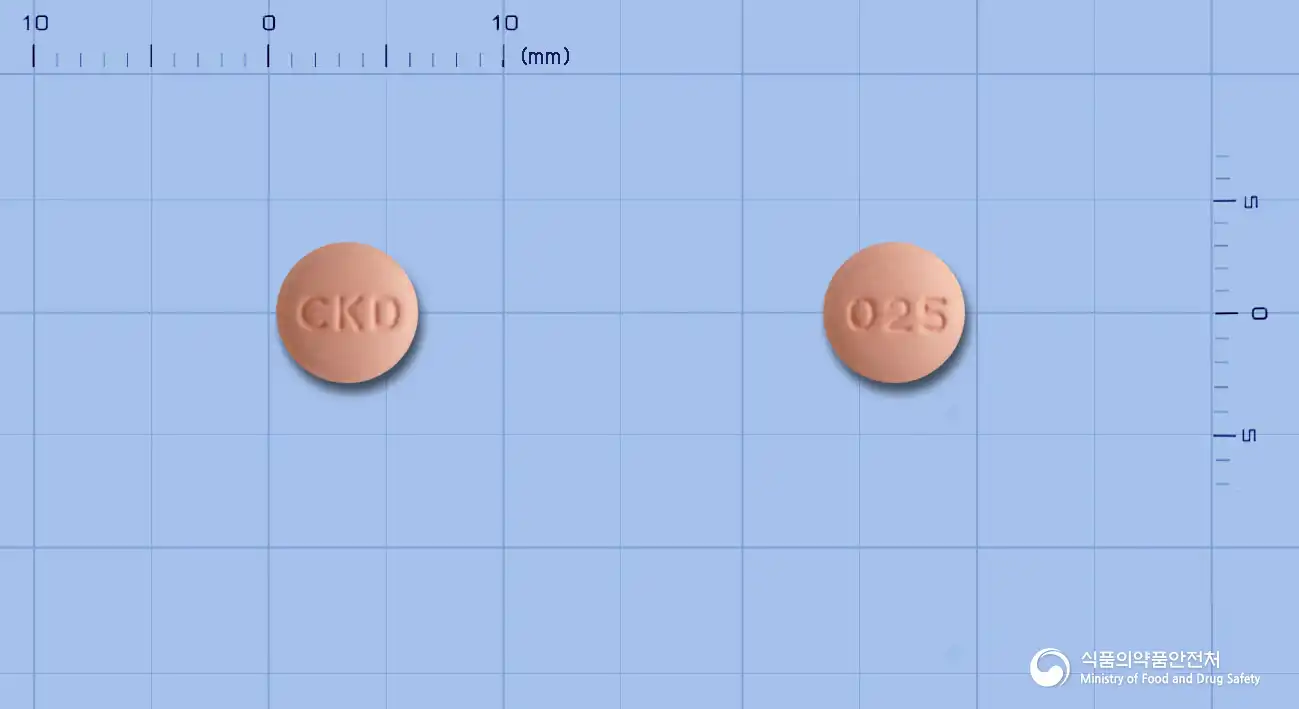
Tacrolimus Tablets 0.25 mg (Tacrolimus Hydrate)
Tacrolimus Hydrate 0.255mg
Tablet · Prescription medication
Jongkundang Co., Ltd.
MFDS item code 201507465 · Approved 2015.10.30 · Insurance code 643307300
Prevention of transplant rejection and graft-versus-host disease; treatment of autoimmune diseases (including lupus nephritis)
This medication is used to suppress rejection reactions that may occur after kidney or liver transplantation. It also helps treat graft rejection and graft-versus-host disease (GVHD) following bone marrow transplantation. In the case of chronic rheumatoid arthritis, it can be used when sufficient effect is not obtained from disease-modifying antirheumatic drugs (DMARDs). In lupus nephritis, it is used to improve nephritis symptoms in patients who show resistance to steroid monotherapy. Lastly, it is used in patients with myasthenia gravis when other immunosuppressants are ineffective or difficult to administer due to adverse reactions. This drug effectively treats various immune-related conditions and complications following transplantation.
Prevention of rejection in kidney transplantation Usually, the initial adult dose of tacrolimus is 0.10~0.15mg/kg per dose, administered orally twice daily, followed by gradual dose reduction. Refer to the ‘recommended minimum blood drug concentration’ for the maintenance dose, and adjust as appropriate according to symptoms. Prevention of rejection in liver transplantation Usually, the initial adult dose of tacrolimus is 0.05~0.10mg/kg per dose, administered orally twice daily, followed by gradual dose reduction. Refer to the ‘recommended minimum blood drug concentration’ for the maintenance dose, and adjust as appropriate according to symptoms. Bone marrow transplantation: Graft rejection and graft-versus-host disease following bone marrow transplantation Usually, starting 1 day before transplantation, administer tacrolimus at a dose of 0.06mg/kg per dose orally twice daily. In the early period after transplantation, administer tacrolimus at a dose of 0.06mg/kg per dose orally twice daily, followed by gradual dose reduction. When treatment with this drug is initiated after the onset of graft-versus-host disease, the usual dose of tacrolimus is 0.15mg/kg per dose orally twice daily. Adjust the dose as appropriate according to symptoms. Since absorption of this formulation after oral administration is variable and differs among patients, measure blood concentrations according to the patient's condition and adjust the dose with reference to the minimum blood drug concentration (trough level) in order to prevent adverse reactions when blood concentrations are high and rejection or onset of graft-versus-host disease when blood concentrations are low. Measure blood concentrations frequently, particularly immediately after transplantation or immediately after starting treatment. Also, use caution because adverse reactions are likely to recur when the minimum blood drug concentration remains above 20ng/mL for a prolonged period. Chronic rheumatoid arthritis The usual adult dose is 3mg of tacrolimus orally once daily after the evening meal. Regular monitoring is required in patients who develop adverse reactions. The usual dose for elderly patients is 1.5mg orally once daily after the evening meal, which may be increased to 3mg according to symptoms. Lupus nephritis The usual adult dose is 3mg of tacrolimus orally once daily after the evening meal. In clinical trials, when the effect was insufficient 12 weeks after starting treatment and safety was considered acceptable, 4 mg/day of this drug was administered for 4 weeks to confirm safety, after which the dose was increased to up to 5 mg/day. If adverse reactions occurred, the dose was appropriately reduced by 0.5 mg or 1 mg, taking the patient's condition into account. When a sufficient effect on lupus nephritis was achieved, this drug was reduced to a dose that maintained the effect. Myasthenia gravis In adults, administer 3mg of tacrolimus orally once daily after a meal.
Prevention of rejection in kidney transplantation: Usually, the initial pediatric dose of tacrolimus is 0.15mg/kg per dose orally twice daily, followed by gradual dose reduction. Refer to the ‘recommended minimum blood drug concentration’ for the maintenance dose, and adjust as appropriate according to symptoms. Prevention of rejection in liver transplantation: Usually, the initial pediatric dose of tacrolimus is 0.15mg/kg per dose orally twice daily, followed by gradual dose reduction. Refer to the ‘recommended minimum blood drug concentration’ for the maintenance dose, and adjust as appropriate according to symptoms.
This drug is an immunosuppressive agent, which may increase susceptibility to infections. Therefore, patients using this medication should be closely monitored for symptoms of infection. This drug can cause toxicity to the kidneys and nerves, so patients with compromised renal function should be particularly careful and have regular kidney function tests. If kidney function worsens, it may be necessary to reduce the dose or temporarily stop the medication. Potassium levels in the blood may increase, so it should not be taken with potassium-sparing diuretics, and blood potassium levels should be regularly monitored. This drug may cause neurological side effects such as headaches, tremors, changes in mental status, and seizures; if such symptoms occur, a doctor should be consulted immediately. Due to immunosuppression, there may be an increased risk of lymphoma or other malignancies, so periodic examinations are necessary with long-term use. This drug may increase the risk of latent viral infections or other opportunistic infections, so prompt treatment is required if infection symptoms appear. Confusing this drug with other forms of immunosuppressants can result in serious adverse effects, so it is important to take the exact prescribed dose in the same formulation. Diabetes may occur after kidney or liver transplantation, so blood glucose levels should be regularly checked, and if diabetes symptoms appear, it should be reported immediately. Patients with rheumatoid arthritis or lupus nephritis should consult a physician with sufficient experience in treating these diseases before administering this drug and should be cautious of adverse reactions during long-term use. This drug interacts with many specific medications, so if other medications are being taken, it is essential to inform healthcare providers, especially when taken with medications that can cause renal toxicity or those that affect the CYP3A4 enzyme; blood concentrations should be frequently monitored. Pregnant women or those who may become pregnant should consult specialists before taking this medication, as it may pose risks to the fetus, and appropriate contraceptive methods should be used. This drug is excreted in breast milk; therefore, breastfeeding is not recommended during its administration. Elderly patients may have decreased renal and liver function, so their condition should be more carefully monitored when administering this drug. In case of overdose, renal dysfunction, hypertension, hyperkalemia, and neurological abnormalities may occur, so it is essential to strictly adhere to the prescribed dose, and if an overdose is suspected, immediate consultation with healthcare personnel is required. During the course of this medication, it is crucial to have regular blood tests, kidney function tests, and blood glucose tests to detect adverse reactions early and manage them appropriately. Additionally, grapefruit juice should be avoided during this medication, and live vaccine administration should be refrained from.
Cardiac impairment, heart failure, ventricular and supraventricular arrhythmias, myocardial infarction, angina pectoris, pericardial effusion, QT prolongation, Torsade de pointes, acute renal failure, nephrotic syndrome, hemolytic uremic syndrome, thrombocytopenic purpura, pancytopenia, thrombocytopenic purpura, pure red cell aplasia, agranulocytosis, hemolytic anemia, seizures, intestinal obstruction, bacterial infections, viral infections, fungal infections, protozoal infections, lymphoproliferative disorders, lymphoma, posterior reversible encephalopathy syndrome, systemic seizures, altered consciousness, confusion, speech disorders, visual impairment, hemiplegia, cerebral infarction, cerebral hemorrhage, pneumonia due to epilepsy, diabetes mellitus, exacerbation of diabetes, hyperglycemia, pancreatitis, skin and mucous membrane syndrome, dyspnea, acute respiratory distress syndrome, myasthenic crisis, anemia, increase or decrease in platelet count, leukopenia, leukocytosis, lymphopenia, pruritus, alopecia, erythema, rash, tubule necrosis, hypertrophic cardiomyopathy, gynecomastia, vasodilation, decreased serum phosphate concentration, pleural effusion, ascites, asthma, fever, weight loss, flushing, generalized malaise, menorrhagia, myalgia, arthralgia, dysgeusia, aplastic anemia, cerebral infarction, toxic epidermal necrolysis, glaucoma, ketosis, nystagmus, mania, meningitis, hyperlactatemia, thrombophlebitis, thrombosis, vasculitis, foreign body sensation in the throat, pain, eye pain, redness, excessive sweating, thirst, body temperature changes, optic neuropathy, febrile neutropenia, headache, tremors, alterations in motor function, changes in mental status, sensory abnormalities, coma, mental confusion, hyperkalemia, increased creatinine, decreased urine output, polyuria, nocturia, post-void residual, glycosuria, hypomagnesemia, acidosis, hypercholesterolemia, hyperphosphatemia, hypophosphatemia, hypertriglyceridemia, hyperchloremia, hypercalcemia, hypocalcemia, hyponatremia, hypokalemia, increased blood pressure, edema, tachycardia, palpitations, hypotension, bradycardia, ataxia, hallucinations, anxiety, delirium, insomnia, paresthesia, eye twitching, limb rigidity, paralysis, drowsiness, stupor, clouding of consciousness, localized sensory loss, delirium, depression, agitation, chest pain, abdominal bloating, bowel motility disorder, loss of appetite, diarrhea, abdominal pain, gastric ulcer, duodenal ulcer, colitis, stomatitis, nausea, vomiting, black stools, gastrointestinal bleeding, gastrointestinal perforation, elevated amylase, liver dysfunction, jaundice, thrombocytopenia, nocturia, low back pain, ascites, peripheral edema, pleural effusion, atelectasis, increased cough, arthralgia, rash, pruritus, fever, asthenia, low back pain, chest pain, dysuria, pyuria, toxic renal disease, acute kidney failure, proteinuria, bladder spasms, reduced urine output, urgent urinary incontinence, nocturia, urinary incontinence, urinary retention, vaginitis, acidosis, increased alkaline phosphatase, alkalosis, hyperbilirubinemia, non-healing wounds, hyperlipidemia, hyperphosphatemia, hyperuricemia, hypocalcemia, hyponatremia, hypoproteinemia, elevated AST, elevated ALT, decreased bicarbonate, dehydration, hyperglycemia, hypoglycemia, increased lactate dehydrogenase, weight gain, edema, gout, hypercalcemia, hypercholesterolemia, peripheral edema, Cushing's syndrome, coagulopathy, petechial hemorrhage, hypochromic anemia, leukopenia, thrombocytopenia, erythrocytosis, decreased prothrombin, decreased plasma iron, increased hematocrit, abnormal hemoglobin, leukocytosis, systemic seizures, limb cramps, myalgia, myasthenia, osteoporosis, joint disease, painful muscle cramps, reduced movement, asthma, bronchitis, lung disease, pulmonary edema, pharyngitis, pneumonia, respiratory distress, rhinitis, sinusitis, voice changes, pneumothorax, hiccups, decreased lung function, alopecia, herpes simplex, hirsutism, skin disease, sweating, acne, fungal dermatitis, skin discoloration, skin ulcers, exfoliative dermatitis, herpes zoster, benign skin neoplasms, abdominal distension, abscess, chills, hernia, peritonitis, photosensitivity reactions, allergic reactions, cellitis, influenza-like syndrome, sepsis, abdominal pain, incidental injury, back pain, soft tissue infection, falls, altered sensation, intolerance to temperature, ulcers, heartburn, epigastric discomfort, retinopathy, cold, chest pain, leg pain, low back pain, hyperglycemia, diabetes mellitus, cytomegalovirus infection, uterine smooth muscle tumors, cardiac arrest, dysphagia, retinopathy, hoarseness, cold
Not everyone experiences these, and they can vary from person to person.
Store this medication in a tightly sealed container away from air and moisture. It is advisable to maintain the storage temperature between 1°C and 30°C room temperature.
Pink round film-coated tablets
50 tablets (10 tablets/PTP × 5)
Even with the same ingredient, strength, dosage form and how it is taken can differ.
Viewing nowTacrolimus Hydrate 0.255mg
Tablet · Prescription medication
Jongkundang Co., Ltd.
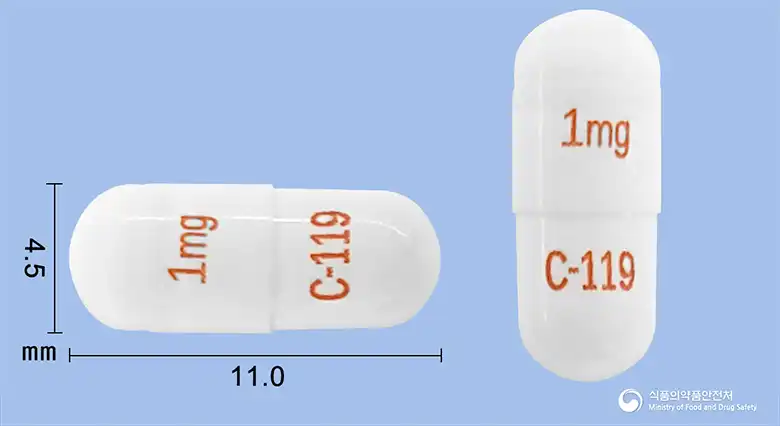
Tacrolimus Hydrate 1.02mg
Hard capsule · Prescription medication
Chongkundang Corporation
 Combination
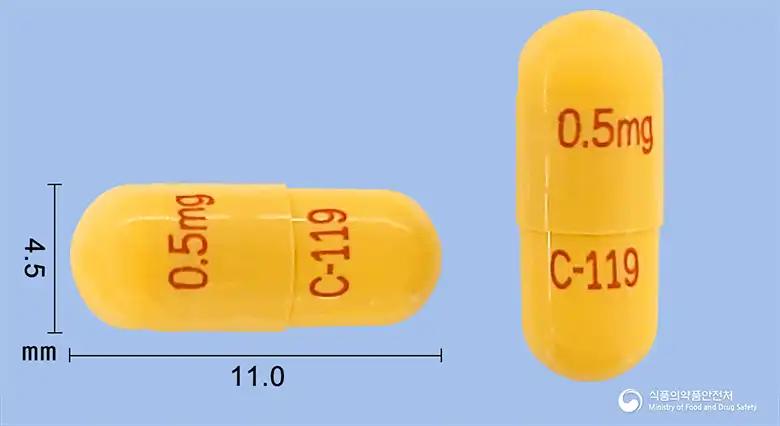
Tacrolimus Hydrate 0.51mg · Tacrolimus Hydrate 0.51mg
Hard capsule · Prescription medication · Combination
Chongkundang Corporation
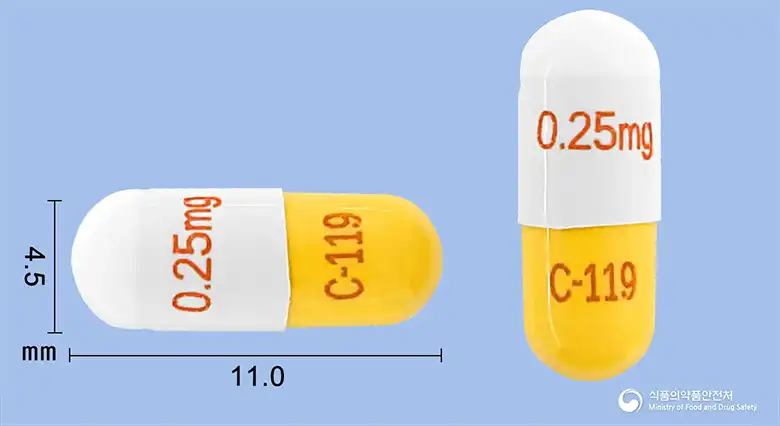
Tacrolimus Hydrate 0.255mg
Hard capsule · Prescription medication
Chongkundang Corporation
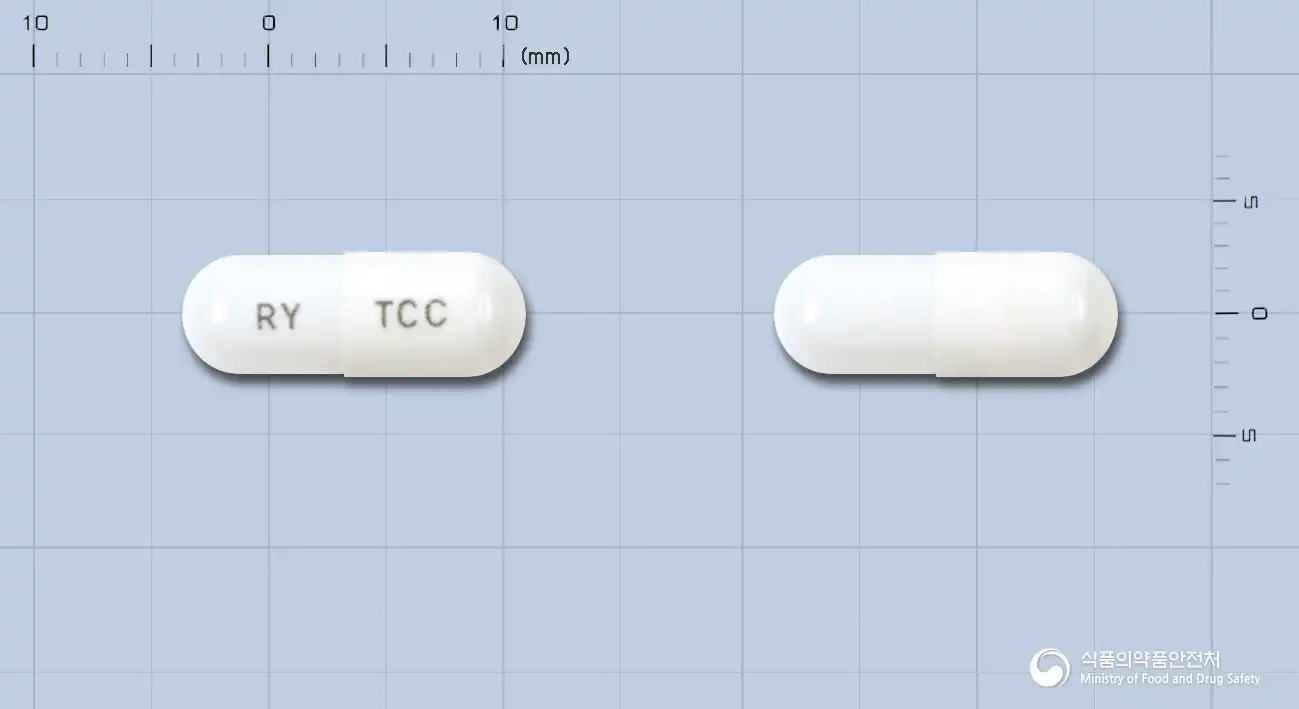
Tacrolimus Hydrate 1.02mg
Hard capsule · Prescription medication
Ilyun Pharmaceutical Co., Ltd.
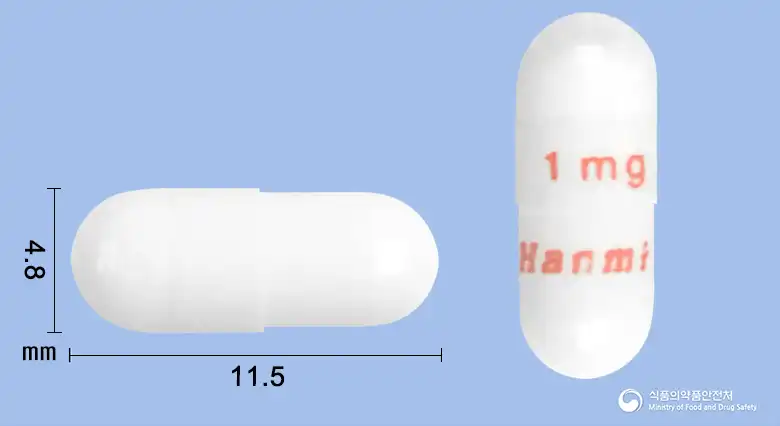
Tacrolimus Hydrate 1.02mg
Hard capsule · Prescription medication
Hanmi Pharmaceutical Co., Ltd.
Tacrolimus Hydrate 5.1mg
Prescription medication
Korea Astellas Pharma Co., Ltd.
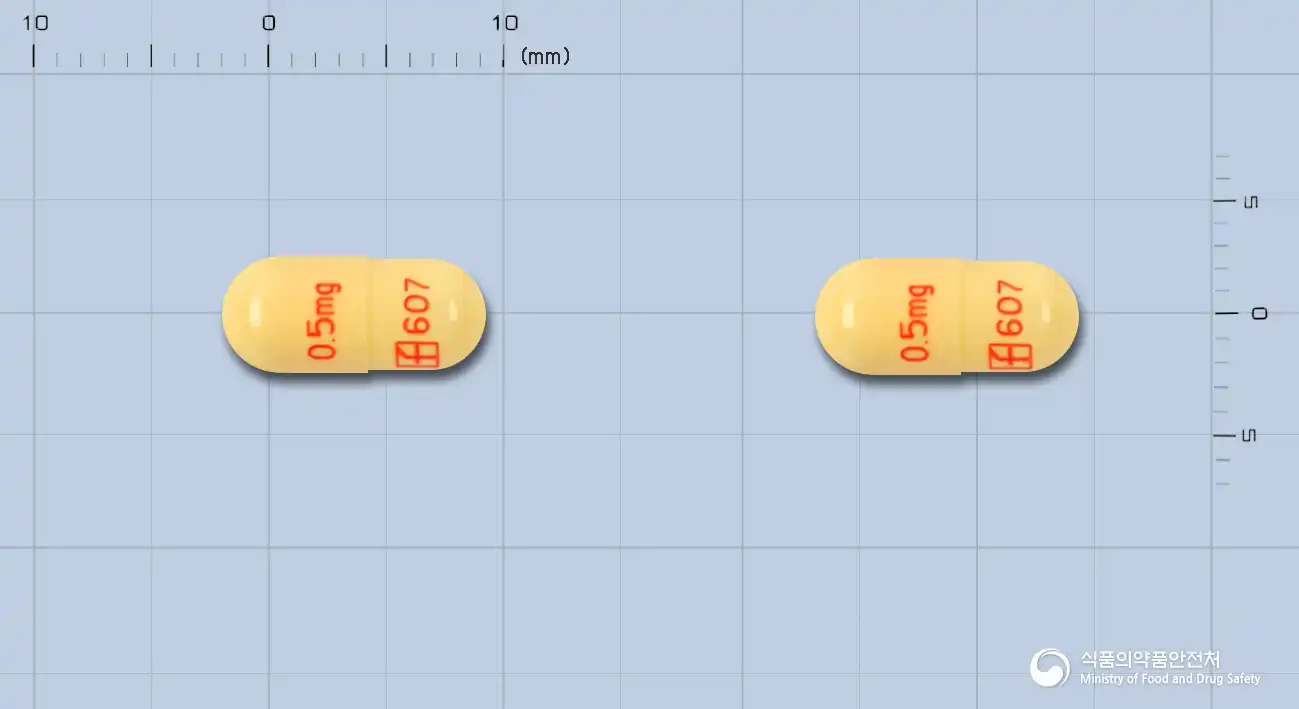
Tacrolimus Hydrate 0.51mg
Hard capsule · Prescription medication
Korea Astellas Pharma Co., Ltd.
Even with the same ingredient, the dose and directions can differ by strength and dosage form. Talk to a doctor or pharmacist before switching from a medication you are already taking.
No questions yet.
For anything that needs medical judgment, consult a doctor or pharmacist.
This drug information is based on data provided by the Korea Ministry of Food and Drug Safety.
Consult a doctor or pharmacist for accurate dosage, administration, and usage instructions.