
 한국어
 English
 日本語
 中文(简体)
 Viewing now
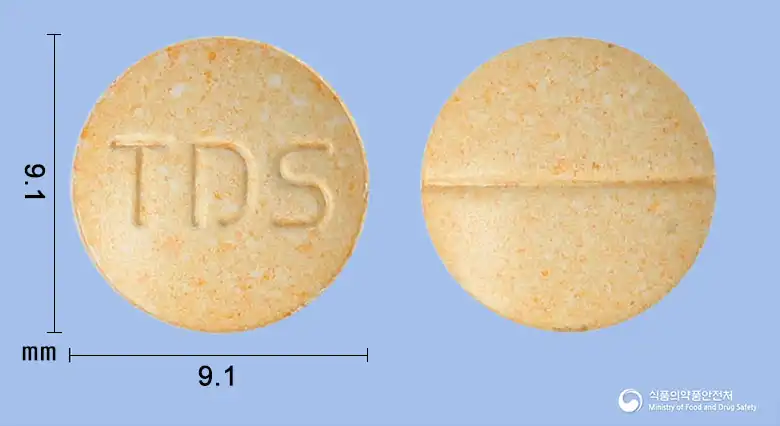
Doxyend Tablet (Doxycycline Hydrate)
Doxycycline Hydrate 100mg
Tablet · Prescription medication
TDS Pharm Co., Ltd.
MFDS item code 201507460 · Approved 2015.10.29 · Insurance code 679801470
Treatment of bacterial infections (including pneumonia and scrub typhus), acne, and intestinal amoebiasis
This medication is used to treat various bacterial infections. It is effective for treating Rickettsial infections such as epidemic typhus, scrub typhus, and Rocky Mountain spotted fever, as well as sexually transmitted diseases like lymphogranuloma venereum and syphilis. It also treats severe infectious diseases such as cholera, plague, and anthrax, and improves respiratory infections such as bronchitis, pneumonia, and tonsillitis, as well as ear, nose, and throat infections like otitis media and sinusitis. It is also used for urogenital infections like pyelonephritis, cystitis, urethritis, and intrauterine infections, as well as infections of various tissues such as osteomyelitis, lymphadenitis, and mastitis. This medication rapidly and effectively treats a range of bacterial infections, improving the patient's condition. Therefore, it is widely used for various infections.
Adults: The initial dose of doxycycline is 100 mg (potency) per dose, administered orally every 12 hours. The maintenance dose is 100 mg (potency) per day in 1 ∼ 2 divided doses. In severe infections, administer the initial dose every 12 hours. Continue administering this drug for 24 ~ 48 hours after symptoms subside and fever resolves. For streptococcal infections, continue treatment for at least 10 days to prevent the development of rheumatic fever or glomerulonephritis. Adjust the dose as appropriate according to age and symptoms.
Adolescents aged 12 years and older: For those weighing 45 kg or less, the initial dose is 4 mg (potency) per kg of body weight per day, administered orally in 2 divided doses. The maintenance dose is 2 mg (potency) per kg of body weight per day, administered in 1 ∼ 2 divided doses. Adolescents aged 12 years and older: For those weighing more than 45 kg, administer the dose corresponding to the adult dose.
This medication can cause diarrhea due to Clostridium difficile, which can lead to severe colitis, so if diarrhea symptoms appear, notify your healthcare provider immediately. Severe adverse skin reactions may occur while taking this medication, so if you develop a rash, dermatitis, or mucosal damage, you should stop taking the medication and seek treatment immediately. This medication should not be used by individuals who have allergies to this drug or tetracycline-class drugs, pregnant or breastfeeding women, children under 12 years old, and patients with severely impaired kidney or liver function. Patients with poor kidney function may experience drug accumulation and liver toxicity, necessitating dosage adjustment and blood testing. This medication can cause hypersensitivity to sunlight; exposure to direct sunlight or ultraviolet light can cause burns on the skin, so sun exposure should be avoided, and sunscreen should be used as needed. Liver function may worsen while taking this medication, so patients with liver disease should exercise caution. Esophagitis or esophageal ulcers may occur, so it is advisable to take the medication while sitting or standing with plenty of water and to avoid lying down immediately afterward. This drug may interact with other medications, so it is essential to inform your healthcare provider of any other medications you are taking. Pregnant or breastfeeding women are advised not to use this medication, as it can significantly impact fetal bone development and tooth discoloration. Children, particularly those under 12 years old, may also experience tooth discoloration and impacts on bone growth, so this medication is not used except in special cases. Elderly patients may have decreased kidney function and increased risk of bleeding, so they should start with a low dose and be carefully monitored. In cases of overdose, symptoms may include vomiting, nausea, liver and kidney damage, so immediate medical attention should be sought. This medication should be stored out of reach of children and in its original container to prevent quality deterioration.
Diarrhea, colitis, exfoliative dermatitis, erythema multiforme, mucocutaneous syndrome, toxic epidermal necrolysis, drug reaction accompanied by eosinophilia and systemic symptoms, hemolytic anemia, neutropenia, thrombocytopenia, hypersensitivity, anaphylactic shock, angioedema, exacerbation of systemic lupus erythematosus, pericarditis, serum sickness, Henoch-Schönlein purpura, hypotension, dyspnea, tachycardia, peripheral edema, urticaria, thyroid microscopic brown discoloration, reduced appetite, headache, benign intracranial hypertension, protruding fontanelle, tinnitus, flushing, nausea, vomiting, dyspepsia, pancreatitis, membrane enterocolitis, esophageal ulcer, esophagitis, enterocolitis, perianal and genital inflammation, dysphagia, abdominal pain, glossitis, tooth discoloration, liver toxicity, hepatitis, abnormal liver function, photosensitivity reaction, rash, exfoliative dermatitis, photo-onycholysis, arthralgia, myalgia, increased BUN, anemia, granulocytopenia, atypical lymphocytes, lymphocytopenia, lymphadenopathy, coagulopathy, anaphylactic reaction, fever, paresthesia, anxiety, restlessness, severe colitis accompanied by blood in stool, loose stools, stomatitis, sore throat, black hairy tongue, hoarseness, jaundice, onycholysis, nail color change, fixed drug rash, arthritis, kidney damage, interstitial nephritis, acute renal failure, oliguria, hematuria, visual impairment, papilledema of the optic nerve, decreased and loss of smell and taste, vitamin K deficiency, vitamin B complex deficiency symptoms, facial, tongue, and laryngeal edema, yellow urine, reduced urinary glucose, liver and renal parenchymal damage, esophagitis, esophageal ulcer, anaphylactic reaction, liver damage, pancreatitis
Not everyone experiences these, and they can vary from person to person.
This medication should be stored in a tightly closed container to avoid exposure to light and air. It is important to store it at room temperature between 1 and 30 degrees Celsius. Proper storage will help maintain the effectiveness of the medication.
Yellow, round tablet
30 tablets/bottle, 100 tablets/bottle
Even with the same ingredient, strength, dosage form and how it is taken can differ.
Viewing nowDoxycycline Hydrate 100mg
Tablet · Prescription medication
TDS Pharm Co., Ltd.
Doxycycline Hydrate
Prescription medication
Mothers Pharmaceutical Co., Ltd.
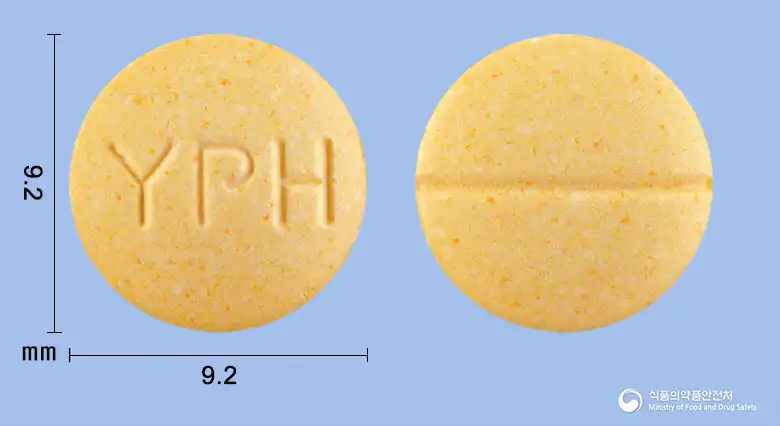
Doxycycline Hydrate 100mg
Tablet · Prescription medication
Youngpoong Pharmaceutical Co., Ltd.
Doxycycline
Prescription medication
Donggu Bio Pharmaceutical Co., Ltd.
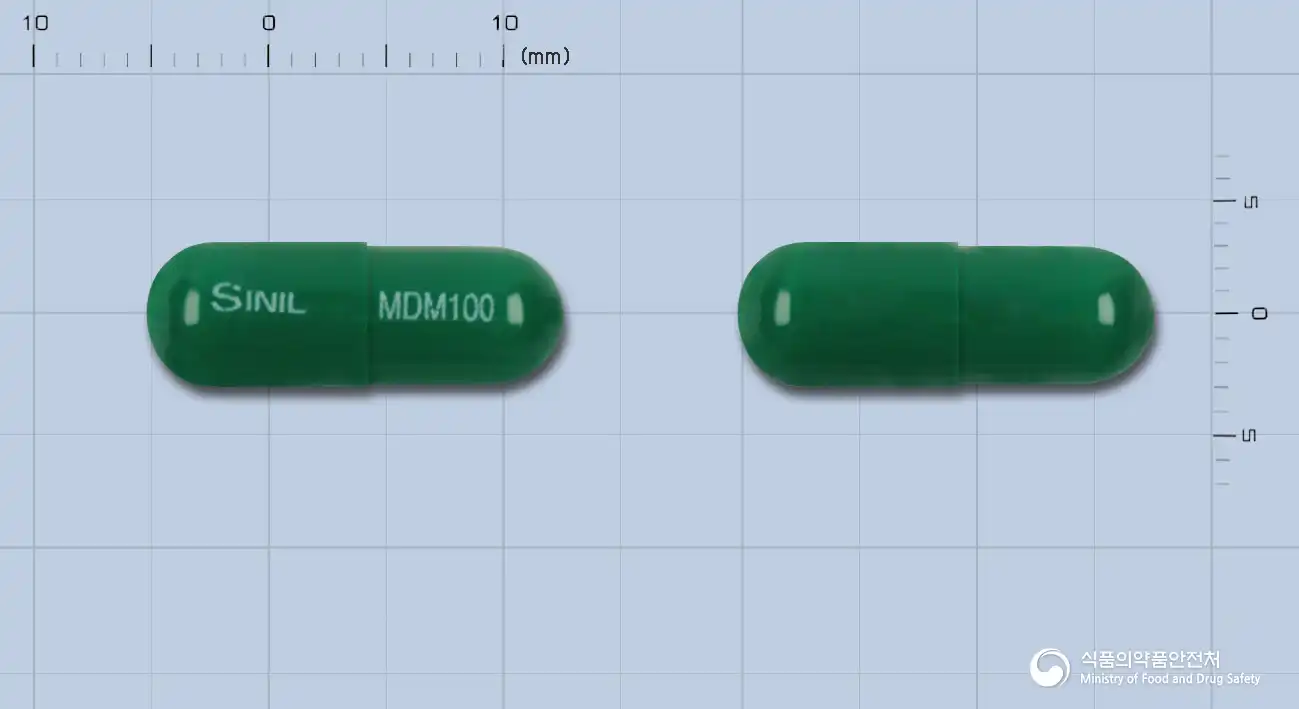
Doxycycline Hydrate 100mg
Hard capsule · Prescription medication
Sinil Pharmaceutical Co., Ltd.
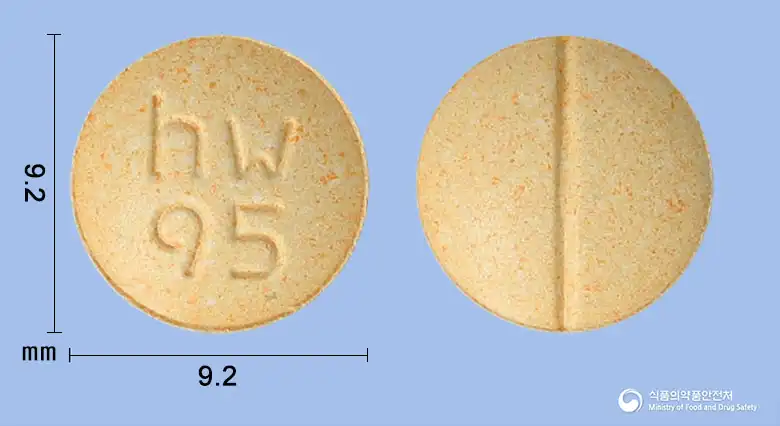
Doxycycline Hydrate 100mg
Tablet · Prescription medication
Hawon Pharmaceutical Co., Ltd.
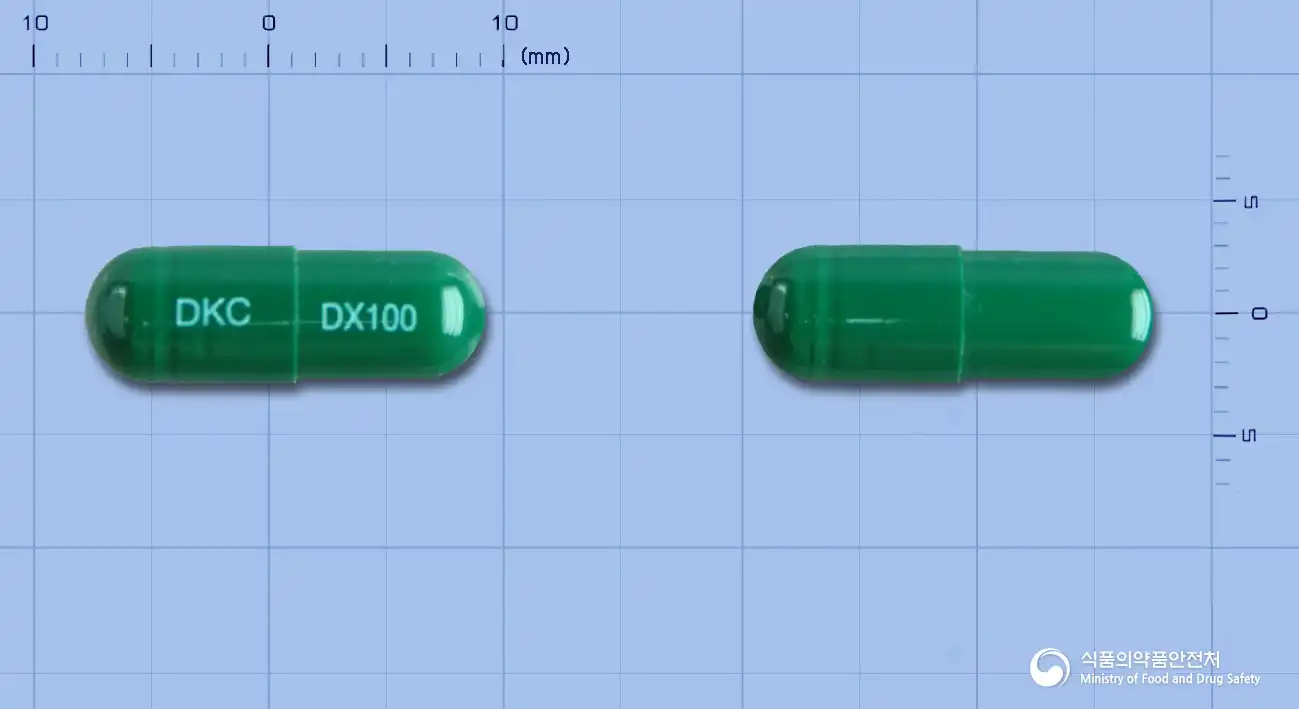
Doxycycline Hydrate 100mg
Hard capsule · Prescription medication
CL Pharm Co., Ltd.
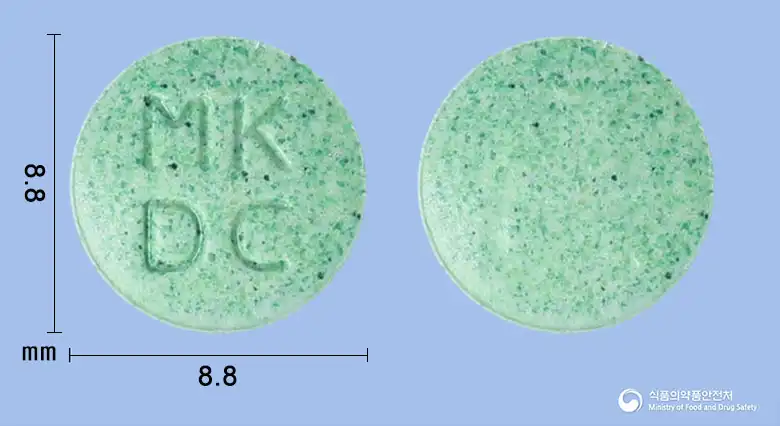
Doxycycline Hydrate 100mg
Tablet · Prescription medication
Medica Korea Co., Ltd.
Even with the same ingredient, the dose and directions can differ by strength and dosage form. Talk to a doctor or pharmacist before switching from a medication you are already taking.
No questions yet.
For anything that needs medical judgment, consult a doctor or pharmacist.
This drug information is based on data provided by the Korea Ministry of Food and Drug Safety.
Consult a doctor or pharmacist for accurate dosage, administration, and usage instructions.