
 한국어
 English
 日本語
 中文(简体)
 Viewing now
Mecusil 2 mg (Trametinib Dimethyl Sulfoxide)
Trametinib Dimethyl Sulfoxide Micronized 2.254mg
Tablet · Prescription medication
Korea Novartis Co., Ltd.
MFDS item code 201506891 · Approved 2015.10.01 · Insurance code 653602690
Treatment of melanoma (including postoperative adjuvant therapy), non-small cell lung cancer, and solid tumors
This medication is used alone or in combination with Dabrafenib for the treatment of patients with unresectable or metastatic melanoma confirmed to have BRAF V600E or V600K mutations. It is also used in combination with Dabrafenib as adjuvant therapy following complete surgical resection in patients with stage III melanoma, and is administered alongside treatment for patients with metastatic non-small cell lung cancer. It is also used in combination with Dabrafenib for patients who have advanced forms of solid tumors after initial treatments have failed. However, its efficacy has not been established in patients who have relapsed after previous treatment with BRAF inhibitors. This medication is primarily effective in treating cancer patients with specific BRAF mutations.
The recommended dose of this drug in adult patients is 2mg once daily, regardless of body weight, for both monotherapy and combination therapy. The recommended dose reductions for this drug in adult patients are shown in Table 1 below. Doses of less than 1mg once daily are not recommended. First dose reduction: 1.5mg orally once daily Second dose reduction: 1mg orally once daily If the patient is unable to tolerate this drug at 1mg orally once daily, permanently discontinue treatment. Continue treatment unless the disease progresses or unacceptable toxicity occurs. For adjuvant treatment of melanoma, treatment is limited to a maximum of 1 year. If a dose is missed and it is less than 12 hours until the next dose, do not take the missed dose. If the patient vomits after taking trametinib, do not take another dose; take the next dose at the scheduled time. Take with a glass of water at least 1 hour before a meal or at least 2 hours after a meal. When administered in combination with dabrafenib, take the once-daily dose of this drug at the same time each day, together with either the morning or evening dose of dabrafenib. Treatment interruption, dose reduction, or discontinuation may be required to manage adverse reactions. If the patient's adverse reactions are effectively managed, dose re-escalation may be considered according to the same dose levels used for dose reduction. Do not take more than 2mg of this drug per day. New primary cutaneous malignancy: No dose adjustment is required. New primary noncutaneous malignancy: No dose adjustment is required. When administered in combination with dabrafenib, permanently discontinue dabrafenib in patients who develop a RAS mutation-positive noncutaneous malignancy. Febrile drug reaction Fever of 38℃~40℃ (at the first sign of recurrence if recurrent): Interrupt treatment with this drug until the fever resolves. Then resume treatment with this drug at the same or a lower dose. Fever above 40℃, or fever accompanied by complications such as rigors, hypotension, dehydration, or renal failure: Interrupt treatment with this drug until the fever resolves. Then resume treatment with this drug at a lower dose, or permanently discontinue this drug. Intolerable Grade 2 skin toxicity, or Grade 3 or 4 skin toxicity: Interrupt treatment with this drug for up to 3 weeks. If the condition improves, resume treatment at a lower dose. If it does not improve, permanently discontinue treatment. Asymptomatic, absolute decrease in left ventricular ejection fraction (LVEF) of 10% or more from baseline and below the institutional lower limit of normal (LLN) compared with pretreatment: Interrupt treatment with this drug for up to 4 weeks. If LVEF improves to normal, resume treatment at a lower dose. If LVEF does not improve to normal, permanently discontinue treatment. Symptomatic, congestive heart failure, absolute decrease in LVEF of 20% or more from baseline and below the institutional LLN: Permanently discontinue treatment with this drug. Uncomplicated deep vein thrombosis or pulmonary embolism: Interrupt treatment with this drug for up to 3 weeks. If the condition improves to Grade 0~1, resume treatment at a lower dose. If it does not improve, permanently discontinue treatment. Life-threatening pulmonary embolism: Permanently discontinue treatment with this drug. Grade 2~3 retinal pigment epithelial detachment (RPED): Interrupt treatment with this drug for up to 3 weeks. If the condition improves to Grade 0~1, resume treatment at a lower dose. If it does not improve, permanently discontinue treatment. Retinal vein occlusion: Permanently discontinue treatment with this drug. Uveitis and iritis: No dose adjustment of this drug is required. Interstitial lung disease/pneumonitis: Permanently discontinue treatment with this drug. Intolerable Grade 2 or higher adverse reaction, or any Grade 3 adverse reaction: Interrupt treatment with this drug for up to 3 weeks. If the condition improves to Grade 0~1, resume treatment at a lower dose. If it does not improve, permanently discontinue treatment. First occurrence of a Grade 4 adverse reaction: Interrupt treatment with this drug until the adverse reaction improves to Grade 0~1. Then resume treatment at a lower dose, or permanently discontinue treatment. Recurrence of any Grade 4 adverse reaction: Permanently discontinue treatment with this drug. If the patient's temperature is 38℃ or higher, interrupt treatment with this drug (both this drug and dabrafenib when used in combination). In the event of recurrence, treatment may be interrupted at the first sign of fever. Treatment should be initiated with an antipyretic such as ibuprofen or acetaminophen (paracetamol). If the antipyretic is inadequate, consider administering an oral corticosteroid. The patient should be evaluated for signs and symptoms of infection. If the patient has been symptom-free for at least 24 hours, resume treatment with this drug (both this drug and dabrafenib in combination therapy) as follows: (1) Resume at the same dose (2) Or, if fever recurs or is accompanied by other severe symptoms, including dehydration, hypotension, or renal failure, resume at a dose reduced by one dose level according to Tables 1, 3, and 4
The recommended dose has not been established for patients weighing less than 26kg. 26 – 37kg: 1mg orally once daily 38 – 50kg: 1.5mg orally once daily 51kg or more: 2mg orally once daily Recommended dose 1mg orally once daily: first dose reduction 0.5mg orally once daily; second dose reduction - Recommended dose 1.5mg orally once daily: first dose reduction 1mg orally once daily; second dose reduction 0.5mg orally once daily Recommended dose 2mg orally once daily: first dose reduction 1.5mg orally once daily; second dose reduction 1mg orally once daily If the patient cannot tolerate the second reduced dose, permanently discontinue treatment.
This medication should not be used in patients who have allergic reactions to the active ingredient or excipients. During treatment with this medication, side effects such as rash, diarrhea, fatigue, edema, nausea, dermatitis may commonly occur, so caution is necessary. When used in combination with other drugs, a variety of symptoms may present, including fever, headache, hypertension, arthralgia, and cough, so a doctor's guidance is essential. Serious side effects such as cardiac dysfunction, bleeding, pulmonary conditions, and hepatic dysfunction may occur, necessitating regular examinations. Women who are pregnant or plan to become pregnant should consult a doctor as this medication may be harmful to the fetus. Nursing mothers should also decide on use after consulting with a doctor, as this medication may affect breastfed infants. This medication is not recommended for children, especially those under six years of age, as its safety and efficacy have not been established. Elderly patients should use this medication with caution as the risk of side effects may vary and dosage adjustments may be necessary for patients with decreased renal or hepatic function. Care should be taken when driving or operating machinery, as fatigue, dizziness, and visual problems may pose risks. In case of overdose, no specific antidote exists, so it's crucial to adhere strictly to the dosage, and storage should be in a safe place out of reach of children.
Rash, diarrhea, fatigue, peripheral edema, nausea, acneiform dermatitis, fever, headache, chills, arthralgia, hypertension, vomiting, cough, folliculitis, paronychia, cellulitis, pustular rash, anemia, hypersensitivity reaction, dehydration, blurred vision, periorbital edema, visual impairment, dry eyes, chorioretinopathy, retinal vein occlusion, papilledema, retinal detachment, dizziness, taste disorder, left ventricular failure, reduced ejection fraction, bradycardia, heart failure, bleeding, lymphedema, dyspnea, epistaxis, lung inflammation, interstitial lung disease, vomiting, constipation, abdominal pain, dry mouth, stomatitis, gastrointestinal perforation, colitis, dry skin, pruritus, hair loss, taut skin, erythema, palmoplantar erythrodysesthesia syndrome, skin fissures, rhabdomyolysis, elevated serum creatine phosphokinase, facial edema, mucosal inflammation, lethargy, increased aspartate aminotransferase, increased alanine aminotransferase, increased serum alkaline phosphatase, urinary tract infection, nasopharyngitis, squamous cell carcinoma of the skin, squamous cell carcinoma in situ, keratoacanthoma, skin papilloma, seborrheic keratosis, soft fibroma, new primary melanoma, neutropenia, thrombocytopenia, leukopenia, decreased appetite, hyperglycemia, hyponatremia, hypophosphatemia, headache, uveitis, iritis, hypotension, pancreatitis, acute renal failure, renal failure, nephritis, flu-like syndrome, elevated alanine aminotransferase (ALT), elevated aspartate aminotransferase (AST), increased serum alkaline phosphatase, pulmonary embolism, squamous cell carcinoma of the skin, leukopenia, acute pancreatitis, muscle spasms, myalgia, muscle cramps, tubulointerstitial nephritis, edema, Stevens-Johnson syndrome, drug reaction with eosinophilia and systemic symptoms, generalized exfoliative dermatitis, pneumonia, sepsis, pleural effusion, pulmonary embolism, myocarditis, cardiomyopathy, retinal vein occlusion, retinal pigment epithelium detachment, uveitis, iritis, interstitial lung disease, sarcoidosis, hemophagocytic lymphohistiocytosis, tumor lysis syndrome, peripheral neuropathy, Guillain-Barré syndrome, atrioventricular block, bundle branch block, venous thromboembolism, acute febrile neutrophilic dermatosis, weight gain, lethargy
Not everyone experiences these, and they can vary from person to person.
This medication should be stored in a tightly sealed container to avoid exposure to air and light, and it is important to keep it in a location that blocks light. Additionally, to maintain its efficacy, it should be stored at refrigeration temperatures between 2°C and 8°C.
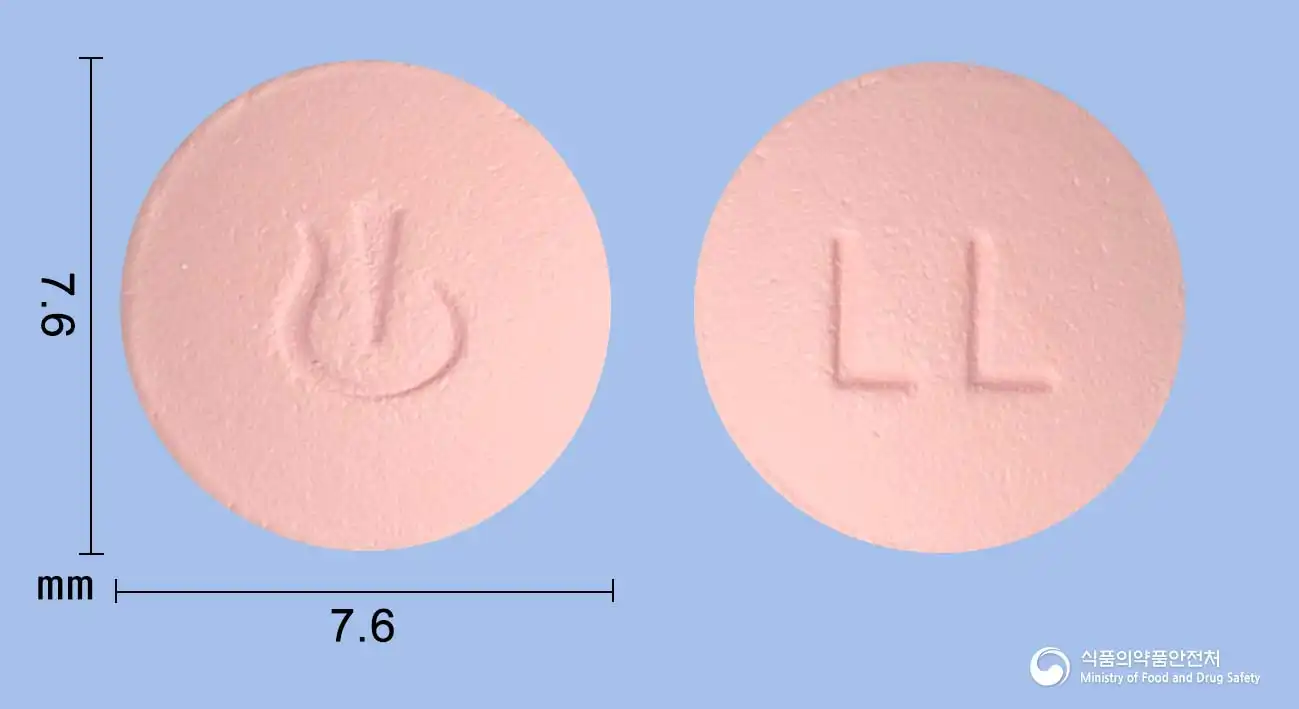
Pink, double convex, round film-coated tablet
30 tablets (30 tablets per bottle)
Even with the same ingredient, strength, dosage form and how it is taken can differ.
Viewing nowTrametinib Dimethyl Sulfoxide Micronized 2.254mg
Tablet · Prescription medication
Korea Novartis Co., Ltd.
Trametinib Dimethyl Sulfoxide Micronized 0.5635mg
Tablet · Prescription medication
Korea Novartis Co., Ltd.
Even with the same ingredient, the dose and directions can differ by strength and dosage form. Talk to a doctor or pharmacist before switching from a medication you are already taking.
No questions yet.
For anything that needs medical judgment, consult a doctor or pharmacist.
This drug information is based on data provided by the Korea Ministry of Food and Drug Safety.
Consult a doctor or pharmacist for accurate dosage, administration, and usage instructions.