
 한국어
 English
 日本語
 中文(简体)
 Viewing now
Makyusell Tablet 0.5 mg (Trametinib Dimethyl Sulfoxide)
Trametinib Dimethyl Sulfoxide Micronized 0.5635mg
Tablet · Prescription medication
Korea Novartis Co., Ltd.
MFDS item code 201506890 · Approved 2015.10.01 · Insurance code 653602680
Treatment of BRAF-mutant melanoma (including adjuvant therapy), non-small cell lung cancer, and solid tumors
This drug is used alone or in combination with Dabrafenib for melanoma patients with a confirmed genetic mutation (BRAF V600E or V600K) in cases where surgery is not possible or metastatic. It also helps prevent recurrence when administered to patients with stage III melanoma after complete surgical resection. In metastatic non-small cell lung cancer patients, it can be expected to have a therapeutic effect when used in combination with Dabrafenib. Additionally, this drug is used effectively in patients with unresectable or metastatic solid tumors (excluding colorectal cancer) after previous treatment.
The recommended dose of this drug in adult patients, whether administered as monotherapy or in combination, is 2mg once daily, regardless of body weight. The recommended dose reductions for this drug in adult patients are presented in Table 1 below. Doses of less than 1mg once daily are not recommended. First dose reduction: 1.5mg orally once daily Second dose reduction: 1mg orally once daily Discontinue treatment permanently if the patient cannot tolerate this drug at a dose of 1mg orally once daily. Continue treatment unless the disease progresses or unacceptable toxicity occurs. For adjuvant treatment of melanoma, treatment duration is limited to a maximum of 1 year. If a dose is missed, do not take it if there are less than 12 hours until the next dose. If the patient vomits after taking trametinib, do not take another dose; take the next dose at the scheduled time. Take with a glass of water at least 1 hour before or at least 2 hours after a meal. When administered in combination with dabrafenib, take the once-daily dose of this drug at the same time each day, together with either the morning or evening dose of dabrafenib. Treatment interruption, dose reduction, or discontinuation may be required to manage adverse reactions (see Tables 1, 3, and 4). If the patient's adverse reactions are effectively managed, dose re-escalation may be considered according to the same dose levels used for dose reduction. Do not take more than 2mg of this drug per day. New primary cutaneous malignancy: No dose adjustment is required. New primary noncutaneous malignancy: No dose adjustment is required. When administered in combination with dabrafenib, permanently discontinue dabrafenib in patients who develop a RAS mutation-positive noncutaneous malignancy. Febrile drug reaction ● Fever of 38℃ to 40℃ (at the first symptom in case of recurrence) Withhold this drug until the fever resolves. Then resume treatment with this drug at the same or a lower dose. ● Fever exceeding 40℃ ● Fever accompanied by complications such as rigors, hypotension, dehydration, or renal failure ● Withhold this drug until the fever resolves. Then resume treatment with this drug at a lower dose. Or ● Permanently discontinue this drug. Skin ● Intolerable Grade 2 skin toxicity ● Grade 3 or 4 skin toxicity Withhold this drug for up to 3 weeks. ● If improved, resume treatment at a lower dose. ● If not improved, permanently discontinue treatment. Cardiac ● Asymptomatic, with an absolute decrease in left ventricular ejection fraction (LVEF) of 10% or more from baseline and below the institutional lower limit of normal (LLN) compared with the pretreatment value Withhold this drug for up to 4 weeks. ● If LVEF improves to normal, resume treatment at a lower dose. ● If LVEF does not improve to normal, permanently discontinue treatment. ● Symptomatic congestive heart failure ● Absolute decrease in LVEF of 20% or more from baseline and below the institutional LLN Permanently discontinue this drug. Venous thromboembolism ● Uncomplicated deep vein thrombosis or pulmonary embolism Withhold this drug for up to 3 weeks. ● If improved to Grade 0–1, resume treatment at a lower dose. ● If not improved, permanently discontinue treatment. ● Life-threatening pulmonary embolism Permanently discontinue this drug. Ocular toxicity ● Grade 2–3 retinal pigment epithelial detachment (RPED) Withhold this drug for up to 3 weeks. ● If improved to Grade 0–1, resume treatment at a lower dose. ● If not improved, permanently discontinue treatment. ● Retinal vein occlusion Permanently discontinue this drug. ● Uveitis and iritis Do not adjust the dose of this drug. Pulmonary ● Interstitial lung disease/pneumonitis Permanently discontinue this drug. Other ● Intolerable Grade 2 adverse reaction ● Any Grade 3 adverse reaction Withhold this drug for up to 3 weeks. ● If improved to Grade 0–1, resume treatment at a lower dose. ● If not improved, permanently discontinue treatment. ● First occurrence of a Grade 4 adverse reaction ● Withhold this drug until the adverse reaction improves to Grade 0–1. Then resume treatment at a lower dose. Or ● Permanently discontinue treatment. ● Recurrence of any Grade 4 adverse reaction Permanently discontinue this drug. Management of fever: If the patient's body temperature is 38℃ or higher, withhold this drug (and both this drug and dabrafenib in combination therapy). In case of recurrence, treatment may be withheld at the first symptom of fever. Treatment with an antipyretic such as ibuprofen or acetaminophen (paracetamol) should be initiated. If antipyretics are insufficient, consider administering an oral corticosteroid. The patient should be evaluated for signs and symptoms of infection (see Precautions for Use, Section 3.7). When the patient has been symptom-free for at least 24 hours, resume this drug (and both this drug and dabrafenib in combination therapy) as follows: (1) Resume at the same dose (2) Or, if fever recurs or is accompanied by other severe symptoms, including dehydration, hypotension, or renal failure, resume at a dose reduced by one dose level according to Tables 1, 3, and 4
In pediatric patients weighing 26kg or more, the recommended dose of this medicine is based on body weight (see Table 2). The recommended dose has not been established for patients weighing less than 26kg. 26 – 37kg: 1mg orally once daily; first dose reduction 0.5mg orally once daily 38 – 50kg: 1.5mg orally once daily; first dose reduction 1mg orally once daily; second dose reduction 0.5mg orally once daily 51kg or more: 2mg orally once daily; first dose reduction 1.5mg orally once daily; second dose reduction 1mg orally once daily If the patient cannot tolerate the second reduced dose, permanently discontinue treatment.
This drug should not be administered to patients allergic to the active ingredient or excipients. During treatment with this drug, various side effects such as rash, diarrhea, fatigue, edema, nausea, dermatitis may occur and should be monitored. Especially, when this drug is combined with other medications, the incidence of side effects such as fever, headache, hypertension, cough may increase. Severe adverse reactions like fatal bleeding, cardiac dysfunction, and pulmonary disease may occur, and if symptoms arise, immediate consultation with healthcare professionals is necessary. A test to check for BRAF genetic mutation is required before taking this drug, and it should not be administered to patients without this mutation. Women who are pregnant or may become pregnant should confirm their pregnancy status before taking this drug as it can harm the fetus, and must use effective contraception during and for a period after treatment. Nursing mothers should consult with a doctor regarding whether to take this drug, as it can pass into breast milk and affect the baby. Side effects may cause fatigue, dizziness, or blurred vision; thus, caution should be taken when driving or operating machinery. In case of overdose, there is no specific antidote, so immediate action should be taken at a medical institution. It should be stored in a safe place out of reach of children, and should not be transferred to another container.
This drug should be stored in a tightly sealed container to avoid exposure to air and light. It is also important to keep it refrigerated at a temperature between 2 to 8 degrees Celsius to maintain its freshness.
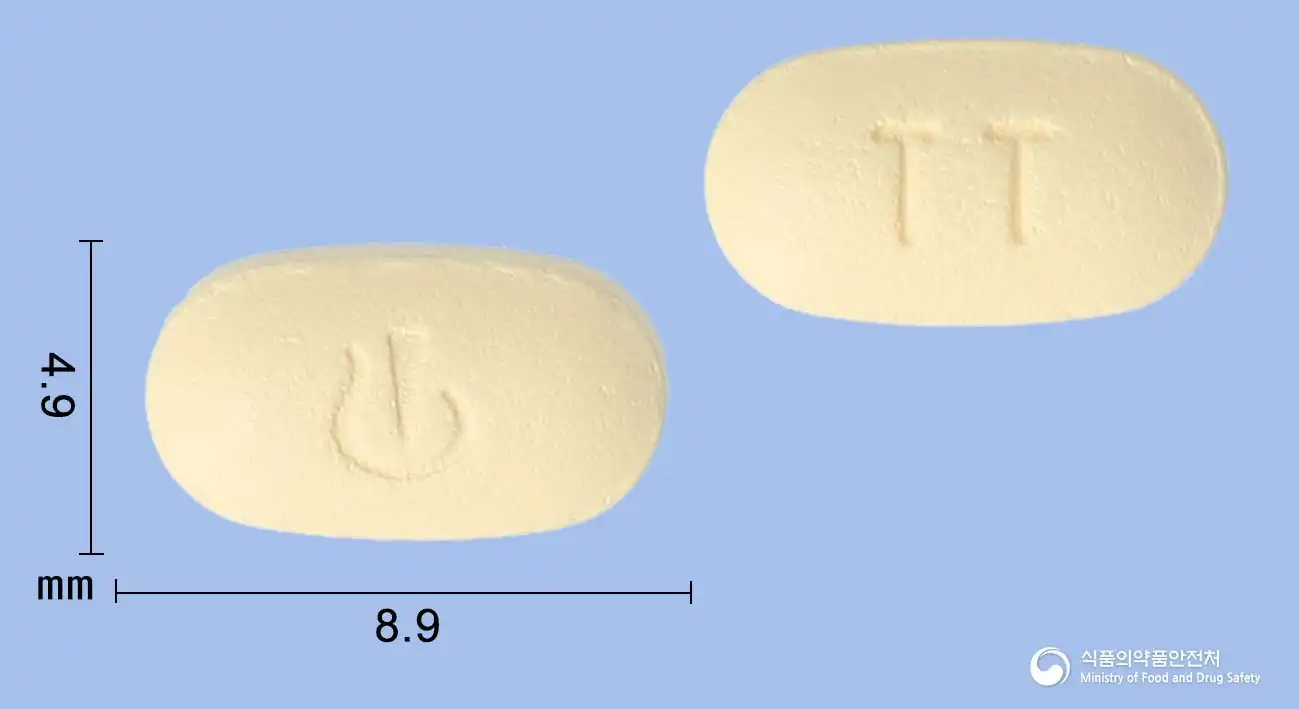
Yellow, oval-shaped, biconvex film-coated tablet
30 tablets (30 tablets per bottle packaging x 1)
Even with the same ingredient, strength, dosage form and how it is taken can differ.
Viewing nowTrametinib Dimethyl Sulfoxide Micronized 0.5635mg
Tablet · Prescription medication
Korea Novartis Co., Ltd.
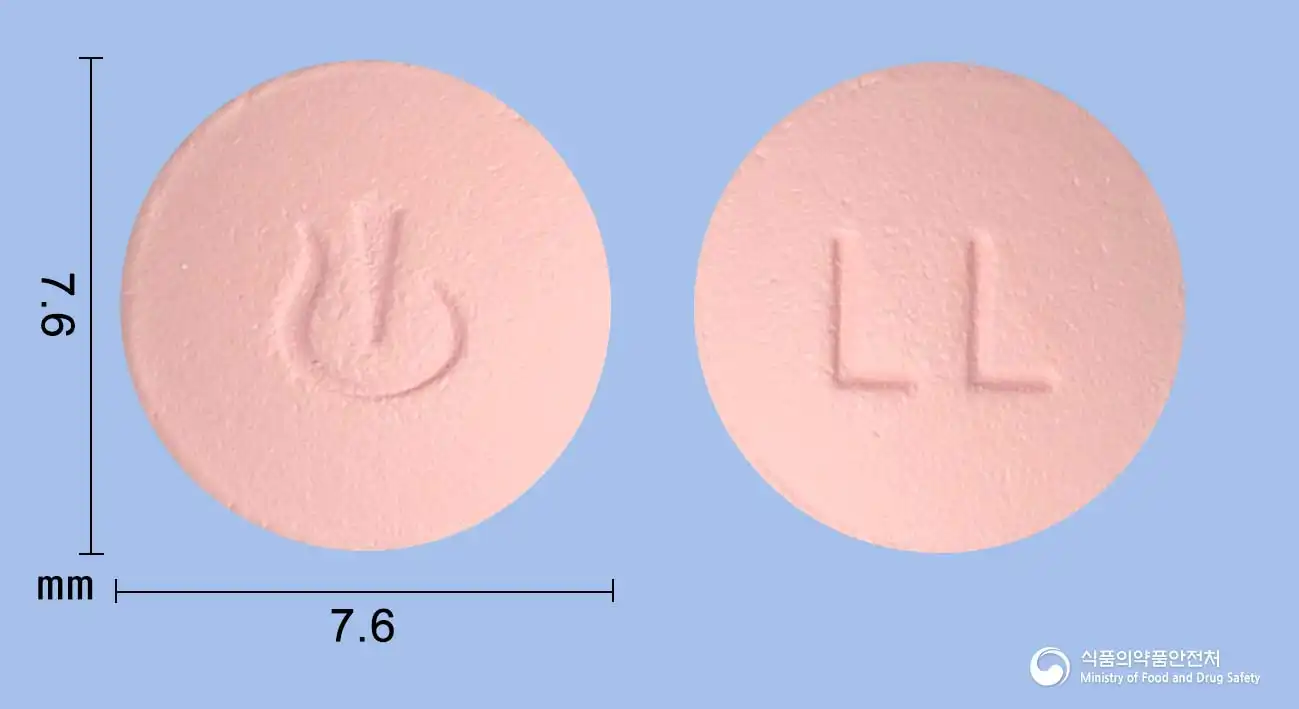
Trametinib Dimethyl Sulfoxide Micronized 2.254mg
Tablet · Prescription medication
Korea Novartis Co., Ltd.
Even with the same ingredient, the dose and directions can differ by strength and dosage form. Talk to a doctor or pharmacist before switching from a medication you are already taking.
No questions yet.
For anything that needs medical judgment, consult a doctor or pharmacist.
This drug information is based on data provided by the Korea Ministry of Food and Drug Safety.
Consult a doctor or pharmacist for accurate dosage, administration, and usage instructions.