
 한국어
 English
 日本語
 中文(简体)
 Viewing now
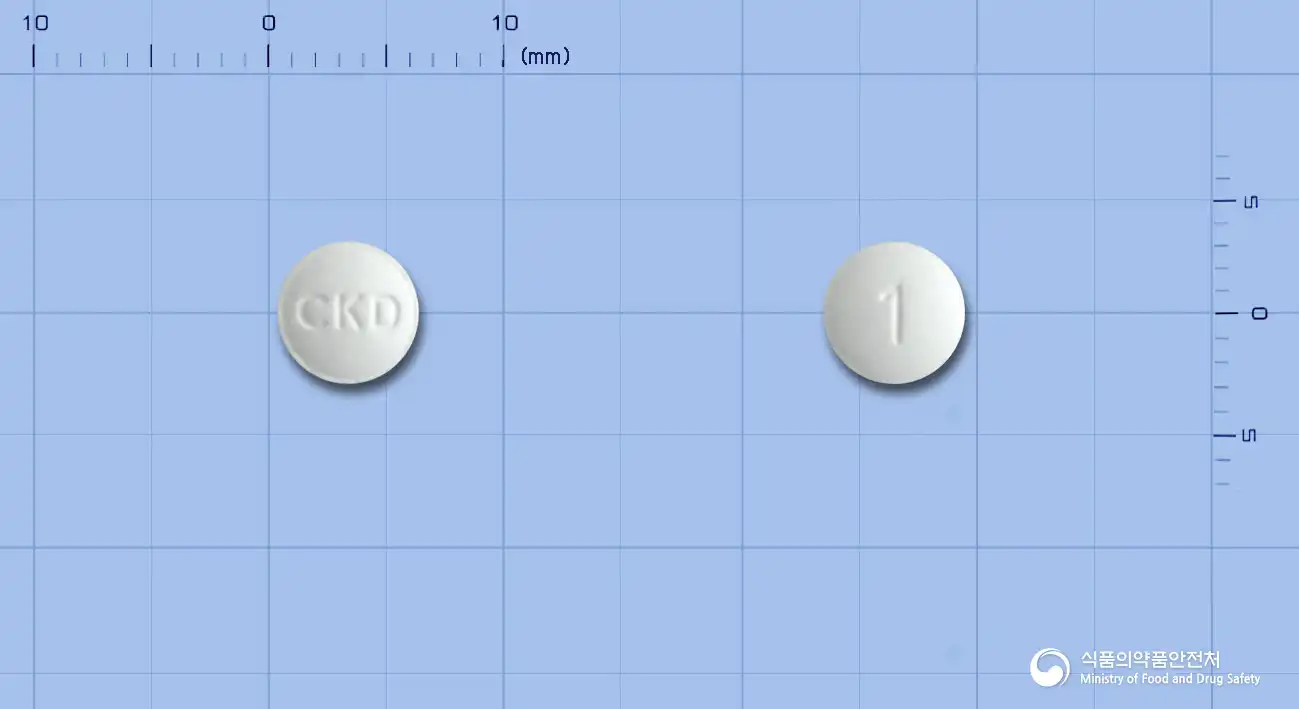
Tacrolimus Tablet 1mg (Tacrolimus Hydrate)
Tacrolimus Hydrate 1.02mg
Tablet · Prescription medication
JongKunDang Co., Ltd.
MFDS item code 201506874 · Approved 2015.09.30 · Insurance code 643307250
Prevention of transplant rejection and graft-versus-host disease; treatment of autoimmune diseases (including rheumatoid arthritis)
This medication is used to inhibit rejection reactions that may occur after kidney or liver transplants. It also helps treat graft rejection reactions and graft-versus-host disease that occurs after bone marrow transplantation. In cases of chronic rheumatoid arthritis where conventional rheumatic agents are insufficiently effective, it is used to improve symptoms. In lupus nephritis, it is used in patients who do not respond to maintenance steroid therapy or when dose escalation is difficult, and it controls clinical symptoms of nephritis. This drug is effective for patients with myasthenia gravis who cannot be treated with other immunosuppressants. Overall, this medication helps improve symptoms by modulating immune responses in various immune-related diseases.
Prevention of rejection in kidney transplantation Usually, the initial dose for adults is 0.10~0.15mg/kg of tacrolimus per dose, orally twice daily, followed by gradual dose reduction. The maintenance dose should be adjusted according to symptoms, referring to the 'recommended minimum blood concentration.' Prevention of rejection in liver transplantation Usually, the initial dose for adults is 0.05~0.10mg/kg of tacrolimus per dose, orally twice daily, followed by gradual dose reduction. The maintenance dose should be adjusted according to symptoms, referring to the 'recommended minimum blood concentration.' Recommended minimum blood concentration (whole blood trough level) in kidney and liver transplantation During the early post-transplant period, monitoring should be performed approximately twice a week; during the maintenance period, monitoring should be performed regularly. The trough level should be monitored when adjusting the dose, changing immunosuppressive therapy, or coadministering medicines that may affect whole-blood tacrolimus concentrations (see 'Interactions'). Recommended minimum blood concentration: In clinical practice, the early post-transplant trough level was 5~20ng/mL for liver transplant patients and 10~20ng/mL for kidney transplant patients. Thereafter, during the maintenance period, the trough level was 5-15ng/mL in liver and kidney transplant patients. Bone marrow transplantation: Graft rejection and graft-versus-host disease following bone marrow transplantation Usually, starting 1 day before transplantation, administer 0.06mg/kg of tacrolimus per dose orally twice daily. During the early post-transplant period, administer 0.06mg/kg of tacrolimus per dose orally twice daily, followed by gradual dose reduction. If administration of this medicine is initiated after the onset of graft-versus-host disease, the usual dose is 0.15mg/kg of tacrolimus per dose orally twice daily. The dose should also be adjusted appropriately according to symptoms. Chronic rheumatoid arthritis The usual dose for adults is 3mg of tacrolimus orally once daily after the evening meal. Patients who develop adverse reactions require regular monitoring. For elderly patients, the usual dose is 1.5mg orally once daily after the evening meal, which may be increased to 3mg according to symptoms. Lupus nephritis The usual dose for adults is 3mg of tacrolimus orally once daily after the evening meal. In clinical trials, when efficacy was considered insufficient and there were no safety concerns at 12 weeks after treatment initiation, this medicine was administered at 4 mg/day for 4 weeks to confirm safety and then increased to 5 mg/day. If adverse reactions were observed, the dose was appropriately reduced by 0.5 mg or 1 mg, taking the patient's condition into consideration. If an adequate effect on lupus nephritis was achieved, this medicine was reduced to the dose that maintained that effect. Myasthenia gravis For adults, administer 3mg of tacrolimus orally once daily after a meal.
Prevention of rejection in kidney transplantation: For children, administer 0.15mg/kg per dose orally twice daily, followed by gradual dose reduction. Prevention of rejection in liver transplantation: For children, administer 0.15mg/kg per dose orally twice daily, followed by gradual dose reduction.
This drug suppresses immune function, making patients more susceptible to infections. Therefore, this drug should only be used by physicians with experience in immunosuppressive therapy, and patients should be continuously monitored at appropriate medical facilities. High-dose use may cause kidney and nerve damage, so patients with impaired kidney function should have their doses adjusted and be monitored carefully. Blood potassium levels should be checked frequently during treatment, and it should not be used with potassium-sparing diuretics. Neurological side effects may include tremors, headaches, seizures, changes in mental state, etc., and if these symptoms occur, immediate consultation with a physician is advised. Patients taking this medication may have an increased risk of malignancies such as lymphoma, so regular check-ups are necessary. Due to the risk of latent viral infections or severe infections from immunosuppression, treatment should be prompt in the presence of infection symptoms. Dosage forms and dosages must be strictly adhered to, and they should not be arbitrarily changed or mixed with other forms. This drug may increase the risk of diabetes after transplant, so blood sugar should be checked periodically, and necessary actions should be taken if abnormalities are found. When administered to patients with rheumatoid arthritis or lupus nephritis, it should be carefully managed by a physician experienced in treating those conditions. This drug interacts with numerous other agents, and caution is warranted when used with drugs that may cause nephrotoxicity. During pregnancy, it may affect the fetus, so women of childbearing age should employ appropriate contraception, and pregnant women must consult a physician before administration. During breastfeeding, it is recommended to discontinue breastfeeding due to the potential transmission of the drug in breast milk. Elderly patients or those with impaired liver or kidney function may experience delayed drug metabolism and excretion, requiring more cautious dosing and monitoring. Regular blood tests, kidney function tests, and blood sugar tests should be conducted during treatment to check for abnormalities. Overdose may result in renal and pancreatic dysfunction, hyperkalemia, hypertension, etc., necessitating immediate medical attention. It is helpful to take the drug on an empty stomach regardless of meal times, and it must be taken with water. Care should be taken when preparing or handling this drug to avoid skin or mucosal contact; if contact occurs, wash thoroughly immediate. Patients taking this drug should avoid live vaccine administration to prevent infections, and grapefruit juice should be avoided as it may increase blood concentration. Lastly, as an immunosuppressant, this drug has side effects such as increased risk of infections and malignancies, as well as neurotoxicity and nephrotoxicity, so it must be taken strictly according to physician instructions and regular check-ups are required.
Cardiac disorders, reduced cardiac function, enlarged cardiac chamber, ventricular wall hypertrophy, heart failure, ventricular arrhythmia, supraventricular arrhythmia, myocardial infarction, angina pectoris, pericardial effusion, QT prolongation, Torsades de Pointes, acute renal failure, nephrotic syndrome, hemolytic uremic syndrome, thrombocytopenic purpura, pancytopenia, thrombocytopenic purpura, pure red cell aplasia, agranulocytosis, hemolytic anemia, convulsions, intestinal obstruction, bacterial infections, viral infections, fungal infections, protozoan infections, BK virus nephropathy, JC virus PML, CMV infection, lymphoproliferative disorders, lymphoma, posterior leukoencephalopathy syndrome, generalized convulsions, altered consciousness, delirium, speech disorders, visual impairments, hemiplegia, cerebral infarction, cerebral hemorrhage, interstitial pneumonia, diabetes mellitus, worsening of diabetes, hyperglycemia, pancreatitis, mucocutaneous syndrome, Stevens-Johnson syndrome, dyspnea, acute respiratory distress syndrome, myasthenic crisis, renal impairment, decreased urine output, polyuria, frequency of urination, residual urine, glycosuria, hyperkalemia, hyperuricemia, hypomagnesemia, acidosis, hypercholesterolemia, hyperphosphatemia, hypophosphatemia, hypertriglyceridemia, hyperchloridemia, hypercalcemia, hypocalcemia, hyponatremia, hypokalemia, diabetes, hypertension, edema, tachycardia, palpitations, hypotension, bradycardia, ataxia, hallucinations, tremors, headache, sensory abnormalities, anxiety, delirium, insomnia, paresthesia, eye twitching, limb rigidity, paralysis, drowsiness, lucid dreams, confusion, incoherent speech, depression, agitation, chest pain, abdominal distension, bowel motility disorders, loss of appetite, diarrhea, abdominal pain, gastric ulcer, duodenal ulcer, colitis, stomatitis, nausea, vomiting, melena, hemorrhage, gastrointestinal perforation, elevated amylase, abnormal liver function, jaundice, anemia, increased platelet count, decreased platelets, leukopenia, leukocytosis, lymphocytopenia, itching, hair loss, erythema, rash, tubular necrosis, hypertrophic cardiomyopathy, gynecomastia, vasodilation, decreased serum phosphate concentration, pleural effusion, ascites, asthma, fever, weight loss, flushing, generalized malaise, excessive menstrual bleeding, myalgia, arthralgia, taste disturbances, aplastic anemia, cerebral infarction, toxic epidermal necrolysis, glaucoma, ketosis, nystagmus, mania, meningitis, dysarthria, thrombophlebitis, thrombosis, vasculitis, sensation of a foreign body in the throat, pain, ocular pain, redness, excessive sweating, thirst, temperature fluctuations, optic neuropathy, febrile neutropenia, tremors, headache, diarrhea, hypertension, nausea, renal dysfunction, hyperkalemia, hypomagnesemia, hyperglycemia, infection, tremors, hypertension, decreased renal function, constipation, diarrhea, headache, insomnia, dizziness, dyspepsia, chest pain, urinary tract infection, hypophosphatemia, hyperlipidemia, diabetes, edema, anemia, leukopenia, dyspnea, increased coughing, arthralgia, rash, itching, sleep disorders, agitation, worry, confusion, depression, hyperthymia, dreams, abnormal thoughts, drowsiness, loss of reflexes, emotional instability, hypertonicity, coordination disorders, neurogenic cramps, psychoneurosis, psychosis, inability to think, amnesia, encephalopathy, hemorrhagic stroke, partial paralysis, nerve compression, irritability, neuralgia, flaccid paralysis, incomplete limb paralysis, tic disorder, aphasia, visual impairment, amblyopia, tinnitus, cataract, photophobia, hearing loss, ear pain, otitis media, cholangitis, cholestatic jaundice, gastrointestinal bleeding, hepatitis, increased appetite, liver damage, oral candidiasis, dysphagia, esophagitis, gastric inflammation, intestinal obstruction, abnormal liver function tests, rectal disorders, duodenitis, pneumoperitoneum, gastroesophageal reflux, granulomatous hepatitis, ulcerative esophagitis, pancreatic pseudocyst, chest pain, abnormal ECG, bleeding, hypotension, angina pectoris, severe venous vasculitis, orthostatic hypotension, peripheral vascular disorders, arrhythmia, atrial fibrillation, bradycardia, cardiac flutter, cardiac and pulmonary failure, congestive heart failure, deep vein thrombosis, abnormal echocardiography, abnormal ECG QRS complex, abnormal ECG ST complex, heart failure, increased heart rate, syncope, thrombosis, vasodilation, hematuria, renal failure, cystitis, dysuria, hydronephrosis, renal tubule necrosis, nocturia, pyuria, nephrotoxic disease, acute kidney failure, proteinuria, BK nephropathy, urinary bladder spasms, oliguria, urgency incontinence, frequency of urination, urinary incontinence, urinary retention, vaginitis, acidosis, increased alkaline phosphatase, alkalosis, hyperbilirubinemia, delayed healing, hyperlipidemia, hyperuricemia, hypocalcemia, hyponatremia, hypoproteinemia, increased AST, increased ALT, decreased bicarbonate, dehydration, hypoglycemia, increased lactate dehydrogenase, weight gain, increased BUN, edema, gout, hypercalcemia, hypercholesterolemia, peripheral edema, Cushing's syndrome, coagulation disorders, petechial hemorrhage, hypochromic anemia, leukocytosis, erythrocytosis, decreased prothrombin, decreased plasma iron, increased hematocrit, abnormal hemoglobin, generalized seizures, limb seizures, myalgia, myasthenia gravis, osteoporosis, joint disease, painful muscle cramps, decreased mobility, asthma, bronchitis, pulmonary disease, pulmonary edema, pharyngitis, pneumonia, respiratory distress, rhinitis, sinusitis, voice changes, pneumothorax, hiccups, decreased lung function, hair loss, herpes simplex, hirsutism, skin diseases, sweating, acne, fungal dermatitis, skin discoloration, skin ulcers, exfoliative dermatitis, shingles, benign skin neoplasms, abdominal distention, abscesses, chills, hernia, peritonitis, phototoxic reactions, allergic reactions, cellitis, influenza-like syndrome, sepsis, accidental injury, back pain, soft tissue infections, falling, altered sensation, temperature intolerance, ulcers, heartburn, epigastric discomfort, retinopathy, cardiac arrest, lower back pain, hoarseness, cold, cytomegalovirus infection, uterine leiomyoma, cardiac arrest, dysphagia
Not everyone experiences these, and they can vary from person to person.
This drug may be sensitive to air and moisture, so it must be stored in a tightly sealed container. It's important to keep the storage temperature between 1°C and 30°C. This helps ensure the medication's effectiveness is preserved safely.
White, round film-coated tablet
100 tablets (10 tablets/PTP×10)
Even with the same ingredient, strength, dosage form and how it is taken can differ.
Viewing nowTacrolimus Hydrate 1.02mg
Tablet · Prescription medication
JongKunDang Co., Ltd.
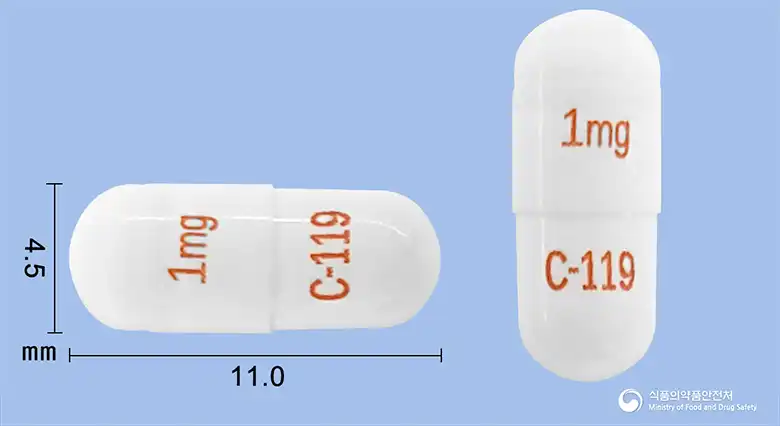
Tacrolimus Hydrate 1.02mg
Hard capsule · Prescription medication
Chongkundang Corporation
 Combination
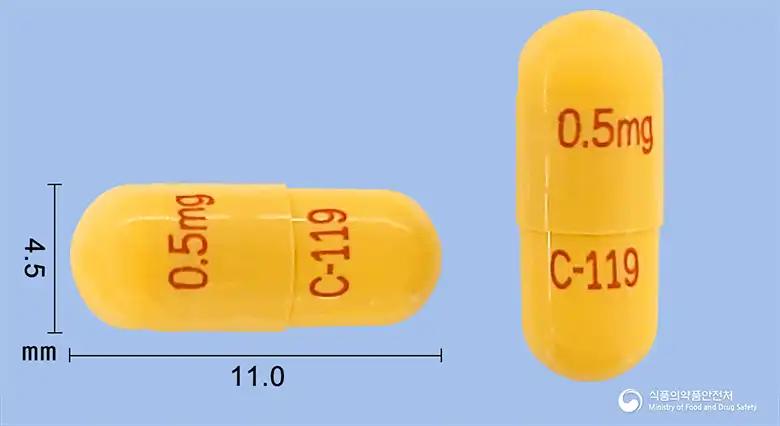
Tacrolimus Hydrate 0.51mg · Tacrolimus Hydrate 0.51mg
Hard capsule · Prescription medication · Combination
Chongkundang Corporation
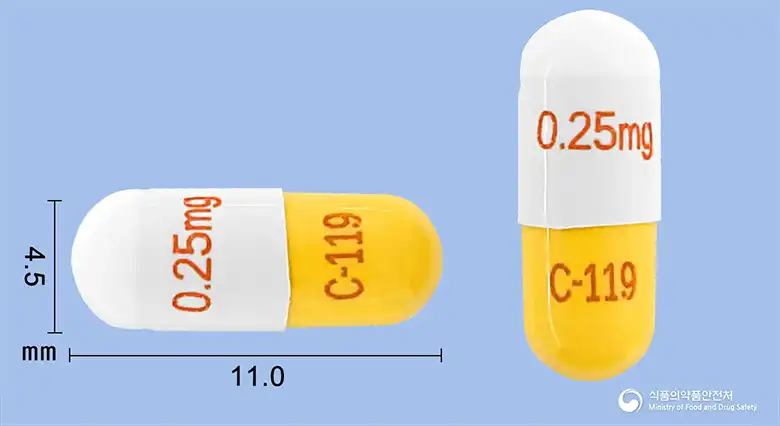
Tacrolimus Hydrate 0.255mg
Hard capsule · Prescription medication
Chongkundang Corporation
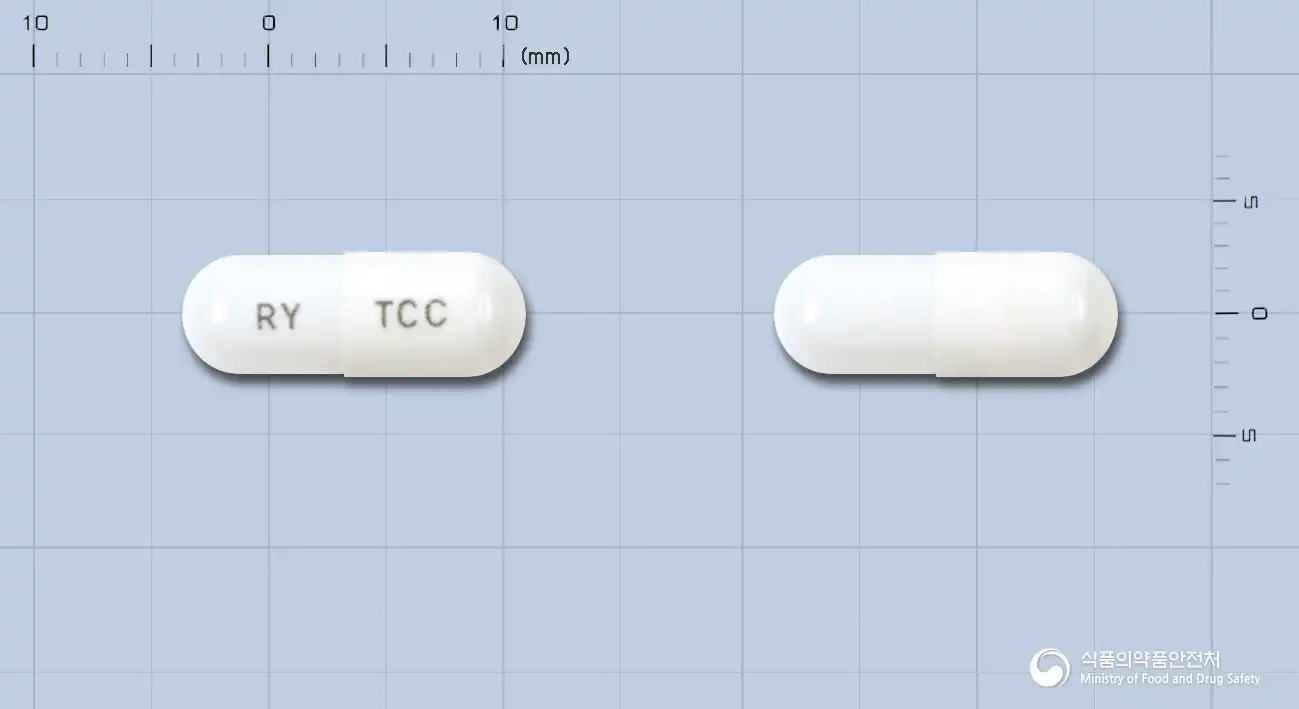
Tacrolimus Hydrate 1.02mg
Hard capsule · Prescription medication
Ilyun Pharmaceutical Co., Ltd.
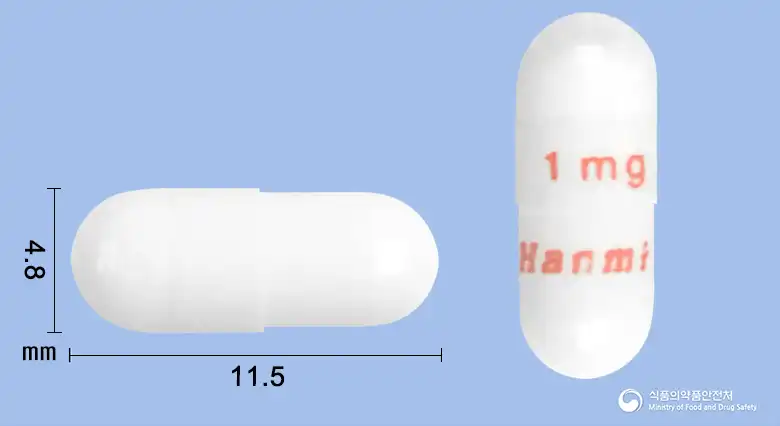
Tacrolimus Hydrate 1.02mg
Hard capsule · Prescription medication
Hanmi Pharmaceutical Co., Ltd.
Tacrolimus Hydrate 5.1mg
Prescription medication
Korea Astellas Pharma Co., Ltd.
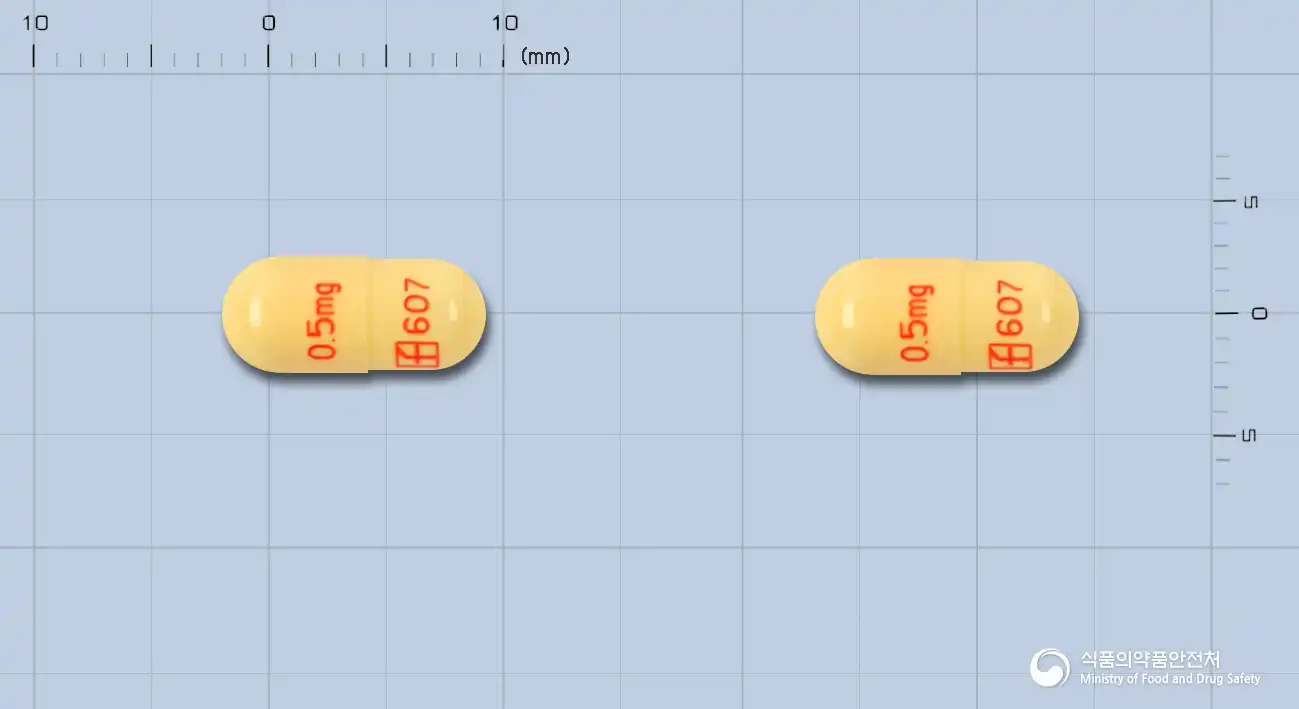
Tacrolimus Hydrate 0.51mg
Hard capsule · Prescription medication
Korea Astellas Pharma Co., Ltd.
Even with the same ingredient, the dose and directions can differ by strength and dosage form. Talk to a doctor or pharmacist before switching from a medication you are already taking.
No questions yet.
For anything that needs medical judgment, consult a doctor or pharmacist.
This drug information is based on data provided by the Korea Ministry of Food and Drug Safety.
Consult a doctor or pharmacist for accurate dosage, administration, and usage instructions.