
 한국어
한국어 English
 日本語
日本語 中文(简体)
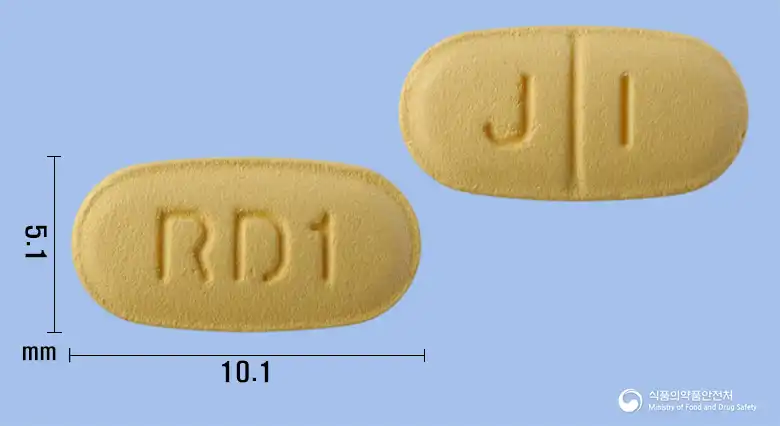 Viewing nowCombination
Rosduo Tablet 10/10 mg
Rosuvastatin Calcium Micronized 10.4mg · Ezetimibe 10mg
Tablet · Prescription medication · Combination
Jeil Pharmaceutical Co., Ltd.
MFDS item code 201506795 · Approved 2015.09.24 · Insurance code 645404530
Improvement of cholesterol and lipids in conditions of hypercholesterolemia (primary, mixed) and dyslipidemia
This medication helps to reduce total cholesterol, LDL cholesterol, apo B, triglycerides, and non-HDL cholesterol levels, and increase HDL cholesterol levels in primary hypercholesterolemia, including familial and non-familial types. It is effectively used in patients at risk of atherosclerotic vascular disease due to hypercholesterolemia. This medicine should be taken in conjunction with a dietary regimen that restricts saturated fats and cholesterol, and is used as an adjunct when dietary measures alone are insufficient. It is important to check for causes that may induce dyslipidemia, such as diabetes and hypothyroidism, before taking the medication and to perform necessary treatments first. Lipid levels, including total cholesterol, LDL, HDL, and triglycerides, should be regularly monitored, and accurate assessment is needed for high levels. This medication is used as an adjunct to dietary measures for the improvement of dyslipidemia.
This medication should be administered once daily, regardless of meals. The recommended initial dose for primary hypercholesterolemia is 10/5 mg once daily. The dosage range is from 10/5 mg to 10/20 mg once daily, and the dose can be adjusted if a greater reduction in LDL cholesterol is needed. Lipid levels in the blood should be checked at intervals of more than 4 weeks after starting the administration or adjusting the dose, and the maximum dosage can be increased to 10/20 mg once daily.
This medication may cause a rare side effect known as rhabdomyolysis, which can lead to severe muscle damage. Therefore, treatment should be immediately discontinued if symptoms of acute myopathy appear. This medication should not be administered to patients with certain diseases or risk factors. For example, patients with liver disease or persistently elevated liver enzyme levels of unknown origin, myopathy patients, patients with severe renal failure, pregnant women or women who may become pregnant, and those with certain genetic lactose metabolism disorders should not use this medication. Patients with alcohol addiction, impaired liver function, elderly patients, and those with hypothyroidism, who are at high risk of myopathy should use this medication cautiously and require regular monitoring. While taking this medication, if symptoms such as muscle pain, muscle cramps, muscle weakness, fatigue, or fever appear, patients must immediately inform their doctor and undergo examinations. If blood tests reveal that CPK levels, which indicate muscle damage, rise more than five times the normal upper limit, the use of this medication should be discontinued. Since this medication may affect liver function, liver enzyme tests should be conducted before and during treatment, and if symptoms of liver damage appear, this medication should be discontinued immediately. Women who are pregnant or breastfeeding should not take this medication, and fertile women should use appropriate contraceptive methods while taking it. This medication may interact with other drugs, so any current medications should be disclosed to a doctor or pharmacist. Special caution is needed when used in combination with certain antibiotics, antifungals, immunosuppressants, anticoagulants, and fibrate drugs. Safety in children and adolescents has not been sufficiently confirmed; therefore, it is not recommended for pediatric use. Caution is advised when driving or operating machinery while taking this medication, as dizziness may occur.
Not everyone experiences these, and they can vary from person to person.
This medication should be stored in a sealed container to prevent exposure to air or moisture, and at a safe temperature between 1 to 30 degrees Celsius. Storing it in this manner can help maintain its effectiveness for a longer time.
Yellow rectangular film-coated tablet
30 tablets/box [(10 tablets/PTP x 3)], 30 tablets/bottle
Even with the same ingredient, strength, dosage form and how it is taken can differ.
Viewing nowCombinationRosuvastatin Calcium Micronized 10.4mg · Ezetimibe 10mg
Tablet · Prescription medication · Combination
Jeil Pharmaceutical Co., Ltd.
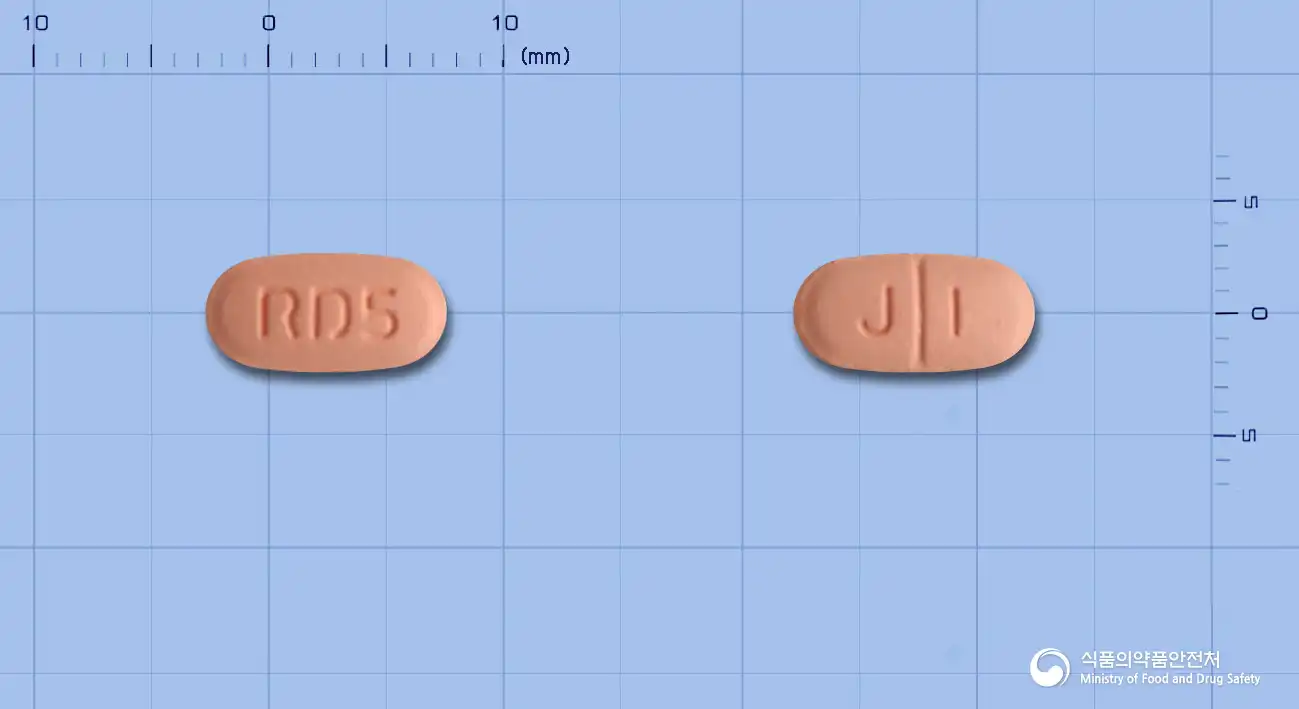 Combination
Rosuvastatin Calcium Micronized 5.2mg · Ezetimibe 10mg
Tablet · Prescription medication · Combination
Jeil Pharmaceutical Co., Ltd.
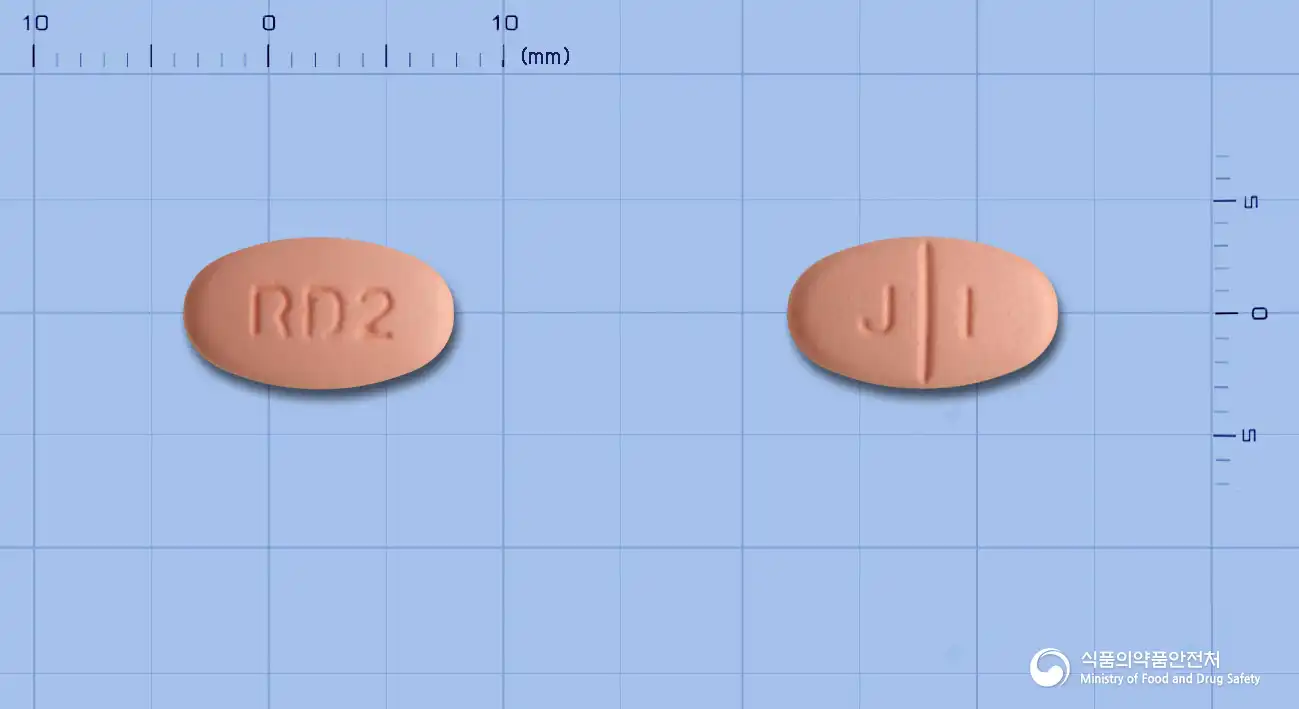 Combination
Rosuvastatin Calcium Micronized 20.8mg · Ezetimibe 10mg
Tablet · Prescription medication · Combination
Jeil Pharmaceutical Co., Ltd.
Even with the same ingredient, the dose and directions can differ by strength and dosage form. Talk to a doctor or pharmacist before switching from a medication you are already taking.
No questions yet.
For anything that needs medical judgment, consult a doctor or pharmacist.
This drug information is based on data provided by the Korea Ministry of Food and Drug Safety.
Consult a doctor or pharmacist for accurate dosage, administration, and usage instructions.