
 한국어
 English
 日本語
 中文(简体)
Dosage form image
Viewing nowHemangiol (Propranolol Hydrochloride)
Propranolol Hydrochloride 0.428g
Solution · Prescription medication
Hanmi Pharmaceutical Co., Ltd.
MFDS item code 201506664 · Approved 2015.09.21
Treatment of infantile hemangiomas (e.g., those that are life-threatening, function-threatening, ulcerated, or at risk of scarring)
This medication is used for proliferative infantile hemangiomas that require systemic treatment, which are life-threatening or affecting function. It is also effective in treating ulcerative hemangiomas that are accompanied by pain or do not respond well to wound treatment. It is used for hemangiomas that pose risks of permanent scarring or malformation, thereby improving skin condition. It is particularly important to start administering the medication to infants between 5 weeks and 5 months of age. This drug helps treat infant hemangiomas and alleviate symptoms.
Each 1mL of this medicine contains 3.75mg of propranolol. Week 1 (1mg/kg/day): 0.5mg/kg per dose, administered twice daily (morning and evening), with an interval of at least 9 hours between the morning and evening doses Week 2 (2mg/kg/day): 1mg/kg per dose, administered twice daily (morning and evening), with an interval of at least 9 hours between the morning and evening doses Week 3 and thereafter, maintenance dose (3mg/kg/day): 1.5mg/kg per dose, administered twice daily (morning and evening), with an interval of at least 9 hours between the morning and evening doses 2.0 ∼ <2.5kg: Week 1 dose 0.3 mL, Week 2 dose 0.6 mL, Week 3 (maintenance dose) dose 0.8 mL (administer twice daily) 2.5 ∼ <3.0kg: Week 1 dose 0.4 mL, Week 2 dose 0.8 mL, Week 3 (maintenance dose) dose 1 mL (administer twice daily) 3.0 ∼ <3.5kg: Week 1 dose 0.5 mL, Week 2 dose 0.9 mL, Week 3 (maintenance dose) dose 1.2 mL (administer twice daily) 3.5 ∼ <4.0kg: Week 1 dose 0.5 mL, Week 2 dose 1.1 mL, Week 3 (maintenance dose) dose 1.4 mL (administer twice daily) 4 ∼ <4.5kg: Week 1 dose 0.6 mL, Week 2 dose 1.2 mL, Week 3 (maintenance dose) dose 1.6 mL (administer twice daily) 4.5 ∼ <5.0kg: Week 1 dose 0.7 mL, Week 2 dose 1.4 mL, Week 3 (maintenance dose) dose 1.8 mL (administer twice daily) 5 ∼ <5.5kg: Week 1 dose 0.8 mL, Week 2 dose 1.5 mL, Week 3 (maintenance dose) dose 2.0 mL (administer twice daily) 5.5 ∼ <6.0kg: Week 1 dose 0.8 mL, Week 2 dose 1.7 mL, Week 3 (maintenance dose) dose 2.2 mL (administer twice daily) 6 ∼ <6.5kg: Week 1 dose 0.9 mL, Week 2 dose 1.8 mL, Week 3 (maintenance dose) dose 2.4 mL (administer twice daily) 6.5 ∼ <7.0kg: Week 1 dose 1.0 mL, Week 2 dose 2.0 mL, Week 3 (maintenance dose) dose 2.6 mL (administer twice daily) 7 ∼ <7.5kg: Week 1 dose 1.1 mL, Week 2 dose 2.1 mL, Week 3 (maintenance dose) dose 2.8 mL (administer twice daily) 7.5 ∼ <8.0kg: Week 1 dose 1.1 mL, Week 2 dose 2.3 mL, Week 3 (maintenance dose) dose 3.0 mL (administer twice daily) 8 ∼ <8.5kg: Week 1 dose 1.2 mL, Week 2 dose 2.4 mL, Week 3 (maintenance dose) dose 3.2 mL (administer twice daily) 8.5 ∼ <9.0kg: Week 1 dose 1.3 mL, Week 2 dose 2.6 mL, Week 3 (maintenance dose) dose 3.4 mL (administer twice daily) 9 ∼ <9.5kg: Week 1 dose 1.4 mL, Week 2 dose 2.7 mL, Week 3 (maintenance dose) dose 3.6 mL (administer twice daily) 9.5 ∼ <10kg: Week 1 dose 1.4 mL, Week 2 dose 2.9 mL, Week 3 (maintenance dose) dose 3.8 mL (administer twice daily) 10 ∼ <10.5kg: Week 1 dose 1.5 mL, Week 2 dose 3.0 mL, Week 3 (maintenance dose) dose 4.0 mL (administer twice daily) 10.5 ∼ <11kg: Week 1 dose 1.6 mL, Week 2 dose 3.2 mL, Week 3 (maintenance dose) dose 4.2 mL (administer twice daily) 11 ∼ <11.5kg: Week 1 dose 1.7 mL, Week 2 dose 3.3 mL, Week 3 (maintenance dose) dose 4.4 mL (administer twice daily) 11.5 ∼ <12kg: Week 1 dose 1.7 mL, Week 2 dose 3.5 mL, Week 3 (maintenance dose) dose 4.6 mL (administer twice daily) 12 ∼ <12.5kg: Week 1 dose 1.8 mL, Week 2 dose 3.6 mL, Week 3 (maintenance dose) dose 4.8 mL (administer twice daily) If the child does not eat enough or vomits, skip the dose. If the child spits out the medicine or is unable to swallow some of it, do not administer another dose; wait until the next scheduled dose. When the dose is increased, continue monitoring under the same conditions as at the initial administration. After the dose-titration phase, the child's dose should be readjusted by a physician according to changes in body weight. Clinical monitoring of the child's condition and dose adjustment according to changes in body weight should be performed at least once a month. This medicine is administered orally and should be given during or immediately after a meal (feeding). For children weighing 5kg or less, this medicine may be mixed with one teaspoon of milk (approximately 5mL); for children weighing more than 5kg, it may be mixed with one tablespoon of milk or fruit juice (approximately 15mL) and given in a container for children. After mixing, it should be taken within 2 hours. This medicine should be administered for 6 months. Gradual dose reduction is not necessary when treatment is discontinued. This medicine should not be used in children younger than 5 weeks of age because data on its safety and efficacy in this age group are unavailable. Use of this medicine is not recommended in children older than 5 months of age, as no studies of its safety and efficacy in this age group have been conducted.
This medication should not be administered to premature infants under 5 weeks old. It should not be used in infants who are breastfeeding from mothers taking contraindicated medications. Patients with allergies to the main ingredients or additives of this drug should not use it. Patients with a history of bronchial asthma or bronchospasm should not use this medication. Patients with diabetic ketoacidosis or metabolic acidosis should also not take this drug. Patients with second or third-degree atrioventricular block or sinoatrial disease should avoid this medication. Bradycardia patients with heart rate below the age-appropriate baseline and hypotensive patients with low blood pressure should not use this drug. Patients with cardiogenic shock, right heart failure due to pulmonary hypertension, congestive heart failure, and uncontrolled heart failure are also not candidates for this medication. Patients with Prinzmetal angina or severe peripheral vascular disorders may also face risks when taking this drug. Infants vulnerable to hypoglycemia, patients with deficiencies in glucose regulation hormones, and those with chromaffin cell tumors should also avoid this medication. Before starting treatment, the patient's history and heart and lung condition should be thoroughly checked, and consultation with a specialist is advisable if any risk factors are identified. If there is an acute respiratory infection, treatment should be postponed, and due to the risk of hypoglycemia, immediate sugar intake and cessation of medication should be initiated upon symptom occurrence, alongside consultation with medical personnel. If respiratory infections or bronchospasm symptoms develop, medication should be stopped, and re-administration can be considered after full recovery. Heart rate and blood pressure should be monitored frequently, and if bradycardia or hypotensive symptoms appear, immediate assistance from a specialist is required. Congestive heart failure patients should be cautious as symptoms of heart failure may worsen upon taking this medication. PHACE syndrome patients, due to vascular malformations in the brain, require thorough examinations before using this drug. If a breastfeeding mother takes this medication, it can be transmitted to the child, so they must inform healthcare professionals. Patients with poor liver or kidney function are not recommended to use this drug. Individuals with hypersensitivity are at high risk for anaphylaxis reactions, so use should be done cautiously, and prior disclosure to medical personnel is necessary before planned general anesthesia. Patients with hyperkalemia or psoriasis should exercise caution when taking this medication as their condition may worsen. This medication contains propylene glycol, necessitating special caution when used in infants under 4 weeks old or in combination with alcohol. During treatment with this drug, side effects such as sleep disturbances, cough, fever, diarrhea, and vomiting may commonly occur. Symptoms of hypoglycemia and respiratory distress may also appear and should be carefully monitored. Cardiovascular adverse reactions such as decreased heart rate, low blood pressure, and bradycardia may also occur. If side effects are severe or symptoms worsen, healthcare personnel should be notified immediately. Due to many interactions with other medications, especially cardiovascular drugs, corticosteroids, NSAIDs, and antidiabetic agents, strict adherence to professional guidance is required when taking these medications together. Especially, taking it with calcium channel blockers that induce bradycardia can be dangerous. In the case of overdose, symptoms such as decreased heart rate, low blood pressure, heart failure, bronchial spasm, and hypoglycemia may appear, and immediate hospital treatment is necessary. Treatment involves close monitoring of cardiac function, blood glucose, and vital signs, along with appropriate drug and fluid therapy. This medication should be stored out of the reach of children and should be used within 2 months after opening. Transferring it to another container is not recommended as it may compromise quality. Lastly, this medication contains the sweetener saccharin, which may affect health with long-term use, so caution is advised.
Not everyone experiences these, and they can vary from person to person.
This medication should be stored in a tightly sealed container to avoid exposure to air and light, and it is advisable to keep it at room temperature between 1 and 30 degrees Celsius. This storage method helps maintain the drug’s effectiveness over time.
A transparent liquid ranging from colorless to pale yellow with fruit scent in a brown bottle.
1 bottle (120mL)/ carton
Even with the same ingredient, strength, dosage form and how it is taken can differ.
Propranolol Hydrochloride 0.428g
Solution · Prescription medication
Hanmi Pharmaceutical Co., Ltd.
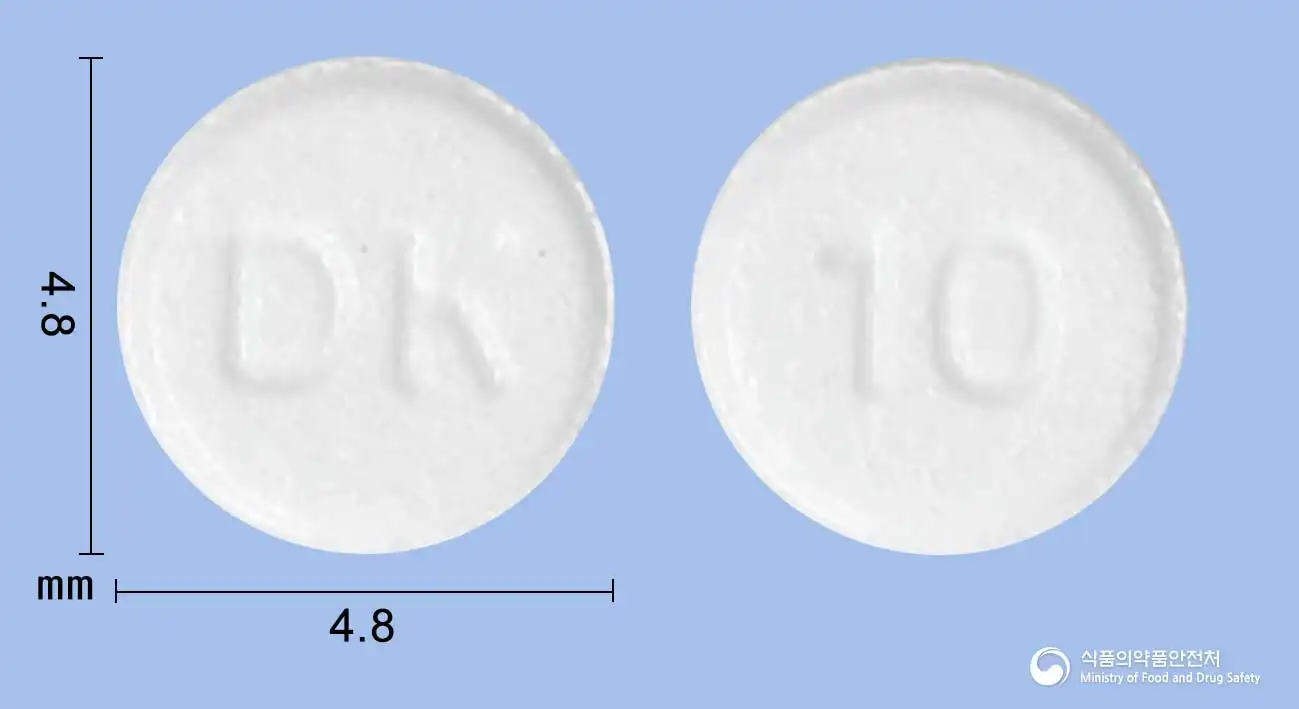
Propranolol Hydrochloride 10mg
Tablet · Prescription medication
Dongkwang Pharmaceutical Co., Ltd.
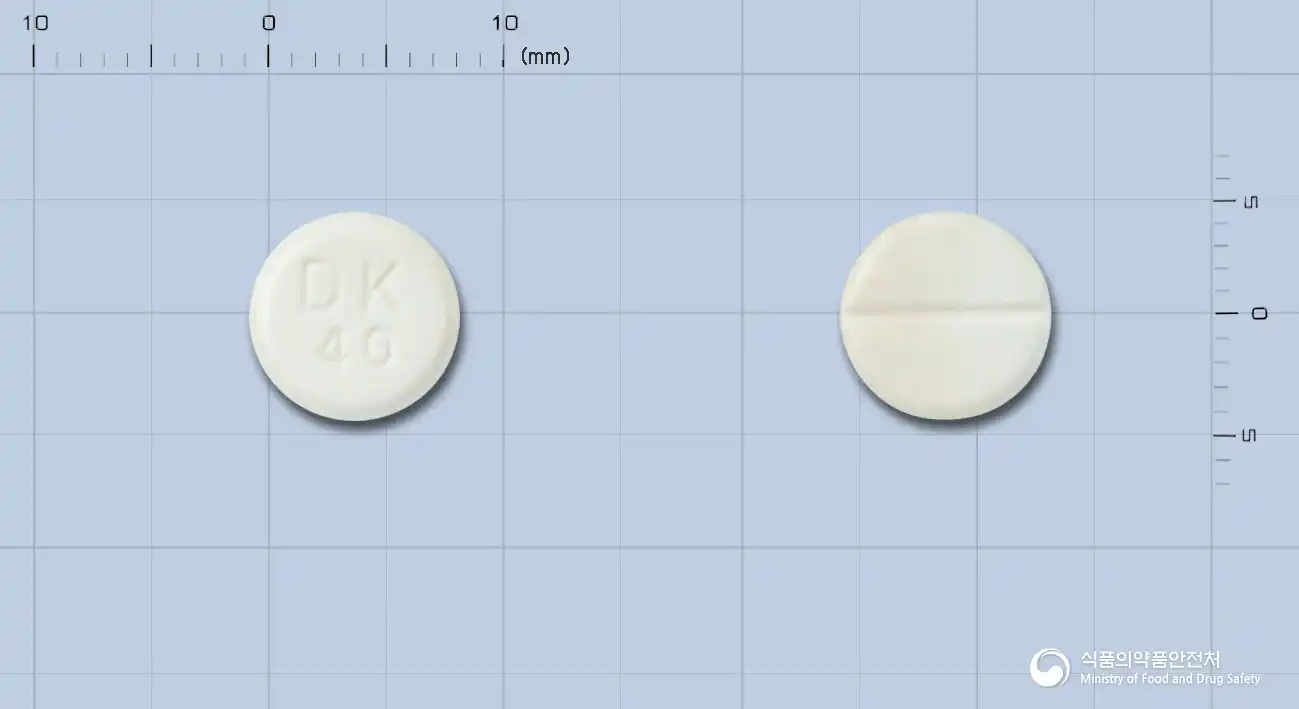
Propranolol Hydrochloride 40mg
Tablet · Prescription medication
Dongkwang Pharmaceutical Co., Ltd.
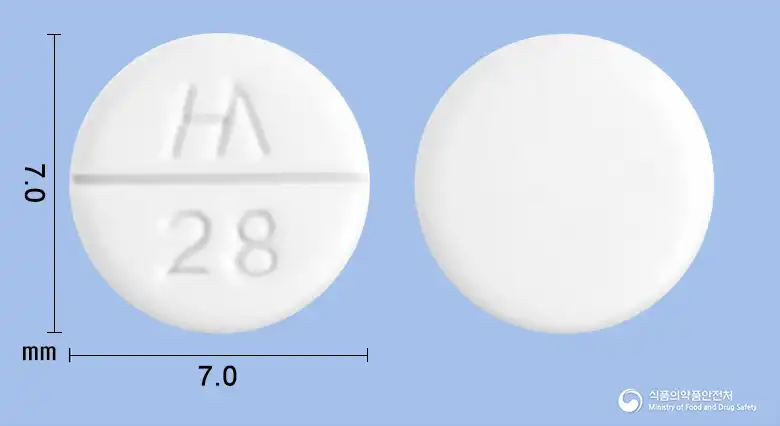
Propranolol Hydrochloride 40mg
Tablet · Prescription medication
Hanol Biopharma Co., Ltd.
Even with the same ingredient, the dose and directions can differ by strength and dosage form. Talk to a doctor or pharmacist before switching from a medication you are already taking.
No questions yet.
For anything that needs medical judgment, consult a doctor or pharmacist.
This drug information is based on data provided by the Korea Ministry of Food and Drug Safety.
Consult a doctor or pharmacist for accurate dosage, administration, and usage instructions.