
 한국어
한국어 English
 日本語
日本語 中文(简体)
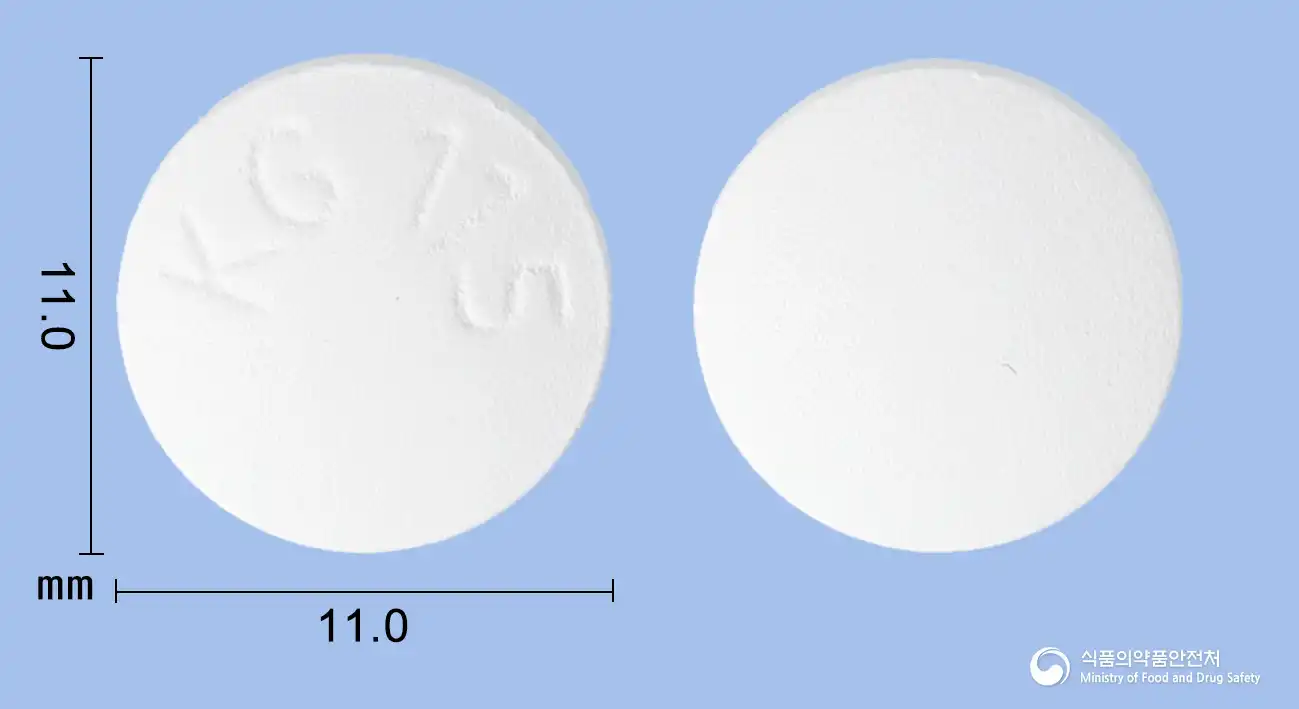 Viewing now
Ciprofloxacin Tablets (Ciprofloxacin Hydrochloride)
Ciprofloxacin Hydrochloride Hydrate 291mg
Tablet · Prescription medication
Kips Biopharma Co., Ltd.
MFDS item code 201505089 · Approved 2015.07.27 · Insurance code 693201640
Effective for the treatment of respiratory infections and urinary tract infections
This drug is effective against a variety of bacteria such as Escherichia coli, Shigella, Salmonella, and is used for respiratory infections, community-acquired pneumonia, and ear, nose, throat infections. It is also indicated for acute uncomplicated cystitis, acute pyelonephritis, complicated urinary tract infections, gonococcal cervicitis and urethritis, gastrointestinal infections, and biliary duct infections. It is also effective for various infections of the skin and soft tissues, bone, joint infections, gynecological infections, peritonitis, and fistulitis. However, as a fluoroquinolone, it should only be used when other treatment options are not available. Overall, it is widely used for the treatment of a variety of bacterial infections.
Typically, for adults, ciprofloxacin is administered at a dose of 250 to 500 mg orally two times a day between meals. In cases of severe complicated infections, the dose may be increased to 750 mg twice daily. In the case of acute infections, treatment usually lasts 5 to 10 days, and at least 3 days of additional treatment is recommended even after symptoms have resolved. For patients with renal impairment, dosage and dosing intervals may vary depending on creatinine clearance.
This medication can cause serious side effects such as tendonitis or tendon rupture, so it should be discontinued immediately if such symptoms occur. It may exacerbate symptoms in patients with myasthenia gravis, so it should not be used in individuals with this history. It should not be administered to pregnant or breastfeeding women, adolescents under 18 years of age, or patients with epilepsy. As this medication may interact with other drugs, be sure to inform your doctor or pharmacist of any medications you are currently taking. During use, caution should be taken to avoid strong sunlight or artificial ultraviolet exposure, and use should be discontinued if phototoxic reactions occur. This medication can affect the nervous system, potentially causing dizziness, headaches, and insomnia, so caution is advised when driving or operating machinery. Diabetic patients who require blood sugar control should closely monitor changes in blood sugar while taking this medication and seek immediate treatment for hypoglycemic symptoms. There is an increased risk of side effects in the elderly with compromised kidney function, so dosage adjustments and caution are necessary. If gastrointestinal symptoms such as diarrhea or abdominal pain occur, there is a potential for serious conditions like pseudomembranous colitis, and consultation with healthcare professionals should be sought immediately. If sudden changes in vision or hearing loss occur while taking this medication, consult an ophthalmologist or an ENT specialist immediately. Overdosing may cause renal toxicity, so strict adherence to the prescribed dosage is crucial, and it should be stored out of reach of children.
Rash, severe swelling (edema), chest tightness, difficulty breathing, cold sweat, pallor, severe rash with fever, blisters, skin peeling, pain in oral/ocular mucosa, shortness of breath or difficulty breathing, asthma attacks, respiratory abnormalities associated with cough + fever, jaundice (yellowing of the skin or eyes), severe fatigue, sudden and severe headaches, lightning headaches, seizures, altered consciousness, visual disturbances, paralysis, urination.
Not everyone experiences these, and they can vary from person to person.
This medication should be stored in a tightly closed container at room temperature between 1 and 30 degrees Celsius. Storing in this manner will help maintain the medication's effectiveness and prevent degradation.
White round film-coated tablets
30 tablets/bottle, 100 tablets/bottle
Even with the same ingredient, strength, dosage form and how it is taken can differ.
Viewing nowCiprofloxacin Hydrochloride Hydrate 291mg
Tablet · Prescription medication
Kips Biopharma Co., Ltd.
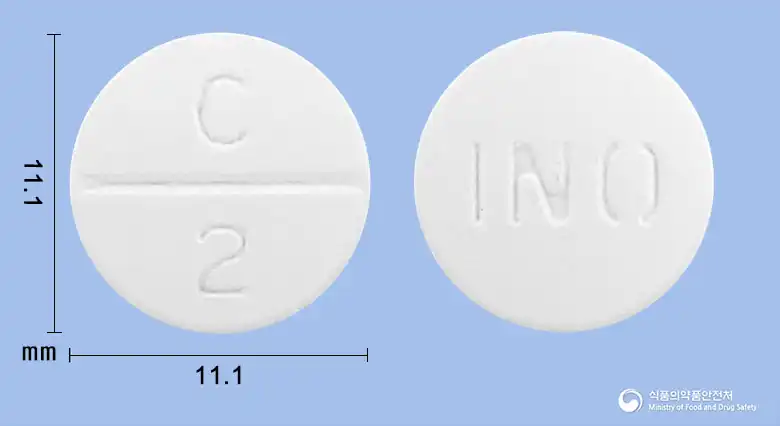
Ciprofloxacin Hydrochloride 291.5mg
Tablet · Prescription medication
HK inno.N Co., Ltd.
Ciprofloxacin Hydrochloride
Prescription medication
Dongkwang Pharmaceutical Co., Ltd.
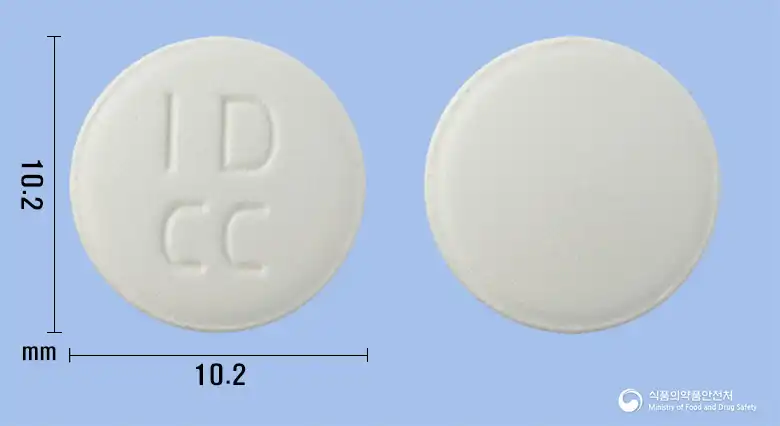
Ciprofloxacin Hydrochloride 291mg
Tablet · Prescription medication
Il Dong Pharmaceutical Co., Ltd.

Ciprofloxacin Hydrochloride 582mg
Tablet · Prescription medication
Il Dong Pharmaceutical Co., Ltd.
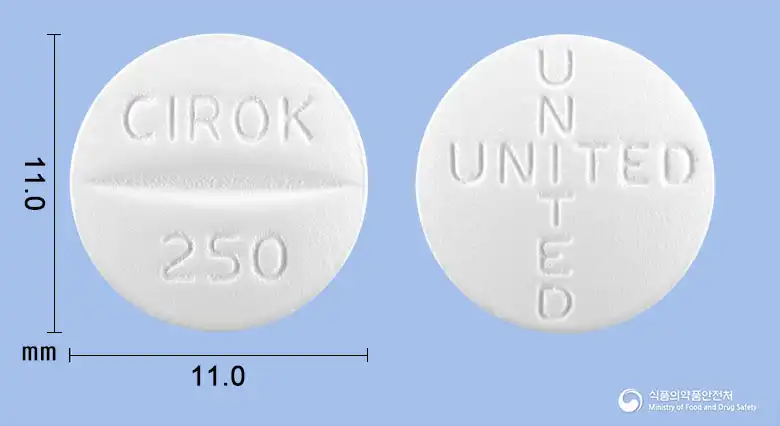
Ciprofloxacin Hydrochloride Hydrate 291mg
Tablet · Prescription medication
Korea United Pharm, Inc.
Ciprofloxacin Hydrochloride Hydrate 291mg
Tablet · Prescription medication
SK Chemicals Co., Ltd.

Ciprofloxacin Hydrochloride Hydrate 291mg
Tablet · Prescription medication
Donghwa Pharmaceutical Co., Ltd.
Even with the same ingredient, the dose and directions can differ by strength and dosage form. Talk to a doctor or pharmacist before switching from a medication you are already taking.
No questions yet.
For anything that needs medical judgment, consult a doctor or pharmacist.
This drug information is based on data provided by the Korea Ministry of Food and Drug Safety.
Consult a doctor or pharmacist for accurate dosage, administration, and usage instructions.