
 한국어
 English
 日本語
 中文(简体)
Dosage form image
Viewing nowPodocetyl Dry Syrup (Cefpodoxime Proxetil)
Cefpodoxime Proxetil 5g
Syrup · Prescription medication
Joah Pharmaceutical Co., Ltd.
MFDS item code 201505009 · Approved 2015.07.23 · Insurance code 644603211
Treatment of respiratory and ear, nose, and throat infections; skin and soft tissue infections; scarlet fever; and urinary tract infections
This medication is effective against various bacteria including Staphylococcus, Streptococcus, and Escherichia coli. It is used for skin and soft tissue infections such as abscesses, furuncles, and soft tissue infections, as well as respiratory diseases like pharyngitis, bronchitis, and pneumonia. Additionally, it helps in the treatment of urinary tract infections like pyelonephritis and cystitis, as well as symptoms of infections in the ear and sinuses such as otitis media and sinusitis. It is also applicable for infectious diseases such as scarlet fever, aiding in the rapid recovery of patients. Overall, this medication is widely used for treating various bacterial diseases related to skin, respiratory, and urinary tract infections.
For cases deemed severe or insufficiently effective, administer 4.5 mg (potency) per kg of body weight orally three times a day. Adjust dosage appropriately according to age, symptoms, etc.
Infants and children: Administer cefpodoxime at a dose of 3mg (potency) per kg of body weight per dose, 2~3 times daily; suspend before oral administration. For severe cases or cases considered to have an insufficient response, administer 4.5mg (potency) per kg of body weight per dose orally 3 times daily. Adjust the dose as appropriate according to age, symptoms, etc.
This medication contains the artificial sweetener aspartame, which breaks down into phenylalanine in the body. Therefore, patients with the genetic condition phenylketonuria should avoid taking this medication. The maximum allowable daily intake of aspartame is limited to 40mg per kg of body weight, so it is safest to take the minimum amount of medication possible. For example, a 60 kg adult can take a maximum of 2.4g per day. Patients who have previously experienced shock reactions should never take this medication. It is general practice to avoid this medication in patients who have had allergic reactions to this medication or cephalosporin antibiotics, but when necessary, it should be used very cautiously. Additionally, those with allergies to penicillin antibiotics or a family history of asthma or hives should also exercise caution. Patients with severely impaired kidney function may require dosage adjustments and careful monitoring, as this medication's elimination from the body slows down. Patients who have difficulty taking medication orally, elderly patients, or those in poor health may also show symptoms of vitamin K deficiency, so caution is needed. This medication can rarely cause serious allergic reactions, such as shock or anaphylaxis, so if abnormal symptoms such as discomfort, dizziness, sweating, or oral dysesthesia occur during use, the medication should be discontinued immediately. If hypersensitivity reactions appear, such as skin rashes, hives, or itching, the medication should be discontinued and appropriate treatment sought. Gastrointestinal issues can rarely include severe colitis, abdominal pain, diarrhea, nausea, and vomiting, so if symptoms worsen, consult a doctor immediately. Respiratory issues such as interstitial pneumonia or pulmonary infiltration have been reported rarely, and if shortness of breath or coughing develops, discontinue the medication and seek treatment. Blood tests may show increased eosinophils, decreased platelets, and decreased white blood cells, so regular blood tests are recommended during prolonged use. In the nervous system, if dosage adjustments are not made in patients with poor kidney function, seizures or behavioral disturbances may occur, so caution is necessary. Serious skin adverse reactions may rarely occur, so if symptoms such as Stevens-Johnson syndrome or toxic epidermal necrolysis appear, the medication should be discontinued immediately. Liver function may also be affected; therefore, liver enzyme tests may be necessary. It may impact the kidneys, so attention should be paid to hematuria or kidney function test results. Infections such as stomatitis or candidiasis may rarely occur. Hemorrhagic tendencies due to vitamin K deficiency or symptoms of vitamin B complex deficiency may also rarely appear, so if easy bleeding or neurological symptoms occur, consult a doctor. Other symptoms such as headaches, swelling, and malaise have also been reported occasionally, so patients should monitor their condition closely. To prevent the development of resistant bacteria, susceptibility testing should be conducted and the medication should be taken for the minimum necessary duration. To reduce the risk of shock reactions, it is advisable to conduct thorough medical history taking and skin reaction tests beforehand. Dizziness may occur during use, so caution is advised when driving or operating machinery. For prolonged use exceeding 10 days, blood tests should be conducted to check neutrophil levels. In patients with impaired kidney function, dosage adjustments are highly important, and if seizures occur during use, the medication should be discontinued immediately and treatment sought. Severe skin adverse reactions have been reported; if skin rashes or abnormal symptoms occur, the medication should be discontinued immediately and a doctor's assessment sought. This medication may increase the risk of kidney damage when taken with diuretics or aminoglycoside antibiotics, so it should be used cautiously. Taking with probenecid may slow the elimination of this medication, increasing its blood concentration. Antacids or H2-antagonists may impair the absorption of this medication, while medications that lower stomach acid or food may increase its absorption. Safety during pregnancy has not been established, thus pregnant women or those who might become pregnant should carefully weigh the benefits and risks before taking this medication. This medication may be secreted into breast milk, so it is advised that nursing mothers discontinue breastfeeding while using it. Safety has not been established for newborns, premature infants, and infants under 2 months, so use in this age group should be avoided. Elderly patients may have decreased bodily function, leading to a higher likelihood of adverse reactions, so dosage and administration intervals should be adjusted, and their conditions closely monitored. In the elderly, the risk of bleeding due to vitamin K deficiency is also elevated, so caution is needed. This medication may affect some results of urine tests, so it is advisable to inform healthcare providers during testing.
Shock, anaphylactic reaction, discomfort, oral dysesthesia, wheezing, dizziness, stool changes, tinnitus, sweating, rash, urticaria, erythema, itching, fever, lymphadenopathy, joint pain, pseudomembranous colitis, bloody stool, severe colitis, abdominal pain, frequent diarrhea, nausea, vomiting, diarrhea, loose stools, stomach pain, loss of appetite, upper abdominal discomfort, constipation, fever, cough, dyspnea, interstitial pneumonia, eosinophilic lung infiltration, eosinophilia, thrombocytopenia, thrombocytosis, leukopenia, neutropenia, cognitive impairment, behavioral disturbances, convulsions, seizures, Stevens-Johnson syndrome, toxic epidermal necrolysis, drug reaction (DRESS), acute generalized exanthematous pustulosis (AGEP), erythema multiforme, AST elevation, ALT elevation, ALP elevation, LDH elevation, bilirubin elevation, hematuria, elevated BUN, elevated serum creatinine, acute renal failure, stomatitis, candidiasis, symptoms of vitamin K deficiency, hypoprothrombinemia, bleeding tendency, symptoms of vitamin B complex deficiency, glossitis, stomatitis, neuritis, headache, edema, sensory abnormalities, weakness, fatigue.
Not everyone experiences these, and they can vary from person to person.
This medication should be stored in a tightly sealed container to avoid exposure to air or moisture. It is best kept at room temperature between 1 and 30 degrees Celsius.
This medication is a light pink powder syrup with a unique fragrance that is dissolved before use.
200 mL/bottle
Even with the same ingredient, strength, dosage form and how it is taken can differ.
Cefpodoxime Proxetil 5g
Syrup · Prescription medication
Joah Pharmaceutical Co., Ltd.

Cefpodoxime Proxetil 100mg
Tablet · Prescription medication
HK inno.N Co., Ltd.
Cefpodoxime Proxetil 5000mg
Prescription medication
HK inno.N Co., Ltd.
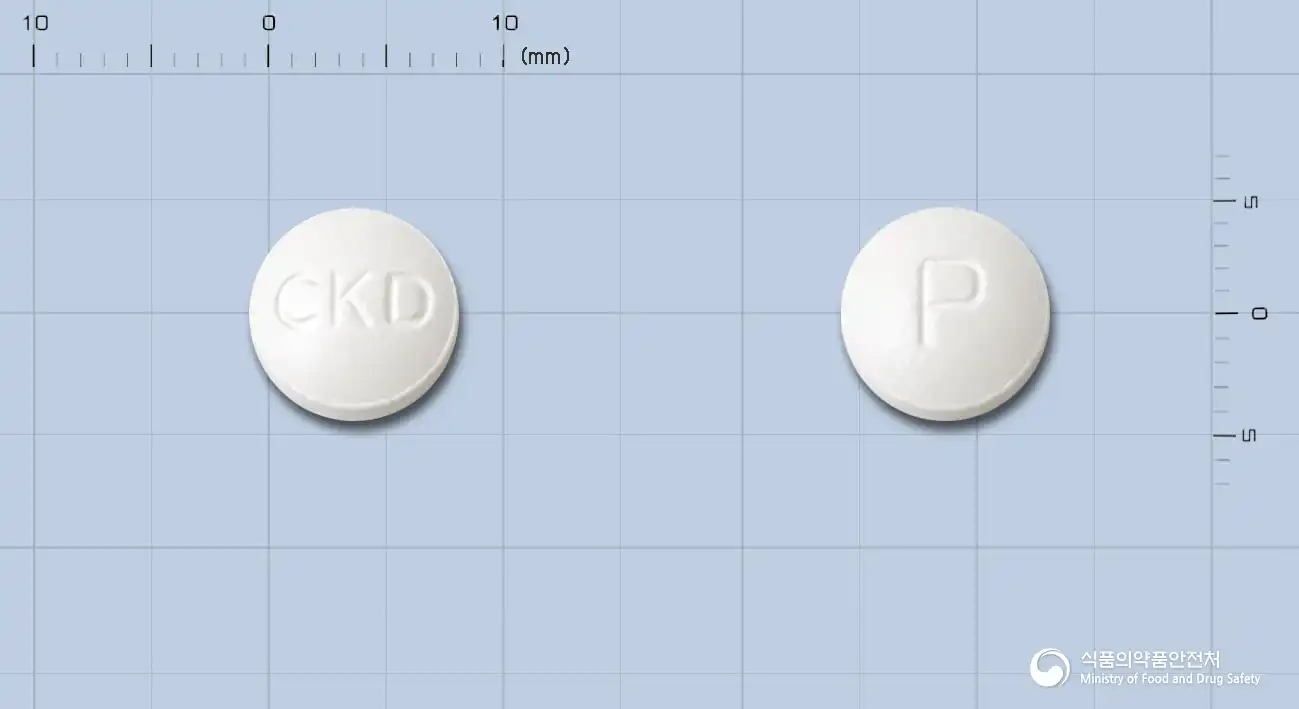
Cefpodoxime Proxetil 100mg
Tablet · Prescription medication
Jongkundang Co., Ltd.

Cefpodoxime Proxetil 100mg
Tablet · Prescription medication
Youngjin Pharmaceutical Co., Ltd.

Cefpodoxime Proxetil 130mg
Tablet · Prescription medication
Hanmi Pharmaceutical Co., Ltd.
Cefpodoxime Proxetil 5000mg
Prescription medication
Jongkundang Co., Ltd.
Cefpodoxime Proxetil
Prescription medication
SK Chemicals Co., Ltd.
Even with the same ingredient, the dose and directions can differ by strength and dosage form. Talk to a doctor or pharmacist before switching from a medication you are already taking.
No questions yet.
For anything that needs medical judgment, consult a doctor or pharmacist.
This drug information is based on data provided by the Korea Ministry of Food and Drug Safety.
Consult a doctor or pharmacist for accurate dosage, administration, and usage instructions.