
 한국어
 English
 日本語
 中文(简体)
 Viewing now
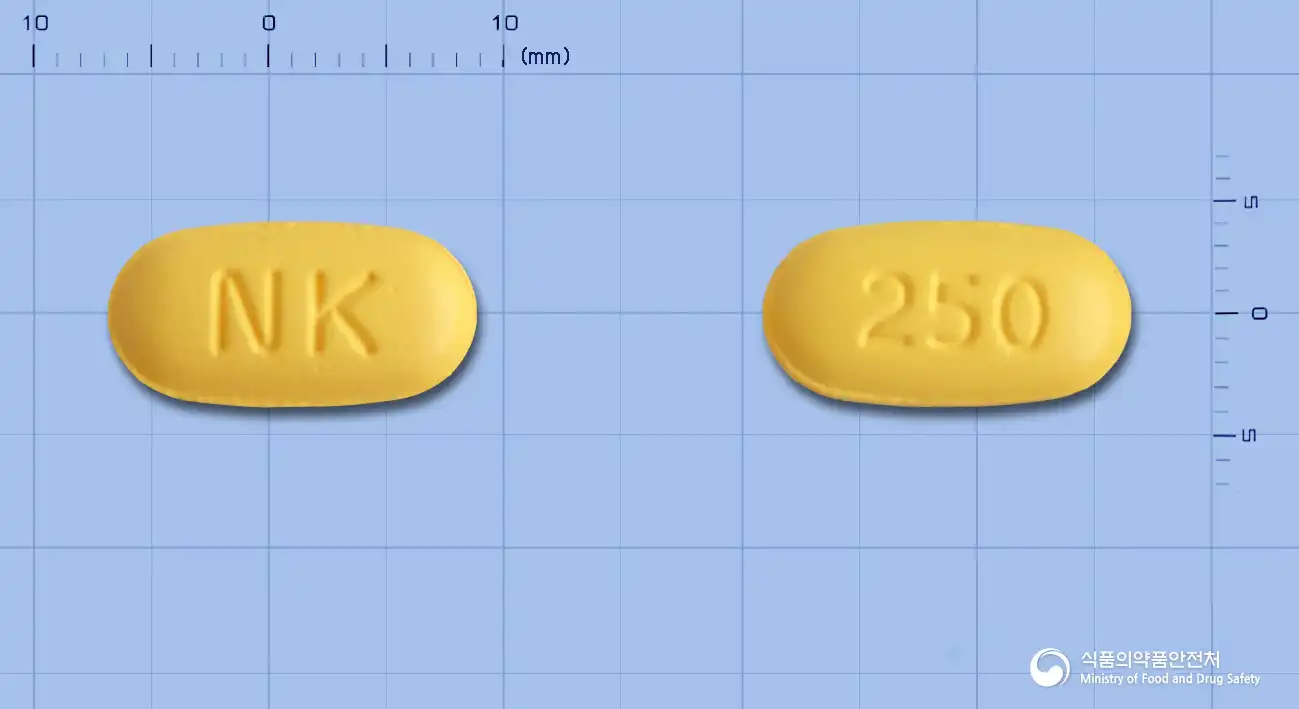
Clara Tablet 250mg (Clarithromycin)
Clarithromycin 250mg
Tablet · Prescription medication
Nexpharm Korea Co., Ltd.
MFDS item code 201504186 · Approved 2015.06.29 · Insurance code 662503240
Treatment of respiratory, skin, and mycobacterial infections, and Helicobacter pylori infection associated with duodenal ulcers
This medication is an effective treatment for various bacteria, including common bacteria such as Streptococcus pneumoniae and Staphylococcus aureus, as well as specific pathogens like Helicobacter pylori, Chlamydia, and Mycobacteria. It is particularly used for lower respiratory infections such as bronchitis and pneumonia, and upper respiratory infections such as pharyngitis and sinusitis. Additionally, it assists in the treatment of skin and soft tissue infections and is used for Mycobacterial infections. It also contributes to symptom improvement by eradicating Helicobacter pylori in patients with duodenal ulcers. This medication is used in the treatment of various infections, helping facilitate rapid recovery.
Adults: Clarithromycin is usually administered at a dose of 250mg (potency) twice daily; for severe infections, administer 500mg (potency) twice daily. The usual duration of treatment is 7~14 days. In patients with renal impairment and a creatinine clearance of 30mL/min or less, the dose should be reduced by half. That is, administer 250mg (potency) once daily, or, for severe infections, 250mg (potency) twice daily. Do not administer to these patients for more than 14 days. Mycobacterial infections: Administer 500mg (potency) of this medicine twice daily. In this case, it should be administered concomitantly with other antimycobacterial agents such as ethambutol, clofazimine, and rifampin. Helicobacter pylori eradication in patients with duodenal ulcers: Administer 500mg (potency) of this medicine three times daily with omeprazole 40mg once daily for 14 days, followed by omeprazole 40mg once daily for 14 consecutive days. That is, administer clarithromycin 500mg (potency) three times daily for 14 days (days 1~14), and administer omeprazole 40mg once daily for 28 days (days 1~28).
Children 12 years of age or older: Same as adults For children under 12 years of age, use clarithromycin dry syrup.
This medication should not be used in patients who are allergic to specific ingredients. Patients with a history of hypersensitivity to clarithromycin or similar class antibiotics should also not be administered this medication. Patients with a history of cardiac arrhythmias or prolonged QT intervals should avoid this medication. Patients with severe liver impairment or significantly reduced kidney function should not take this medication. It is safer not to use this medication in pregnant or nursing women. Serious side effects may occur if this medication is taken with certain other drugs, so it is essential to inform the physician of any medications being taken. Liver and kidney functions should be monitored regularly while using this medication, and adverse reactions should be observed. If allergic reactions or severe adverse symptoms occur, the medication should be discontinued immediately and consult a healthcare professional. Caution is required as hearing loss or tinnitus may occur with prolonged or high-dose use. Children and elderly individuals may be more sensitive to the side effects of this medication and should be used with special care. If diarrhea or abdominal pain worsens during treatment, it should be reported immediately to a healthcare professional as serious gastrointestinal diseases such as colitis could arise. As with other antibiotics, resistance may develop, so it's crucial to take this medication for the exact duration prescribed by the physician. Patients with heart disease or liver or kidney disease should consult their healthcare professional before taking this medication, as dose adjustments may be necessary. Caution may be required when driving or operating machinery while taking this medication; avoid activities if dizziness or confusion is experienced after taking it. Overdose may lead to gastrointestinal disturbances or central nervous system abnormalities; therefore, the prescribed dosage and administration should be strictly followed.
Not everyone experiences these, and they can vary from person to person.
This medication is sensitive to light, so it should be stored in a place that does not receive direct sunlight. Additionally, it should be stored at room temperature between 1 degree and 30 degrees Celsius and in a tightly sealed container to prevent air from entering.
Yellow oval film-coated tablet
30 tablets/bottle, 100 tablets/bottle
Even with the same ingredient, strength, dosage form and how it is taken can differ.
Viewing nowClarithromycin 250mg
Tablet · Prescription medication
Nexpharm Korea Co., Ltd.
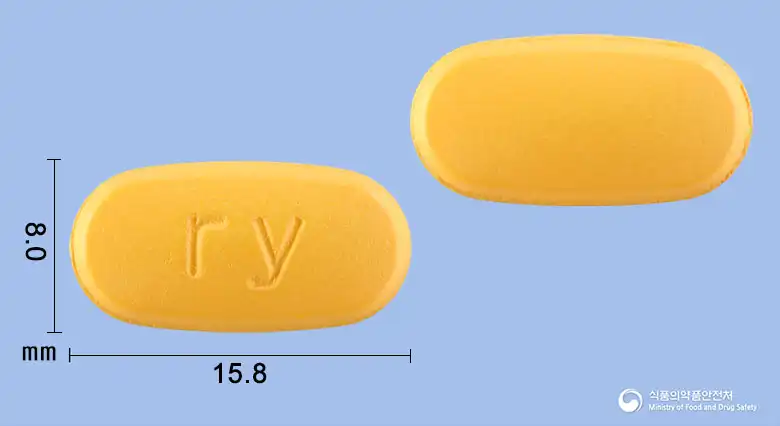
Clarithromycin 250mg
Tablet · Prescription medication
Iyeon Pharmaceutical Co., Ltd.
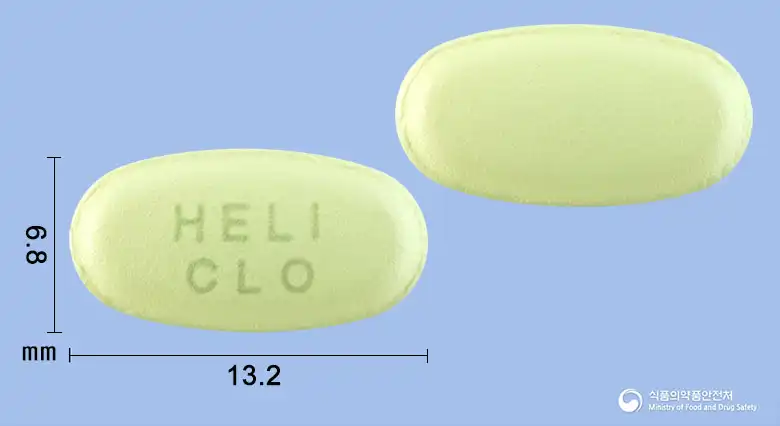
Clarithromycin 250mg
Tablet · Prescription medication
Jongkundang Co., Ltd.
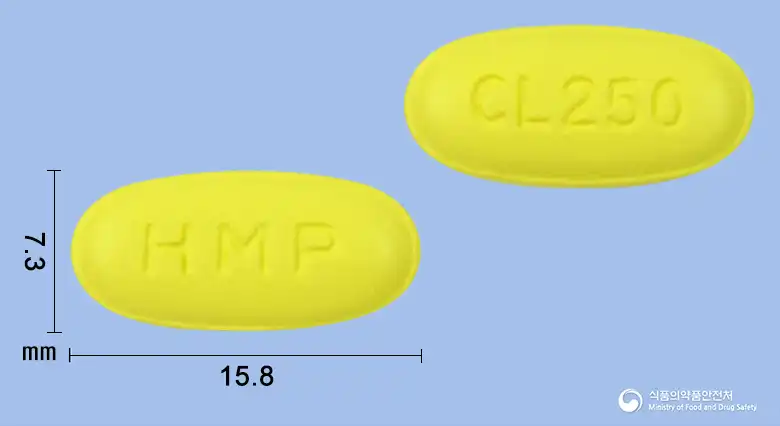
Clarithromycin 250mg
Tablet · Prescription medication
Hanmi Pharmaceutical Co., Ltd.
Clarithromycin 500mg
Prescription medication
Il Sung IS Co., Ltd.
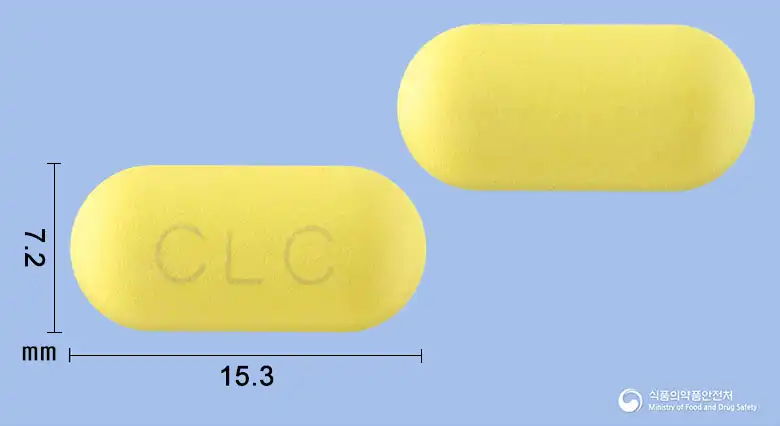
Clarithromycin 250mg
Tablet · Prescription medication
Boryung Co., Ltd.
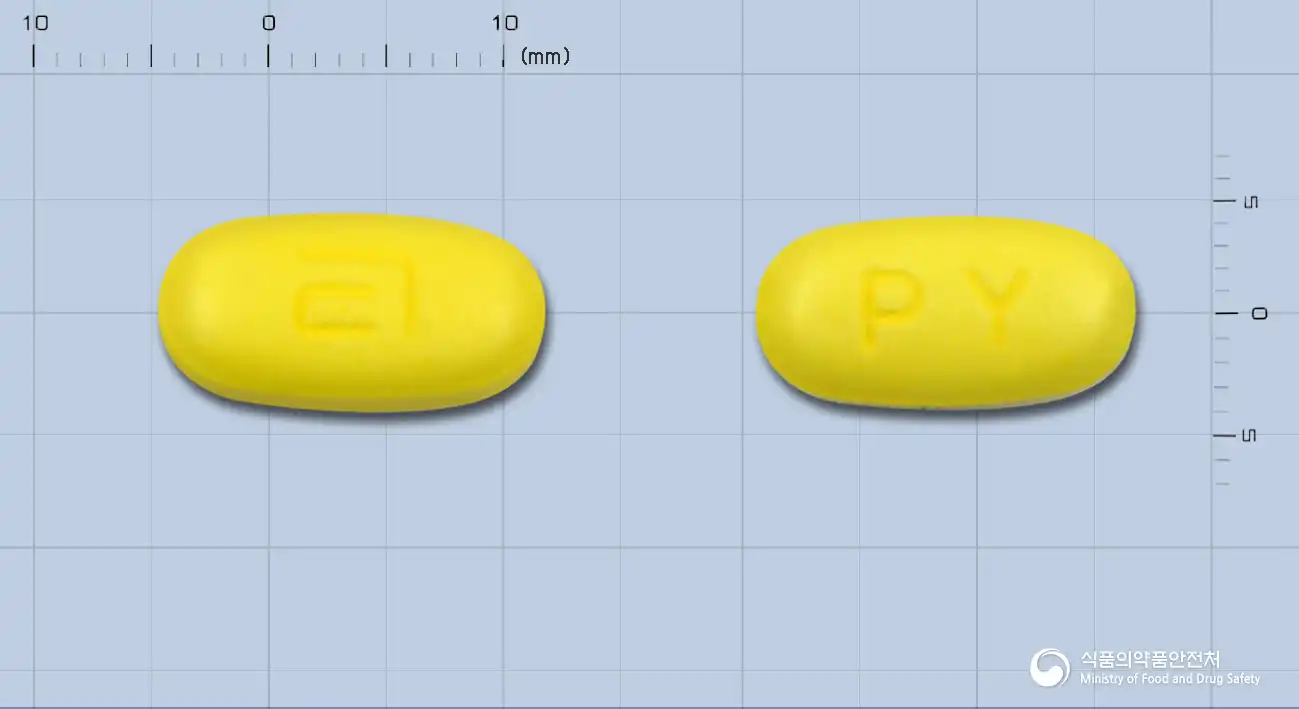
Clarithromycin 250mg
Tablet · Prescription medication
Kyungdong Pharmaceutical Co., Ltd.
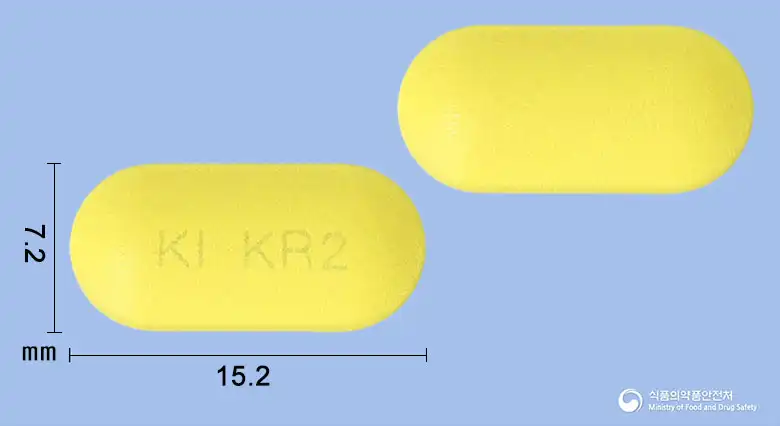
Clarithromycin 250mg
Tablet · Prescription medication
Kunil Pharmaceutical Co., Ltd.
Even with the same ingredient, the dose and directions can differ by strength and dosage form. Talk to a doctor or pharmacist before switching from a medication you are already taking.
No questions yet.
For anything that needs medical judgment, consult a doctor or pharmacist.
This drug information is based on data provided by the Korea Ministry of Food and Drug Safety.
Consult a doctor or pharmacist for accurate dosage, administration, and usage instructions.