
 한국어
 English
 日本語
 中文(简体)
 Viewing nowCombination
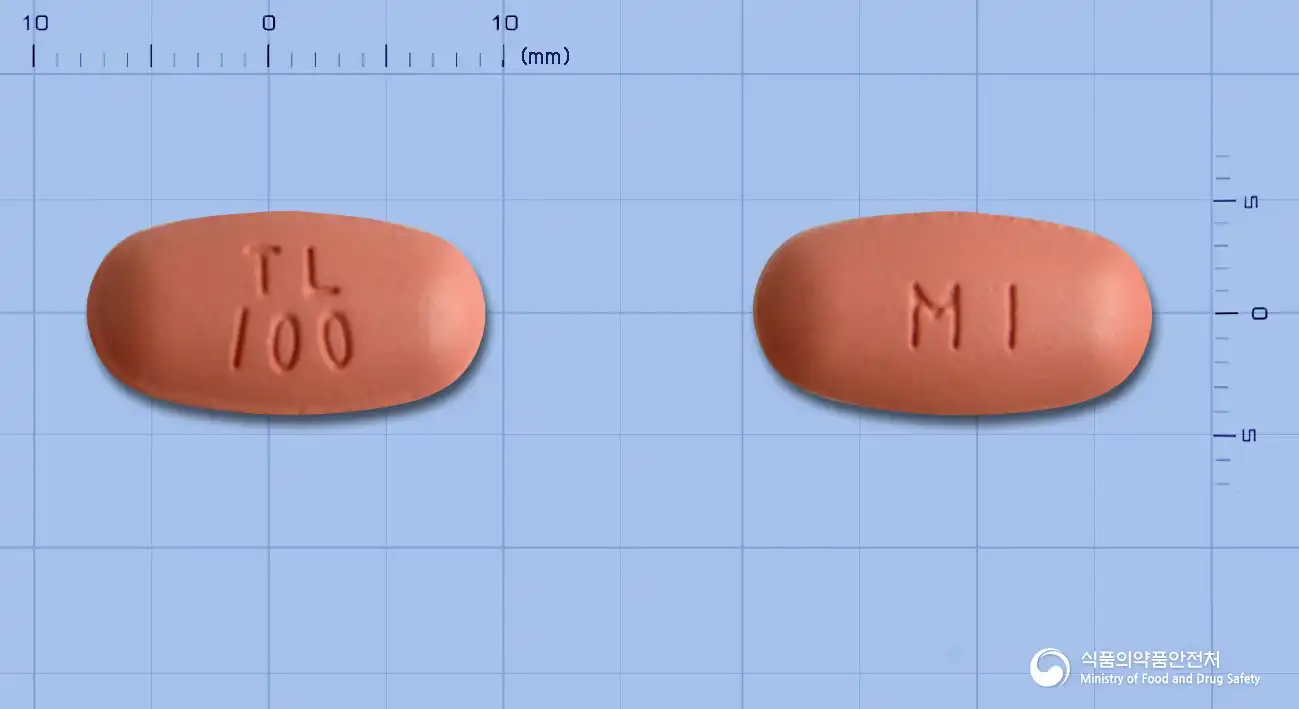
Trilevo Tablets 100/25/200 mg (Levodopa, Carbidopa, Entacapone)
Levodopa 100mg · Carbidopa Hydrate 27mg +1 more
Tablet · Prescription medication · Combination
Myung In Pharmaceutical Co., Ltd.
MFDS item code 201504179 · Approved 2015.06.29 · Insurance code 651904200
Treatment of motor fluctuations during wearing-off episodes in patients with Parkinson's disease
Levodopa and decarboxylase inhibitors are used to effectively control motor fluctuation symptoms in patients with Parkinson's disease, particularly those who do not improve with standard treatment. This medication compensates for the lack of dopamine in the brain, improves motor function, and reduces discomfort during periods when the drug's effect wanes. This helps enhance the patient's mobility in daily life and alleviates symptom variability.
Take 1 tablet of Trilevo orally per dose, with or without food. Each tablet is a single dose; take it whole without splitting or crushing it. The appropriate daily dose for each patient should be determined carefully by adjusting the levodopa dose. The daily dose of Trilevo should preferably be one tablet of an available strength (levodopa/carbidopa/entacapone: 50/12.5/200mg, 75/18.75/200mg, 100/25/200mg, 125/31.25/200mg, 150/37.5/200mg, or 200/50/200mg). Instruct patients to take only 1 tablet per dose. Patients taking 70mg~100mg or less of carbidopa per day are prone to nausea and vomiting. Experience with total daily doses of carbidopa of 200mg or more is limited, whereas the maximum recommended daily dose of entacapone is 2000mg and the maximum recommended daily dose of levodopa is 1500mg. Therefore, the maximum recommended daily dose is 10 tablets for Trilevo 50/12.5/200mg, 75/18.75/200mg, 100/25/200mg, 125/31.25/200mg, and 150/37.5/200mg, and 7 tablets for Trilevo 200/50/200mg. In general, Trilevo may be used in patients currently treated with a standard levodopa/dopa decarboxylase inhibitor formulation and entacapone at doses equivalent to those in Trilevo. 1. Switching patients currently receiving levodopa/dopa decarboxylase inhibitor (carbidopa or benserazide) and entacapone to Trilevo: 1) Patients currently receiving a standard levodopa/carbidopa formulation and entacapone at doses equivalent to those in Trilevo may switch directly to Trilevo. For example, a patient taking levodopa/carbidopa 50/12.5mg and entacapone 200mg 4 times daily may instead take 1 tablet of Trilevo 50/12.5/200mg 4 times daily. 2) For patients currently receiving a standard levodopa/carbidopa formulation and entacapone at doses that are not equivalent to those in Trilevo, carefully titrate the dose to achieve optimal clinical effect. The initial dose of Trilevo should be set as close as possible to the patient's current total daily levodopa dose. 3) When switching patients receiving a standard levodopa/benserazide formulation and entacapone to Trilevo, discontinue levodopa/benserazide on the night before starting treatment and begin Trilevo the following morning. Start with a Trilevo dose corresponding to the same or a slightly higher (5~10%) amount of levodopa than the patient was previously receiving. 2. Switching patients who are not currently taking entacapone to Trilevo: For patients with Parkinson's disease whose end-of-dose motor fluctuations are not controlled with standard levodopa/dopa decarboxylase inhibitor therapy, treatment with Trilevo at a dose equivalent to their current treatment may be considered. However, switching directly from standard levodopa/dopa decarboxylase inhibitor therapy to Trilevo is not recommended for patients with dyskinesia or those taking a daily levodopa dose of 800mg or more. In these patients, it is preferable to administer entacapone as a separate tablet and adjust (reduce) the levodopa dose if necessary before switching to Trilevo. Entacapone enhances the effects of levodopa. Therefore, particularly in patients with dyskinesia, it may be necessary to reduce the levodopa dose by approximately 10-30% within 1 day to 1 week after starting Trilevo. The daily levodopa dose may be reduced by extending the dosing interval or decreasing the levodopa dose per administration, depending on the patient's clinical condition. 3. Dose adjustment during treatment If an increase in levodopa is required, increase the frequency of Trilevo administration according to the dosage and administration instructions described above, or consider increasing the dose within the recommended range. If a reduction in levodopa is required, reduce the total daily dose of Trilevo by extending the dosing interval and reducing the frequency of administration, or by reducing the dose of Trilevo administered. When other levodopa medicines are used concomitantly with Trilevo, observe the maximum recommended dose. - Discontinuation of Trilevo: When Trilevo (levodopa/carbidopa/entacapone) is discontinued and the patient is switched to a levodopa/dopa decarboxylase inhibitor, adjustment of other antiparkinsonian medicines, particularly the levodopa dose, is necessary to control Parkinson's disease symptoms. - Older adults: No dose adjustment of Trilevo is required in older adults. - Patients with hepatic impairment: Trilevo should be administered with caution in patients with mild or moderate hepatic impairment. Dose adjustment (reduction) may be necessary. - Renal impairment: Renal impairment does not affect the pharmacokinetics of entacapone. There are no specific reports on the pharmacokinetics of levodopa and carbidopa in patients with renal impairment. Trilevo should be administered with caution to patients with severe renal impairment, including those receiving dialysis.
The safety and efficacy of Trilevo have not been evaluated in patients 18 years of age or younger. Therefore, administration of Trilevo is not recommended for patients 18 years of age or younger.
This medication may rarely cause severe dyskinesia or neuroleptic malignant syndrome leading to rhabdomyolysis; if such symptoms occur, immediate consultation with healthcare professionals is necessary. Abrupt discontinuation may lead to serious side effects such as muscle rigidity, high fever, and changes in mental state, so it should be tapered gradually. Patients with allergies to any components of this medication, or those who are pregnant or breastfeeding, as well as patients with severe liver dysfunction, glaucoma, skin diseases, or certain neurological disorders, should not take this medication. Patients with compromised liver or kidney function, past history of gastric ulcers, or pre-existing heart or mental disorders should exercise caution when using this medication. This medication may cause orthostatic hypotension, so if dizziness or drowsiness occurs, driving or operating dangerous machinery should be avoided. Regular monitoring of liver function, blood tests, and heart and kidney function tests is recommended during the use of this medication. This medication may interact with other drugs, so it is essential to inform the doctor or pharmacist of any currently taken medications. Pregnant or breastfeeding women should refrain from using this medication, and those planning to become pregnant should seek advice beforehand. In the event of an overdose, immediate hospitalization for proper treatment is required, as self-treatment may be dangerous. Mood changes, depression, impulse control disorders, and other symptoms may occur during the use of this medication, so it is important to inform healthcare professionals if these symptoms arise.
Movement disorders, vomiting, diarrhea, muscle and musculoskeletal pain, discoloration of urine, gastrointestinal bleeding, angioedema, hepatitis, rhabdomyolysis, neuroleptic malignant syndrome, anemia, thrombocytopenia, weight loss, decreased appetite, depression, hallucinations, confusion, abnormal dreams, anxiety, insomnia, psychosis, agitation, suicidal behavior, dopamine dysregulation syndrome, worsening of Parkinson's disease, tremors, on and off phenomenon, dystonia, mental disorders, drowsiness, dizziness, headache, blurred vision, ischemic heart disease other than myocardial infarction, arrhythmias, myocardial infarction, orthostatic hypotension, hypertension, gastrointestinal bleeding, shortness of breath, constipation, dyspepsia, abdominal pain and discomfort, dry mouth, colitis, dysphagia, abnormal liver function tests, rash, sweating, discoloration other than urine, urticaria, muscle cramps, arthralgia, urinary tract infections, urinary retention, chest pain, peripheral edema, fainting, gait disturbances, weakness, fatigue, malaise, pathological gambling, increased libido, excessive libido, impulse control disorders, excessive daytime sleepiness, sudden sleep symptoms
Not everyone experiences these, and they can vary from person to person.
This medication should be stored in a tightly closed container to avoid exposure to air or moisture. Additionally, it is best stored at room temperature between 1°C and 30°C. This helps maintain the drug's efficacy longer.
Oval film-coated tablet, reddish-brown
30 tablets/bottle, 100 tablets/bottle
Even with the same ingredient, strength, dosage form and how it is taken can differ.
Viewing nowCombinationLevodopa 100mg · Carbidopa Hydrate 27mg +1 more
Tablet · Prescription medication · Combination
Myung In Pharmaceutical Co., Ltd.
 Combination
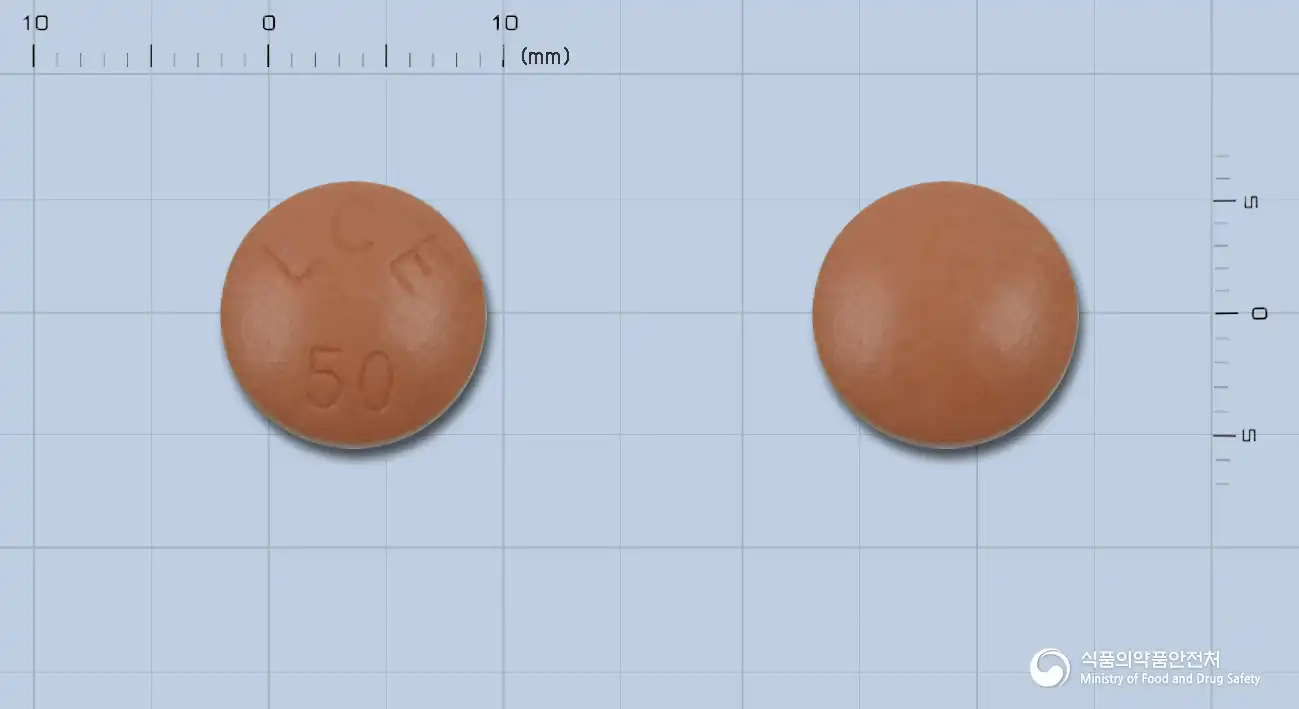
Entacapone 200mg · Levodopa 50mg +1 more
Tablet · Prescription medication · Combination
Alvogen Korea Co., Ltd.
 Combination
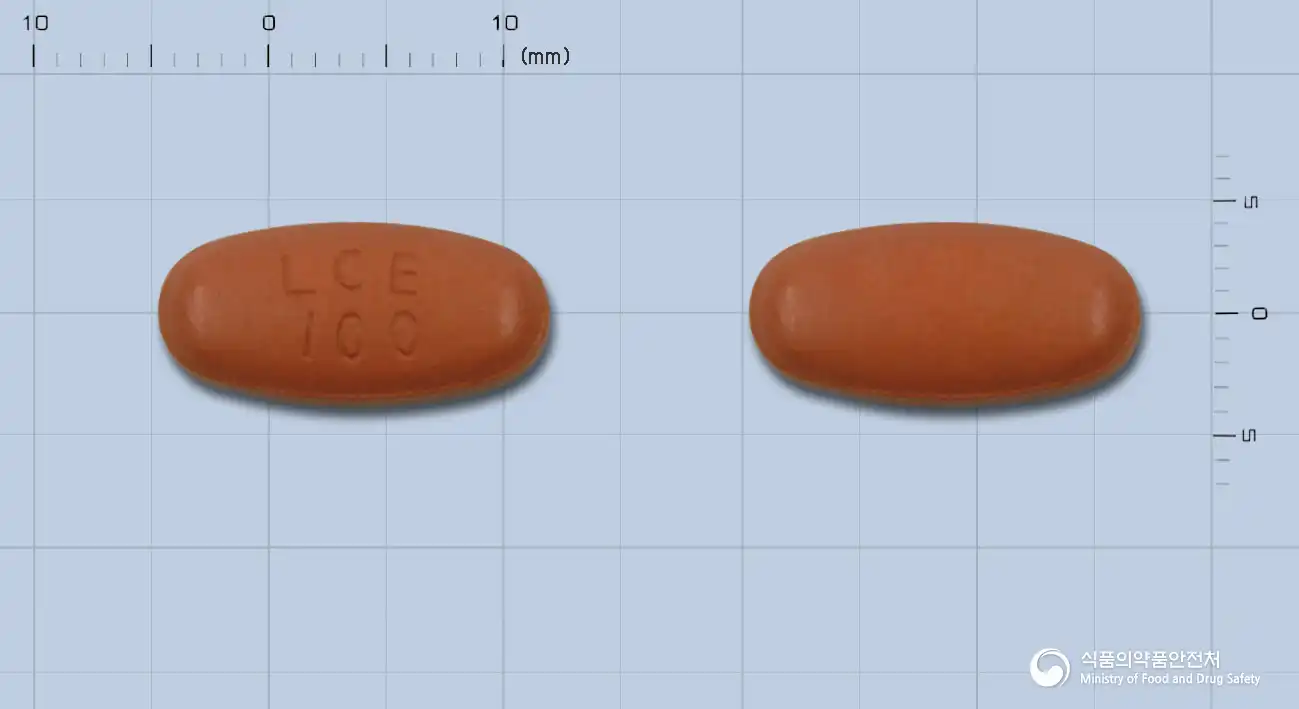
Entacapone 200mg · Levodopa 100mg +1 more
Tablet · Prescription medication · Combination
Alvogen Korea Co., Ltd.
 Combination
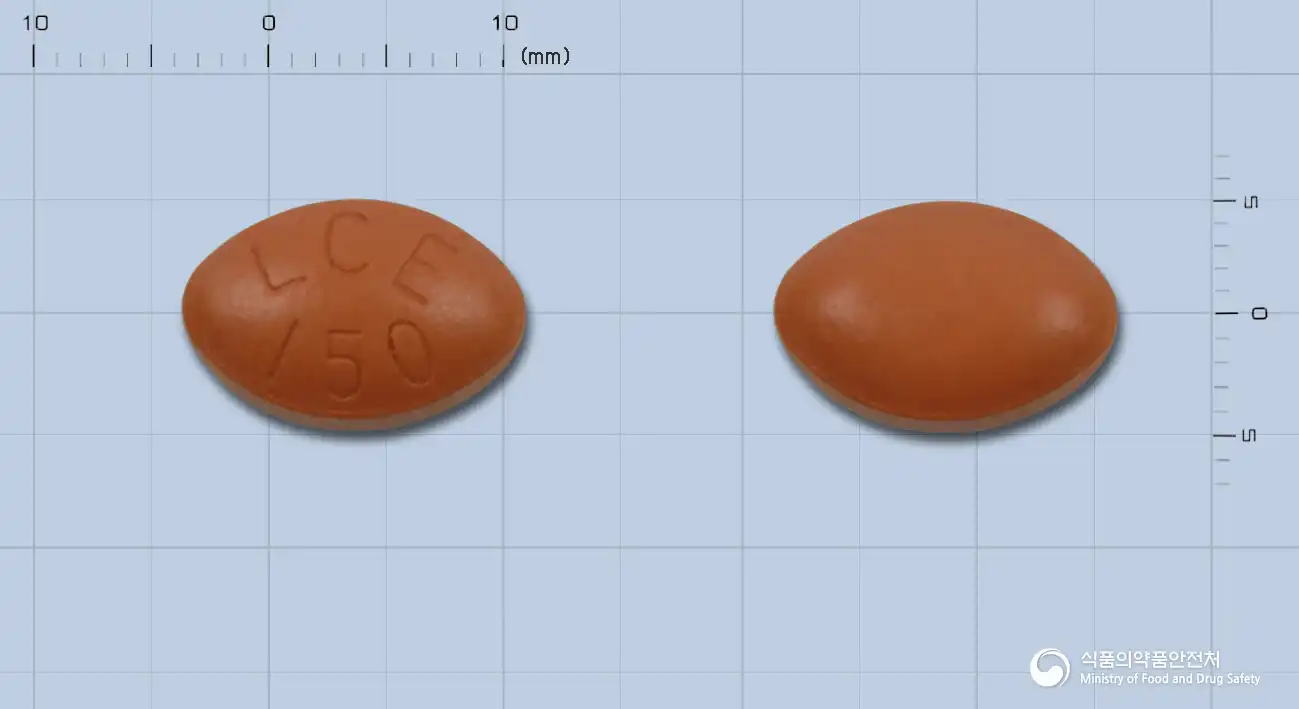
Entacapone 200mg · Levodopa 150mg +1 more
Tablet · Prescription medication · Combination
AlboGen Korea Co., Ltd.
 Combination
Entacapone 200mg · Levodopa 200mg +1 more
Tablet · Prescription medication · Combination
Albozen Korea Co., Ltd.
 Combination
Entacapone 200mg · Levodopa 75mg +1 more
Tablet · Prescription medication · Combination
Albozen Korea Co., Ltd.
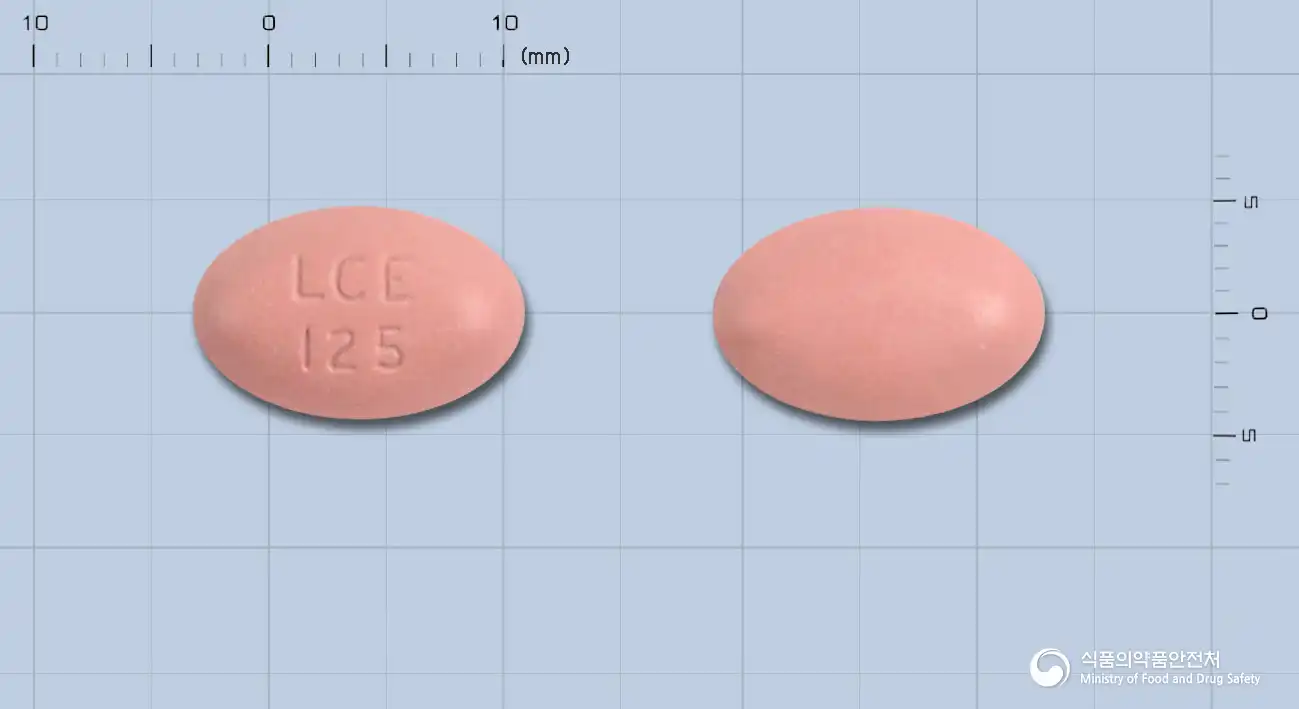 Combination
Entacapone 200mg · Levodopa 125mg +1 more
Tablet · Prescription medication · Combination
Albazen Korea Co., Ltd.
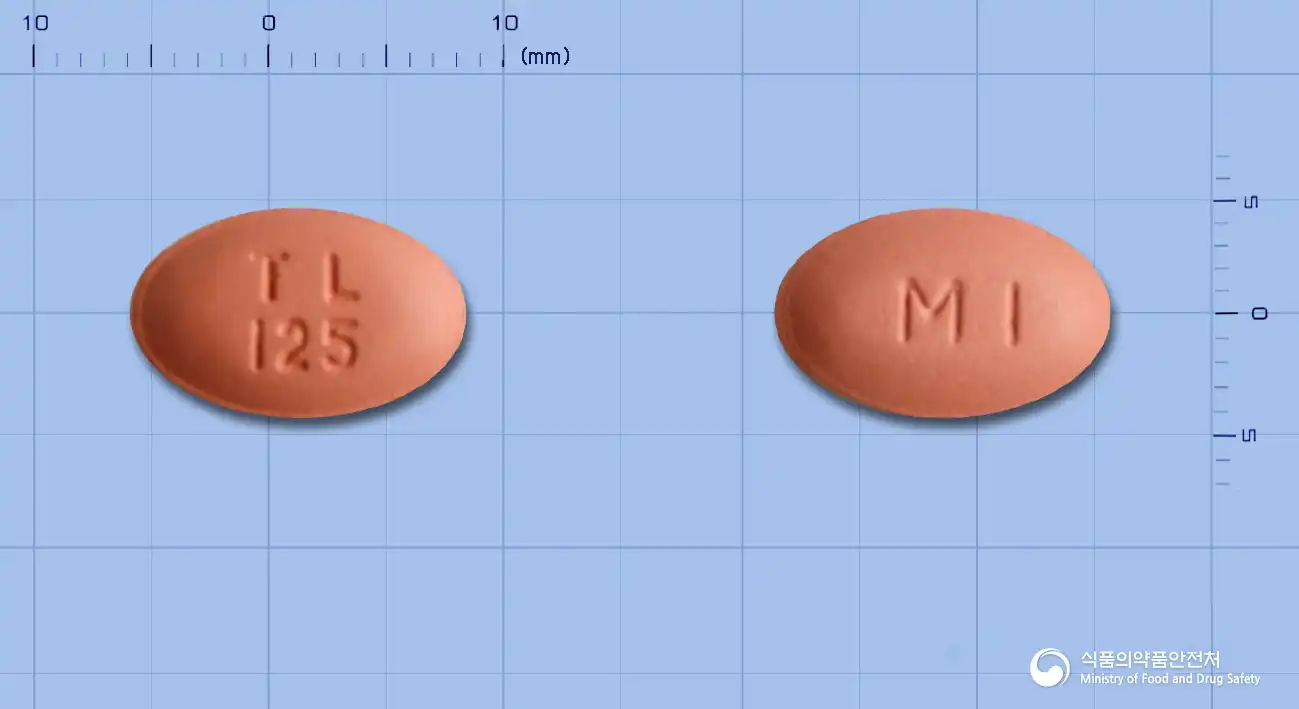 Combination
Levodopa 125mg · Carbidopa Hydrate 33.8mg +1 more
Tablet · Prescription medication · Combination
Myeongjin Pharmaceutical Co., Ltd.
Even with the same ingredient, the dose and directions can differ by strength and dosage form. Talk to a doctor or pharmacist before switching from a medication you are already taking.
No questions yet.
For anything that needs medical judgment, consult a doctor or pharmacist.
This drug information is based on data provided by the Korea Ministry of Food and Drug Safety.
Consult a doctor or pharmacist for accurate dosage, administration, and usage instructions.