
 한국어
 English
 日本語
 中文(简体)
Dosage form image
Viewing nowBupreon Tablets (Bupropion Hydrochloride)
Bupropion Hydrochloride 100mg
Tablet · Prescription medication
Daehan New Pharm Co., Ltd.
MFDS item code 201504062 · Approved 2015.06.19
This product's status changed to Approval withdrawn on 2024.09.11. It may no longer be sold, so consult a doctor or pharmacist before taking it.
Treatment of depression
This medication is used to alleviate the symptoms of depression and stabilize mood. It helps patients with depression to have a better daily life.
Adults: As with other antidepressants, treatment should continue for 4 weeks or longer. Administer 100 mg 3 times daily. Initially, administer 100 mg twice daily, and, depending on the clinical response, administer 100 mg 3 times daily starting at least 4 days later. General administration: It is important to minimize the risk of seizures. When increasing the dose, do not increase by more than 100 mg per day every 3 days. During gradual dose increases, it is important to monitor for and minimize the frequent occurrence of agitation, ataxia, and insomnia early in treatment. If necessary, these may be managed by temporarily reducing the dose or temporarily administering a sedative-hypnotic with an intermediate or long duration of action. A sedative-hypnotic is not needed during the first week of treatment, and insomnia may be minimized by avoiding administration at bedtime. If adverse reactions occur, stop increasing the dose. The dose of this medicine must not exceed 150 mg per administration. Administer 3 times daily at intervals of at least 6 hours. When administering 300 mg or more per day: If there is no clinical benefit after treatment with 300 mg per day for several weeks, the dose may be increased to a maximum of 450 mg per day, up to 150 mg per administration. To ensure that the dose per administration does not exceed 150 mg, administer 100 mg 4 times daily at 4-hour intervals. If an adequate effect is not achieved with 450 mg per day, discontinue this medicine. Maintenance therapy: The lowest dose is recommended. The duration of treatment has not been established, but is generally considered to be several months or longer, as required for acute treatment of depression.
This medication may increase the risk of suicidal thoughts and behaviors in children, adolescents, and young adults with major depressive disorder or other psychiatric disorders, so careful judgment by a physician is required before administration. The active ingredient of this medication is the same as that used in smoking cessation treatment, so it should not be used in conjunction with other medications containing the same ingredient. As the dosage increases, the risk of seizures may increase, so it is essential to adhere to the prescribed dosage and administration method, and patients with a history of seizures or seizure risk factors should be particularly cautious. Patients with impaired liver function or reduced kidney function may experience delayed metabolism and excretion of this medication, requiring dosage adjustment and careful monitoring. Various side effects such as insomnia, dry mouth, headache, nausea, constipation, and tremors may occur during treatment with this medication, and if there are changes in mental state or suicidal tendencies, one should immediately consult healthcare professionals. The safety of this medication during pregnancy has not been established; therefore, it should be administered with caution during pregnancy, and during breastfeeding, it may be transmitted through breast milk, so breastfeeding should be avoided or consultation with a physician is necessary. This medication may interact with other drugs, so it is essential to inform healthcare professionals of any other medications being taken, particularly when used with medications that lower the seizure threshold. Caution is advised when performing tasks requiring concentration, such as driving or operating machinery while taking this medication. Serious side effects may occur in the event of overdose; therefore, adherence to the prescribed dosage is crucial, and in case of overdose, one should visit a hospital immediately. This medication should be kept out of reach of children, and it is advisable not to transfer it to other containers.
Suicidal thoughts and behavior, aggression, hostility, anger, seizures, excitement, thirst, insomnia, headache, migraine, nausea, vomiting, constipation, tremors, neuropsychiatric disturbances, rash, itching, angioedema, dyspnea, erythema multiforme, Stevens-Johnson syndrome, anaphylactic shock, arthralgia, myalgia, fever, delayed hypersensitivity, edema, dizziness, hypertension, hypotension, palpitations, syncope, tachycardia, anorexia, increased appetite, diarrhea, indigestion, weight gain, weight loss, erectile dysfunction, menstrual discomfort, polyuria, urinary retention, arthritis, restlessness, immobility, bradykinesia, skin temperature dysregulation, excessive sweating, decreased sleep quality, increased salivation, muscle cramps, pseudo-parkinsonism, sedation, sensory disturbance, agitation, anxiety, confusion, decreased libido, delusions, concentration impairment, euphoric sensation, fatigue, fever, upper respiratory discomfort, hearing impairment, visual impairment, taste disturbance, gastritis, stomatitis, dental pain, teeth grinding, gum irritation, oral edema, bronchitis, dyspnea, epistaxis, respiratory rate and rhythm disturbances, pneumonia, pulmonary embolism, body odor, surgical pain, infection, drug reactions, symptoms due to overdose, lethargy, drowsiness, loss of consciousness, coma, respiratory failure, arrhythmia, conduction disturbances, blurred vision, vertigo, nausea, agitation, visual hallucinations, staggering, hallucinations, loss of consciousness, homonymous hemianopia, muscle rigidity, rhabdomyolysis, hypotension, sensory paralysis, coma, psychosis, coma, delirium, abnormal dreams, paranoid ideation, sensory disturbances, restlessness, tardive dyskinesia, increased suicidal tendencies, suicidal ideation, insomnia, anorexia, weight loss, sexual dysfunction, tremor, drowsiness, indigestion, worsening hypertension, orthostatic hypotension, inappropriate antidiuretic hormone secretion, hyperglycemia, hypoglycemia, esophagitis, hepatitis, liver damage, jaundice, petechiae, leukocytosis, leukopenia, thrombocytopenia, aggression, coma, delirium, abnormal dreams, paranoid ideation, sensory disturbances, restlessness, tardive dyskinesia, Stevens-Johnson syndrome, angioedema, exfoliative dermatitis, urticaria, tinnitus, increased intraocular pressure, arthralgia, myalgia, fever with rash, delayed hypersensitivity, hypertension, orthostatic hypotension, 3rd-degree heart block, inappropriate antidiuretic hormone secretion, hyperglycemia, hypoglycemia, esophagitis, hepatitis, liver damage, petechiae, leukocytosis, leukopenia, thrombocytopenia
Not everyone experiences these, and they can vary from person to person.
This medication is sensitive to light, so it should be stored in a container that does not allow light to enter. Additionally, it is best to store it in a cool temperature below 25 degrees Celsius. By storing it this way, the effectiveness of the medication can be maintained for a longer period.
Pink round film-coated tablet
100 tablets/box [(10 tablets/PTP × 10)]
Even with the same ingredient, strength, dosage form and how it is taken can differ.
Bupropion Hydrochloride 100mg
Tablet · Prescription medication
Daehan New Pharm Co., Ltd.

Bupropion Hydrochloride 100mg
Tablet · Prescription medication
Unimed Pharmaceutical Co., Ltd.

Bupropion Hydrochloride 300mg
Tablet · Prescription medication
GlaxoSmithKline Co., Ltd.

Bupropion Hydrochloride 150mg
Tablet · Prescription medication
GlaxoSmithKline Co., Ltd.
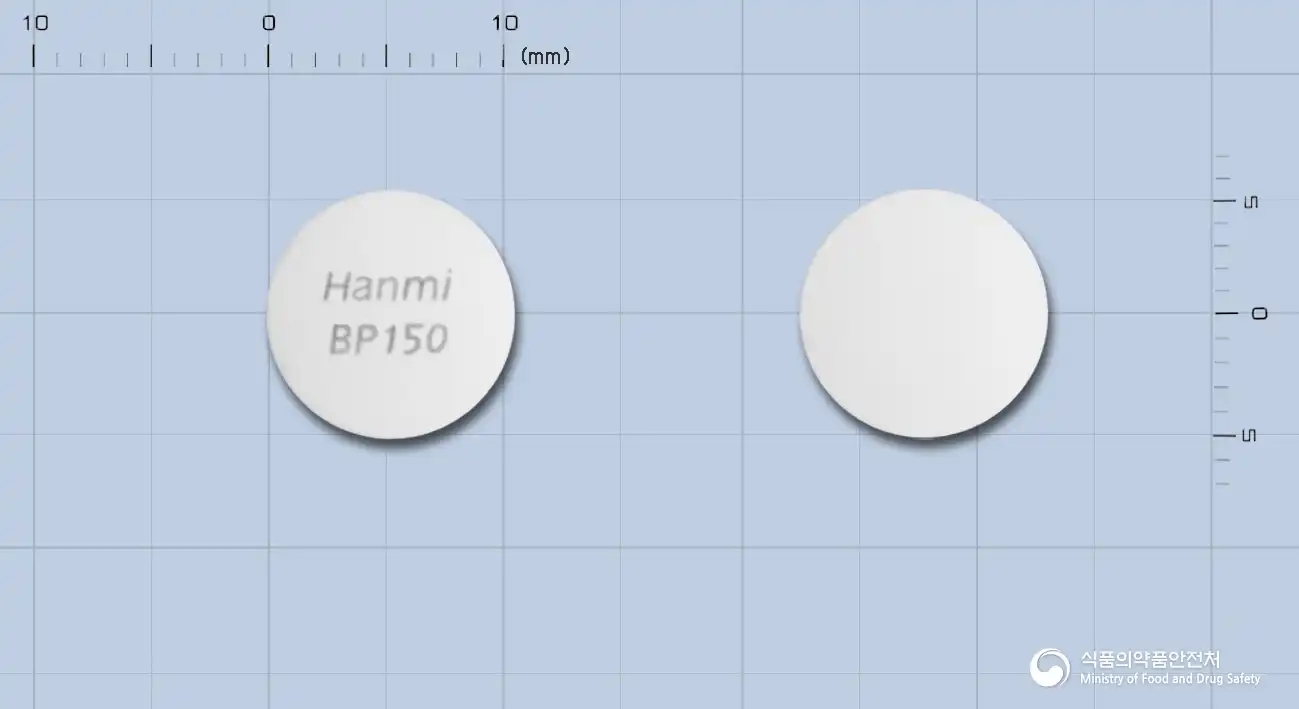
Bupropion Hydrochloride 150mg
Tablet · Prescription medication
Hanmi Pharmaceutical Co., Ltd.
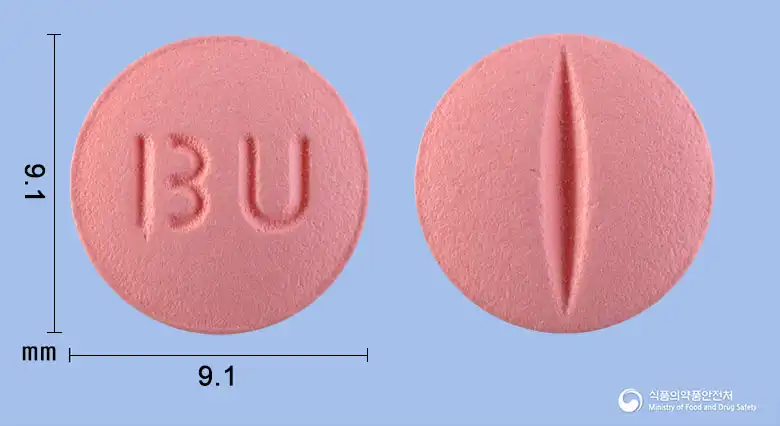
Bupropion Hydrochloride 100mg
Tablet · Prescription medication
Albotec Korea Co., Ltd.
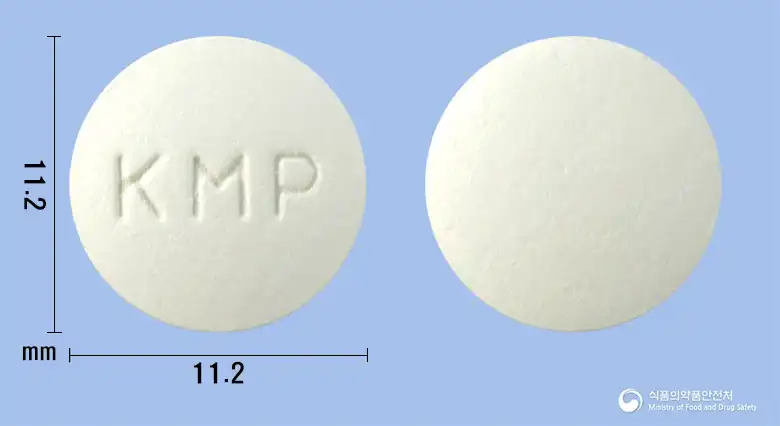
Bupropion Hydrochloride 150mg
Tablet · Prescription medication
Genupharm Co., Ltd.
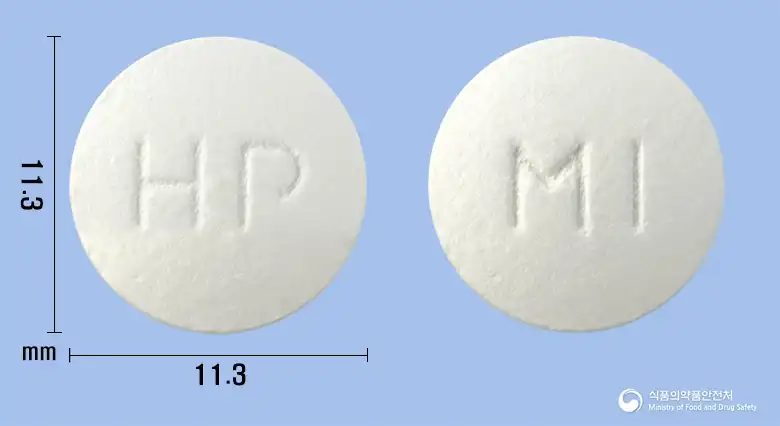
Bupropion Hydrochloride 150mg
Tablet · Prescription medication
Myungjin Pharmaceutical Co., Ltd.
Even with the same ingredient, the dose and directions can differ by strength and dosage form. Talk to a doctor or pharmacist before switching from a medication you are already taking.
No questions yet.
For anything that needs medical judgment, consult a doctor or pharmacist.
This drug information is based on data provided by the Korea Ministry of Food and Drug Safety.
Consult a doctor or pharmacist for accurate dosage, administration, and usage instructions.