
 한국어
 English
 日本語
 中文(简体)
Dosage form image
Viewing nowNeupharma Injection (Nefopam Hydrochloride)
Nefopam Hydrochloride 10mg
Prescription medication
Daehan New Pharm Co., Ltd.
MFDS item code 201503317 · Notified 2015.05.29
Relief of acute pain (postoperative pain)
This medication is used to relieve acute pain. It effectively reduces pain that occurs post-surgery, aiding in patient recovery. It helps in pain management following surgery, supporting the patient's prompt return to daily activities. Therefore, it is used for the relief of acute pain and postoperative pain.
Inject 20 mg of nefopam hydrochloride intramuscularly or intravenously per dose. If necessary, repeat every 6 hours, without exceeding 120 mg per day. Administer the intravenous injection slowly over at least 15 minutes. After administration, it is preferable to have the patient lie down and rest for 15-20 minutes. When added to an infusion solution such as electrolytes or glucose, administer 30 mg over 4 hours or 40 mg over 6-8 hours, in proportion to the infusion time. It is recommended to avoid mixing this medicine with other medicines for injection. The dose may be adjusted appropriately according to age and symptoms.
This medication is an ampoule injection, and care should be taken when cutting the container to avoid mixing in glass fragments. Carefully cut and use to ensure that no glass fragments are included. This medication should not be used in patients with epilepsy, those with a history of myocardial infarction, patients taking certain antidepressants (MAO inhibitors), individuals allergic to this medication or its ingredients, children under 15 years old, individuals with a history of seizures, those at risk of urinary retention due to urethra or prostate issues, and patients with closed-angle glaucoma due to increased intraocular pressure. Caution should be exercised when administering this medication to the elderly, pregnant or nursing women, and patients taking anticholinergic drugs. Adverse effects when using this medication may include loss of appetite, digestive issues, nausea, drowsiness, vomiting, excessive sweating, dizziness, rapid heartbeat, thirst, urinary retention, injection site pain, headache, blurred vision, fatigue, irritability, sleep disturbances, hallucinations, drug abuse and dependence, seizures, and allergic reactions. The severity of these adverse reactions may vary with dosage, and most of them may subside with repeated administration. Since this medication is used for symptomatic treatment of inflammation or pain, it does not address the underlying cause. Administration should be based on the severity of acute inflammation or pain, and prolonged use of the same medication should be avoided. When used for inflammation caused by infection, it should be administered alongside appropriate antibiotics or antifungals, and the patient's condition should be closely monitored. For elderly patients, the minimum effective dose should be used, and particular attention should be paid to the occurrence of side effects. Patients with impaired liver or kidney function may be affected by the metabolism and excretion of this medication, thus caution is required. This medication may cause drowsiness or decreased concentration, so it is advisable to avoid using it when engaging in tasks that require attention, such as driving or operating machinery. When used in conjunction with other analgesics or anticholinergic drugs, the risk of side effects may increase, so consultation with a physician is advisable. The use of this medication is not recommended for pregnant or nursing women. There is no established safety or efficacy in children under 15 years old, and it should not be used in this age group. It is not recommended for the elderly due to anticholinergic side effects. In case of overdose, immediate consultation with a doctor or pharmacist is essential, and careful monitoring of the heart and respiratory status should be done. It is advisable to avoid mixing this medication with other drugs for injection.
Not everyone experiences these, and they can vary from person to person.
This medication should be stored in a sealed container to prevent air from entering, ideally at room temperature between 1 to 30 degrees Celsius. By storing it this way, the medication's effectiveness can be well maintained.
Colorless transparent liquid in a colorless transparent glass ampoule
2mL X 10 ampoules
Even with the same ingredient, strength, dosage form and how it is taken can differ.
Nefopam Hydrochloride 10mg
Prescription medication
Daehan New Pharm Co., Ltd.
Nefopam Hydrochloride 10mg
Injections · Prescription medication
Korea Pharmbio Co., Ltd.
Nefopam Hydrochloride 10mg
Injections · Prescription medication
Jungheon Pharmaceutical Co., Ltd.
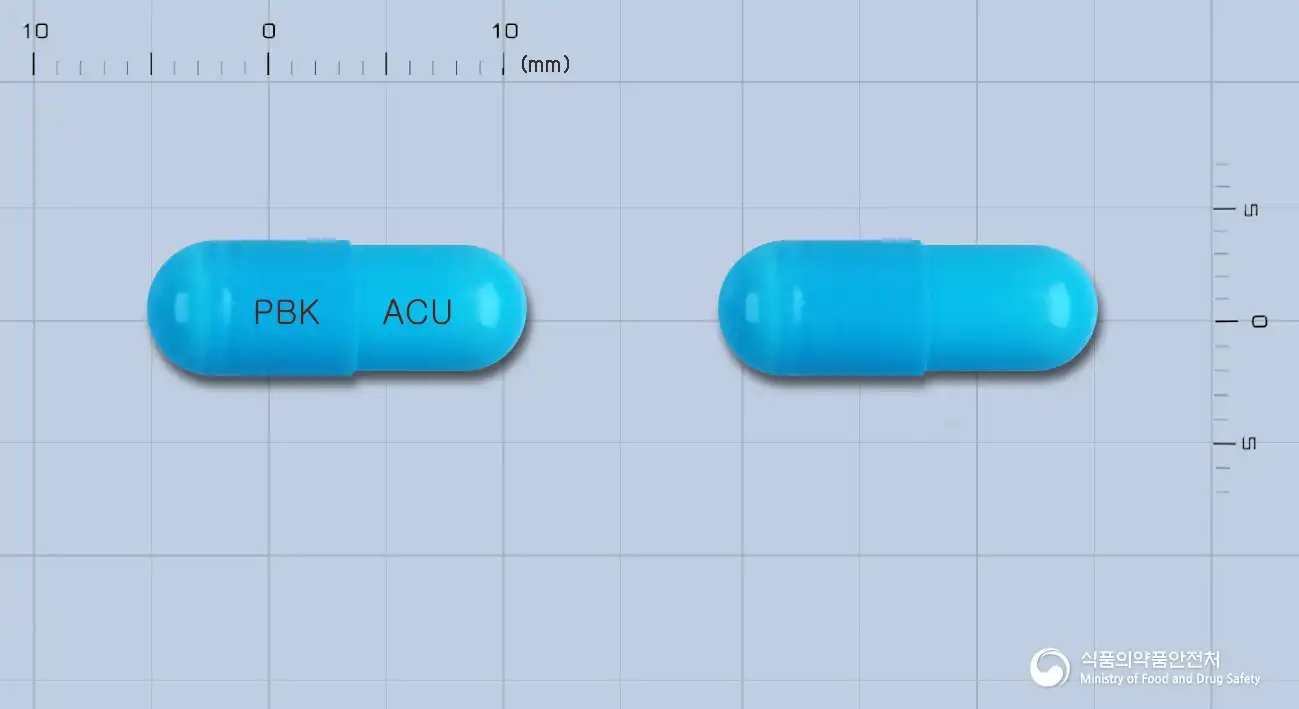
Nefopam Hydrochloride 30mg
Hard capsule · Prescription medication
Korea Pharmbio Co., Ltd.
Nefopam Hydrochloride 10mg
Prescription medication
Hana Pharmaceutical Co., Ltd.
Nefopam Hydrochloride 10mg
Prescription medication
Korea Pharmbio Co., Ltd.
Nefopam Hydrochloride 10mg
Prescription medication
Ilsung IS Co., Ltd.
Nefopam Hydrochloride 10mg
Injections · Prescription medication
BC World Pharmaceutical Co., Ltd.
Even with the same ingredient, the dose and directions can differ by strength and dosage form. Talk to a doctor or pharmacist before switching from a medication you are already taking.
No questions yet.
For anything that needs medical judgment, consult a doctor or pharmacist.
This drug information is based on data provided by the Korea Ministry of Food and Drug Safety.
Consult a doctor or pharmacist for accurate dosage, administration, and usage instructions.