
 한국어
 English
 日本語
 中文(简体)
 Viewing now
Tadalafil 5 mg Tablets (Tadalafil)
Tadalafil 5mg
Tablet · Prescription medication
Alborgen Korea Co., Ltd.
MFDS item code 201503289 · Approved 2015.05.29
Treatment of benign prostatic hyperplasia, erectile dysfunction, and symptoms when both conditions are present
This medication is primarily used for the treatment of erectile dysfunction in men. It works in the presence of sexual stimulation and is not for use in women. It also helps alleviate symptoms and signs associated with benign prostatic hyperplasia. Men with both erectile dysfunction and benign prostatic hyperplasia can treat both issues with this medication. In summary, this drug is used to improve symptoms of erectile dysfunction and benign prostatic hyperplasia in men.
Do not crush this medicine. Take one tablet whole. For oral administration. 1. Erectile dysfunction Use in adult men For patients who are expected to use tadalafil frequently (at least 2 times per week), the recommended dose is up to 5mg once daily, taken at approximately the same time each day. The suitability of continuous daily dosing should be reassessed periodically. 2. Once-daily dosing for benign prostatic hyperplasia The recommended dose of this medicine for once-daily use is 5mg, taken at approximately the same time each day. 3. Once-daily dosing for erectile dysfunction and benign prostatic hyperplasia The recommended dose of this medicine for once-daily use is 5mg, taken at approximately the same time each day, regardless of the timing of sexual activity. 4. Special populations ● Use in elderly men Dosage adjustments are not required in elderly patients. ● Use in men with renal impairment - Erectile dysfunction No dosage adjustment is required in patients with mild to moderate renal impairment. Once-daily tadalafil is not recommended in patients with severe renal impairment. [See Precautions for Use 3.2) and section 11.2) Pharmacokinetic Properties]. - Benign prostatic hyperplasia No dosage adjustment is required in patients with mild renal impairment. Once-daily tadalafil is not recommended in patients with severe renal impairment. [See Precautions for Use 3.3) and section 11.2) Pharmacokinetic Properties]. ● Use in men with hepatic impairment Once-daily dosing has not been evaluated in patients with hepatic impairment. Therefore, if prescribing, the physician should carefully assess the individual benefit/risk. (See section 11. <Special Populations>) ● Use in men with diabetes No dosage adjustment is required in patients with diabetes.
Must not be used in persons under 18 years of age.
This medication is used for the treatment of erectile dysfunction and benign prostatic hyperplasia. Before taking, the heart condition must be checked, as there may be risks associated with sexual activity for individuals with cardiovascular diseases. If symptoms related to the heart appear during sexual activity, it should be stopped immediately, and a doctor should be consulted. If an erection lasts longer than 4 hours, medical attention should be sought promptly, as untreated conditions can lead to penile tissue damage and permanent erectile dysfunction. During the treatment, nitrate medications or NO donors must not be taken simultaneously, as this can lead to excessive drops in blood pressure. Patients who have recently experienced cardiovascular diseases such as myocardial infarction, cardiac arrest, unstable angina, heart failure, or stroke should not take this medication. Patients with hereditary retinal disorders or allergies to any component of this drug should also avoid it. The concurrent use of other erectile dysfunction treatments is not recommended as their safety has not been confirmed. Caution should be taken in patients with severely impaired kidney or liver function, and careful monitoring of blood pressure is warranted when combined with alpha blockers or antihypertensives. This drug is metabolized by the CYP3A4 enzyme, so there may be variations in drug concentration when taken with certain antifungals, antibiotics, or protease inhibitors. It cannot be used by pregnant or breastfeeding women, or in children. Side effects such as headache, dyspepsia, back pain, myalgia, flushing, limb pain, nasopharyngitis, upper respiratory infection, cough, diarrhea, gastroesophageal reflux disease, abdominal pain, dizziness, sensitivity loss, insomnia, paresthesia, drowsiness, lightheadedness, kidney impairment, difficulty breathing, itching, rash, sweating, visual impairment, color vision abnormalities, conjunctivitis, eye pain, increased tear secretion, eyelid swelling, sudden hearing loss or decrease, tinnitus, and increased erections may occur during treatment. It is advisable to avoid or limit alcohol intake while taking this medication, and to check one's own condition before driving or operating machinery. In case of overdose, contact a medical institution immediately for appropriate treatment. Keep out of reach of children and store in the original packaging.
Headache, dyspepsia, low back pain, muscle pain, congestion, flushing, limb pain, nasopharyngitis, upper respiratory infection, cough, diarrhea, urinary tract infection, gastroesophageal reflux disease, abdominal pain, hypertension, dizziness, priapism, increased blood urea nitrogen, tachycardia, palpitations, eye congestion, increased SGPT, chest pressure, vomiting, nausea, increased alkaline phosphatase, fatigue, neck stiffness, pain upon urination, kidney pain, dry mouth, heartburn, gastrointestinal disease, drowsiness, increased white blood cell count, decreased platelet count, anxiety, sleep disorders, decreased hemoglobin, eye pain, chest pain, joint pain, hyperventilation, eye hemorrhage, eyelid swelling, conjunctival hemorrhage, dry eyes, abdominal cramps, increased bilirubin, ejaculation disorders, pain in external genitalia, erythema, itching, penile disorders, myocardial infarction, tinnitus, epistaxis, dry nose, increased serum creatinine, hiccups, weakness, abdominal discomfort, abdominal pain, allergic reactions, facial swelling, fever, increased SGOT, increased hemoglobin, urticaria, Stevens-Johnson syndrome, exfoliative dermatitis, migraine, seizures, transient global amnesia, visual field loss, retinal vein occlusion, retinal artery occlusion, permanent vision loss, non-arteritic anterior ischemic optic neuropathy, sudden hearing decrease or loss, tinnitus, angioedema, electrocardiogram abnormalities, primary bradycardia, chills, musculoskeletal pain
Not everyone experiences these, and they can vary from person to person.
This medication may be sensitive to air and moisture, so it must be stored in a tightly closed container. It is recommended to maintain storage at room temperature between 1 and 30 degrees Celsius. Doing so will safely preserve the medication's efficacy.
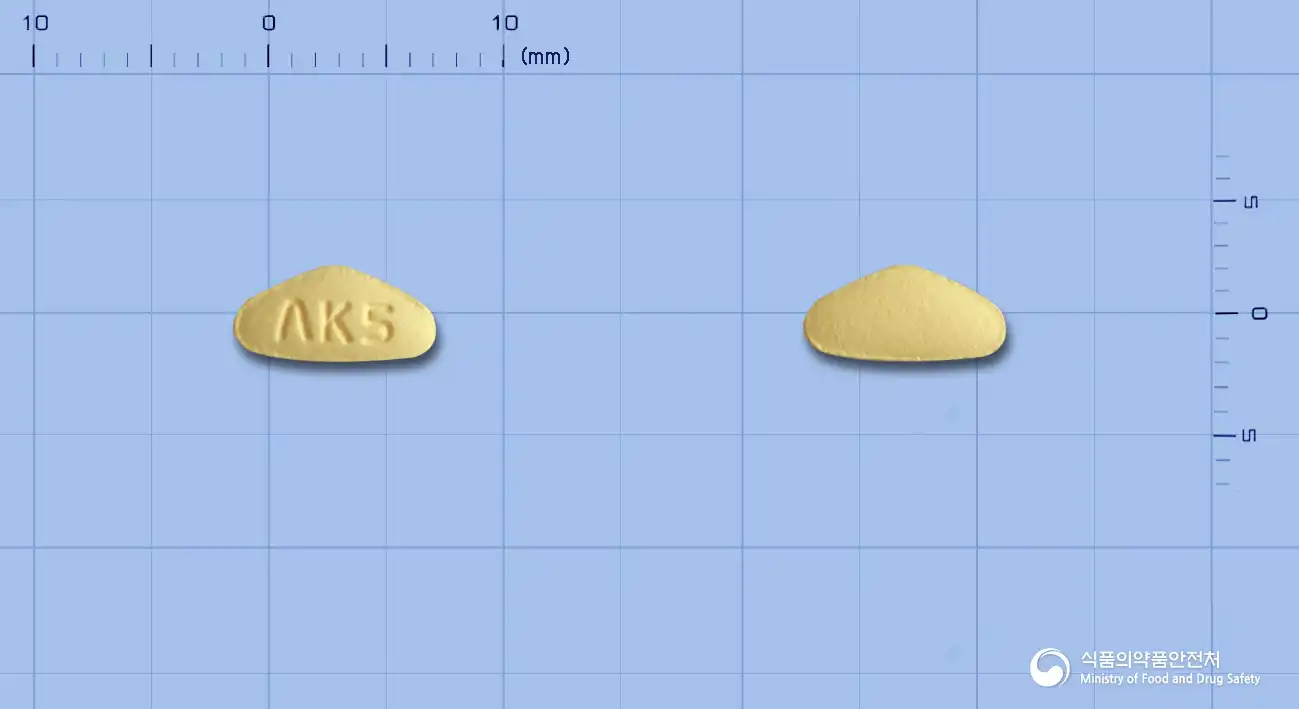
Yellow, film-coated triangular tablet with rounded corners
30 tablets/PTP (10 tablets/PTP x 3)
Even with the same ingredient, strength, dosage form and how it is taken can differ.
Viewing nowTadalafil 5mg
Tablet · Prescription medication
Alborgen Korea Co., Ltd.
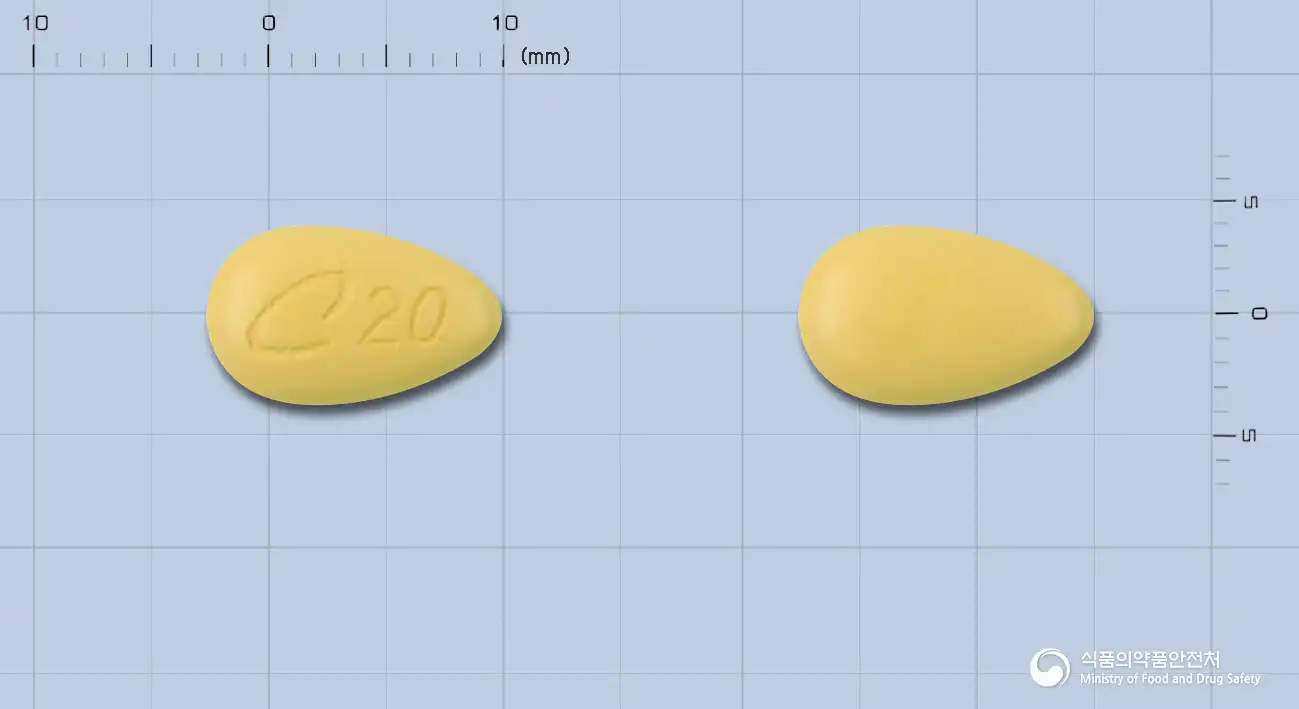
Tadalafil 20mg
Tablet · Prescription medication
Korea Lilly Co., Ltd.
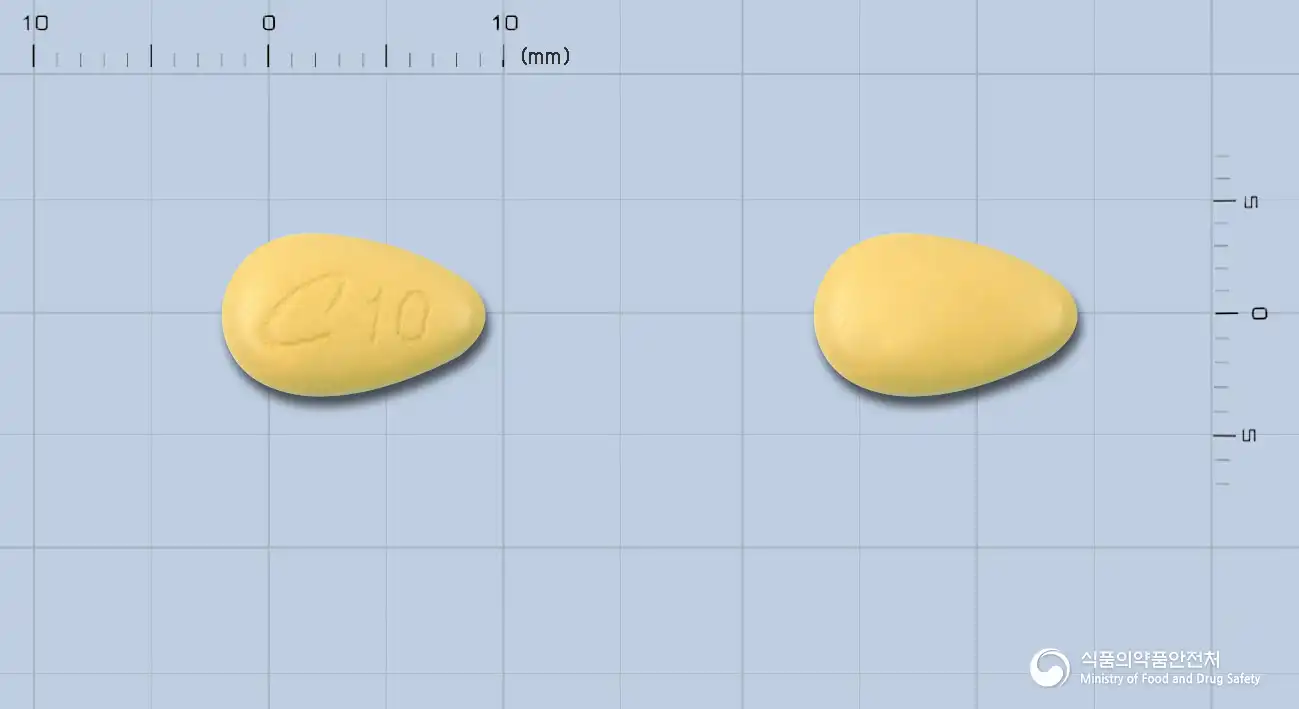
Tadalafil 10mg
Tablet · Prescription medication
Korea Lilly LLC
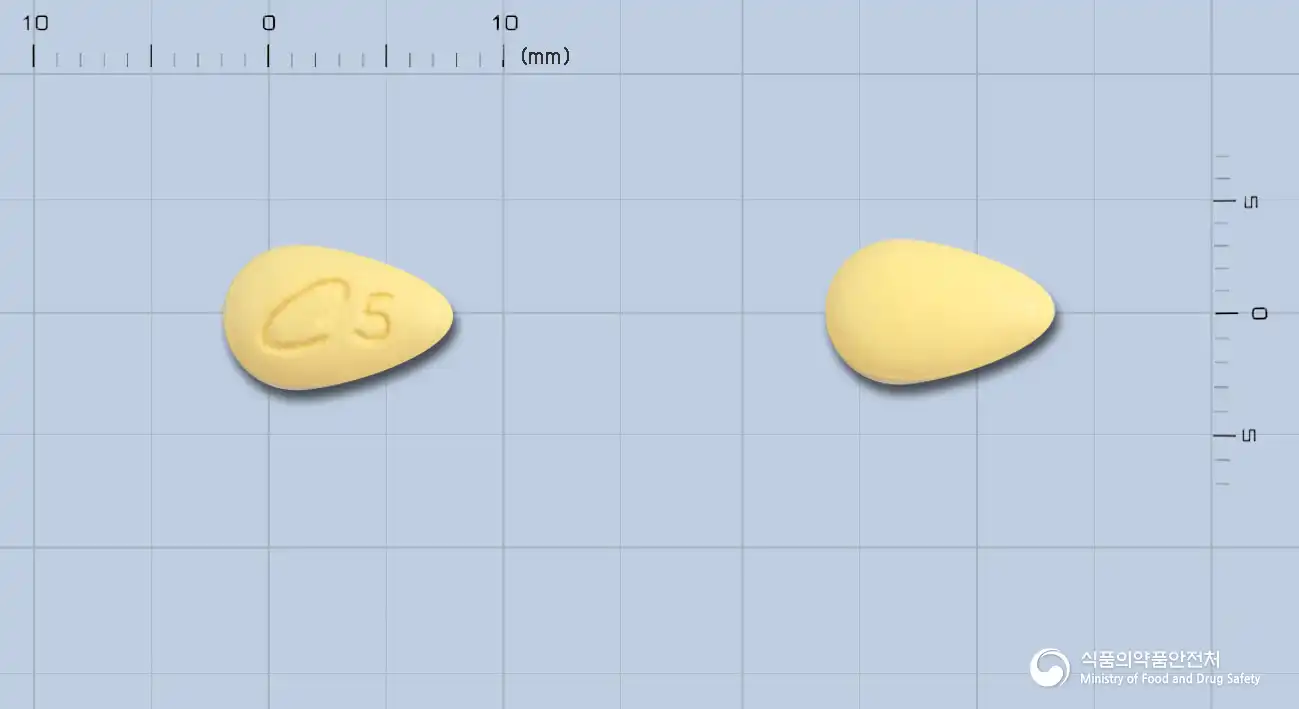
Tadalafil 5mg
Tablet · Prescription medication
Korea Lilly Co., Ltd.

Tadalafil 20mg
Prescription medication
Seoul Pharmaceutical Co., Ltd.

Tadalafil 10mg
Orally disintegrating Tablet · Prescription medication
Seoul Pharmaceutical Co., Ltd.
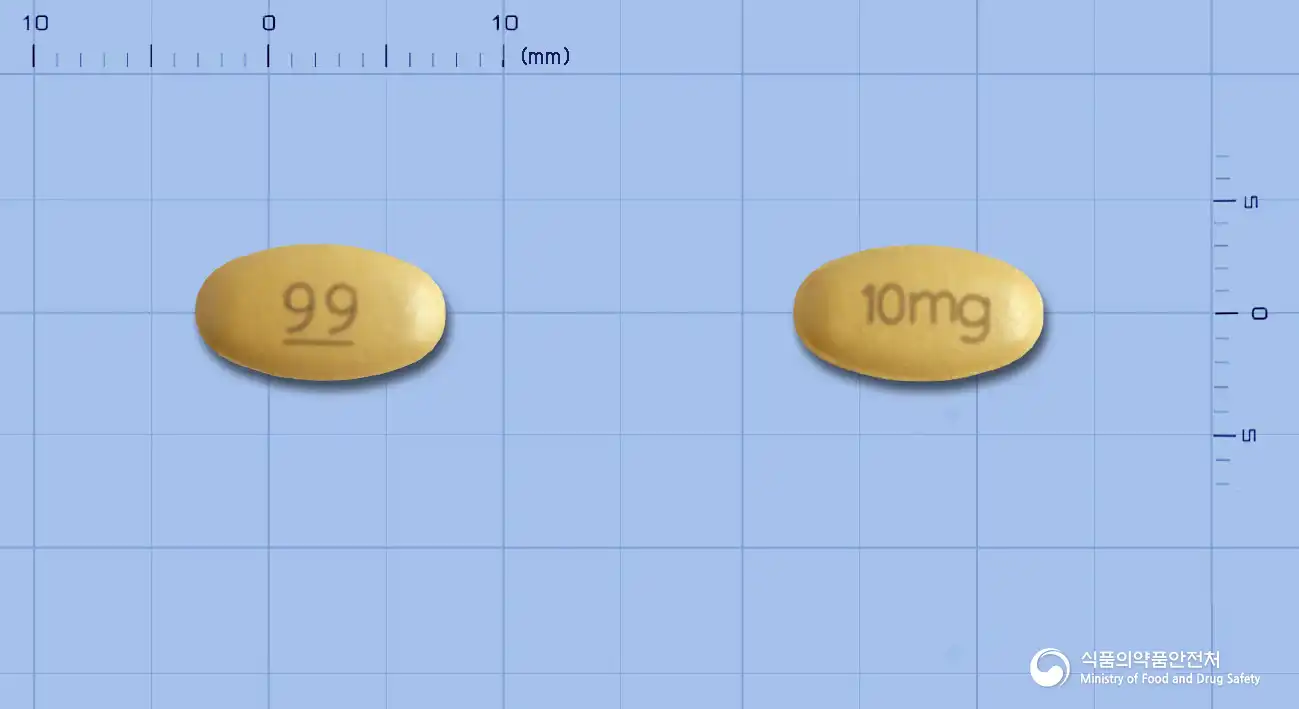
Tadalafil 10mg
Tablet · Prescription medication
Hanmi Pharmaceutical Co., Ltd.
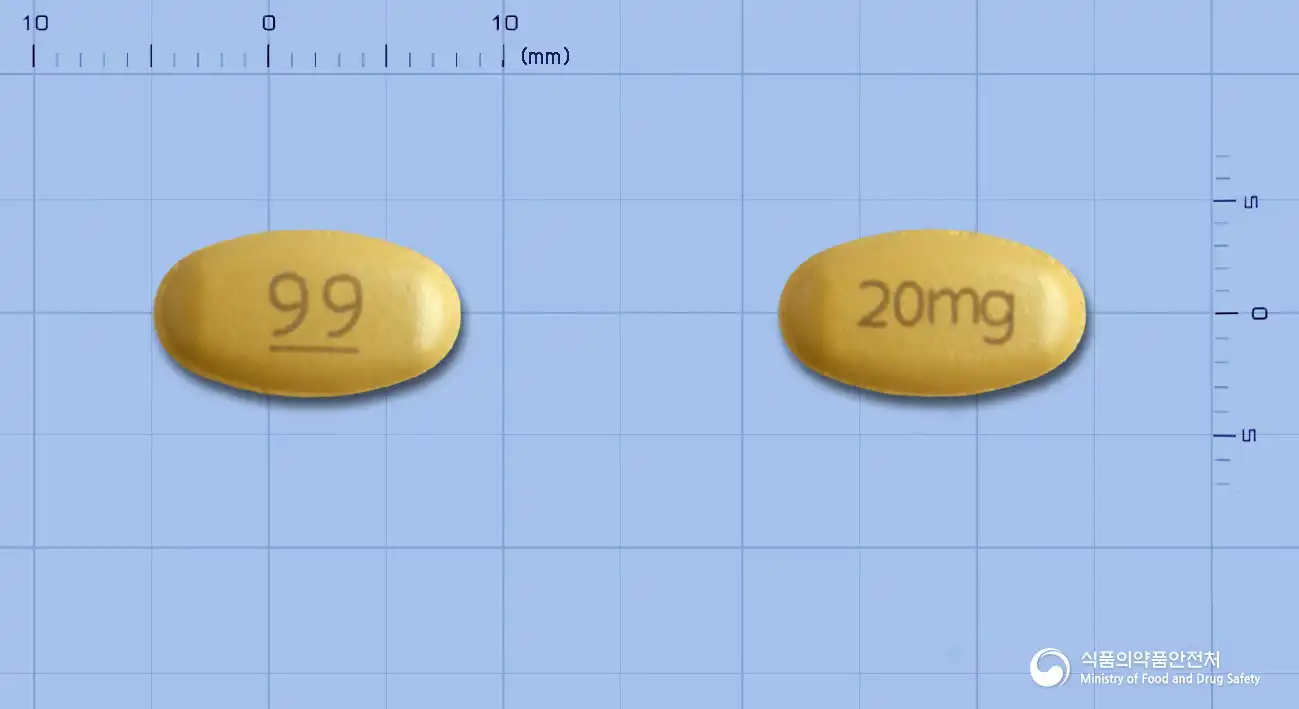
Tadalafil 20mg
Tablet · Prescription medication
Hanmi Pharmaceutical Co., Ltd.
Even with the same ingredient, the dose and directions can differ by strength and dosage form. Talk to a doctor or pharmacist before switching from a medication you are already taking.
No questions yet.
For anything that needs medical judgment, consult a doctor or pharmacist.
This drug information is based on data provided by the Korea Ministry of Food and Drug Safety.
Consult a doctor or pharmacist for accurate dosage, administration, and usage instructions.