
 한국어
 English
 日本語
 中文(简体)
 Viewing now
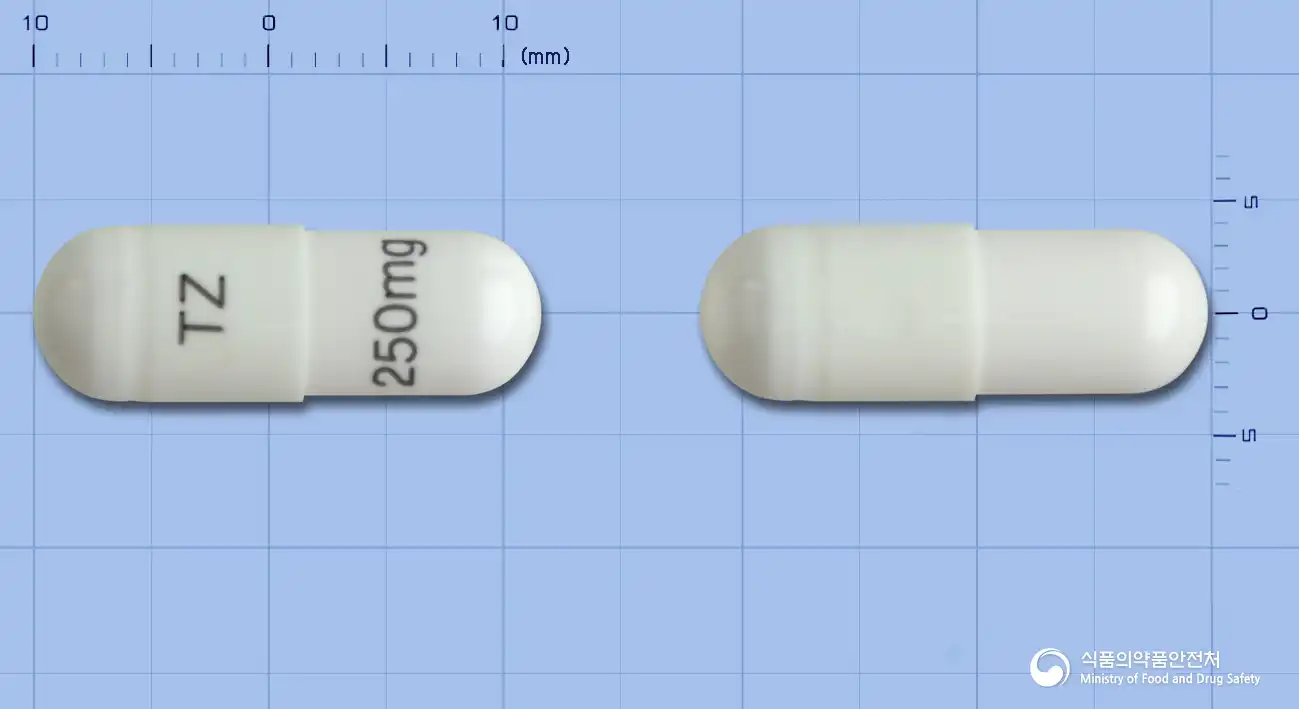
Temozolomide Capsule 250 mg (Temozolomide)
Temozolomide 250mg
Hard capsule · Prescription medication
Ildong Pharmaceutical Co., Ltd.
MFDS item code 201503271 · Approved 2015.05.28 · Insurance code 642905470
Treatment of newly diagnosed, recurrent, or progressive glioblastoma and anaplastic astrocytoma that has failed standard therapy
This medicine is used to treat newly diagnosed glioblastoma multiforme and is initially administered in combination with radiation therapy and later alone. It is also used to treat recurrent or progressive glioblastoma multiforme and anaplastic astrocytoma after failure of standard therapy. This medication effectively acts on brain tumors and aids in improving the patient's condition.
1) Treatment of newly diagnosed glioblastoma multiforme in adults: For newly diagnosed glioblastoma multiforme, this drug is initially administered in combination with radiation therapy, after which this drug may be administered alone for up to 6 cycles. - Combination therapy: Administer orally at 75 mg/m2 once daily for 42 days in combination with local radiation therapy (a total of 60 Gy in 30 fractions). There is no dose reduction; instead, based on hematologic and nonhematologic toxicity criteria, evaluate weekly whether to delay or discontinue treatment with this drug. Treatment with this drug may continue for the 42-day period of combination therapy (up to a maximum of 49 days) only if all of the following criteria are met. ① Absolute neutrophil count (ANC) ≥ 1.5 x 10⁹/L ② Platelet count ≥ 100 x 109/L ③ Nonhematologic toxicity level 1 or lower according to the Common Toxicity Criteria (CTC) (excluding alopecia, nausea, and vomiting) A complete blood count (CBC) should be performed weekly during the treatment period. Based on the hematologic and nonhematologic toxicity criteria presented in Table 1, delay or discontinue administration of this drug during the combination therapy period. Table 1. Delay or discontinuation of this drug during combination therapy with radiation therapy Toxicity Delay administration of this drug* Discontinue administration of this drug Absolute neutrophil count (ANC) ≥0.5 and <1.5 x 10⁹/L <0.5 x 10⁹/L Platelet count ≥10 and <100 x 109/L <10 x 109/L Nonhematologic toxicity level according to the Common Toxicity Criteria (CTC) (excluding alopecia, vomiting, and nausea) CTC grade 2 CTC grade 3 or 4 *Administration of this drug may be resumed when all of the following criteria are met: absolute neutrophil count ≥ 1.5 x 10⁹/L, platelet count ≥ 100 x 109/L, and nonhematologic toxicity level 1 or lower according to the CTC (excluding alopecia, nausea, and vomiting). - Monotherapy: After 4 weeks have elapsed following completion of the period of combination therapy with this drug and radiation therapy, this drug may be administered alone for up to 6 cycles. The dose for cycle 1 is 150 mg/m2 for 5 days, followed by a 23-day rest period. At the start of cycle 2, increase the dose to 200 mg/m2 if the nonhematologic toxicity level according to the CTC is 2 or lower (excluding alopecia, nausea, and vomiting), the absolute neutrophil count is ≥ 1.5 x 10⁹/L, and the platelet count is ≥ 100 x 109/L. If the dose is not increased at the start of cycle 2, do not increase it in subsequent cycles. After increasing the dose to 200 mg/m2, maintain this dose for the first 5 days of each cycle unless toxicity occurs. Dose reduction and discontinuation during monotherapy should be determined based on Tables 2 and 3. A complete blood count (CBC) should be performed on day 22 of treatment (21 days after the first dose), and dose reduction or discontinuation of this drug should be determined according to Table 3. Table 2. Dose of this drug for monotherapy Dose level Dose (mg/m2/day) Description -1 100 Dose reduced due to previous toxicity 0 150 Dose administered in cycle 1 1 200 Dose administered in cycles 2-6 if no toxicity occurs Table 3. Delay or discontinuation of this drug during monotherapy Toxicity Reduce the dose levela of this drug by one level Discontinue administration of this drug Absolute neutrophil count (ANC) <1.0 x 10⁹/L Refer to b Platelet count <50 x 109/L Nonhematologic toxicity level according to the Common Toxicity Criteria (CTC) (excluding alopecia, vomiting, and nausea) CTC grade 3 CTC grade 4b a: Refer to Table 2 for the dose levels of this drug. b: Administration of this drug should be discontinued in the following cases. ㆍ Unacceptable toxicity occurs even at dose level -1 (100 mg/m2/day) ㆍ Grade 3 nonhematologic toxicity (excluding alopecia, nausea, and vomiting) occurs even after dose reduction of this drug 2) Treatment of recurrent or progressive glioblastoma multiforme and anaplastic astrocytoma in adults who have failed standard therapy: For patients who have not received prior chemotherapy, administer 200 mg/m2 orally once daily for 5 days, followed by a 23-day rest period; a total of 28 days constitutes one cycle. For patients who have received prior chemotherapy, the initial dose is 150 mg/m2 once daily; if there is no hematologic toxicity, increase the dose to 200 mg/m2 once daily from the second cycle and administer for 5 days. (Refer to 4. General Precautions in Precautions for Use.) * This drug should be taken in a fasted state. * Take this drug with water. Do not open or chew it. When taking the prescribed dose, use the fewest capsules possible. * Antiemetics may be taken before or after taking this drug. If vomiting occurs after taking this drug, do not take a second dose on the same day.
This medicine should not be used in patients with allergies to the active ingredient or excipients. Patients who have had an allergic reaction to the drug dacarbazine in the past should also avoid this medicine. It should not be administered to patients with severely impaired bone marrow function, and women who are pregnant or may become pregnant should not use this medication. This medicine contains lactose; therefore, patients with genetic disorders that lead to lactose intolerance should not take it. The decision to use this medication should be made carefully in cases of severely poor overall health or other serious illnesses or infections. This medication can cause various side effects including infections, hematological abnormalities, gastrointestinal disorders, neurological abnormalities, so if any unusual symptoms occur during treatment, immediate consultation with medical staff is required. In particular, decreased blood cell counts may increase the risk of infection, so regular blood tests are necessary. Serious infections such as pneumonia may develop during prolonged use, so caution is needed. Patients with liver or kidney dysfunction must have tests before using this medication, and the decision to administer it should be made carefully if abnormalities are found. Nausea or vomiting occurs frequently; therefore, antiemetics may be used alongside if necessary. Patients may experience fatigue or drowsiness while taking this medication, so caution is advised when driving or operating machinery. Women who are pregnant or planning to become pregnant should not take this medicine, and male patients should also avoid conception for 6 months after treatment ends. Nursing mothers should discontinue breastfeeding while taking this medication, as it may be transmitted through breast milk. There is no experience with this medication in children under 3 years of age, and special caution is needed for elderly patients over 70 years of age, as the risk of decreased blood cells is higher. In cases of overdose, serious hematological side effects and multiple organ failure may occur, so the dosage must be strictly adhered to. Care should be taken to ensure that damaged capsules do not come into contact with skin or mucous membranes; if contact occurs, they should be washed immediately with clean water. Store out of reach of children and keep them sealed in the original container.
Not everyone experiences these, and they can vary from person to person.
This medication is sensitive to light and should be stored in a container that does not allow light to enter. It is also recommended to store it at room temperature between 1 to 30 degrees Celsius. Storing it this way can help maintain the medication's effectiveness for a longer duration.
A hard capsule with an upper white and lower white, filled with a powder that is white to light pink or light orange.
5 capsules (5 capsules x 1) / PTP
Even with the same ingredient, strength, dosage form and how it is taken can differ.
Viewing nowTemozolomide 250mg
Hard capsule · Prescription medication
Ildong Pharmaceutical Co., Ltd.
Temozolomide
Prescription medication
Korea MSD Co., Ltd.
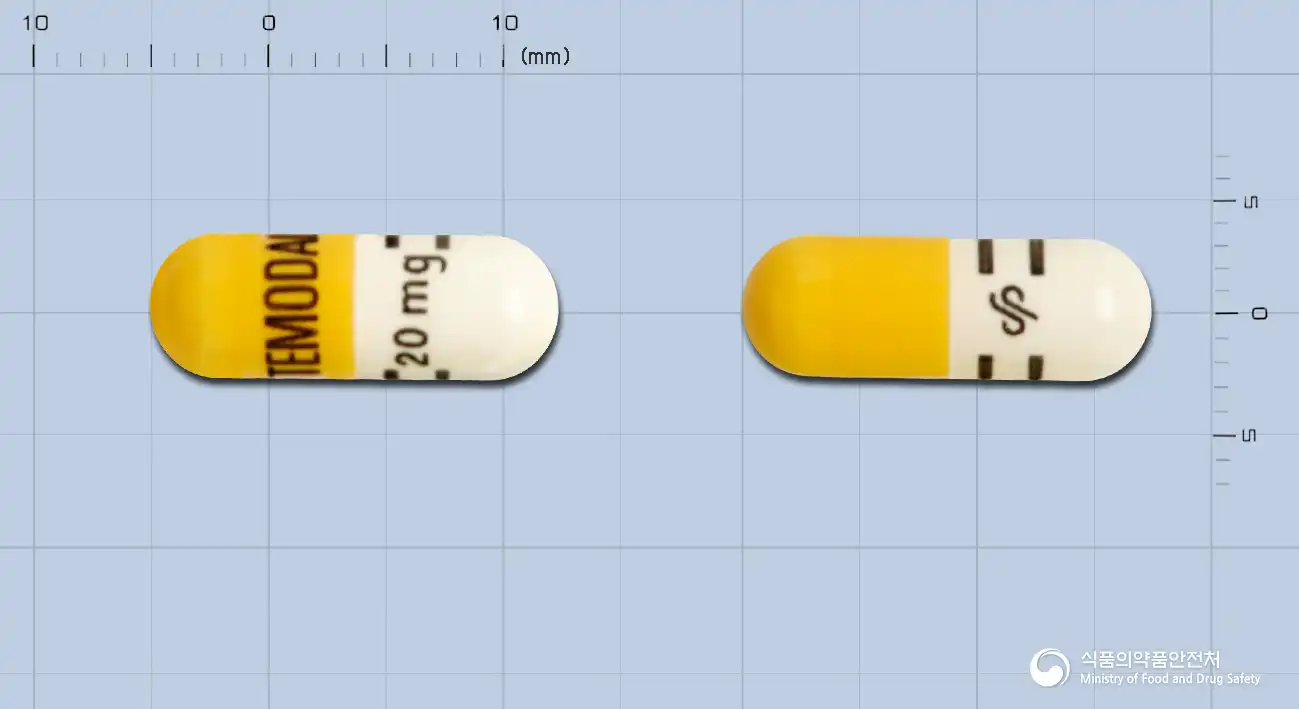
Temozolomide 20mg
Hard capsule · Prescription medication
Merck Co., Ltd.
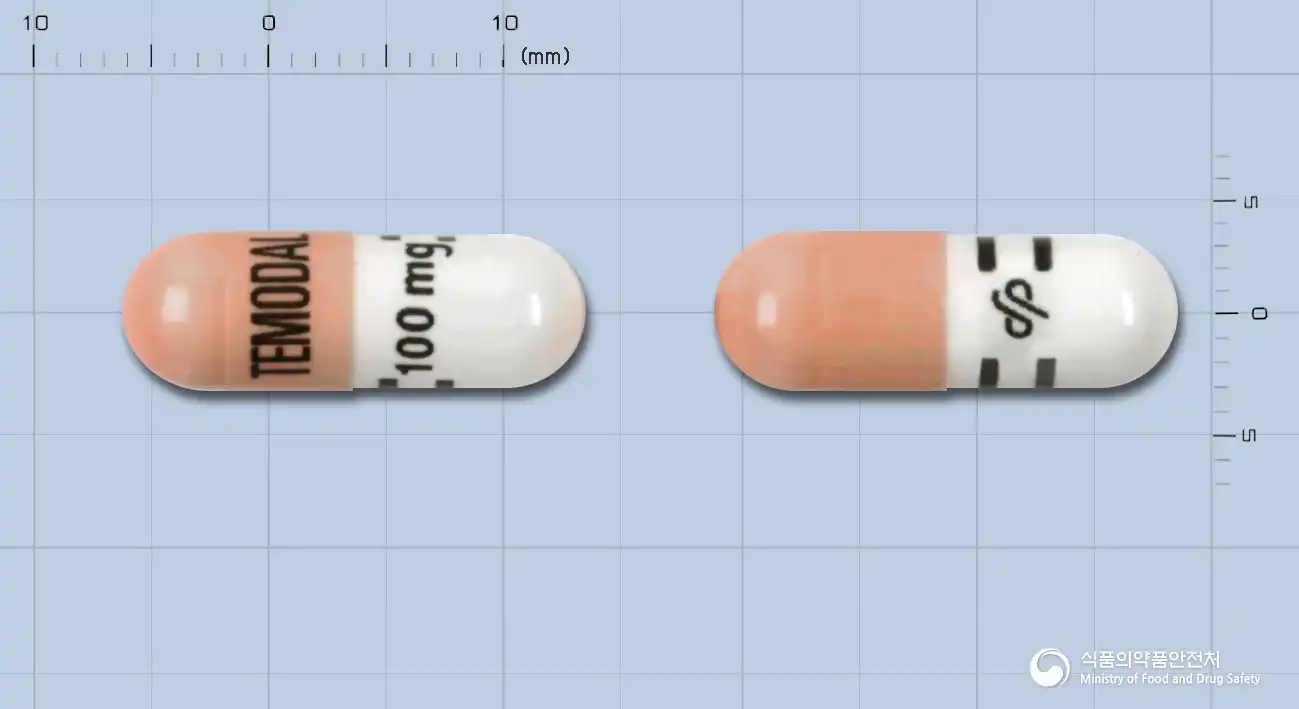
Temozolomide 100mg
Hard capsule · Prescription medication
MSD Korea Co., Ltd.
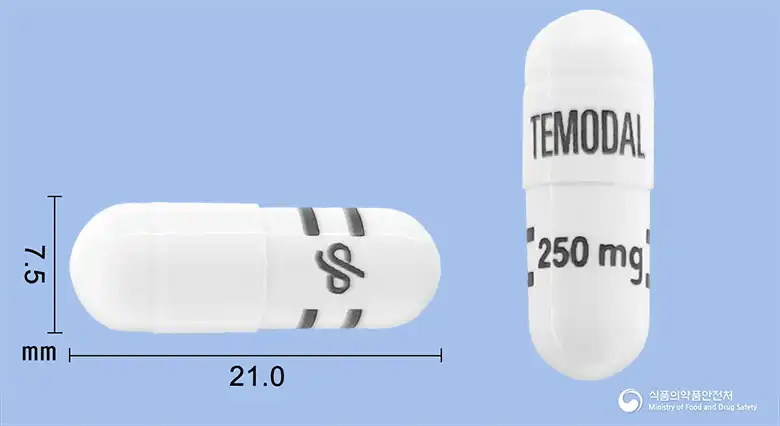
Temozolomide 250mg
Hard capsule · Prescription medication
Korea MSD Co., Ltd.
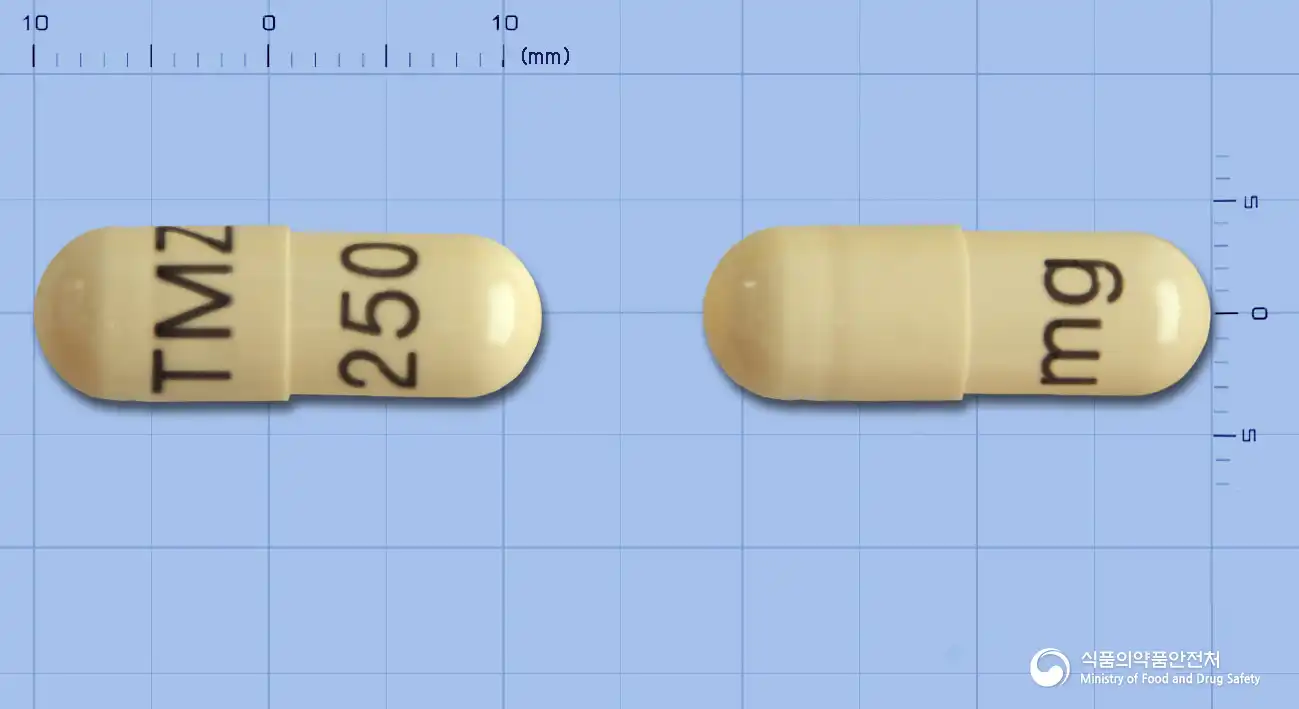
Temozolomide 250mg
Hard capsule · Prescription medication
ShinPoong Pharmaceutical Co., Ltd.
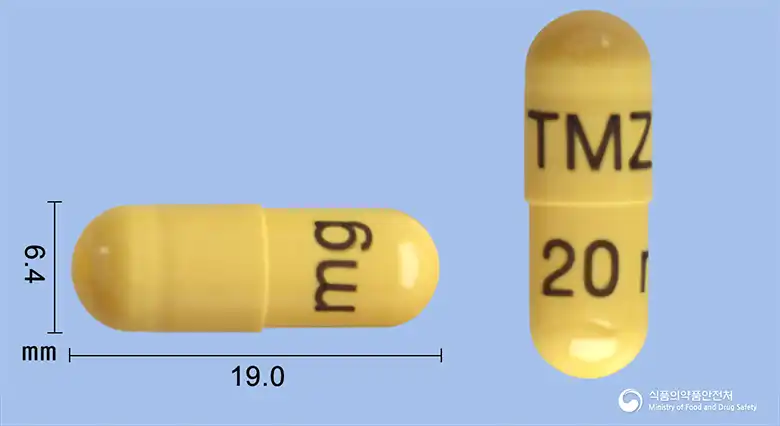
Temozolomide 20mg
Hard capsule · Prescription medication
Shinpoong Pharm. Co., Ltd.
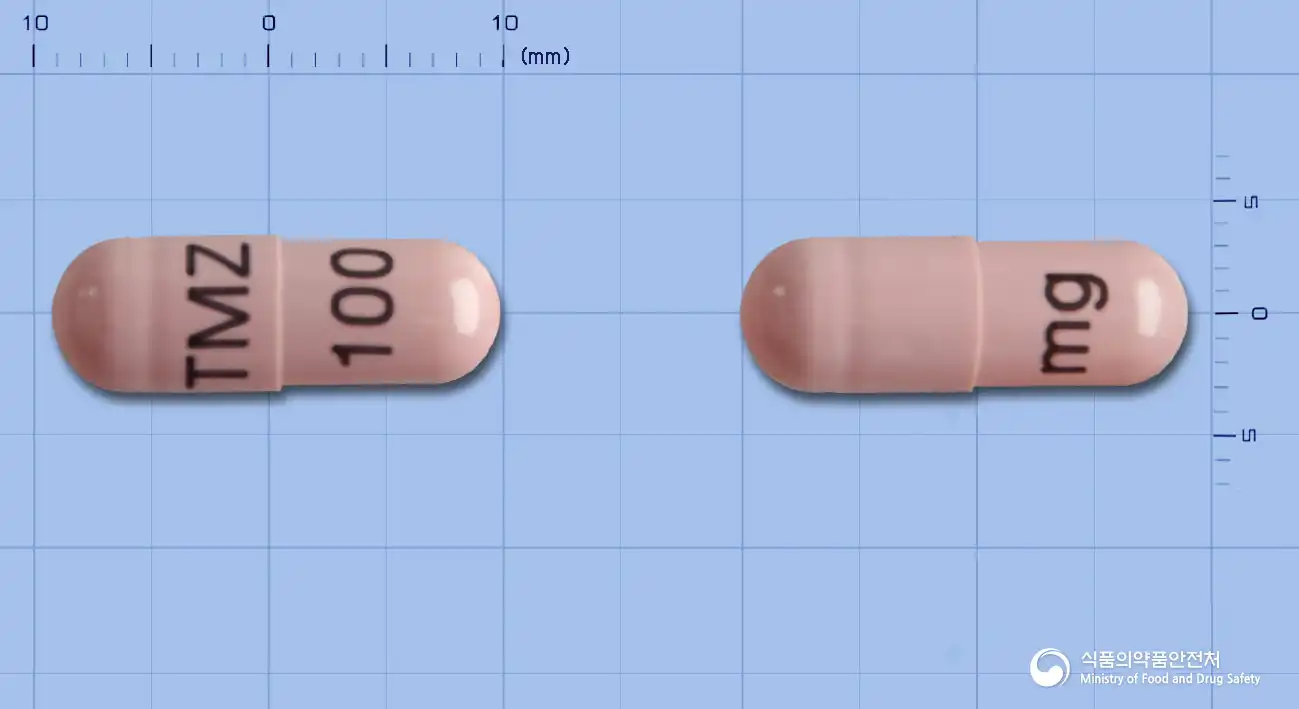
Temozolomide 100mg
Hard capsule · Prescription medication
Shinpoong Pharmaceutical Co., Ltd.
Even with the same ingredient, the dose and directions can differ by strength and dosage form. Talk to a doctor or pharmacist before switching from a medication you are already taking.
No questions yet.
For anything that needs medical judgment, consult a doctor or pharmacist.
This drug information is based on data provided by the Korea Ministry of Food and Drug Safety.
Consult a doctor or pharmacist for accurate dosage, administration, and usage instructions.