
 한국어
 English
 日本語
 中文(简体)
 Viewing now
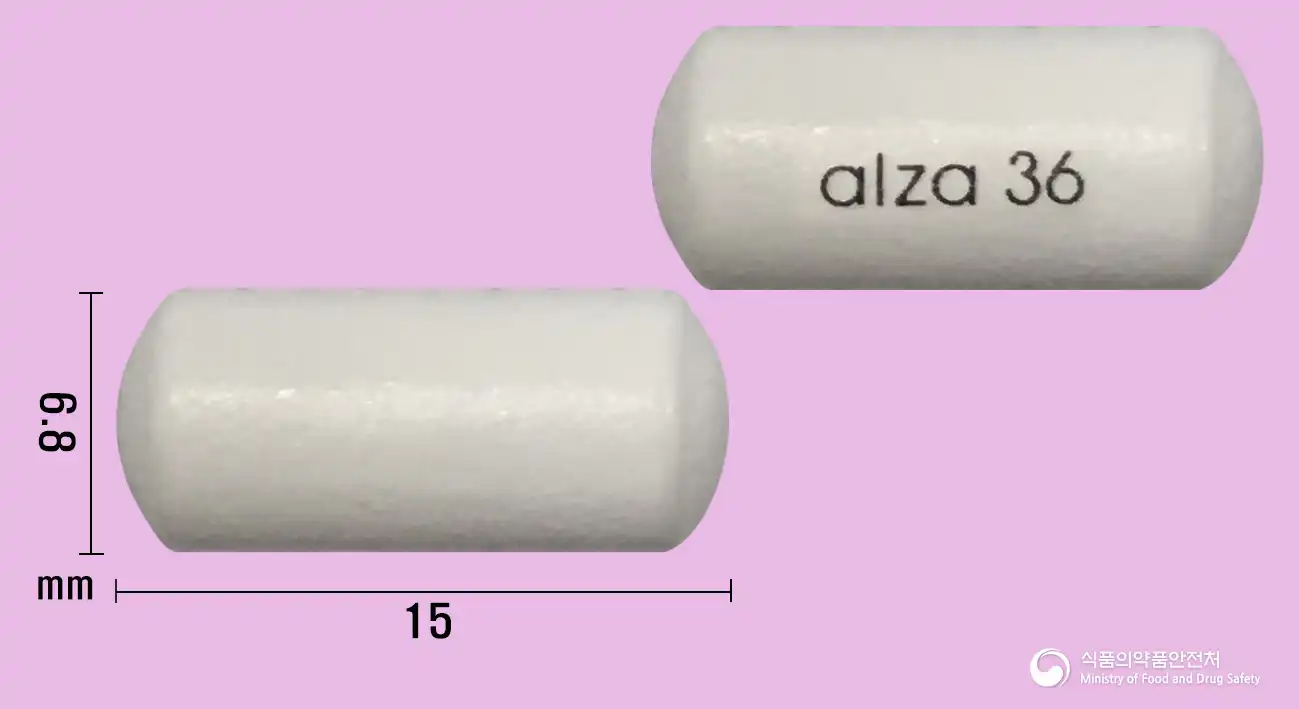
Concerta OROS Extended-Release Tablet 36 mg (Methylphenidate Hydrochloride)
Methylphenidate Hydrochloride 8mg
Tablet · Prescription medication
Korea Janssen Co., Ltd.
MFDS item code 201501271 · Approved 2015.03.11 · Insurance code 646902060
Treatment of attention-deficit/hyperactivity disorder (ADHD)
This drug is used for the treatment of Attention Deficit Hyperactivity Disorder (ADHD). ADHD primarily applies to children and adolescents aged 6 to 17 and adults aged 18 to 65, and the diagnosis should be conducted according to DSM-IV or ICD criteria. Diagnosis requires an overall assessment of the patient's medical history and psychological, educational, and social evaluations, and should avoid being based solely on the number of symptoms. Treatment is employed as part of a comprehensive program that includes psychological, educational, and social therapies rather than as a standalone medication. Not all patients require medication treatment, and medication usage may not be appropriate in cases associated with environmental factors or other psychiatric disorders. Therefore, this drug is used to improve treatment outcomes for patients with severe ADHD symptoms based on careful judgment.
Administer orally once daily in the morning. This drug should be swallowed whole with water. Do not chew, cut, or crush the tablet. This drug may be taken with food. Adults (18-65 years) 18mg or 36mg/day 5mg methylphenidate 2 or 3 times daily, 20mg extended-release methylphenidate (8-hour duration) 18mg once daily 10mg methylphenidate 2 or 3 times daily, 40mg extended-release methylphenidate (8-hour duration) 36mg once daily 15mg methylphenidate 2 or 3 times daily, 60mg extended-release methylphenidate (8-hour duration) 54mg once daily 20mg methylphenidate 2 or 3 times daily 72mg once daily For patients who have received methylphenidate at a dosage regimen other than those listed above, determine the initial dose based on clinical judgment. The dose should be individualized according to the patient's symptoms and response to the medication. Based on assessments of clinical benefit and tolerability, the dose may be increased by 18mg at 1-week intervals in patients who do not achieve an optimal response at a lower dose. Adults (18-65 years) 72mg/day When prescribing a dose between 18mg and 36mg of methylphenidate, 27mg may be used. No controlled clinical trials have established how long patients with ADHD can use this drug. However, it is generally recognized that pharmacological treatment of ADHD is needed over the long term. No controlled clinical trials have been conducted to evaluate the efficacy of this drug with long-term use exceeding 7 weeks. When prescribing this drug long term to patients with ADHD, periodically reassess the efficacy of long-term use through a trial of temporary discontinuation of medication and assessment of the patient's social functioning. If symptoms worsen or other adverse reactions occur, reduce the dose and, if necessary, discontinue this drug. If symptoms do not improve after one month despite adjustment to an appropriate dose, discontinue this drug.
Children (6-12 years) 18mg/day; maximum dose 54mg/day Adolescents (13-17 years) 18mg/day; maximum dose 72mg/day, but do not exceed 2mg/kg/day.
This drug should not be used safely in individuals with heart problems. Special caution is needed for children and adolescents with structural heart abnormalities or heart rhythm issues as sudden cardiac problems may arise from taking this medication. Patients with hypertension or cardiovascular diseases should regularly check their blood pressure and heart rate while taking this drug. If blood pressure or heart rate increases, it may pose health risks, so caution is necessary. Before taking this medication, it is important to check for a family history of heart disease or abnormalities through cardiac assessments. If any cardiac symptoms suddenly appear, medical attention should be sought immediately. Patients with psychiatric disorders or bipolar disorder may experience exacerbation of their symptoms while taking this medication, so special caution is needed. Additionally, this drug can induce new psychiatric or manic symptoms, so consultation with a physician is warranted if such symptoms occur. Long-term use of this medication in children or adolescents could lead to growth delays, thus their growth status should be monitored regularly, and temporary discontinuation of the medication may be necessary if needed. Patients with a history of seizures or abnormal EEG results should consult with their physician before taking this medication as it may trigger seizures, and if seizures occur, the medication should be stopped immediately. This medication is not suitable for patients who have difficulty swallowing or those with gastrointestinal obstruction. The tablet should be swallowed whole without chewing, cutting, or crushing, and it is advisable to take it with a beverage. Safety and efficacy have not been established for children under 5 years of age, so it should not be used. Patients with a history of drug dependence or alcohol addiction should not alter the dosage of this medication arbitrarily; long-term use may lead to psychological dependence or tolerance, and it should be taken under a physician's guidance. Rarely, this medication may cause prolonged erections; such symptoms should be reported to healthcare professionals immediately. During the intake of this medication, if symptoms related to vascular diseases occur, especially changes in color or chilliness of the hands and feet, consultation with a physician is necessary. This medication should not be given to patients experiencing severe anxiety, tension, or excitement, and those allergic to this drug or its components should not take it. Moreover, it can interact with certain antidepressants or blood pressure medications, so if you are taking other medications, be sure to inform your physician or pharmacist. Pregnant or nursing women should consult with their physician before taking this medication, as its safety is not confirmed. Caution is required as dizziness may occur while driving or operating machinery. Finally, this medication should be kept out of reach of children and stored in its original container without changing to other containers.
Sudden death, behavioral disturbances, accident-related impairment, hallucinations, delusional thinking, mania, aggressive behavior, hostility, growth suppression, seizures, visual disturbances, ocular accommodation disorders, blurred vision, depressive moods, headaches, insomnia, irritability, psychomotor hyperactivity, tics, anxiety, hypertension, neurogenic irritability, decreased appetite, nasopharyngitis, dizziness, coughing, oropharyngeal pain, upper abdominal pain, vomiting, fever, upper respiratory tract infection, sinusitis, appetite loss, early insomnia, depression, restlessness, anxiety, bruxism, depression, affective instability, panic attacks, tension, confusion, tremors, sensory disturbances, tension headaches, dysregulation, blurred vision, vertigo, tachycardia, palpitations, facial flushing, dyspnea, dry mouth, nausea, dyspepsia, constipation, hyperhidrosis, muscle tone, muscle contractions, erectile dysfunction, fatigue, thirst, asthenia, weight loss, increased heart rate, elevated blood pressure, increased alanine aminotransferase, tics, mood disturbances, drowsiness, diarrhea, abdominal discomfort, abdominal pain, rash, irritability, leukopenia, anger, sleep disorders, hypervigilance, increased tear production, mood swings, psychomotor excess, sedation, hypersomnia, dry eyes, maculopapular rash, heart murmur, pancytopenia, thrombocytopenia, thrombocytopenic purpura, angioedema, anaphylactic reaction, auricle swelling, blisters, desquamation, urticaria, pruritus, rash, other unspecified rashes and lesions, disorientation, hallucinations, auditory hallucinations, visual hallucinations, mania, polymyalgia, sexual dysfunction, obsessive-compulsive disorder and symptoms, seizures, generalized tonic-clonic seizures, cerebrovascular disturbances, movement disorders, motor tics, vocal tics, diplopia, mydriasis, angina pectoris, bradycardia, premature contractions, supraventricular tachycardia, ventricular premature contractions, Raynaud's phenomenon, epistaxis, alopecia, erythema, arthralgia, myalgia, muscle cramps, priapism, gynecomastia in males, reduced treatment response, chest pain, chest discomfort, reduced efficacy, hyperthermia, decreased platelet count, abnormal leukocyte count, elevated serum alkaline phosphatase, elevated serum bilirubin, increased liver enzymes, hepatocellular injury, acute liver failure
Not everyone experiences these, and they can vary from person to person.
This drug should be stored at a temperature between 15 and 30 degrees Celsius, and it is important to keep it in a sealed container that prevents air exposure. Additionally, store it away from humid environments to maintain its effectiveness.
White, oblong film-coated tablet
30 tablets/bottle
Even with the same ingredient, strength, dosage form and how it is taken can differ.
Viewing nowMethylphenidate Hydrochloride 8mg
Tablet · Prescription medication
Korea Janssen Co., Ltd.

Methylphenidate Hydrochloride 5mg
Tablet · Prescription medication
Hanin Pharmaceutical Co., Ltd.
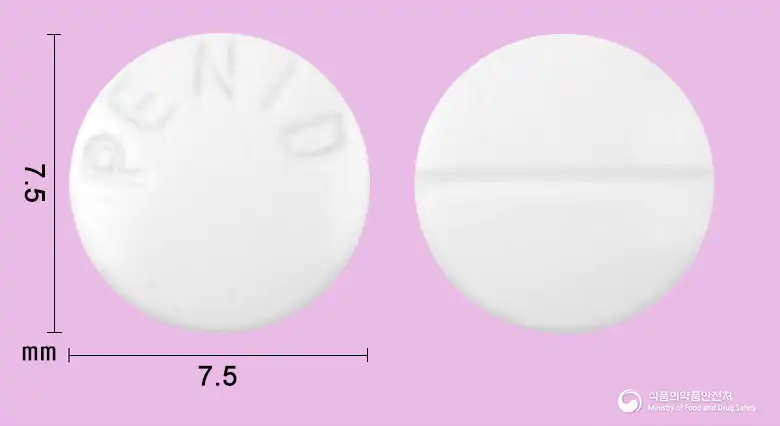
Methylphenidate Hydrochloride 10mg
Tablet · Prescription medication
Hwanin Pharmaceutical Co., Ltd.
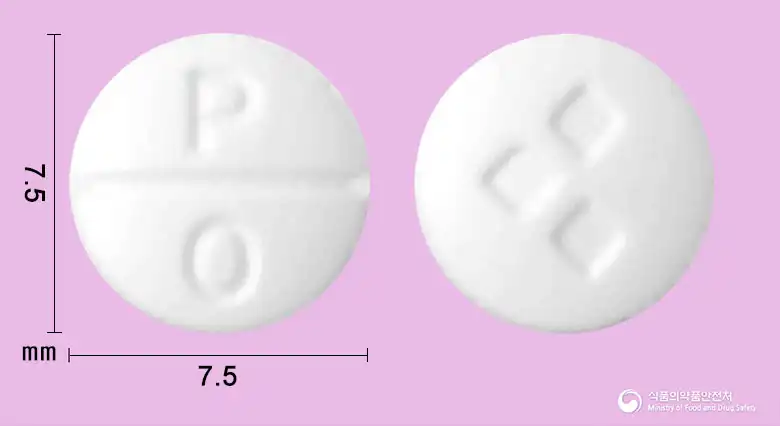
Methylphenidate Hydrochloride 10mg
Tablet · Prescription medication
Myungjin Pharmaceutical Co., Ltd.
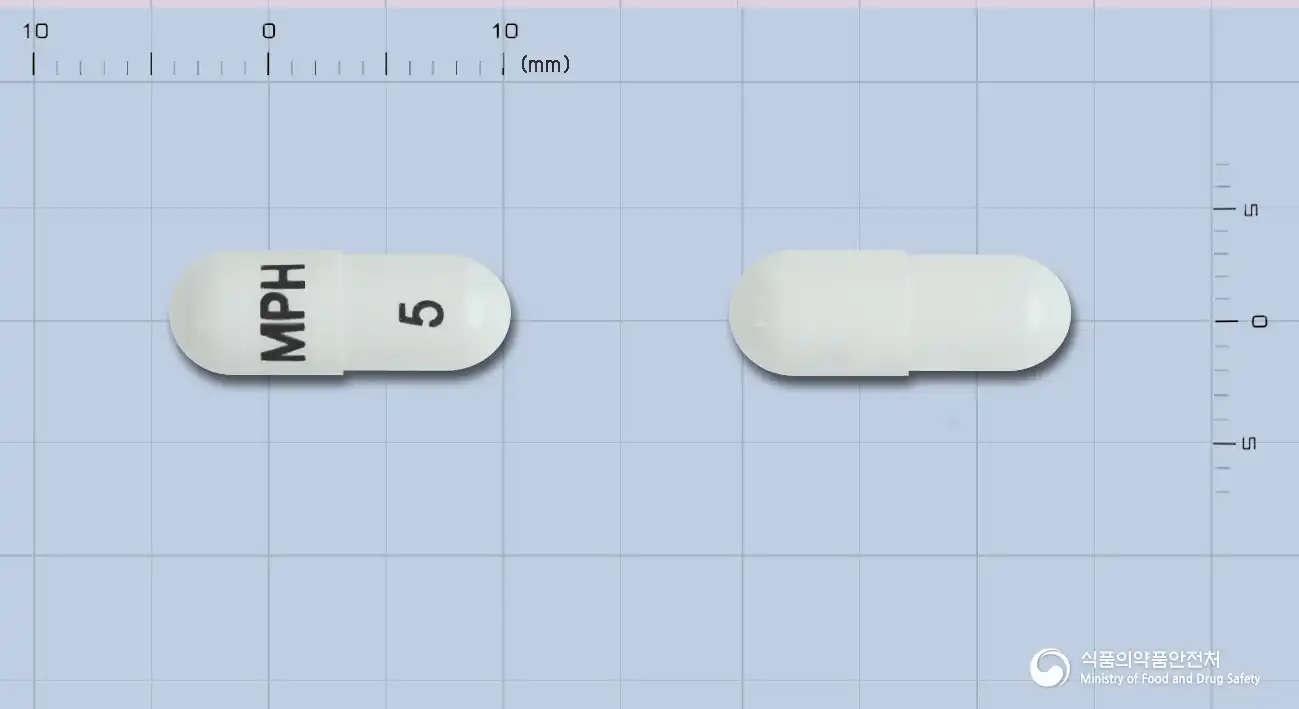
Methylphenidate Hydrochloride 2.5mg
Prescription medication
Myungjin Pharmaceutical Co., Ltd.
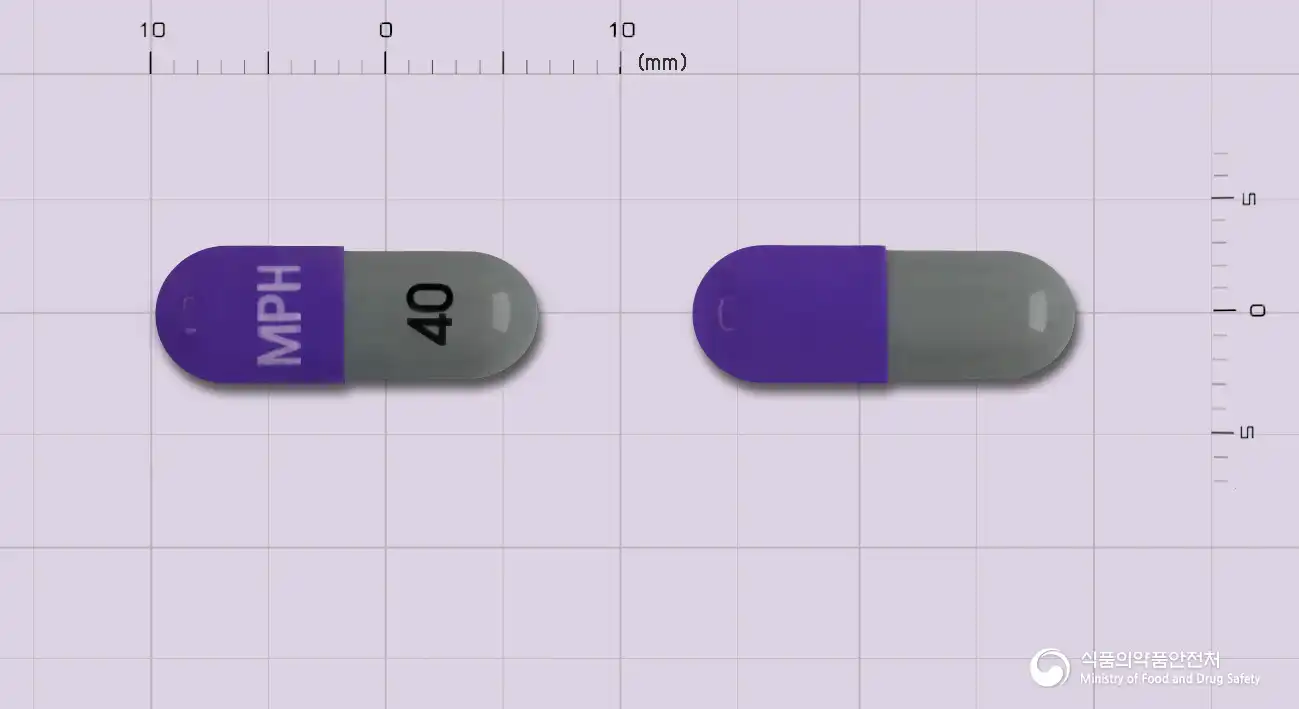
Methylphenidate Hydrochloride 20mg
Hard capsule · Prescription medication
Myungjin Pharmaceutical Co., Ltd.
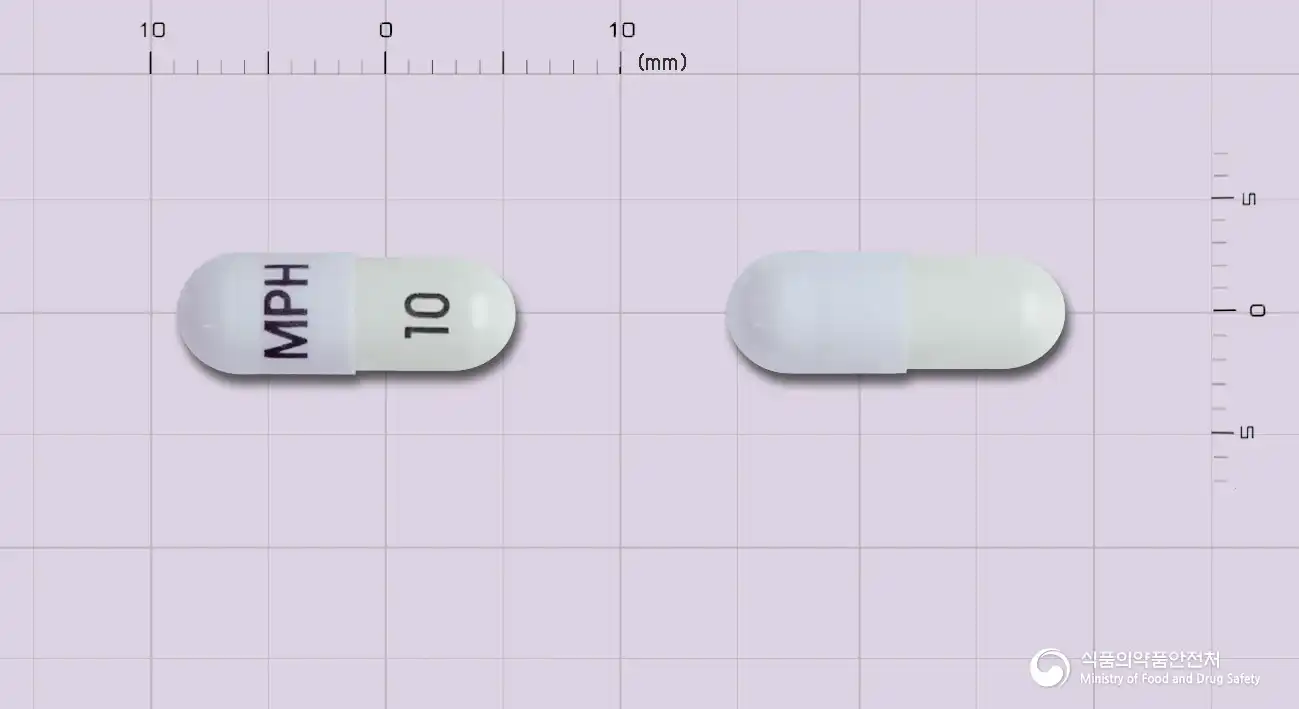
Methylphenidate Hydrochloride 5mg
Hard capsule · Prescription medication
Myeongin Pharmaceutical Co., Ltd.
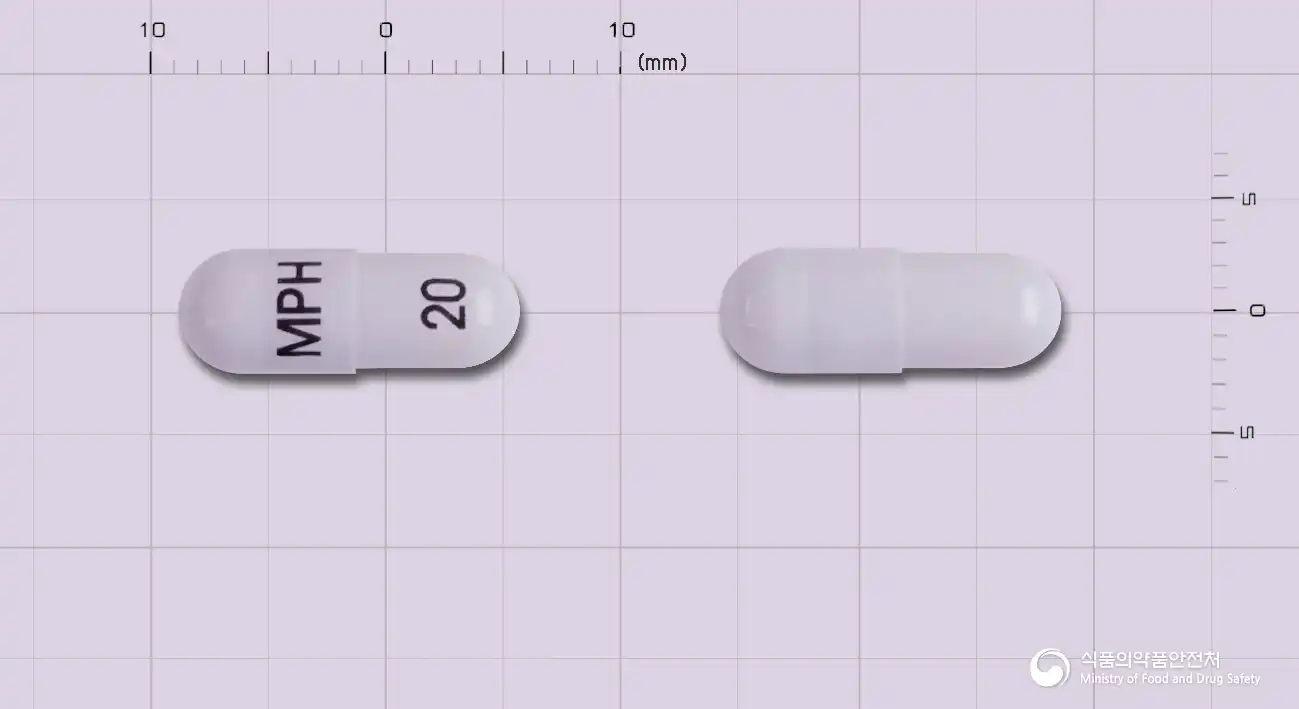
Methylphenidate Hydrochloride 10mg
Hard capsule · Prescription medication
Myungin Pharmaceutical Co., Ltd.
Even with the same ingredient, the dose and directions can differ by strength and dosage form. Talk to a doctor or pharmacist before switching from a medication you are already taking.
No questions yet.
For anything that needs medical judgment, consult a doctor or pharmacist.
This drug information is based on data provided by the Korea Ministry of Food and Drug Safety.
Consult a doctor or pharmacist for accurate dosage, administration, and usage instructions.