
 한국어
 English
 日本語
 中文(简体)
 Viewing now
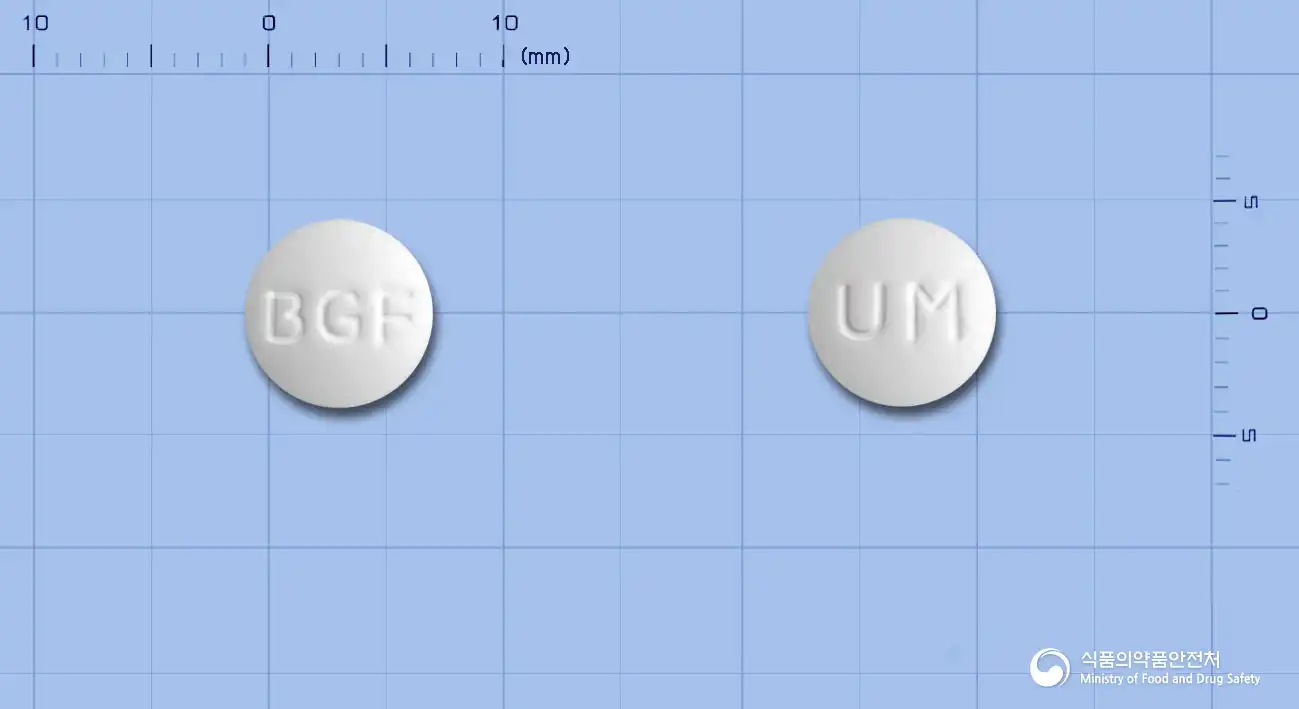
Univerger F Tablets 0.04 mg (Veraprost Sodium)
Beraprost Sodium 0.04mg
Tablet · Prescription medication
Unimed Pharmaceutical Co., Ltd.
MFDS item code 201500852 · Approved 2015.02.16 · Insurance code 649506340
Improvement of symptoms of chronic arterial occlusive disease (e.g., ulcers, pain); treatment of primary pulmonary hypertension
This medication is effective in improving symptoms such as ulcers, pain, and coldness associated with chronic arterial occlusive disease. It is also used to improve the condition of patients with primary pulmonary hypertension.
Improvement of ulcers, pain, and coldness associated with chronic arterial occlusive disease (such as Buerger's disease, arteriosclerosis obliterans, and diabetic peripheral angiopathy): Adults usually take a total of 0.12mg of beraprost sodium daily (3 tablets), divided into 3 doses (1 tablet per dose), orally after meals. Primary pulmonary hypertension: 1) Adults usually start by taking a total of 0.06mg of beraprost sodium daily in 3 divided doses orally after meals, and gradually increase the dose while carefully monitoring symptoms (adverse reactions). If increasing the dose, administer 3-4 times daily, up to a maximum dose of 0.18mg per day. 2) Since patients may vary in their tolerance to the medicine, start this medicine at a low dose and closely monitor the patient's condition when increasing the dose. 3) Since this medicine is an oral formulation, it may not be effective in patients with severe symptoms. If hemodynamic parameters and/or clinical symptoms do not improve sufficiently, provide appropriate treatment, such as switching to an injectable formulation or another treatment.
This medication should not be administered to patients with bleeding. It should be avoided in situations of bleeding risk, such as hemophilia or upper gastrointestinal bleeding. Pregnant women or women who may become pregnant should not take this medication. This medication contains lactose and should not be administered to patients with lactose intolerance or related genetic issues. Patients taking anticoagulants, antiplatelet agents, or thrombolytics should use this medication cautiously due to an increased risk of bleeding. Patients who are menstruating or have a tendency to bleed also need to exercise caution. Patients with severely impaired renal function may have increased drug concentration in the body, necessitating dosage adjustment. This medication may rarely cause serious bleeding reactions such as cerebral hemorrhage or gastrointestinal bleeding, so administration should be stopped immediately if abnormal symptoms occur. Serious side effects such as shock, fainting, and loss of consciousness have also been reported, requiring prompt action in the event of unusual symptoms. Severe adverse reactions such as liver dysfunction, interstitial pneumonia, angina, or myocardial infarction may occur, thus careful observation is essential. Various side effects, including headache, nausea, diarrhea, rash, and low blood pressure, may present, thus symptoms should be closely monitored during treatment. While taking this medication, caution should be exercised when driving or operating hazardous machinery due to the possibility of altered consciousness. The risk of bleeding increases when used with anticoagulants, antiplatelet agents, or thrombolytics, so immediate consultation with medical personnel is required in case of abnormal symptoms. Blood pressure should be frequently monitored when used with other drugs that can cause hypotension. It is generally recommended not to administer to pregnant women unless safety is established. Women who are breastfeeding should avoid administering this medication as it may be transmitted in breast milk, or should cease breastfeeding. Safety in children has not been established; hence it should be used cautiously. Elderly patients may have diminished physiological function, necessitating dosage adjustment and careful monitoring. This medication should be kept out of the reach of children, and changing the container should be avoided as it may lead to reduced quality or risk of accidents. When treating chronic arterial occlusive disease, high doses should be used with caution due to a higher risk of adverse reactions.
Not everyone experiences these, and they can vary from person to person.
This medication may be sensitive to air and moisture, so it should be stored in a tightly closed container. It is important to maintain a storage temperature between 1 and 30 degrees Celsius to preserve the medication's effectiveness over a long period.
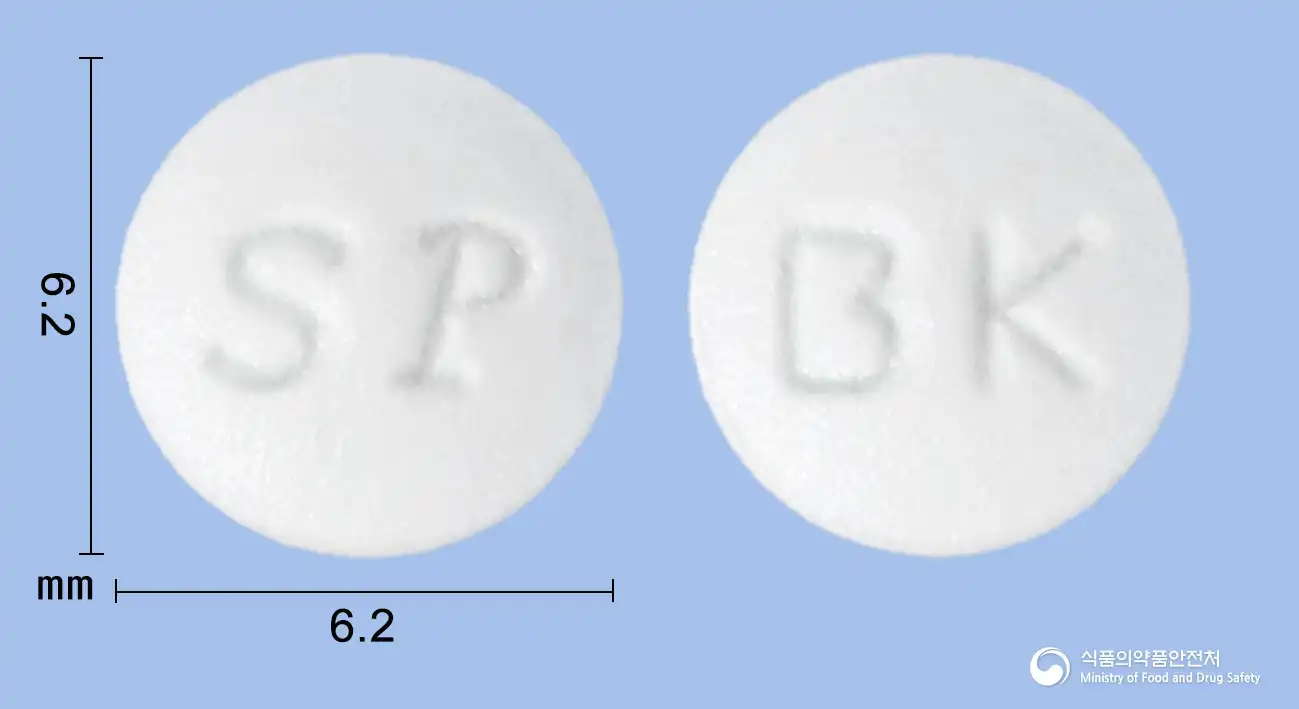
White round film-coated tablet
30 tablets/bottle, 200 tablets/bottle
Even with the same ingredient, strength, dosage form and how it is taken can differ.
Viewing nowBeraprost Sodium 0.04mg
Tablet · Prescription medication
Unimed Pharmaceutical Co., Ltd.
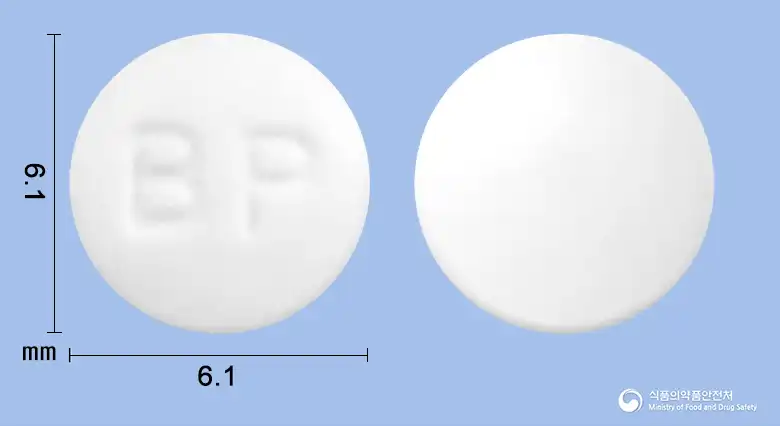
Beraprost Sodium 0.02mg
Tablet · Prescription medication
Chaeil Pharmaceutical Co., Ltd.
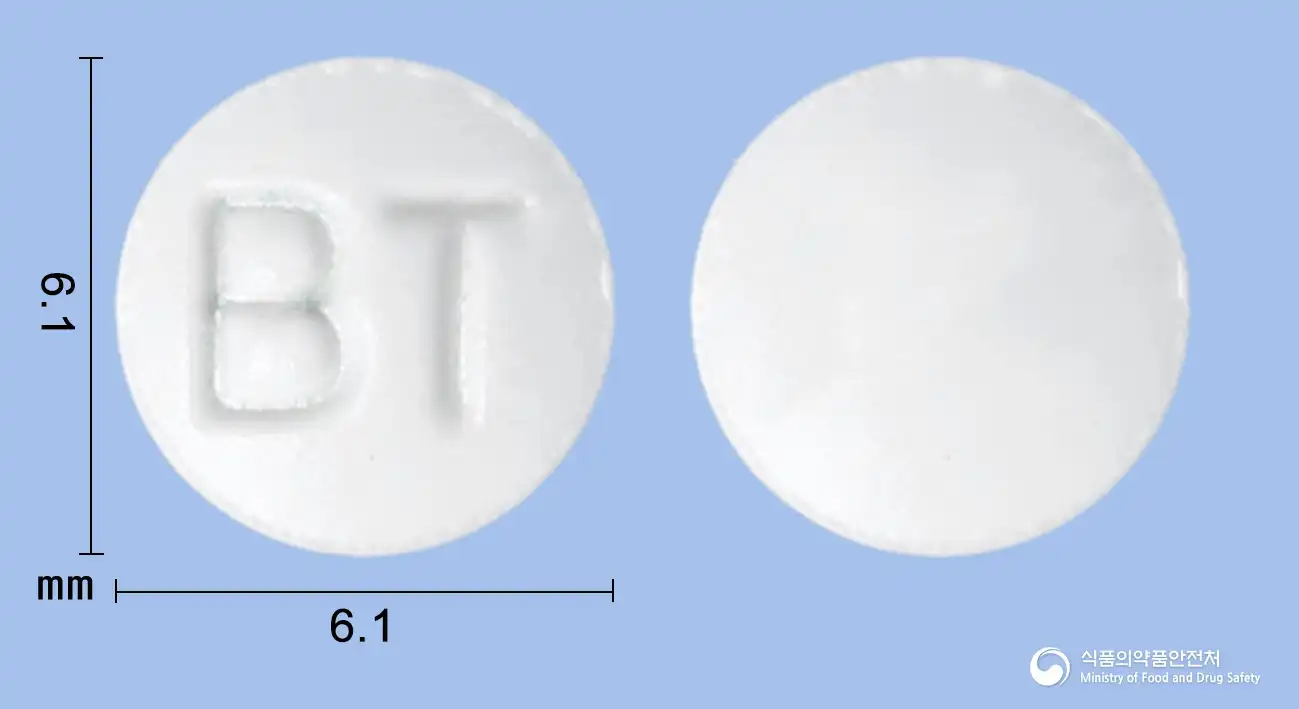
Beraprost Sodium 0.02mg
Tablet · Prescription medication
(Co., Ltd.) Green Cross
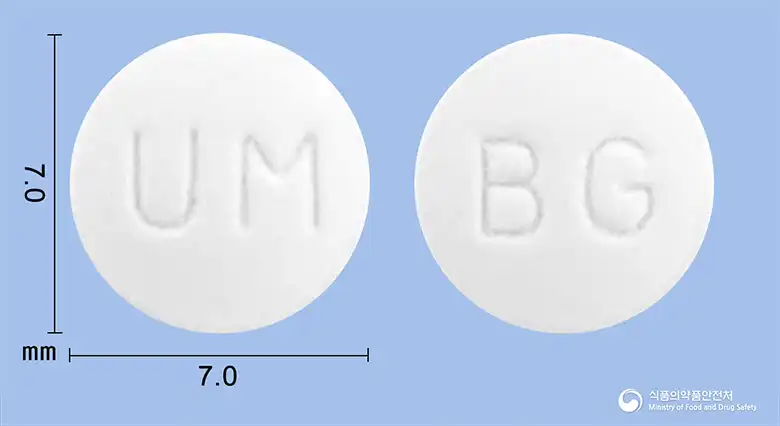
Beraprost Sodium 0.02mg
Tablet · Prescription medication
Unimed Pharmaceutical Co., Ltd.
Beraprost Sodium 0.02mg
Tablet · Prescription medication
Shinpoong Pharmaceutical Co., Ltd.
Even with the same ingredient, the dose and directions can differ by strength and dosage form. Talk to a doctor or pharmacist before switching from a medication you are already taking.
No questions yet.
For anything that needs medical judgment, consult a doctor or pharmacist.
This drug information is based on data provided by the Korea Ministry of Food and Drug Safety.
Consult a doctor or pharmacist for accurate dosage, administration, and usage instructions.