
 한국어
 English
 日本語
 中文(简体)
Summary
- Main use
- Treatment of ALK-positive locally advanced and metastatic non-small cell lung cancer
- Who uses it
- Adults
- Adult dosage
- The recommended daily dose of this medication is 450 mg of ceritinib once daily (equivalent to 3 capsules of this medication, each containing 150 mg), taken orally with food at approximately the same time each day. The maximum daily dose of this medication is 450 mg taken with food. Continue treatment for as long as the patient derives clinical benefit from this medication. This medication is taken orally once daily with food at approximately the same time each day. Food may be anything from a light snack to a full meal. Swallow the capsules whole with water; do not chew or crush them. If a dose is missed, take the missed dose unless the next dose is due within 12 hours. If vomiting occurs during treatment, do not take an additional dose; take the prescribed dose at the next scheduled time. Temporary treatment interruption and/or dose reduction may be necessary depending on each patient's safety and tolerability. If a dose reduction is necessary for reasons other than the adverse reactions specified in the table below, reduce the dose in increments of 1 capsule (150 mg) per day. If 150 mg cannot be taken with food, discontinue this medication. Consider early detection of adverse drug reactions and their management with standard supportive care. For temporary treatment interruption, dose reduction, or permanent discontinuation in the event of specific adverse drug reactions, follow the instructions in the table below. ALT or AST increased to >5 times the upper limit of normal (ULN), with total bilirubin ≤2 times the ULN Temporarily interrupt treatment with this medication. When levels return to baseline or ≤3 times the ULN, resume treatment at a dose reduced by 150 mg. ALT or AST increased to >3 times the ULN, with total bilirubin increased to >2 times the ULN (without cholestasis or hemolysis) Permanently discontinue treatment with this medication. Any treatment-related interstitial lung disease/interstitial pneumonitis, regardless of grade Permanently discontinue treatment with this medication. QTc >500 msec on at least 2 separate ECG measurements Temporarily interrupt treatment with this medication. When the QTc returns to baseline or is <481 msec, resume treatment at a dose reduced by 150 mg. QTc >500 msec or an increase of ≥60 msec from baseline, with signs/symptoms of Torsade de Pointes, polymorphic ventricular tachycardia, or serious arrhythmia Permanently discontinue treatment with this medication. Bradycardiaa (symptomatic, not life-threatening) Temporarily interrupt treatment with this medication until the symptoms accompanying bradycardia resolve or the heart rate recovers to ≥60 bpm. Review concomitant medications known to cause bradycardia and adjust the dose of this medication. Bradycardiaa (clinically significant bradycardia requiring medical intervention or life-threatening in patients receiving concomitant medications known to cause hypotension or bradycardia) Temporarily interrupt treatment with this medication until the symptoms accompanying bradycardia resolve or the heart rate recovers to ≥60 bpm. If the dose of the concomitant medication known to cause bradycardia can be adjusted or the medication can be permanently discontinued, resume treatment with this medication at a dose reduced by 150 mg and monitor frequently. Bradycardiaa (life-threatening bradycardia in patients not receiving concomitant medications known to cause hypotension or bradycardia) Permanently discontinue treatment with this medication. Severe diarrhea, nausea, or vomiting that does not respond to symptomatic treatment Temporarily interrupt treatment with this medication and, when symptoms improve, resume treatment at a dose reduced by 150 mg. Hyperglycemia (blood glucose ≥250 mg/dL) that does not respond to symptomatic treatment Temporarily interrupt treatment with this medication and, when symptoms improve, resume treatment at a dose reduced by 150 mg. If blood glucose remains uncontrolled despite optimal therapy, permanently discontinue treatment with this medication. Increased lipase or amylase (Grade 3 or higher) Temporarily interrupt treatment with this medication. When levels recover to Grade 1 or lower, resume treatment at a dose reduced by 150 mg. a Heart rate <60 bpm Concomitant use of this medication with strong CYP3A inhibitors should be avoided. If concomitant use is essential, reduce the dose of this medication by one third, using 150 mg capsules to achieve the dose level closest to the calculated dose that can be administered. If treatment with the strong CYP3A inhibitor is discontinued, increase the dose of this medication back to the dose used before concomitant administration. Clinical trial data indicate that ceritinib is eliminated primarily through the liver. In patients with severe hepatic impairment, reduce the dose of this medication by approximately one third, using 150 mg capsules to achieve the dose level closest to the calculated dose that can be administered. No dose adjustment is necessary in patients with mild or moderate hepatic impairment.
Ingredients
- Importer
- Novartis Korea Ltd.
Efficacy & effects
Treatment of ALK-positive locally advanced and metastatic non-small cell lung cancer
- ALK-positive locally advanced non-small cell lung cancer
- metastatic non-small cell lung cancer
View approved original textHide original text
This drug is used for the treatment of patients with locally advanced or metastatic non-small cell lung cancer who are ALK-positive.
Dosage and Administration
Adult dosage
The recommended daily dose of this medication is 450 mg of ceritinib once daily (equivalent to 3 capsules of this medication, each containing 150 mg), taken orally with food at approximately the same time each day. The maximum daily dose of this medication is 450 mg taken with food. Continue treatment for as long as the patient derives clinical benefit from this medication. This medication is taken orally once daily with food at approximately the same time each day. Food may be anything from a light snack to a full meal. Swallow the capsules whole with water; do not chew or crush them. If a dose is missed, take the missed dose unless the next dose is due within 12 hours. If vomiting occurs during treatment, do not take an additional dose; take the prescribed dose at the next scheduled time. Temporary treatment interruption and/or dose reduction may be necessary depending on each patient's safety and tolerability. If a dose reduction is necessary for reasons other than the adverse reactions specified in the table below, reduce the dose in increments of 1 capsule (150 mg) per day. If 150 mg cannot be taken with food, discontinue this medication. Consider early detection of adverse drug reactions and their management with standard supportive care. For temporary treatment interruption, dose reduction, or permanent discontinuation in the event of specific adverse drug reactions, follow the instructions in the table below. ALT or AST increased to >5 times the upper limit of normal (ULN), with total bilirubin ≤2 times the ULN Temporarily interrupt treatment with this medication. When levels return to baseline or ≤3 times the ULN, resume treatment at a dose reduced by 150 mg. ALT or AST increased to >3 times the ULN, with total bilirubin increased to >2 times the ULN (without cholestasis or hemolysis) Permanently discontinue treatment with this medication. Any treatment-related interstitial lung disease/interstitial pneumonitis, regardless of grade Permanently discontinue treatment with this medication. QTc >500 msec on at least 2 separate ECG measurements Temporarily interrupt treatment with this medication. When the QTc returns to baseline or is <481 msec, resume treatment at a dose reduced by 150 mg. QTc >500 msec or an increase of ≥60 msec from baseline, with signs/symptoms of Torsade de Pointes, polymorphic ventricular tachycardia, or serious arrhythmia Permanently discontinue treatment with this medication. Bradycardiaa (symptomatic, not life-threatening) Temporarily interrupt treatment with this medication until the symptoms accompanying bradycardia resolve or the heart rate recovers to ≥60 bpm. Review concomitant medications known to cause bradycardia and adjust the dose of this medication. Bradycardiaa (clinically significant bradycardia requiring medical intervention or life-threatening in patients receiving concomitant medications known to cause hypotension or bradycardia) Temporarily interrupt treatment with this medication until the symptoms accompanying bradycardia resolve or the heart rate recovers to ≥60 bpm. If the dose of the concomitant medication known to cause bradycardia can be adjusted or the medication can be permanently discontinued, resume treatment with this medication at a dose reduced by 150 mg and monitor frequently. Bradycardiaa (life-threatening bradycardia in patients not receiving concomitant medications known to cause hypotension or bradycardia) Permanently discontinue treatment with this medication. Severe diarrhea, nausea, or vomiting that does not respond to symptomatic treatment Temporarily interrupt treatment with this medication and, when symptoms improve, resume treatment at a dose reduced by 150 mg. Hyperglycemia (blood glucose ≥250 mg/dL) that does not respond to symptomatic treatment Temporarily interrupt treatment with this medication and, when symptoms improve, resume treatment at a dose reduced by 150 mg. If blood glucose remains uncontrolled despite optimal therapy, permanently discontinue treatment with this medication. Increased lipase or amylase (Grade 3 or higher) Temporarily interrupt treatment with this medication. When levels recover to Grade 1 or lower, resume treatment at a dose reduced by 150 mg. a Heart rate <60 bpm Concomitant use of this medication with strong CYP3A inhibitors should be avoided. If concomitant use is essential, reduce the dose of this medication by one third, using 150 mg capsules to achieve the dose level closest to the calculated dose that can be administered. If treatment with the strong CYP3A inhibitor is discontinued, increase the dose of this medication back to the dose used before concomitant administration. Clinical trial data indicate that ceritinib is eliminated primarily through the liver. In patients with severe hepatic impairment, reduce the dose of this medication by approximately one third, using 150 mg capsules to achieve the dose level closest to the calculated dose that can be administered. No dose adjustment is necessary in patients with mild or moderate hepatic impairment.
Precautions
This drug can cause serious lung diseases such as interstitial lung disease or interstitial pneumonia; therefore, if any abnormal symptoms occur in the lungs, you should consult a doctor immediately. You must not take this drug if you are allergic to any of its ingredients. While taking this drug, side effects such as diarrhea, nausea, vomiting, fatigue, abnormal liver function, abdominal pain, decreased appetite, weight loss, constipation, skin rash, anemia, etc., may commonly occur, so caution is needed. Since there may be abnormalities in liver function, regular liver function tests should be conducted before and during the treatment. There is a risk of arrhythmias due to abnormal heart rhythms or QT interval prolongation, so it is important to undergo regular cardiac examinations and report any symptoms immediately. Bradycardia (slow heart rate) may occur; therefore, heart rate and blood pressure should be checked frequently, and dosage adjustment may be necessary if needed. Gastrointestinal side effects such as diarrhea, vomiting, and nausea can frequently occur; if symptoms are severe, consult a doctor for appropriate treatment. Blood sugar levels may increase, so diabetic patients must manage their blood sugar thoroughly and conduct regular blood sugar tests. Pancreatic enzyme levels may rise, so pancreatic function should be monitored through relevant tests. This drug has many interactions with other medications; therefore, you must inform your doctor or pharmacist about any other medications you are taking, especially drugs metabolized in the liver, acid suppressants, and grapefruit juice. Women who are pregnant or planning to become pregnant should avoid taking this medication, and during treatment, effective contraception should be practiced, and if breastfeeding, consultation with a specialist about whether to continue breastfeeding is necessary. Safety for children or elderly patients over 85 years has not been sufficiently confirmed, so caution is required. Patients with severe liver or kidney dysfunction should adjust the dosage or use the medication with care.
Side effects
Interstitial lung disease, interstitial pneumonia, pneumonia, respiratory failure, diarrhea, nausea, vomiting, fatigue, laboratory abnormal liver function tests, abdominal pain, decreased appetite, weight loss, constipation, rash, elevated serum creatinine, esophageal disorders, anemia, hyperglycemia, hypophosphatemia, vision disorders, pericarditis, bradycardia, pancreatitis, abnormal liver function tests, hepatotoxicity, renal failure, kidney disorders, laboratory abnormal liver tests, weight loss, elevated serum creatinine, QT interval prolongation on electrocardiogram, elevated lipase, elevated amylase
Not everyone experiences these, and they can vary from person to person.
Storage
This drug may be sensitive to air or moisture, so it should be stored in a tightly closed container. It is important to maintain a storage temperature between 1 degree and 30 degrees Celsius. By storing it this way, the effectiveness of the medication can be safely preserved.
Appearance and packaging
Appearance
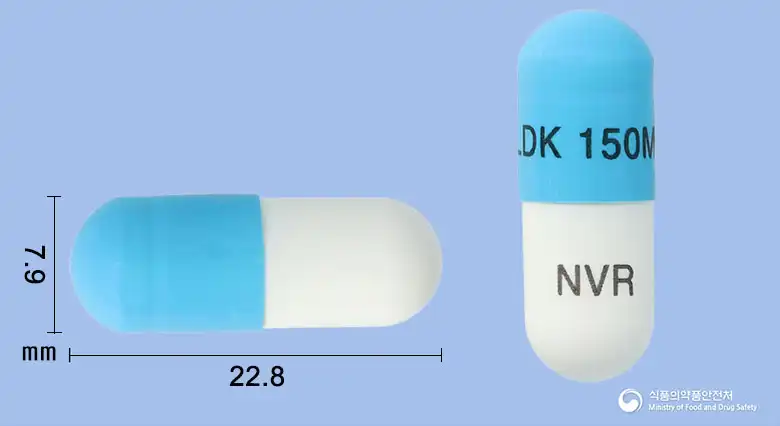
An opaque hard capsule with a blue upper part and a white lower part, containing a white to almost white powder.
Package unit
150 capsules (10 capsules in PTP packaging X 5 X 3)
Questions about this medicine
No questions yet.
For anything that needs medical judgment, consult a doctor or pharmacist.