
 한국어
 English
 日本語
 中文(简体)
 Viewing now
Cephroctyl Tablet (Cefpodoxime Proxetil)
Cefpodoxime Proxetil 100mg
Tablet · Prescription medication
Daewoong Bio Co., Ltd.
MFDS item code 201500113 · Approved 2015.01.12 · Insurance code 694001970
Treatment of respiratory and ear, nose, and throat infections, skin and soft tissue infections, genitourinary infections, and dental infections
This medicine is effective against various bacterial infections. It is mainly used for skin and soft tissue infections such as folliculitis, furuncles, and cellulitis. It also helps treat respiratory infections like mastitis, pharyngitis, tonsillitis, bronchitis, and pneumonia. It is applicable for urinary tract infections such as pyelonephritis, cystitis, and gonococcal urethritis. It can also be used for infections of the ear, sinuses, and periodontal tissue such as otitis media, sinusitis, and periodontitis. Used for such a wide variety of bacterial infections, it effectively improves symptoms of infection.
○ Adults: Administer cefpodoxime 100mg (potency) orally twice daily after meals. In severe cases or when the effect is considered insufficient, administer 200mg (potency) orally twice daily after meals. Adjust the dose as appropriate according to age, symptoms, etc.
This medication should not be used in patients who have experienced severe allergic reactions or shock from prior use. Additionally, this medication contains lactose and should not be administered to patients with lactose intolerance or specific hereditary metabolic disorders. Patients with allergies to this ingredient or similar classes of antibiotics should generally not receive this, but in special cases, it should be used with caution. Patients allergic to penicillin antibiotics or those with a family history of allergic constitution should also take care. Patients with severely impaired kidney function may have delayed excretion of this medication, so it should be administered carefully. Patients who have difficulty with oral administration, elderly patients, or those in poor overall health should be closely monitored for symptoms of vitamin K deficiency. This medication may rarely cause severe allergic reactions like shock or anaphylaxis, so if symptoms such as discomfort, dizziness, or sweating occur during administration, the medication should be discontinued immediately. If hypersensitivity reactions appear, such as skin rash, itching, or fever, the medication should be stopped, and proper treatment should be sought. Gastrointestinal symptoms such as abdominal pain, diarrhea, nausea, and vomiting may rarely occur. If blood in stools or severe diarrhea appears, administration should be stopped, and treatment should be sought immediately. Respiratory symptoms such as pneumonia or eosinophilia may occur, so if fever, cough, or difficulty breathing are present, administration should be stopped, and treatment should be initiated. There may be changes in blood cell counts on blood tests, so regular monitoring is required during long-term administration. In the central nervous system, if the dosage is not adjusted in patients with poor kidney function, seizures or cognitive impairment may occur. Severe skin adverse reactions have been reported rarely; if any abnormal symptoms develop on the skin, administration should be stopped immediately. Liver function test values may increase; regular monitoring is required as renal function deterioration or hematuria may also occur. This medication may cause phenomena of microbial imbalance such as oral mucositis or candidiasis. Symptoms of vitamin K deficiency and vitamin B group deficiency may rarely appear, and caution should be exercised if symptoms occur. Caution is advised as dizziness may occur during driving or machinery operation. For patients taking this medication for more than 10 days, it may be advisable to check blood leukocyte levels through blood tests. For patients with decreased kidney function, dosage adjustments are needed, and if seizures occur, the medication should be stopped immediately. Caution is required when this medication is used in combination with diuretics or certain antibiotics, as it may worsen renal impairment. During pregnancy, safety has not been established, and it should only be used when the benefits outweigh the risks. For breastfeeding mothers, it is advisable to discontinue breastfeeding. Safety in children or newborns has not been sufficiently established, so caution is needed. Elderly patients may show abnormal reactions more easily due to decreased physiological function, so their condition should be closely monitored during administration. Finally, this medication may affect some clinical test results, so this should be considered during testing.
Shock, anaphylactic reaction, discomfort, oral dysesthesia, wheezing, dizziness, bowel movement changes, tinnitus, sweating, rash, urticaria, erythema, itching, fever, lymphadenopathy, arthralgia, pseudomembranous colitis, severe colitis with bloody stools, abdominal pain, frequent diarrhea, nausea, vomiting, diarrhea, loose stools, stomach pain, anorexia, gastric discomfort, constipation, cough, dyspnea, interstitial pneumonia, eosinophilic pulmonary infiltrates, eosinophilia, thrombocytopenia, thrombocytosis, leukopenia, neutropenia, cognitive impairment, behavioral disorder, seizures, convulsions, Stevens-Johnson syndrome, toxic epidermal necrolysis, drug reaction (DRESS), acute generalized exanthematous pustulosis (AGEP), erythema multiforme, elevated AST, elevated ALT, elevated ALP, elevated LDH, elevated bilirubin, hematuria, elevated BUN, elevated serum creatinine, acute kidney failure, stomatitis, candidiasis, symptoms of vitamin K deficiency, hypoprothrombinemia, bleeding tendency, symptoms of vitamin B deficiency, glossitis, stomatitis, neuritis, headache, edema, sensory abnormality, weakness, fatigue
Not everyone experiences these, and they can vary from person to person.
This medication may be sensitive to air or moisture, so it should be stored in a sealed container. It is best to maintain room temperature between 1 degree and 30 degrees. This way, the effectiveness and safety of the medication can be preserved for longer.
White round film-coated tablet
30 tablets/bottle, 100 tablets/bottle
Even with the same ingredient, strength, dosage form and how it is taken can differ.
Viewing nowCefpodoxime Proxetil 100mg
Tablet · Prescription medication
Daewoong Bio Co., Ltd.

Cefpodoxime Proxetil 100mg
Tablet · Prescription medication
HK inno.N Co., Ltd.
Cefpodoxime Proxetil 5000mg
Prescription medication
HK inno.N Co., Ltd.
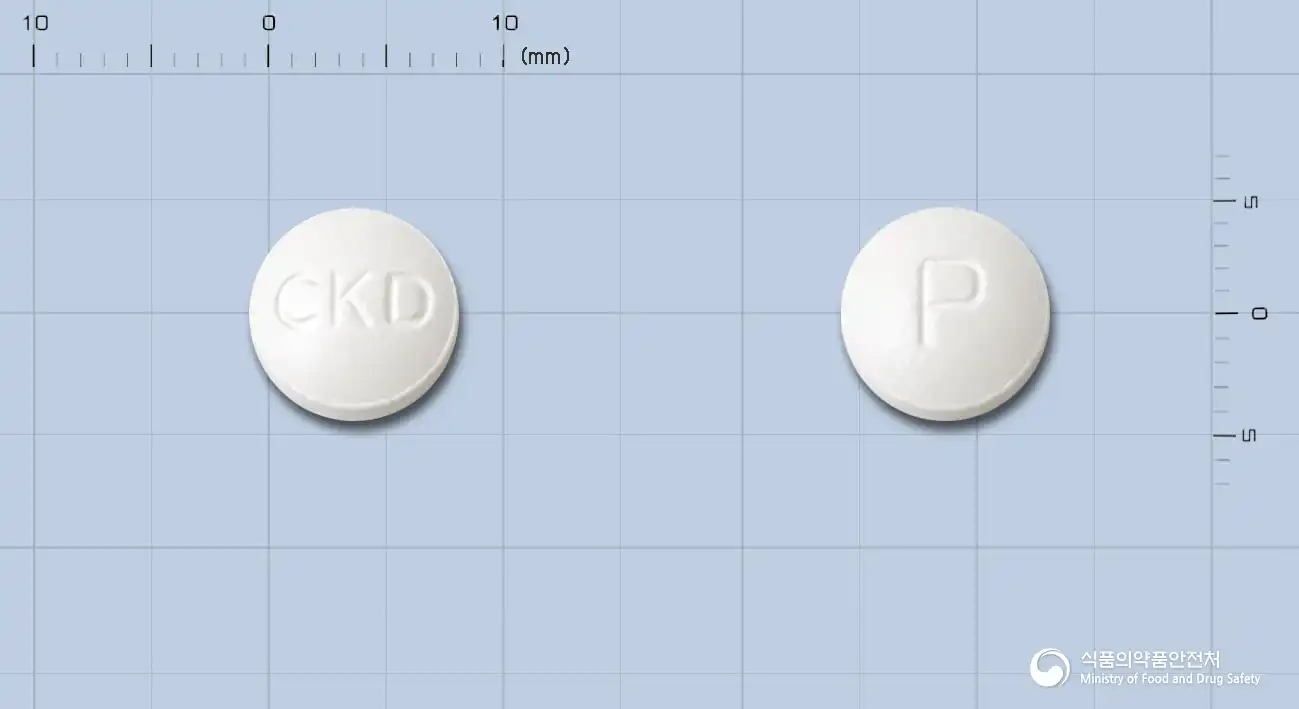
Cefpodoxime Proxetil 100mg
Tablet · Prescription medication
Jongkundang Co., Ltd.

Cefpodoxime Proxetil 100mg
Tablet · Prescription medication
Youngjin Pharmaceutical Co., Ltd.

Cefpodoxime Proxetil 130mg
Tablet · Prescription medication
Hanmi Pharmaceutical Co., Ltd.
Cefpodoxime Proxetil 5000mg
Prescription medication
Jongkundang Co., Ltd.
Cefpodoxime Proxetil
Prescription medication
SK Chemicals Co., Ltd.
Even with the same ingredient, the dose and directions can differ by strength and dosage form. Talk to a doctor or pharmacist before switching from a medication you are already taking.
No questions yet.
For anything that needs medical judgment, consult a doctor or pharmacist.
This drug information is based on data provided by the Korea Ministry of Food and Drug Safety.
Consult a doctor or pharmacist for accurate dosage, administration, and usage instructions.