
 한국어
 English
 日本語
 中文(简体)
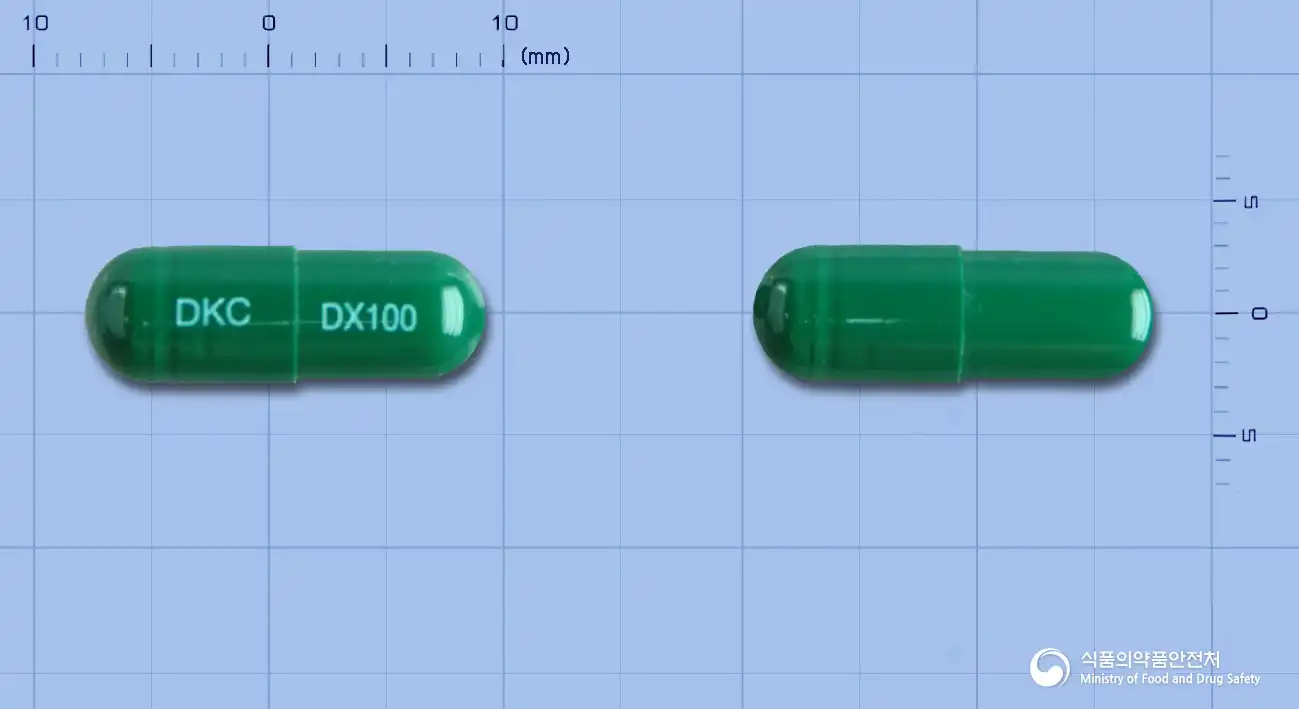 Viewing now
Doxycycline Capsules 100mg (Doxycycline Hydrate)
Doxycycline Hydrate 100mg
Hard capsule · Prescription medication
CL Pharm Co., Ltd.
MFDS item code 201406196 · Approved 2014.12.31 · Insurance code 622600110
Treatment of bacterial infections (pneumonia, urethritis, etc.), acne, and intestinal amoebiasis
This medication is used for various infections caused by different types of bacteria and microorganisms. Major indications include infectious diseases such as epidemic typhus, scrub typhus, mycoplasma pneumonia, cholera, plague, syphilis, as well as respiratory infections like bronchitis, pneumonia, and sinusitis, and urogenital infections like gonorrhea and pyelonephritis. Additionally, it is effective for various infection conditions including lymphadenitis, osteomyelitis, skin diseases, and lymphogranuloma venereum. Patients can use this medication to improve symptoms when experiencing these infections. It acts broadly as an antibiotic for complex infections and is useful in treating infections.
Adults: The initial dose of doxycycline is 100 mg (potency) orally every 12 hours. The maintenance dose is 100 mg (potency) per day, given in 1 ∼ 2 divided doses. For severe infections, administer the initial dose every 12 hours. This medicine should be continued for an additional 24 ~ 48 hours after symptoms subside and the fever resolves. For streptococcal infections, continue treatment for at least 10 days to prevent the development of rheumatic fever or glomerulonephritis. Adjust the dose as appropriate according to age and symptoms.
Adolescents aged 12 years and older weighing 45 kg or less: The initial dose is 4 mg (potency) per kg of body weight per day, given orally in 2 divided doses. The maintenance dose is 2 mg (potency) per kg of body weight per day, given in 1 ∼ 2 divided doses. Adolescents aged 12 years and older weighing more than 45 kg: Administer the dose for adults.
This medication may cause diarrhea and colitis due to Clostridium difficile, so if diarrhea occurs after taking antibiotics, immediate examination at a hospital is necessary. If severe rash or mucosal abnormalities occur while taking this medication, stop taking it immediately and seek treatment. It should not be used in patients with certain allergies, during pregnancy, in children, or in those with severely impaired kidney or liver function. This medication can cause sensitivity to sunlight, so avoid direct sunlight or UV exposure and discontinue use if skin abnormalities occur. As this medication can interact with other drugs, inform your doctor or pharmacist of any other medications you are taking. It is safer not to take this medication during pregnancy or lactation, as it can affect the development of bones and teeth in the fetus or child. When taking the drug, it should be taken with plenty of water while sitting or standing, and it is advisable not to take it within one hour of sleeping to reduce esophageal irritation. In case of overdose, symptoms may include vomiting, liver and kidney damage, and immediate medical attention is required. If this medication is used for a long period, regular checks should be made for abnormalities in liver, kidney, and blood conditions. While taking this medication, be cautious as symptoms of bleeding tendencies or vitamin K deficiency may appear, requiring careful observation. In elderly patients, drug reactions may be stronger due to reduced kidney function, so dosage adjustments and careful monitoring are needed. To prevent the development of antibiotic-resistant bacteria, this medication should only be taken for the necessary duration, avoiding arbitrary discontinuation or long-term use.
Diarrhea, colitis, exfoliative dermatitis, erythema multiforme, mucocutaneous syndrome, toxic epidermal necrolysis, drug reaction with eosinophilia and systemic symptoms, hemolytic anemia, neutropenia, thrombocytopenia, hypersensitivity, anaphylactic shock, angioedema, exacerbation of systemic lupus erythematosus, pericarditis, serum sickness, Henoch-Schönlein purpura, hypotension, dyspnea, tachycardia, peripheral edema, urticaria, thyroid microscopic brown discoloration, decreased appetite, headache, benign intracranial hypertension, protrusion of abdominal pain, tinnitus, flushing, nausea, vomiting, dyspepsia, pancreatitis, pseudomembranous colitis, esophageal ulcer, esophagitis, intestinal colitis, perianal inflammatory lesions, dysphagia, abdominal pain, glossitis, tooth discoloration, hepatotoxicity, hepatitis, liver dysfunction, photosensitivity reaction, rash, photosensitive onycholysis, exfoliative dermatitis, arthralgia, myalgia, increased BUN, anemia, granulocytopenia, atypical lymphocytes, lymphocytopenia, lymphadenopathy, bleeding disorder, fever, sensory disturbance, anxiety, agitation, severe colitis with bloody stools, loose stools, stomatitis, sore throat, black hairy tongue, hoarseness, jaundice, onycholysis, nail color change, fixed drug eruption, arthritis, kidney damage, interstitial nephritis, acute renal failure, oliguria, hematuria, vision impairment, optic nerve disc edema, decreased and loss of smell and taste, vitamin K deficiency, vitamin B complex deficiency symptoms, facial, tongue, and laryngeal edema, yellow urine, decreased glucosuria, liver and kidney parenchymal damage, anaphylactic reaction
Not everyone experiences these, and they can vary from person to person.
This medication should be stored in a sealed container as it is sensitive to air and light. It should also be stored at room temperature between 1 to 30 degrees Celsius for safe use.
A green capsule filled with a light yellow powder
30 capsules/bottle, 500 capsules/bottle
Even with the same ingredient, strength, dosage form and how it is taken can differ.
Viewing nowDoxycycline Hydrate 100mg
Hard capsule · Prescription medication
CL Pharm Co., Ltd.
Doxycycline Hydrate
Prescription medication
Mothers Pharmaceutical Co., Ltd.
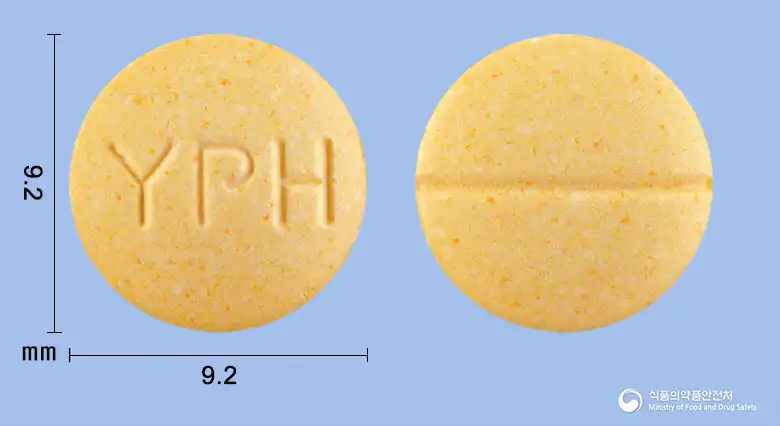
Doxycycline Hydrate 100mg
Tablet · Prescription medication
Youngpoong Pharmaceutical Co., Ltd.
Doxycycline
Prescription medication
Donggu Bio Pharmaceutical Co., Ltd.
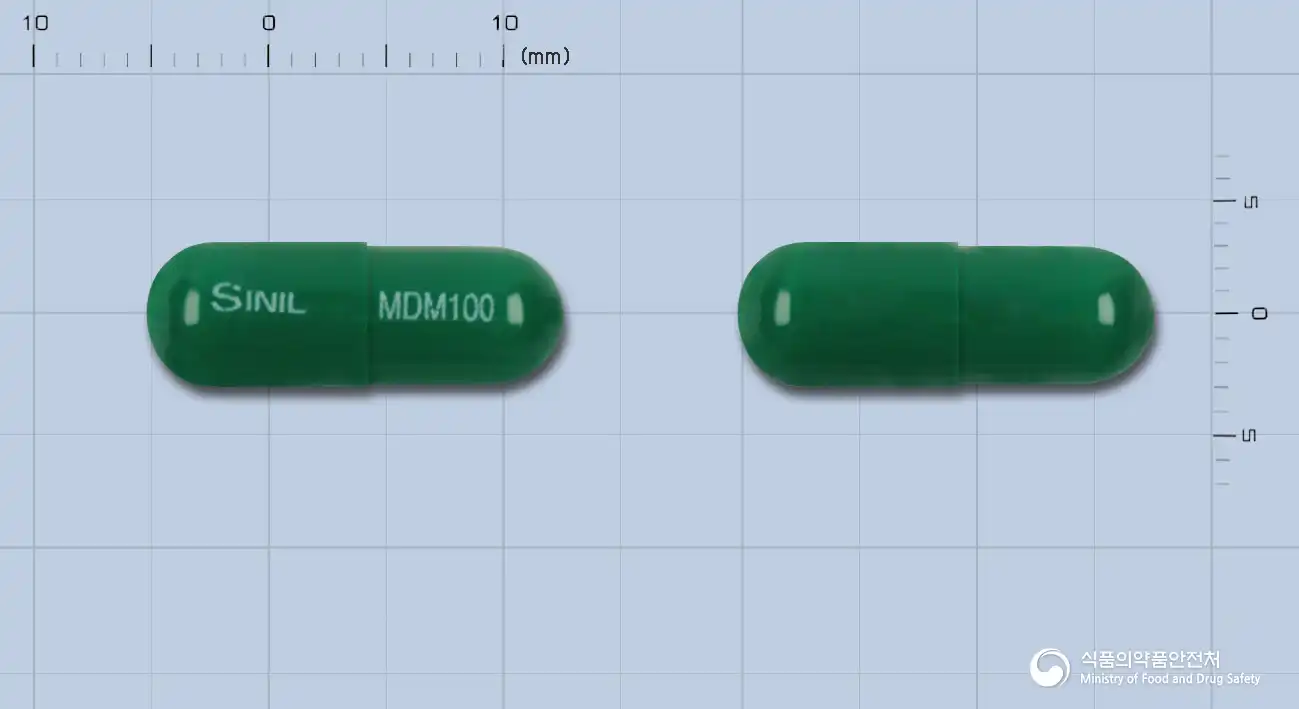
Doxycycline Hydrate 100mg
Hard capsule · Prescription medication
Sinil Pharmaceutical Co., Ltd.
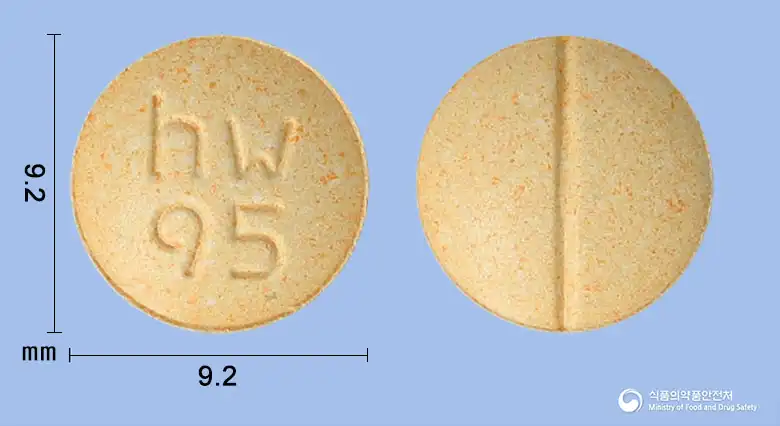
Doxycycline Hydrate 100mg
Tablet · Prescription medication
Hawon Pharmaceutical Co., Ltd.
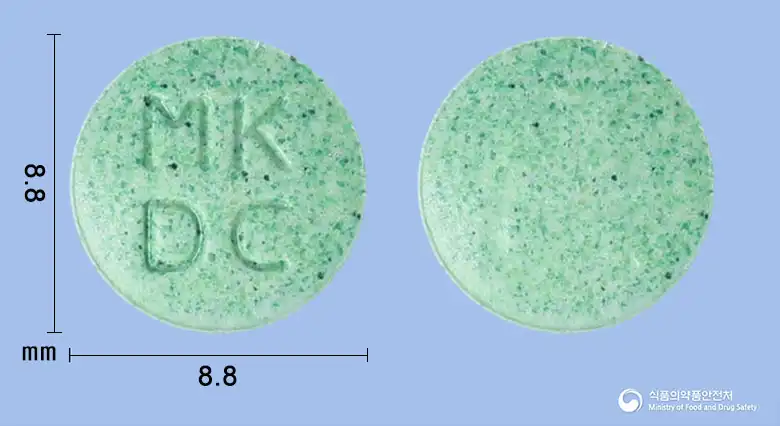
Doxycycline Hydrate 100mg
Tablet · Prescription medication
Medica Korea Co., Ltd.
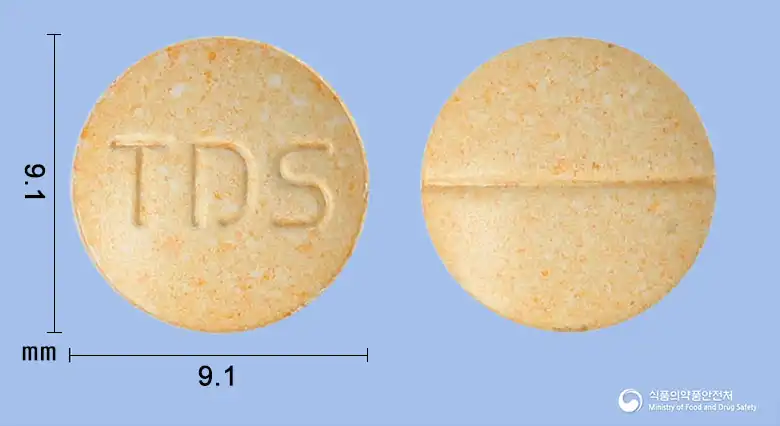
Doxycycline Hydrate 100mg
Tablet · Prescription medication
TDS Pharm Co., Ltd.
Even with the same ingredient, the dose and directions can differ by strength and dosage form. Talk to a doctor or pharmacist before switching from a medication you are already taking.
No questions yet.
For anything that needs medical judgment, consult a doctor or pharmacist.
This drug information is based on data provided by the Korea Ministry of Food and Drug Safety.
Consult a doctor or pharmacist for accurate dosage, administration, and usage instructions.