
 한국어
 English
 日本語
 中文(简体)
 Viewing now
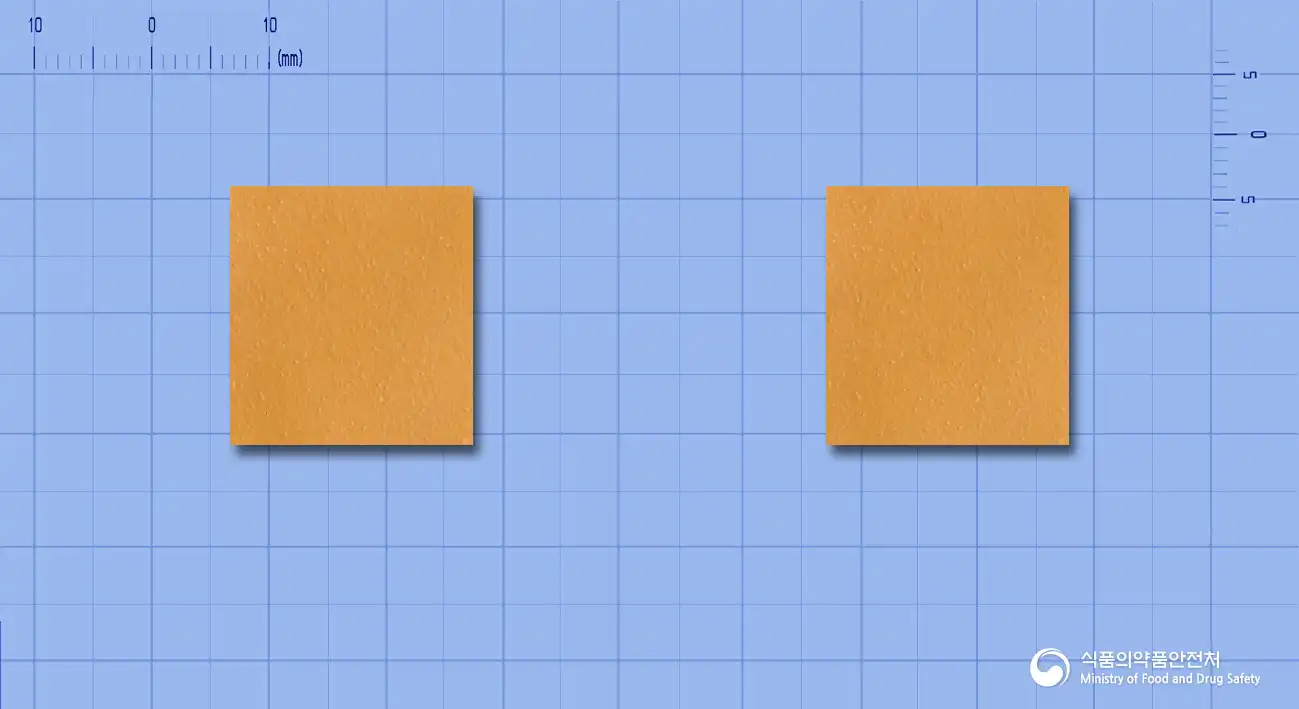
Bultium Oral Dissolving Film 10mg (Tadalafil)
Tadalafil 10mg
Orally disintegrating Tablet · Prescription medication
Seoul Pharmaceutical Co., Ltd.
MFDS item code 201405620 · Approved 2014.11.28
Treatment of erectile dysfunction
This medicine is used for the treatment of erectile dysfunction and requires sexual stimulation to be effective. It is also noted that this drug is not used for females. Therefore, it helps to improve the erectile dysfunction symptoms in males.
For oral administration. Use in adult men The recommended dose of this drug is 10mg, taken regardless of meals before anticipated sexual activity. For patients in whom tadalafil 10mg does not provide a sufficient effect, 20 mg may be tried. This drug may be administered at least 30 minutes before sexual activity. The maximum recommended frequency is once daily. Immediately after removing this drug from its individual package, place it on the tongue, allow it to dissolve, and take it without water. Long-term safety after extended daily dosing has not been established, and because the effect of this drug generally lasts for more than one day, continuous daily administration of this drug is strongly discouraged. [See section 1. Warnings and section 11.1) Pharmacodynamic properties.] Use in elderly men No dosage adjustments are required in elderly patients. Use in men with renal impairment No dose adjustment is required in patients with mild to moderate renal impairment. The maximum recommended dose in patients with severe renal impairment is 10mg. [See section 11.2) Pharmacokinetic properties.] Use in men with hepatic impairment The recommended dose is 10mg, taken regardless of meals before anticipated sexual activity. Since clinical data on the safety of this drug in patients with severe hepatic impairment (Child-Pugh Class C) are limited, the physician should carefully assess the individual benefit/risk when prescribing it. There are no data on doses higher than 10mg in patients with hepatic impairment. [See section 3. Patients who should use this drug with caution and section 11.2) Pharmacokinetic properties.] Use in men with diabetes No dose adjustment is required in patients with diabetes.
This drug must not be used in persons younger than 18 years of age.
This drug is used for the treatment of erectile dysfunction, and before taking it, a doctor must check the patient's heart condition and medical history. There is a risk of cardiovascular issues occurring during or shortly after sexual activity, so patients with heart conditions should undergo careful evaluation before taking this drug. If an erection lasts for more than 4 hours after taking this drug, immediate medical attention should be sought, as it could cause damage to penile tissue or loss of erectile function. This drug should not be taken with nitrate medications, as it can cause dangerously low blood pressure; therefore, patients taking nitrates must not use this drug. It is contraindicated in patients who have had recent serious cardiovascular diseases such as myocardial infarction, angina, or stroke. Patients with hereditary retinal diseases or allergies to any of the components of this drug should also not be administered this drug. Using this drug in conjunction with other erectile dysfunction medications is not recommended as its safety and efficacy have not been established. Patients with penile deformities or certain blood disorders should use this drug cautiously, and patients with severely impaired kidney or liver function should also be monitored closely. Symptoms of hypotension may occur when used with some antihypertensives, especially co-administration with alpha-blockers is not recommended. Common side effects may include headaches, indigestion, low back pain, muscle pain, nasal congestion, flushing, limb pain, nasopharyngitis, upper respiratory infections, cough, diarrhea, gastroesophageal reflux disease, abdominal pain, dizziness, facial flushing, itching, paresthesia, drowsiness, lightheadedness, renal impairment, shortness of breath, pharyngitis, rash, sweating, eye pain, increased tear secretion, eyelid edema, sudden decrease or loss of hearing, tinnitus, increased erections, spontaneous penile erections, and insomnia.
Not everyone experiences these, and they can vary from person to person.
This drug should be stored in a sealed container to protect it from air and moisture and should be kept at room temperature between 1 degree and 30 degrees Celsius. This will help maintain the drug’s efficacy and safety.
Rectangular yellow oral dissolving film
<For Domestic Use> - 10 sheets/pack [1 sheet/pack x 10], <For Export> - 1 sheet/pack, <For Export> - 2 sheets/pack [1 sheet/pack x 2], <For Export> - 4 sheets/pack [1 sheet/pack x 4], <For Export> - 10 sheets/pack [1 sheet/pack x 10]
Even with the same ingredient, strength, dosage form and how it is taken can differ.
Viewing nowTadalafil 10mg
Orally disintegrating Tablet · Prescription medication
Seoul Pharmaceutical Co., Ltd.
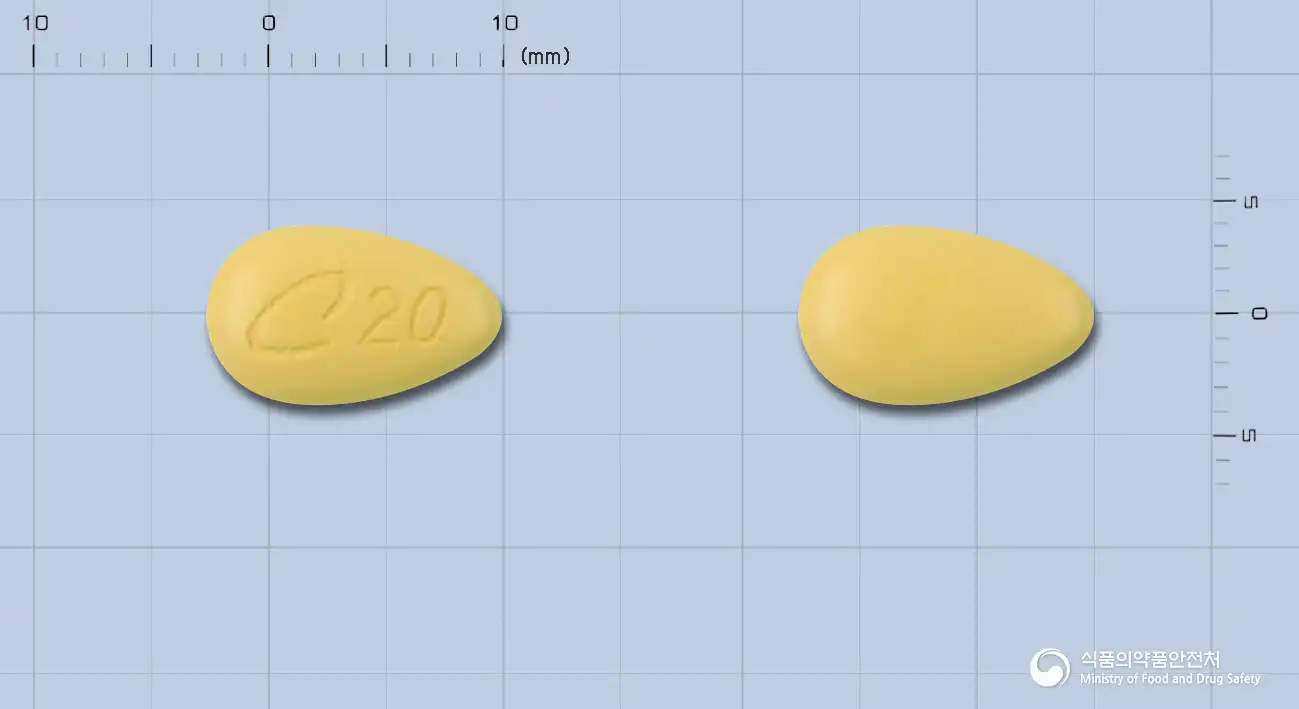
Tadalafil 20mg
Tablet · Prescription medication
Korea Lilly Co., Ltd.
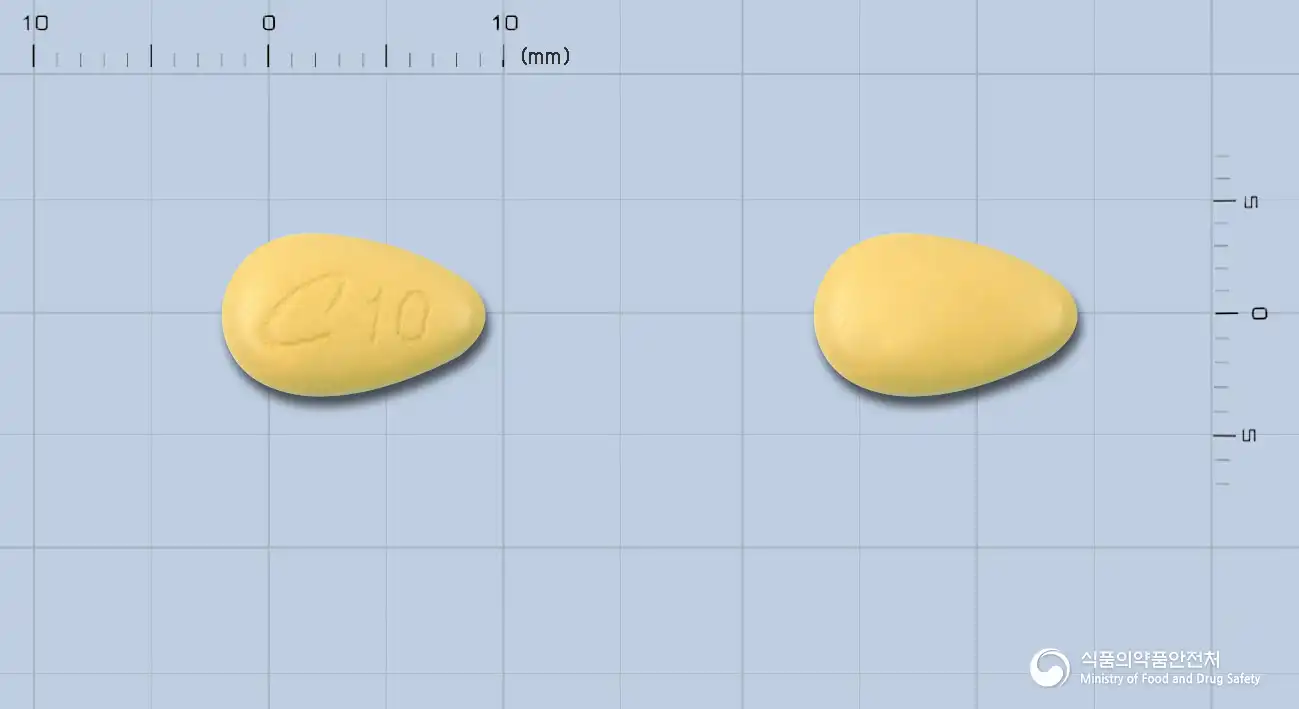
Tadalafil 10mg
Tablet · Prescription medication
Korea Lilly LLC
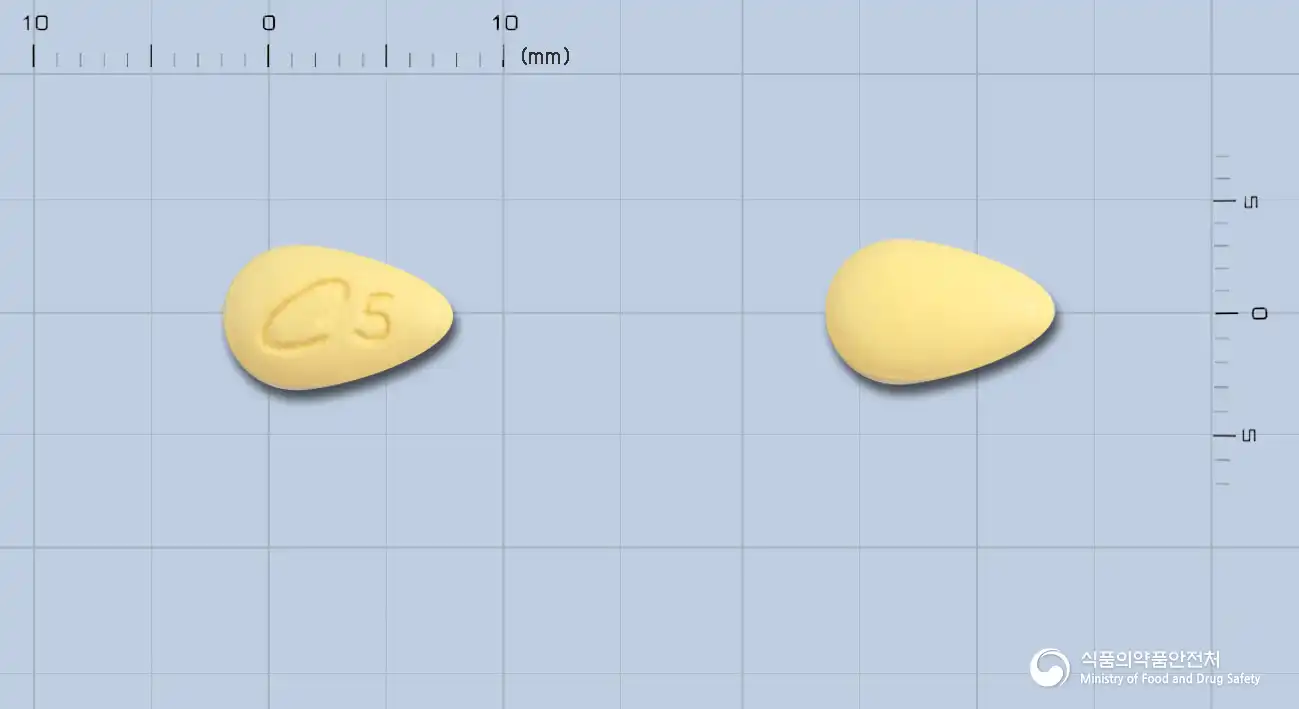
Tadalafil 5mg
Tablet · Prescription medication
Korea Lilly Co., Ltd.
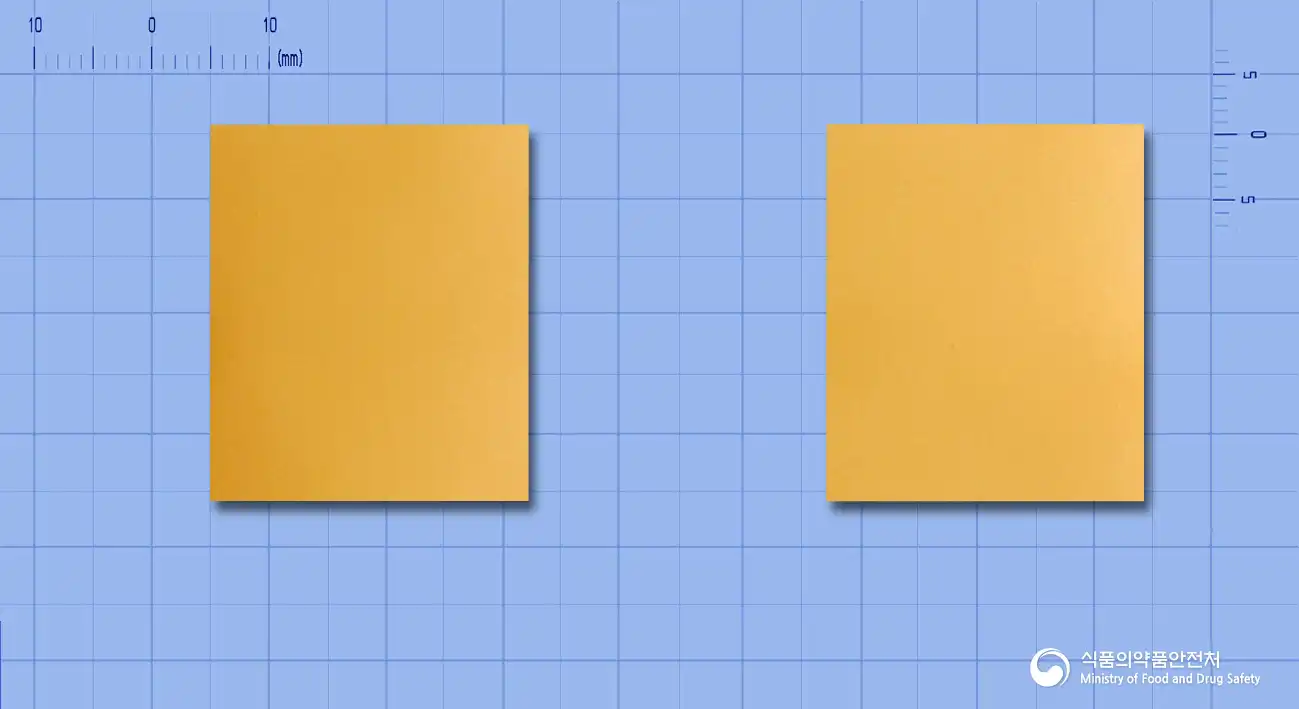
Tadalafil 20mg
Prescription medication
Seoul Pharmaceutical Co., Ltd.
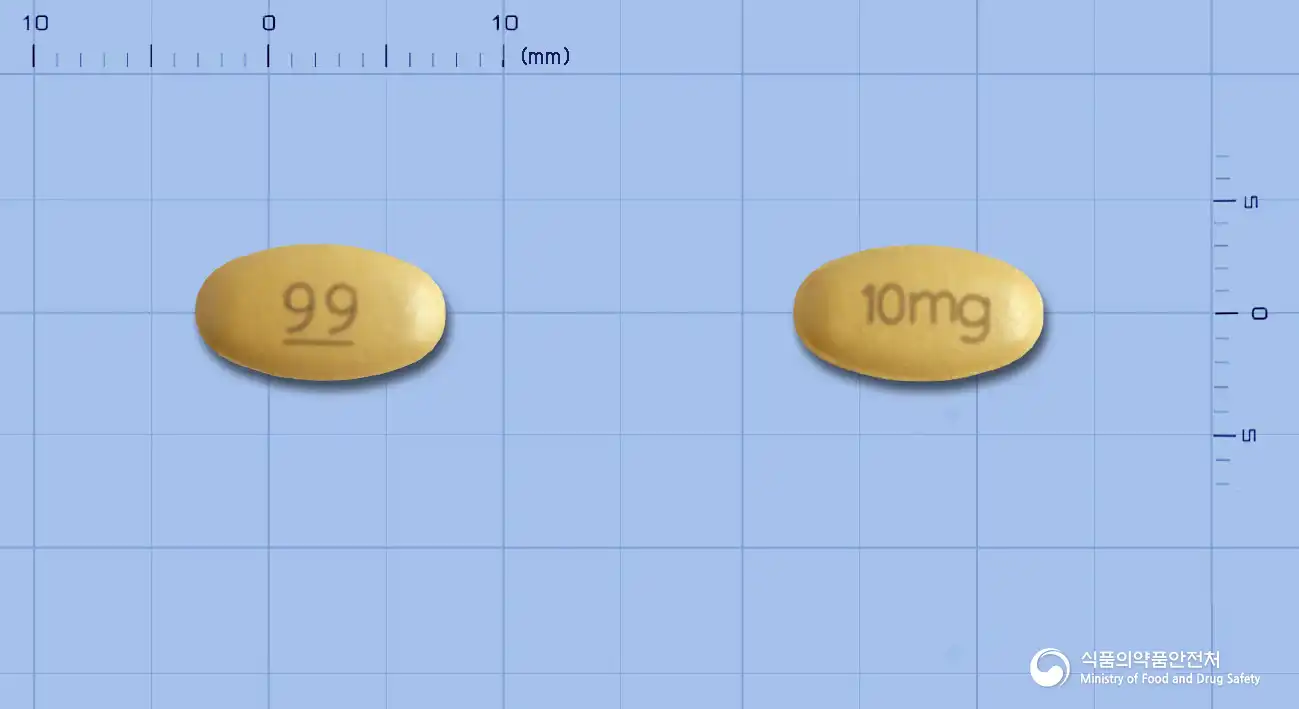
Tadalafil 10mg
Tablet · Prescription medication
Hanmi Pharmaceutical Co., Ltd.
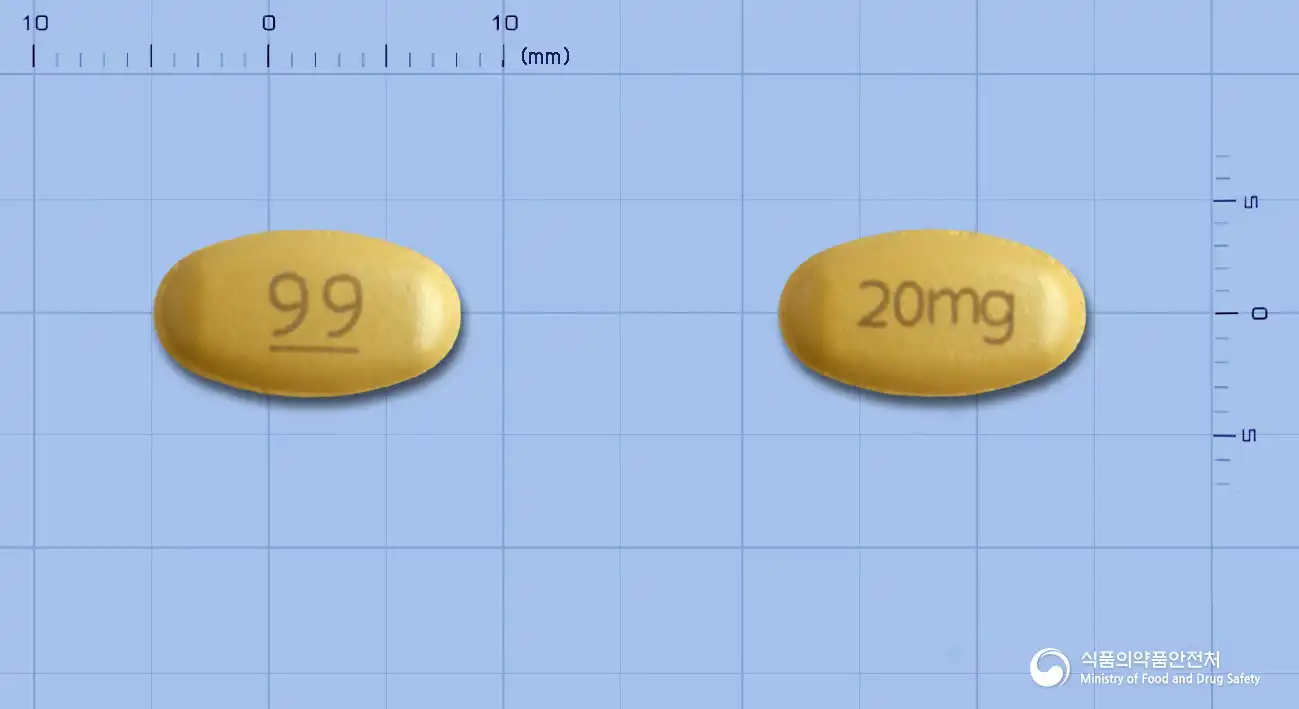
Tadalafil 20mg
Tablet · Prescription medication
Hanmi Pharmaceutical Co., Ltd.
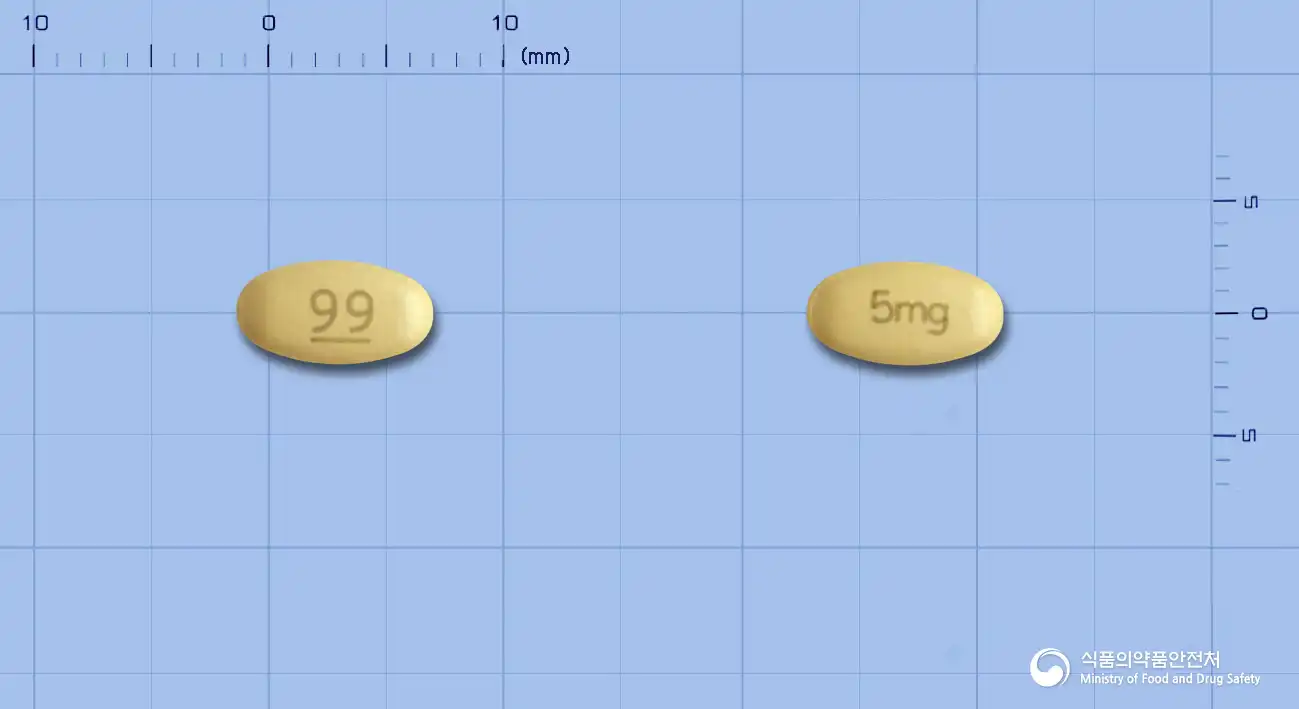
Tadalafil 5mg
Tablet · Prescription medication
Hanmi Pharmaceutical Co., Ltd.
Even with the same ingredient, the dose and directions can differ by strength and dosage form. Talk to a doctor or pharmacist before switching from a medication you are already taking.
No questions yet.
For anything that needs medical judgment, consult a doctor or pharmacist.
This drug information is based on data provided by the Korea Ministry of Food and Drug Safety.
Consult a doctor or pharmacist for accurate dosage, administration, and usage instructions.