
 한국어
 English
 日本語
 中文(简体)
 Viewing now
Retiram Tablets 1000 mg (Levetiracetam)
Levetiracetam 1000mg
Tablet · Prescription medication
Myungmoon Pharmaceutical Co., Ltd.
MFDS item code 201405546 · Approved 2014.11.27 · Insurance code 649806750
Epilepsy treatment: monotherapy for partial seizures and adjunctive therapy (including for myoclonic seizures)
This medication is used to treat partial seizures with or without secondary generalized seizures in adult patients aged 16 and older who are newly diagnosed with epilepsy. It is also used as an adjunctive therapy for patients aged 4 and older with secondary generalized seizures or partial seizures whose symptoms are not well controlled by existing first-line epilepsy treatments. Additionally, it is effective in the treatment of primary generalized tonic-clonic seizures due to myoclonic epilepsy in children and adolescents aged 12 and older. In summary, it is utilized for the treatment of various types of epilepsy seizures, improving patients' symptoms.
Film-coated tablets and oral solution are administered orally and may be taken without regard to meals; take with plenty of water. The daily dose should be divided into 2 equal doses administered twice daily. Levetiracetam treatment may be initiated by intravenous or oral administration. When switching from oral to intravenous administration or vice versa, the change may be made directly without dose titration; the total daily dose and dosing frequency should remain the same. Monotherapy Adults Start with an initial dose of 250mg per dose twice daily, then increase to 500mg per dose twice daily after 2 weeks. Depending on clinical response, the dose may be increased by 500mg/day [250mg per dose, twice daily] every 2 weeks; the maximum dose is 3000mg/day [1500mg per dose, twice daily]. Adjunctive therapy 1. Partial-onset seizures Adults (18 years and older) Start treatment with 500mg per dose twice daily. Depending on clinical response and tolerability, the dose may be increased or decreased by 1000mg/day [500mg per dose, twice daily] every 2 to 4 weeks; the maximum recommended dose is 3000mg/day. 4. Patients with renal impairment Since levetiracetam clearance is related to renal function, administer the drug individually according to the patient's renal function. Refer to the table below for dose adjustment in adults. Dose adjustment for adult patients with renal impairment Normal, creatinine clearance ≥ 80 (mL/min/1.73m2): Dose per administration 500-1,500mg, twice daily (12-hour intervals) Mild, creatinine clearance 50-79 (mL/min/1.73m2): Dose per administration 500-1,000mg, twice daily (12-hour intervals) Moderate, creatinine clearance 30-49 (mL/min/1.73m2): Dose per administration 250-750mg, twice daily (12-hour intervals) Severe, creatinine clearance < 30 (mL/min/1.73m2): Dose per administration 250-500mg, twice daily (12-hour intervals) End-stage renal disease patients on dialysis(1), creatinine clearance -: Dose per administration 500-1,000mg, once daily(2) (1) An initial loading dose of 750mg is recommended on the first day of treatment. (2) An additional dose of 250-500mg is recommended after dialysis. 5. Patients with hepatic impairment No dose adjustment is necessary in patients with mild to moderate hepatic impairment. In patients with severe hepatic impairment, creatinine clearance may underestimate renal impairment. Therefore, when creatinine clearance is less than 60mL/min/1.73m2, it is advisable to reduce the daily maintenance dose by 50%. 7. Elderly patients (65 years and older) Dose adjustment is recommended in elderly patients with reduced renal function.
Monotherapy Adolescents aged 16 years and older The initial dose is 250mg twice daily. After 2 weeks, increase the dose to 500mg twice daily. Depending on the clinical response, the dose may be increased every 2 weeks by 500mg/day [250mg twice daily], up to a maximum dose of 3000mg/day [1500mg twice daily]. Adjunctive therapy 1. Partial-onset seizures Adolescents weighing 50kg or more (12–17 years) Treatment is initiated at 500mg twice daily. Depending on the clinical response and tolerability, the dose may be increased or decreased by 1000mg/day [500mg twice daily] every 2 to 4 weeks. The maximum recommended dose is 3000mg/day. Children aged 4 to 11 years and adolescents weighing less than 50kg (12–17 years) The initial dose is 10mg/kg twice daily. Depending on the clinical response and tolerability, the dose may be increased to 60mg/kg/day [30mg/kg twice daily]. Dose changes must not exceed increases or decreases of 20mg/kg/day [10mg/kg twice daily] every 2 weeks. Use the lowest effective dose. The dose for children weighing 50kg or more is the same as the adult dose. The recommended doses for children and adolescents are shown in the table below. 15-20kg(1): 20mg/kg/day (twice daily) 300mg-400mg/day [150-200mg twice daily]; 40mg/kg/day (twice daily) 600mg-800mg/day [300-400mg twice daily]; 60mg/kg/day (twice daily) 900mg-1,200mg/day [450-600mg twice daily] 20.1-40kg: 20mg/kg/day (twice daily) 500mg/day [250mg twice daily]; 40mg/kg/day (twice daily) 1,000mg/day [500mg twice daily]; 60mg/kg/day (twice daily) 1,500mg/day [750mg twice daily] 40.1-50kg(2): 20mg/kg/day (twice daily) 1,000mg/day [500mg twice daily]; 40mg/kg/day (twice daily) 2,000mg/day [1,000mg twice daily]; 60mg/kg/day (twice daily) 3,000mg/day [1,500mg twice daily] (1) For children weighing 20kg or less, it is recommended to initiate treatment with the 100mg/mL oral solution. (2) The dosage and administration for children and adolescents weighing 50kg or more are the same as for adults. 2. Myoclonic seizures in pediatric patients (12 years and older) Treatment is initiated at 500mg twice daily. The dose is increased by 1,000mg/day every 2 weeks to the recommended daily dose of 3,000mg. Efficacy has not been studied at doses below 3,000mg/day. 3. Primary generalized tonic-clonic seizures (12 years and older) Adolescents weighing 50kg or more (12-17 years) Treatment is initiated at 1,000mg/day [500mg twice daily]. The dose is increased by 1,000mg/day [500mg twice daily] every 2 weeks to the recommended daily dose of 3,000mg [1,500mg twice daily]. Efficacy has not been adequately studied at doses below 3,000mg/day. Adolescents weighing less than 50kg (12-17 years) Treatment is initiated at 20mg/kg/day [10mg/kg twice daily]. The dose is increased by 20mg/kg/day [10mg/kg twice daily] every 2 weeks to the recommended daily dose of 60mg/kg [30mg/kg twice daily]. Efficacy has not been adequately studied at doses below 60mg/kg/day. For infants, children, and adolescents, use the following formula. ks= 0.45 (infants under 1 year of age) ; ks= 0.55 (female children and adolescents under 13 years of age) ks= 0.7 (male adolescents) Dosage adjustment in pediatric patients and adolescents weighing less than 50kg with renal impairment Normal, creatinine clearance ≥ 80 (ml/min/1.73m2): 10-30mg/kg(0.10-0.30 ml/kg) twice daily Mild, creatinine clearance 50-79 (ml/min/1.73m2): 10-20mg/kg(0.10-0.20 ml/kg) twice daily Moderate, creatinine clearance 30-49 (ml/min/1.73m2): 5-15mg/kg (0.05-0.15ml/kg) twice daily Severe, creatinine clearance < 30 (ml/min/1.73m2): 5-10 mg/kg (0.05-0.10ml/kg) twice daily End-stage renal disease patients on dialysis, creatinine clearance --: 10-20mg/kg(0.10-0.20 ml/kg) once daily(1)(2) (1) A loading dose of 15 mg/kg(0.15ml/kg) is recommended on the first day of treatment. (2) An additional dose of 5-10 mg/kg(0.05-0.10ml/kg) is recommended after dialysis. 6. Children The oral formulation is not recommended for infants younger than 1 month because of insufficient safety and efficacy data. Tablet administration is not applicable for children aged 4 years or younger; infants aged 1 month and older should be given the oral solution. The safety and efficacy of the injection have not been established in children under 16 years of age; therefore, its use is not recommended.
This medication is used for the treatment of epilepsy, and there is a risk of increased suicidal thoughts or behaviors during treatment. Therefore, patients and caregivers should notify healthcare professionals immediately if mood changes or symptoms of depression occur. This medication may have central nervous system side effects such as drowsiness, fatigue, and coordination disorders, especially during the first 4 weeks of administration. Abruptly stopping the medication may increase the risk of seizure worsening, so the dosage should be gradually reduced per medical advice. It should not be administered to patients with a hypersensitivity reaction to this medication, and dosage adjustments may be necessary for patients with impaired kidney function. Psychiatric symptoms such as aggression, anxiety, depression, and restlessness can occur, so any changes in behavior should be discussed with healthcare professionals. Also, seizures may exacerbate in some patients; therefore, caution is required. Patients with heart disease or prolonged QT interval should undergo ECG evaluations and be administered cautiously. This medication has relatively few interactions with other drugs, but caution should be exercised in monitoring blood levels, especially when combined with methotrexate. Women who are pregnant or planning to become pregnant should consult healthcare professionals regarding the use of this medication, and those who are breastfeeding should consider stopping nursing or reassess medication use due to potential drug transfer through breast milk. Children and the elderly may also be administered this medication, but dosage adjustments and monitoring for side effects are necessary. Drowsiness and decreased concentration may occur while driving or operating machinery, so caution is advised. In case of overdose, the medication can be removed via vomiting or gastric lavage, and if necessary, blood dialysis can be performed. When storing this medication, it should be placed out of reach of children, and it is safe not to transfer it to other containers.
Not everyone experiences these, and they can vary from person to person.
This medication should be kept in a tightly sealed container to prevent exposure to air or moisture. It is recommended to maintain a storage temperature between 1 to 30 degrees Celsius to safely preserve the medication's effectiveness.
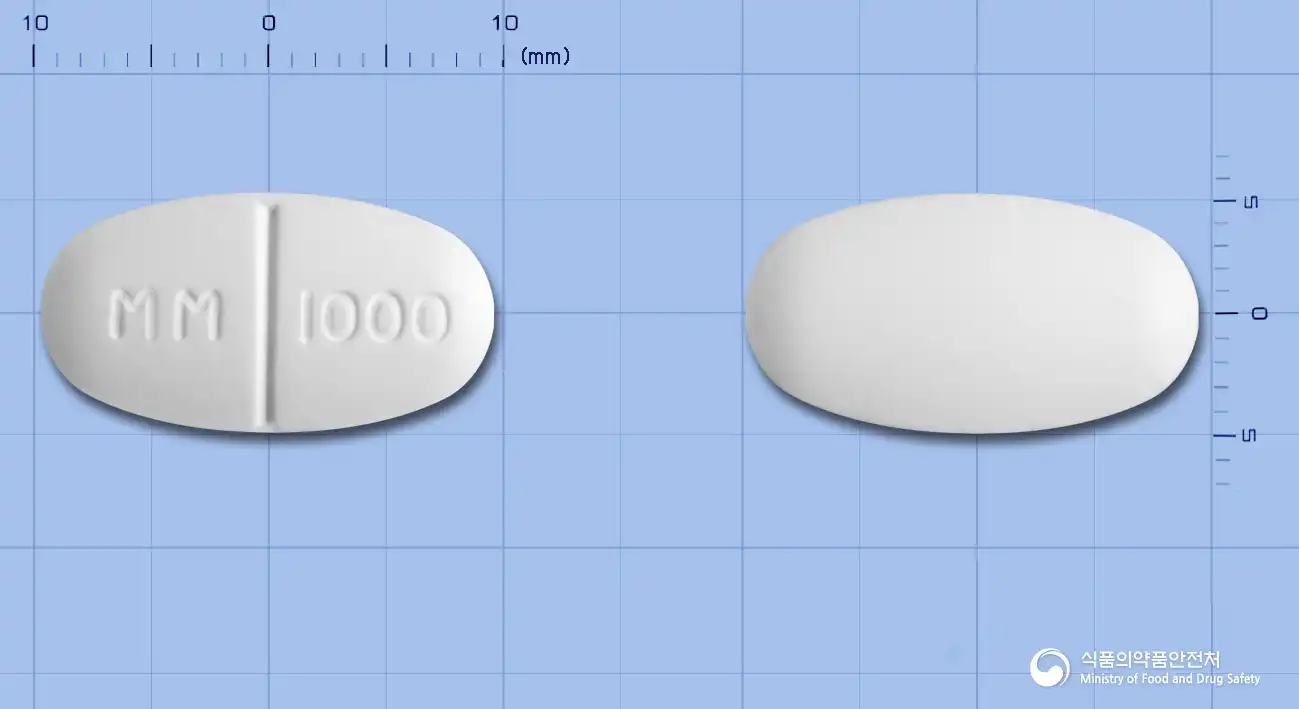
White oval film-coated tablet
30 tablets/bottle, 120 tablets/bottle
Even with the same ingredient, strength, dosage form and how it is taken can differ.
Viewing nowLevetiracetam 1000mg
Tablet · Prescription medication
Myungmoon Pharmaceutical Co., Ltd.
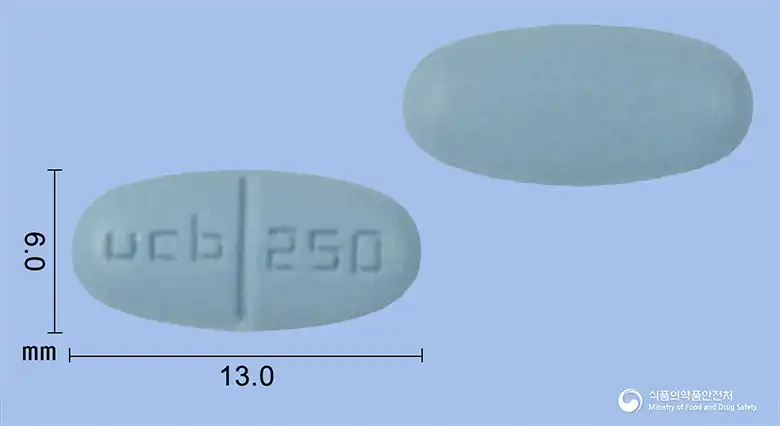
Levetiracetam 250mg
Tablet · Prescription medication
UCB Korea Co., Ltd.
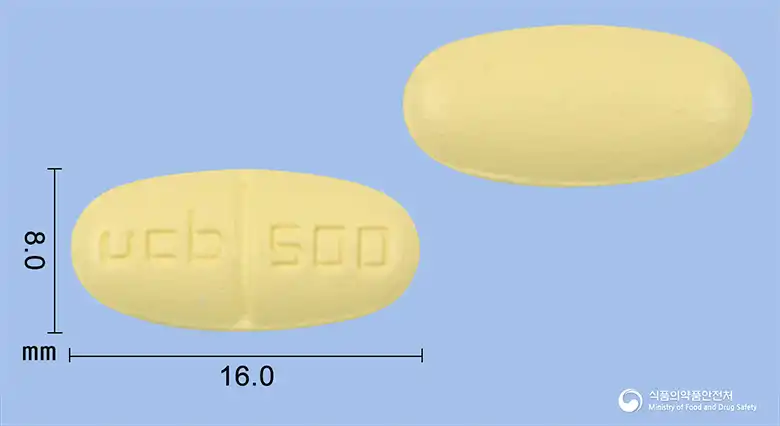
Levetiracetam 500mg
Tablet · Prescription medication
UCB Korea Co., Ltd.
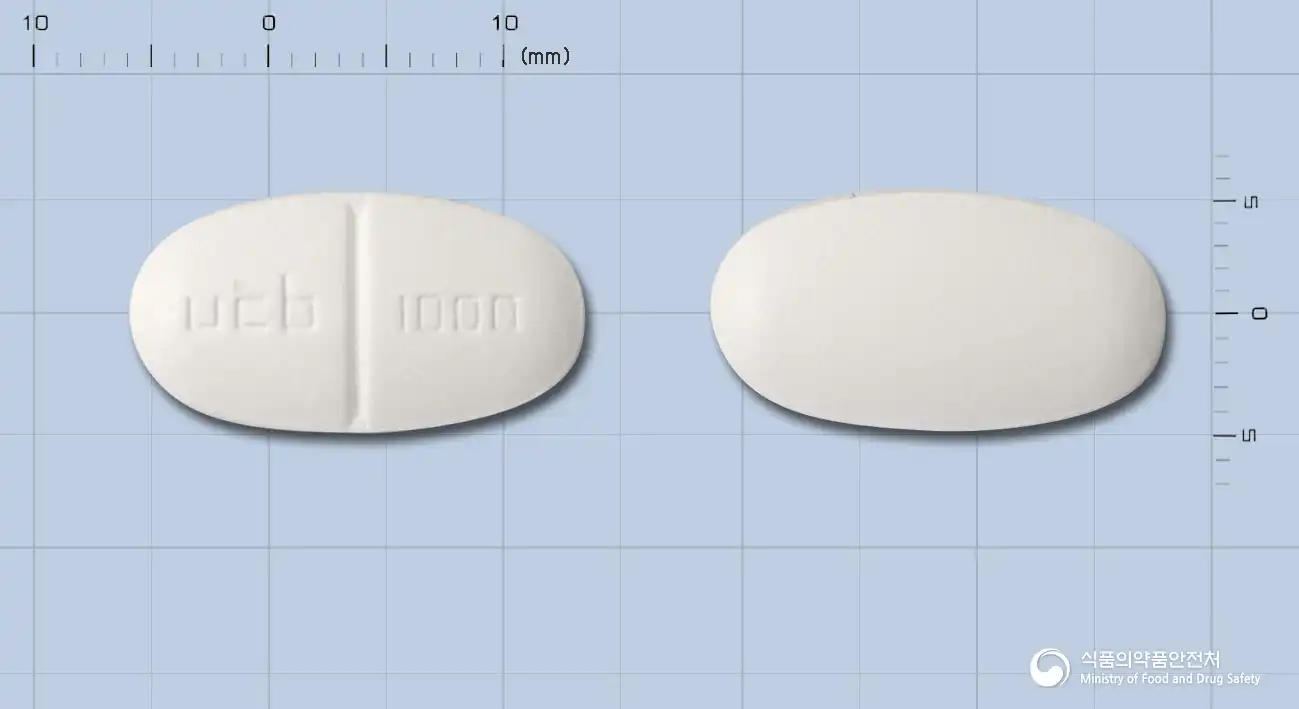
Levetiracetam 1000mg
Tablet · Prescription medication
UCB Korea Co., Ltd.
Levetiracetam 10g
Solution · Prescription medication
UCB Korea Co., Ltd.
Levetiracetam 500mg
Injections · Prescription medication
UCB Pharma Co., Ltd.
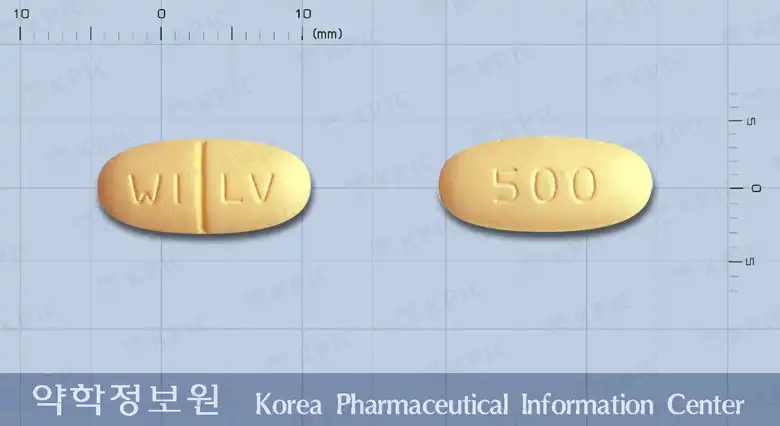
Levetiracetam 500mg
Tablet · Prescription medication
Hanmi Pharmaceutical Co., Ltd.
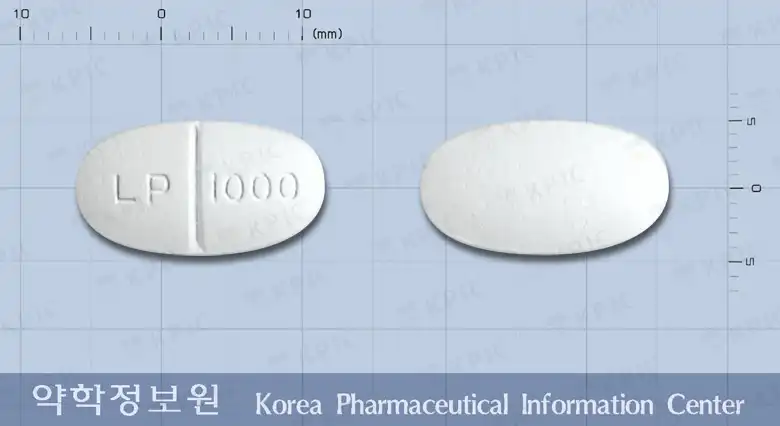
Levetiracetam 1000mg
Tablet · Prescription medication
Hanlim Pharmaceutical Co., Ltd.
Even with the same ingredient, the dose and directions can differ by strength and dosage form. Talk to a doctor or pharmacist before switching from a medication you are already taking.
No questions yet.
For anything that needs medical judgment, consult a doctor or pharmacist.
This drug information is based on data provided by the Korea Ministry of Food and Drug Safety.
Consult a doctor or pharmacist for accurate dosage, administration, and usage instructions.