
 한국어
 English
 日本語
 中文(简体)
 Viewing now
Mothers Sephexim Capsule (Sephexim Hydrate)
Cefixime Hydrate 100mg
Hard capsule · Prescription medication
Mothers Pharmaceutical Co., Ltd.
MFDS item code 201405348 · Approved 2014.11.18 · Insurance code 622802140
Treatment of respiratory and otorhinolaryngological infections, urinary tract and biliary tract infections, and scarlet fever
This medication is effective against various bacteria, particularly used for infections by Streptococcus, Streptococcus pneumoniae, Neisseria gonorrhoeae, E. coli, and many other types of bacteria. It is primarily used for treating secondary infections caused by bronchitis, pneumonia, and chronic respiratory diseases, as well as for pyelonephritis, cystitis, and gonococcal urethritis. It is also utilized for cholecystitis, cholangitis, scarlet fever, and infections such as otitis media and sinusitis. It helps improve symptoms caused by pathogens of these diseases.
Adults: Administer 50~100mg (potency) of cefixime orally twice daily. For severe infections or when the effect is insufficient, administer 200mg (potency) twice daily. Adjust the dose appropriately according to age and symptoms.
Children weighing 30 Kg or more: Administer 50~100mg (potency) of cefixime orally twice daily. For severe infections or when the effect is insufficient, administer 200mg (potency) twice daily.
This medication must not be administered to certain patients. For example, patients who have experienced severe allergic reactions or shock due to this medication, those allergic to cephalosporin antibiotics, and patients with a genetic disorder that prevents them from digesting lactose should not take this medication. Additionally, there are patients who need to use this medication cautiously. This includes patients who have shown allergic reactions to this or similar antibiotics in the past, those allergic to penicillin antibiotics, patients with a family history of asthma or skin allergic symptoms, patients with severe renal impairment, those who have difficulty with oral intake, the elderly, and patients who are allergic to specific colorants contained in this medication should use it with caution. During the use of this medication, various adverse reactions may occur, so careful observation is necessary. Rarely, serious allergic reactions or anaphylaxis, skin rash, severe diarrhea, breathing difficulties, blood abnormalities, or liver and kidney dysfunction may occur. If any of these symptoms occur, discontinue the medication immediately and consult a healthcare professional. This medication should only be used for the required duration to prevent antibiotic resistance and a thorough verification of the allergy history should be performed prior to administration. Additionally, patients with impaired renal function may require dosage adjustments and should be monitored carefully due to the risk of seizures. This medication can interact with other drugs; thus, caution is needed when taken with anticoagulants like warfarin or drugs that may affect renal function. Pregnant or breastfeeding women should use this medication cautiously, as its safety has not been established, and nursing should be avoided if possible. Young children, especially infants under 6 months, should use this medication with caution as its safety has not been confirmed. The elderly are more likely to experience adverse reactions due to declining bodily functions, so dosage and administration intervals should be adjusted, and their condition should be closely monitored. This medication may affect the results of certain clinical tests, so it is important to inform healthcare professionals of its use during testing. Finally, this medication should not be stored in a mixture with milk or juice for a suspension, and should not be kept for more than 2 weeks after preparation.
Not everyone experiences these, and they can vary from person to person.
This medication should be stored in a sealed container to prevent air or moisture from entering and maintained at room temperature between 1 to 30 degrees Celsius. This way, the effectiveness of the medication can be well-maintained.
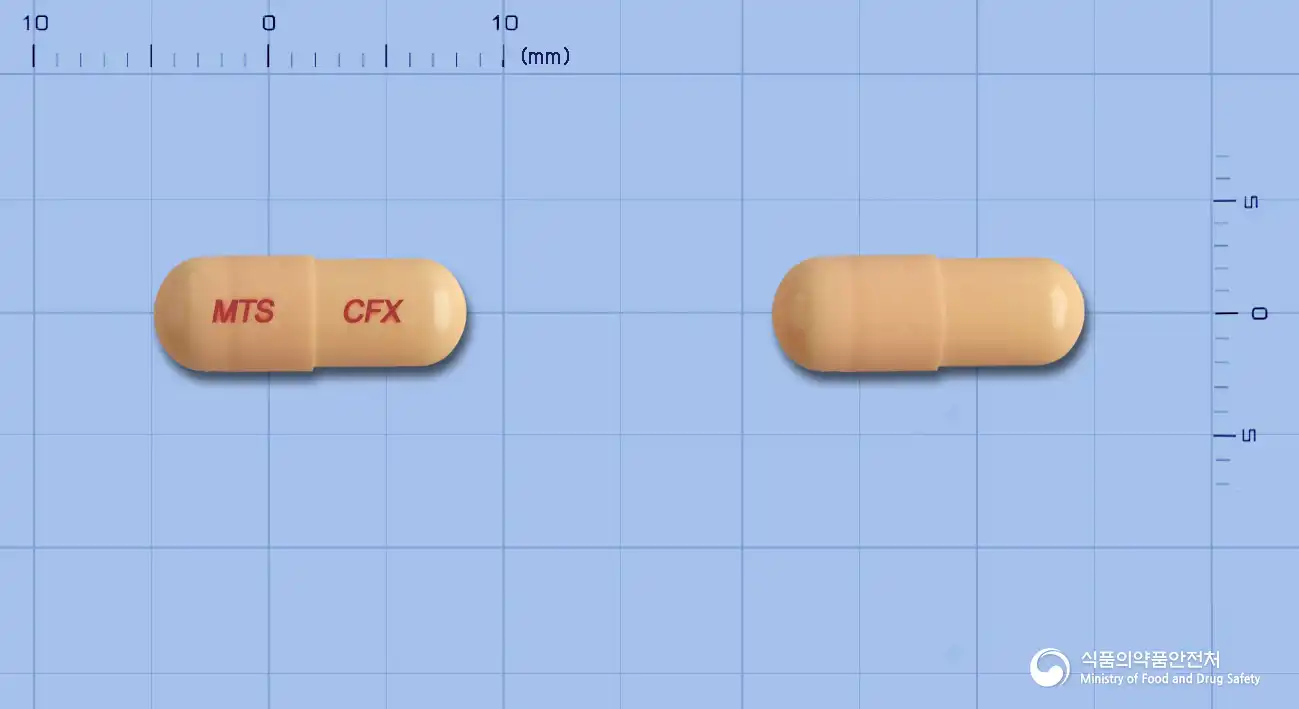
A hard capsule with an upper and lower light orange color containing a crystalline powder that is white to light yellow.
30 capsules/bottle, 100 capsules/bottle
Even with the same ingredient, strength, dosage form and how it is taken can differ.
Viewing nowCefixime Hydrate 100mg
Hard capsule · Prescription medication
Mothers Pharmaceutical Co., Ltd.
Cefixime Hydrate 50mg
Prescription medication
Dong-A ST Co., Ltd.
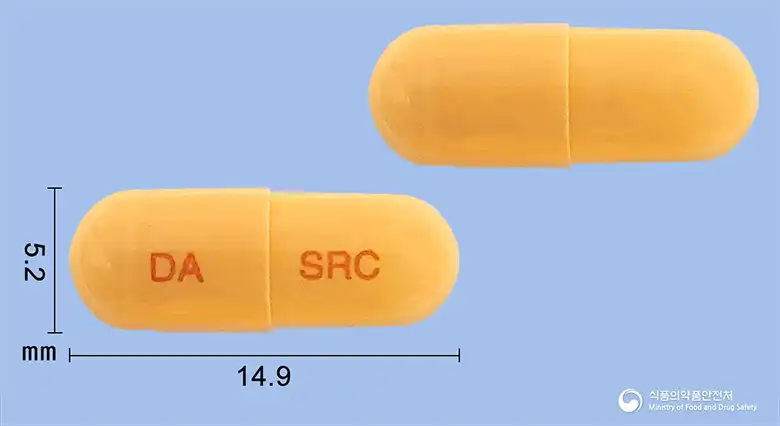
Cefixime Hydrate 100mg
Hard capsule · Prescription medication
Dong-A ST Co., Ltd.
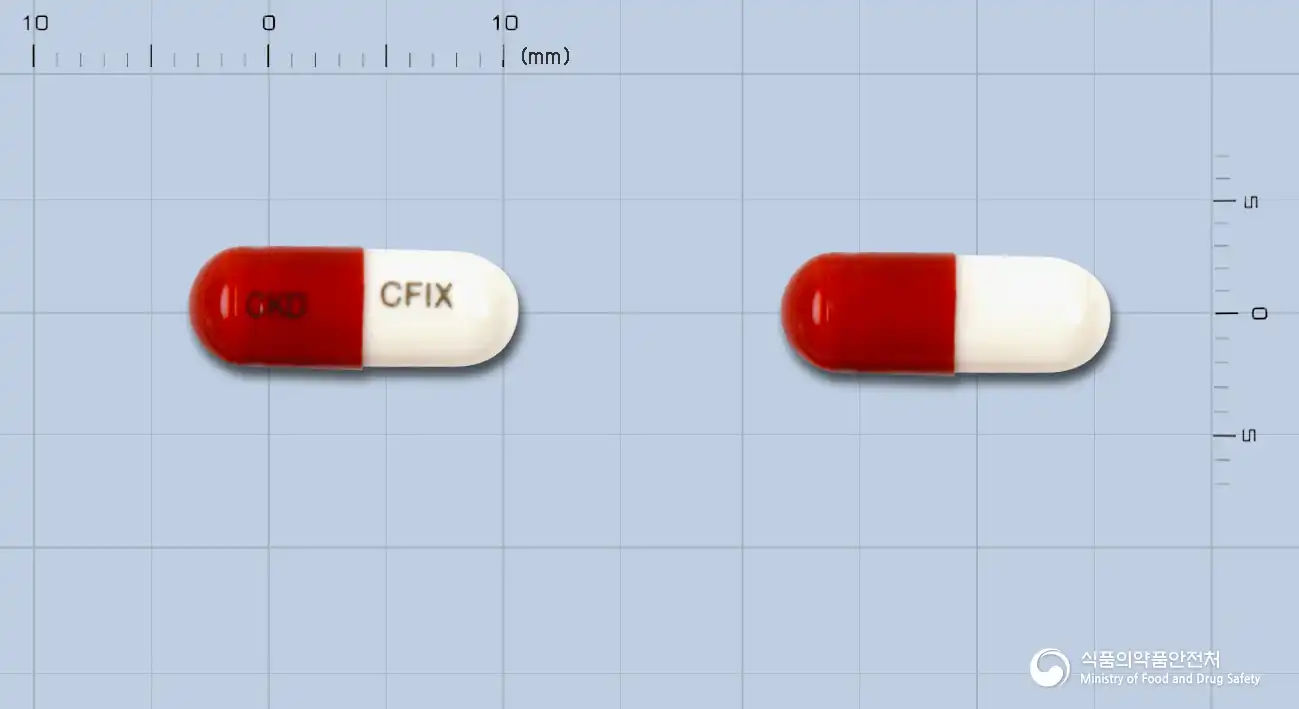
Cefixime Hydrate 100mg
Hard capsule · Prescription medication
Jongkundang Co., Ltd.
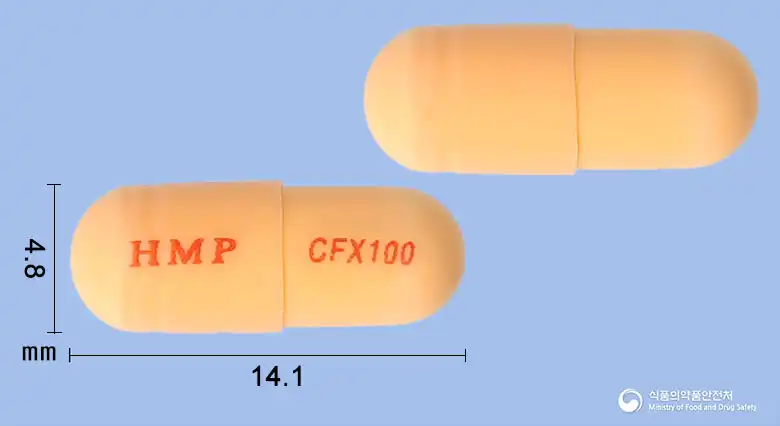
Cefixime Hydrate 100mg
Hard capsule · Prescription medication
Hanmi Pharmaceutical Co., Ltd.
Cefixime Hydrate 50mg
Prescription medication
Hanmi Pharmaceutical Co., Ltd.
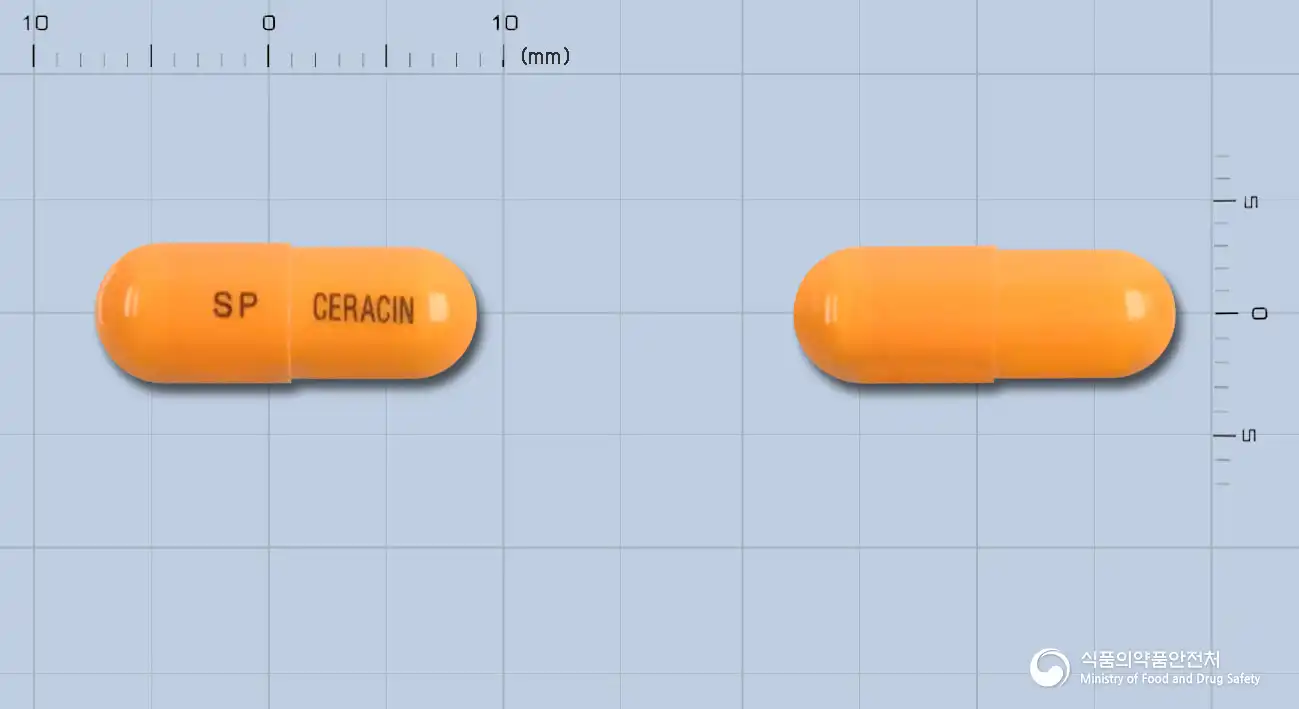
Cefixime Hydrate 100mg
Hard capsule · Prescription medication
Sinpoong Pharmaceutical Co., Ltd.
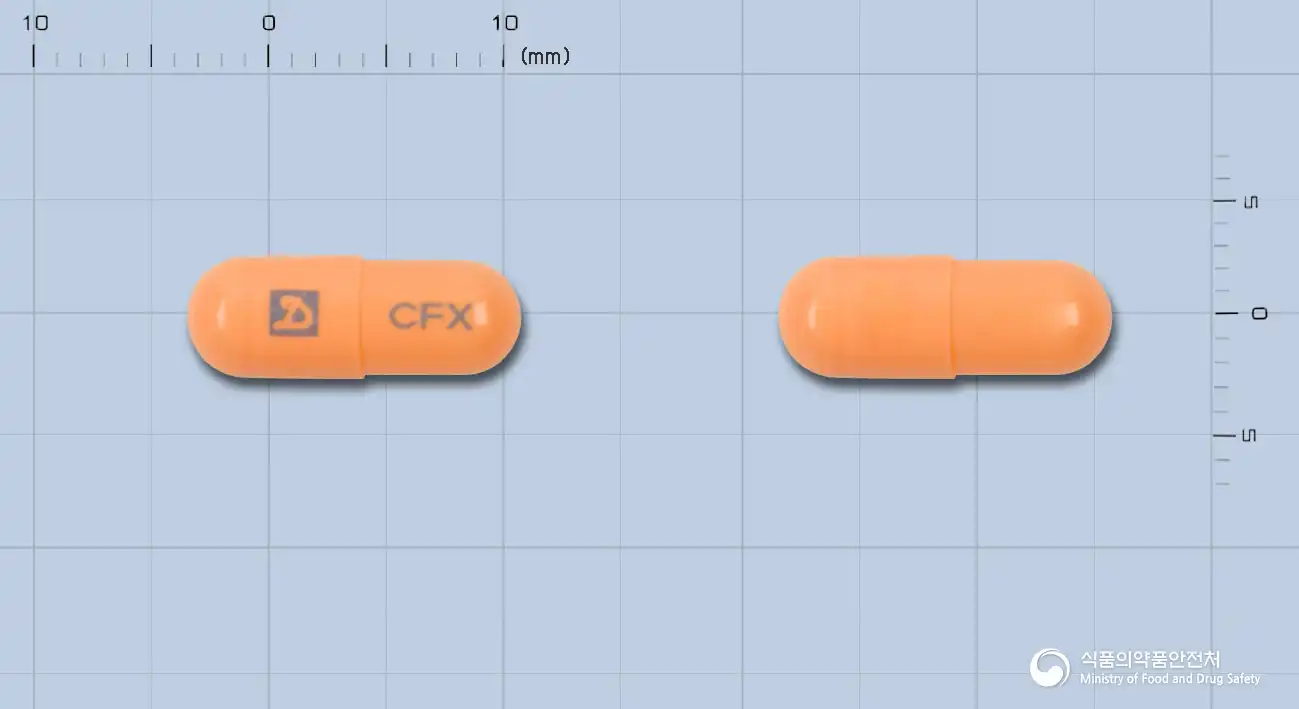
Cefixime Hydrate 100mg
Hard capsule · Prescription medication
Donggu Biopharmaceutical Co., Ltd.
Even with the same ingredient, the dose and directions can differ by strength and dosage form. Talk to a doctor or pharmacist before switching from a medication you are already taking.
No questions yet.
For anything that needs medical judgment, consult a doctor or pharmacist.
This drug information is based on data provided by the Korea Ministry of Food and Drug Safety.
Consult a doctor or pharmacist for accurate dosage, administration, and usage instructions.