
 한국어
 English
 日本語
 中文(简体)
 Viewing now
Carvedilol Sustained-Release Capsules 32 mg (Carvedilol)
Carvedilol 32mg
Hard capsule · Prescription medication
Hanmi Pharmaceutical Co., Ltd.
MFDS item code 201404426 · Approved 2014.09.26 · Insurance code 643507000
Treatment of hypertension and heart disease (angina and heart failure); heart rate control in atrial fibrillation
This medication is used for the treatment of essential hypertension, chronic stable angina, as an adjunct therapy for congestive heart failure, and for heart rate control in patients with atrial fibrillation.
This medicine is administered orally with meals. Do not increase the dose or discontinue administration without a physician’s instructions. This medicine is an extended-release formulation, so do not break, crush, or chew it; swallow the capsule whole. For reference, the daily doses of this medicine (extended-release formulation) corresponding to those of conventional carvedilol formulations are as follows. Daily dose of conventional formulation / Daily dose of extended-release formulation Twice daily, 3.125 mg per dose / Once daily, 8 mg per dose Twice daily, 6.25 mg per dose / Once daily, 16 mg per dose Twice daily, 12.5 mg per dose / Once daily, 32 mg per dose Twice daily, 25 mg per dose / Once daily, 64 mg per dose Twice daily, 50 mg per dose / Once daily, 128 mg per dose 1. Essential hypertension 1) Adults: Administer 16 mg of this medicine once daily for 2 days, then increase the dose to 32mg once daily. The usual dose is 32 mg once daily for 2 weeks; if the effect is insufficient, the dose may be increased to 64mg once daily. The maximum daily dose of this medicine is 64mg. 2) Elderly patients: Administration of 16 mg of this medicine once daily may provide a sufficient therapeutic effect. If the effect is insufficient after 2 weeks of treatment, the dose may be increased. Administer with caution while monitoring the patient's condition. 2. Chronic stable angina 1) For the first 2 days, administer 32 mg of carvedilol once daily, then administer 64 mg once daily. 2) The usual dose is 64 mg once daily for 2 weeks. If an increase is necessary (except in elderly patients), administer 128 mg once daily. 3. Congestive heart failure 1) The usual initial treatment is 8 mg of carvedilol once daily for 2 weeks. If the patient tolerates this treatment well, increase the dose to 16 mg once daily and administer for 2 weeks, then increase to 32 mg once daily and administer for 2 weeks, and then increase to 64 mg once daily. 2) After taking each dose for at least 2 weeks, increase the dose gradually up to the maximum dose tolerated by the patient. 3) The minimum effective dose of this medicine is 16 mg once daily. The maximum dose is 64 mg once daily for patients weighing 85 kg or less, and 128 mg once daily for patients weighing 85 kg or more. 4. Heart rate control in patients with atrial fibrillation Administer 8mg of this medicine once daily. If the effect is insufficient after 2 weeks of treatment, administer 16mg once daily. If the effect is insufficient after 2 weeks of treatment, administer 32mg once daily.
This medication should be avoided in certain patients. First, those allergic to this medication or its components, those with cardiogenic shock, heart conduction abnormalities, cor pulmonale, severely weakened heart function, respiratory diseases such as asthma or chronic obstructive pulmonary disease should not take it. Additionally, it is safest for patients with diabetic ketoacidosis, severe liver dysfunction, women who are pregnant or breastfeeding, and those with peripheral circulation disorders to avoid this medication. Some patients should take this medication with caution. For example, patients with diabetes, those with a history of hypersensitivity reactions or skin disorders due to beta-blockers, individuals with low blood pressure or poor kidney function, elderly patients, and those with acute heart disease should take it under careful observation by a physician. This drug can cause various side effects such as dizziness, headache, fatigue, decreased heart rate, blood pressure drop, digestive disorders, skin rash, etc. Particularly, cardiac-related adverse reactions may occur, so regular cardiac function tests and monitoring of blood pressure and heart rate are necessary. Women who are pregnant or breastfeeding should avoid this medication as it may affect the fetus or newborn, and safety in children and adolescents has not been established. Elderly patients may experience increased medication concentrations due to impaired liver function, so they should start with a lower dose and take it cautiously. In case of overdose, serious symptoms such as blood pressure drop, decreased heart rate, cardiac function decline, and difficulty breathing may occur, requiring immediate medical attention. This medication interacts with many other drugs, so if there are other medications being taken, it is essential to consult a doctor or pharmacist. Particularly, caution is advised when used together with antihypertensives, diabetes medications, antidepressants, and antiarrhythmics. Regular tests of cardiac, liver, and kidney functions are required during long-term use of this medication, and sudden cessation may worsen symptoms, so dosage should be gradually reduced under physician's instructions. Dizziness or drowsiness may occur during use, so caution is needed when driving or operating machinery.
Dizziness, headache, fatigue, weakness, hallucinations, confusion, depression, sleep disturbances, nightmares, psychosis, severe bradycardia, shock, complete atrioventricular block, heart failure, cardiac arrest, significant decrease in blood pressure, loss of consciousness, decreased pulse rate, cold extremities, edema, worsening of heart failure, worsening of renal function, renal failure, increased respiratory airway resistance, nausea, diarrhea, abdominal pain, vomiting, constipation, urticaria, itching, lichenoid reaction, allergic rash, changes in serum aminotransferases, thrombocytopenia, leukopenia, hypoglycemia, masking of hyperthyroidism, hyperglycemia, weight gain, increased blood cholesterol, bradycardia, hypotension, shortness of breath, hypertension in angina, hepatic impairment, jaundice, limb pain, decreased tear production, sensory impairment, visual impairment, eye irritation, dry mouth, urinary disorder, sexual dysfunction, allergic reaction, increased triglycerides, elevated blood glucose, dyspepsia, memory impairment, dizziness, peripheral neuropathy, difficulty breathing, nosebleed, cough, wet cough, nasopharyngitis, tinea corporis, soft tissue infection, chronic tonsillitis, diverticulitis, onychomycosis, sepsis, upper respiratory tract infection, abdominal discomfort, upper abdominal pain, palpitations, chest discomfort, chest pain, fatigue, conjunctival injection, ligament sprain, joint swelling, pruritus, facial flushing, decrease in blood pressure, increase in serum uric acid, increased N-terminal brain natriuretic peptide prohormone, nausea, chest discomfort, leg edema, chest pain, cold, seasonal rhinitis, dry cough, sinusitis, rhinitis, upper respiratory tract infection, migraine, blood pressure fluctuations, hypertension control failure, sting, lipoma
Not everyone experiences these, and they can vary from person to person.
This medication may be sensitive to light, so it should be stored in a container that does not allow light in. Additionally, it is recommended to keep it at room temperature between 1 and 30 degrees Celsius. This will help maintain the drug's efficacy over time.
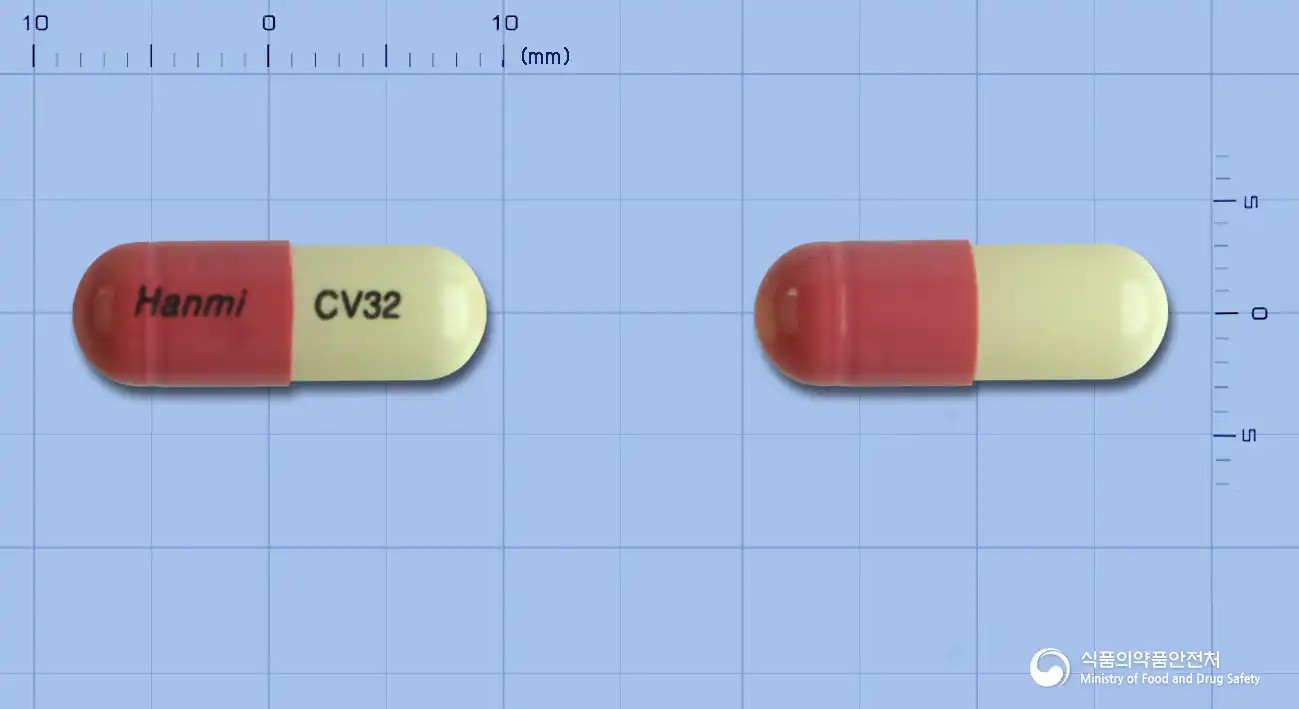
A hard capsule with a red-brown upper and light yellow lower part containing white to pale yellow immediate-release and sustained-release granules
30 capsules/bottle
Even with the same ingredient, strength, dosage form and how it is taken can differ.
Viewing nowCarvedilol 32mg
Hard capsule · Prescription medication
Hanmi Pharmaceutical Co., Ltd.
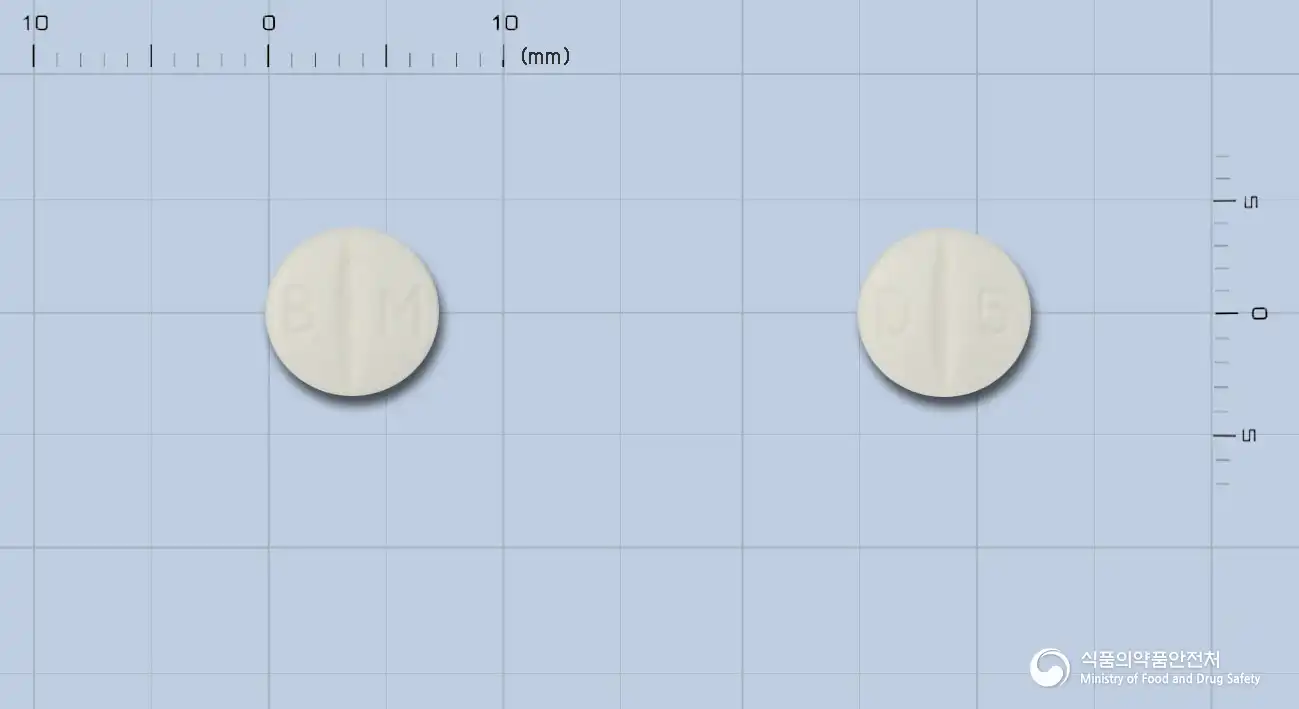
Carvedilol 25mg
Tablet · Prescription medication
Jongkun Dang Co., Ltd.
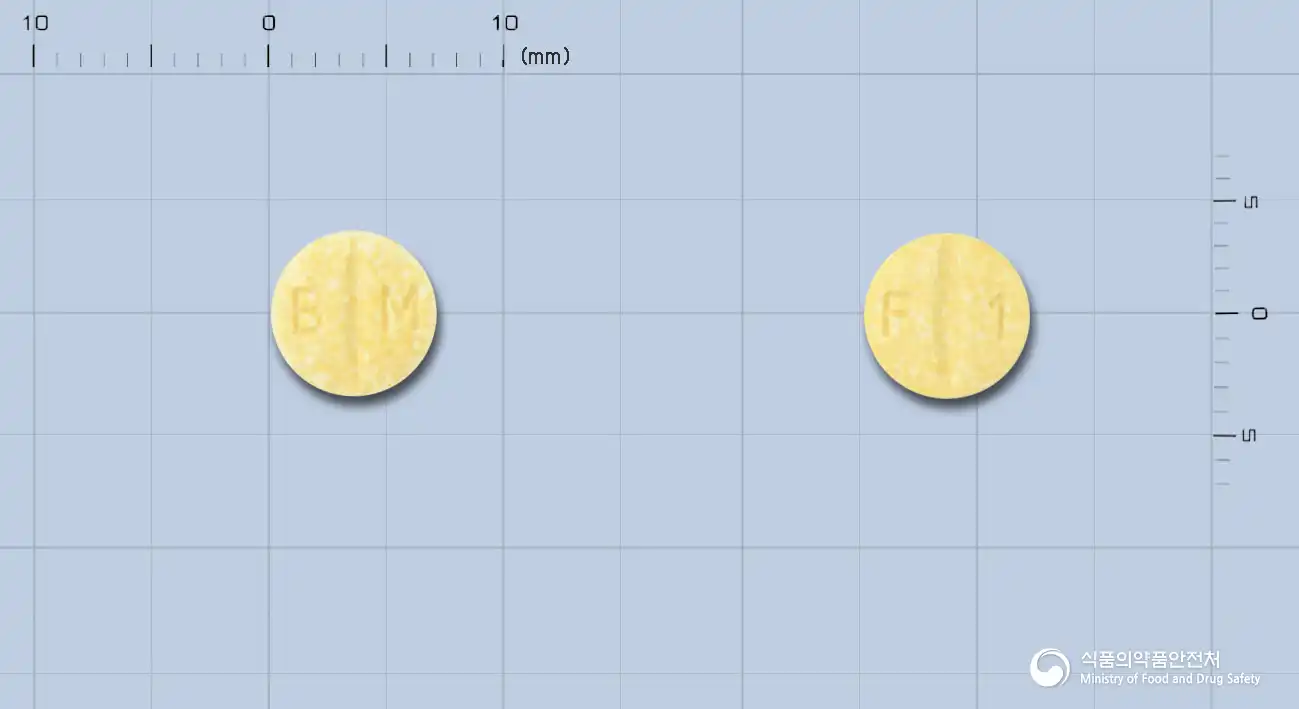
Carvedilol 6.25mg
Tablet · Prescription medication
Jongkundang Co., Ltd.
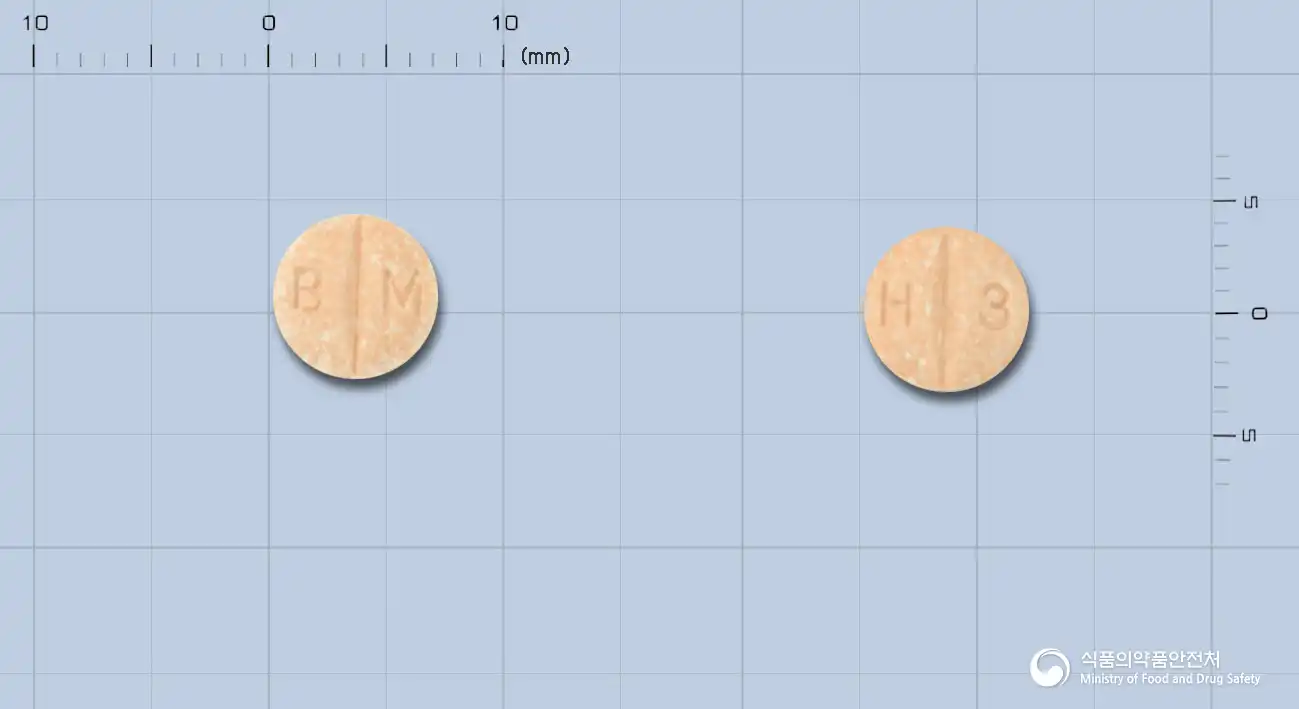
Carvedilol 12.5mg
Tablet · Prescription medication
Jongkundang Co., Ltd.
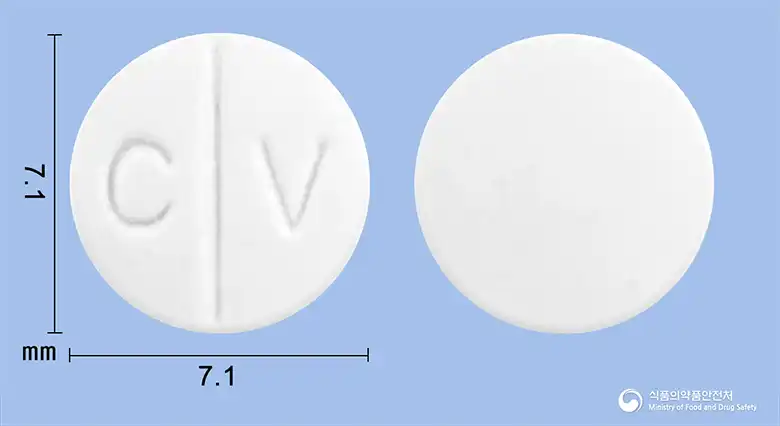
Carvedilol 25mg
Tablet · Prescription medication
Hanmi Pharmaceutical Co., Ltd.
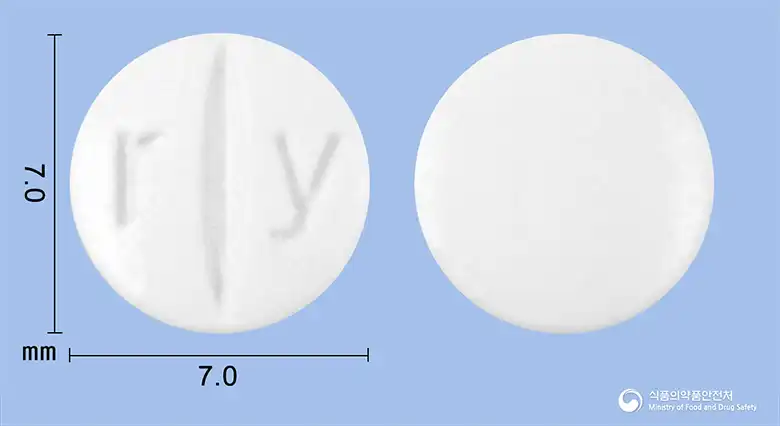
Carvedilol 25mg
Tablet · Prescription medication
Lee Yeon Pharmaceuticals Co., Ltd.
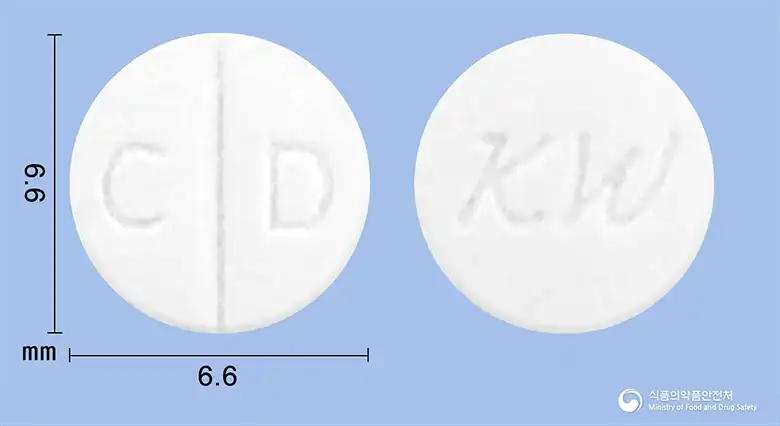
Carvedilol 25mg
Tablet · Prescription medication
Albozen Korea Co., Ltd.
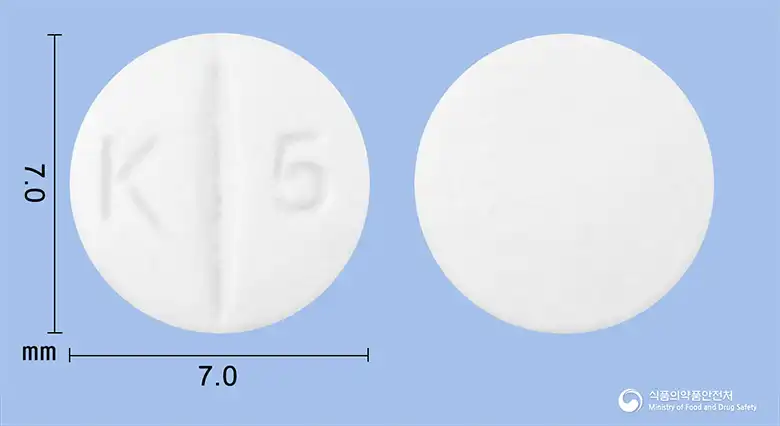
Carvedilol 25mg
Tablet · Prescription medication
Myungin Pharmaceutical Co., Ltd.
Even with the same ingredient, the dose and directions can differ by strength and dosage form. Talk to a doctor or pharmacist before switching from a medication you are already taking.
No questions yet.
For anything that needs medical judgment, consult a doctor or pharmacist.
This drug information is based on data provided by the Korea Ministry of Food and Drug Safety.
Consult a doctor or pharmacist for accurate dosage, administration, and usage instructions.