
 한국어
한국어 English
 日本語
日本語 中文(简体)
 Viewing now
H2B Tablet 200 mg (Cimetidine)
Cimetidine 200mg
Tablet · Prescription medication
JW Pharmaceutical Co., Ltd.
MFDS item code 201403952 · Approved 2014.08.25 · Insurance code 644102510
Improvement of gastric and duodenal ulcers and gastric mucosal lesions (erosion, bleeding, etc.)
This medication is used for the treatment of diseases such as ulcers of the stomach and duodenum, gastroesophageal reflux disease, recurrent ulcers, anastomotic ulcers after surgery, and Zollinger-Ellison syndrome. It also helps improve gastric mucosal lesions such as erosion, bleeding, redness, and swelling that occur during acute exacerbation of acute gastritis and chronic gastritis. Therefore, this drug is effective in alleviating and treating the symptoms of various gastrointestinal disorders.
As Cimetidine, take 400 mg orally twice a day (morning and at bedtime) or take 800 mg once at bedtime. Additionally, take 300 mg orally four times a day (after meals and at bedtime). The dose can be increased to a total of 1.6 g daily (400 mg four times a day after meals and at bedtime). During acute exacerbations of acute gastritis and chronic gastritis, administer either 200 mg twice a day or 400 mg once daily.
Administer 20 to 40 mg per kg of body weight divided into oral doses daily.
If this drug is in injectable form, care should be taken to prevent glass fragments from mixing in when cutting the glass container. Extra caution is necessary, especially when used by children or the elderly. People who have had allergies or hypersensitivity reactions to the ingredients in this medication should not take it. It may be dangerous to use this drug together with certain heart arrhythmia treatments, so those should not be used concomitantly. Patients with weak kidney or liver function, the elderly, children under 19 years old, and those undergoing dialysis need dose and interval adjustments when taking this medication. This drug can mask symptoms of gastric cancer, therefore it should be administered only after ruling out gastric cancer. In patients with gastric and duodenal ulcers who test positive for Helicobacter pylori, eradication therapy should be undertaken simultaneously. This drug may cause various side effects such as a decrease in blood cell counts, liver function abnormalities, kidney problems, allergic reactions, endocrine abnormalities, digestive disorders, nervous system issues, cardiac rhythm disturbances, and severe skin reactions. If such symptoms occur, use should be discontinued immediately and medical attention should be sought. During treatment, the course of the illness should be closely monitored, only the minimum effective dose should be used, and if ineffective, alternative treatments should be considered. Particularly in the elderly or those with chronic conditions, there may be an increased risk of pneumonia that should be cautiously monitored. When used with other medications, there can be numerous interactions that may alter serum drug concentrations, therefore dose adjustments should be discussed with a physician or pharmacist. Women who are pregnant or may become pregnant should carefully consider the benefits and risks of using this drug, and it is advisable to discontinue breastfeeding while taking it. The safety of this drug in pediatric populations has not been fully established, therefore it should only be used when absolutely necessary. The elderly may experience increased drug concentrations due to decreased kidney function, requiring dose reductions or extending intervals. In case of overdose, there is a risk of respiratory depression and emergency treatment should be sought immediately, and injection should be administered slowly to reduce the risk of side effects. This medication should be stored out of reach of children and should not be transferred to other containers.
General malaise, weakness, subcutaneous hemorrhage, mucosal hemorrhage, fever (initial symptoms of hematologic abnormalities), jaundice, shock, anaphylaxis-like reactions, dyspnea, rash (allergic reactions), consciousness disturbances, convulsions, delirium (anxiety, psychosis, depression, agitation, hallucinations, loss of orientation), skin and mucous membrane syndrome, toxic epidermal necrolysis, epidermal necrosis, erythema multiforme, generalized exfoliative erythroderma, acute renal failure, severe edema associated with elevated blood pressure
Not everyone experiences these, and they can vary from person to person.
This medication should be stored in a tightly closed container to prevent air or moisture ingress. It is important to maintain storage temperatures between 1 degrees and 30 degrees Celsius.
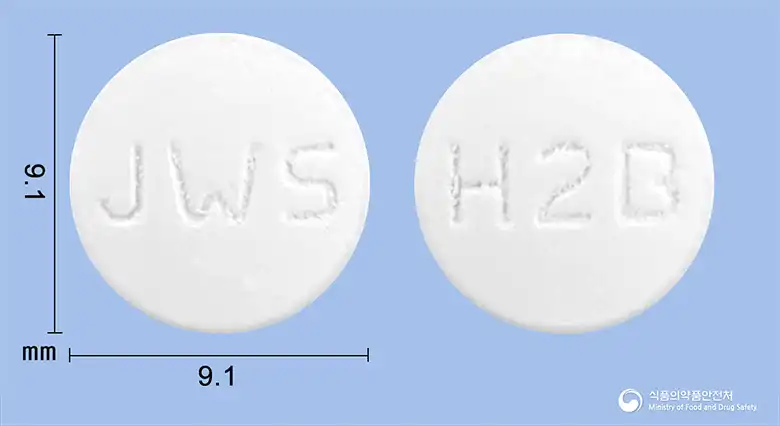
White, round, film-coated tablet
1000 tablets/bottle
Even with the same ingredient, strength, dosage form and how it is taken can differ.
Viewing nowCimetidine 200mg
Tablet · Prescription medication
JW Pharmaceutical Co., Ltd.
Cimetidine 200mg
Tablet · Prescription medication
Ildong Pharmaceutical Co., Ltd.

Cimetidine 200mg
Tablet · Prescription medication
International Pharmaceutical Co., Ltd.
Cimetidine 100mg
Prescription medication
(Company) Yuhan Corporation

Cimetidine 200mg
Tablet · Prescription medication
Donghwa Pharmaceutical Co., Ltd.

Cimetidine 200mg
Tablet · Prescription medication
Bukwang Pharmaceutical Co., Ltd.
Cimetidine 200mg
Tablet · Prescription medication
Bionex Co., Ltd.

Cimetidine 300mg
Tablet · Prescription medication
Bukwang Pharmaceuticals Co., Ltd.
Even with the same ingredient, the dose and directions can differ by strength and dosage form. Talk to a doctor or pharmacist before switching from a medication you are already taking.
No questions yet.
For anything that needs medical judgment, consult a doctor or pharmacist.
This drug information is based on data provided by the Korea Ministry of Food and Drug Safety.
Consult a doctor or pharmacist for accurate dosage, administration, and usage instructions.