
 한국어
한국어 English
 日本語
日本語 中文(简体)
Dosage form image
Viewing nowCombinationMaxcilin Duo Syrup (Amoxicillin·Clavulanate Potassium (7:1))
Amoxicillin Hydrate 36.326g · Dilute Potassium Clavulanate 10.352g
Syrup · Prescription medication · Combination
Albogene Korea Co., Ltd.
MFDS item code 201403890 · Notified 2014.08.20
This product's status changed to Approval withdrawn on 2025.03.31. It may no longer be sold, so consult a doctor or pharmacist before taking it.
(Respiratory infection, urinary infection) treatment and (skin infection) relief
This medication is used for various infections caused by different types of bacteria. It helps treat acute or chronic bronchitis, pneumonia, pulmonary abscess, and empyema. It is also effective against upper respiratory infections such as tonsillitis, sinusitis, and otitis media. Furthermore, it is used for urinary infections such as cystitis, urethritis, pyelonephritis, as well as pelvic infections and gonorrhea. It is widely used for treating abscesses, cellulitis, wound infections, osteomyelitis, and dental infections, aiding recovery from infections. Overall, it functions as an effective antibiotic for treating various infectious diseases.
For recurrent tonsillitis and other upper respiratory infections, lower respiraory infections, urinary infections, and skin or soft tissue infections of mild to moderate severity, take 25 mg/3.6 mg per day per kg of body weight divided into two doses. For upper respiratory infections like otitis media and sinusitis, lower respiratory infections like bronchopneumonia, and severe urinary infections, take 45 mg/6.4 mg per day per kg of body weight divided into two doses. To minimize potential gastrointestinal intolerance, it is recommended to take it at the beginning of meals.
The 7:1 syrup is not suitable for children under 2 months of age and is also not suitable for pediatric patients with renal impairment.
This medicine should not be used in patients with a history of hypersensitivity to penicillin or beta-lactam antibiotics. Caution is especially needed in cases with a history of severe allergic reactions such as anaphylaxis, Stevens-Johnson syndrome, or shock. It is advisable to avoid this medication in patients with infectious mononucleosis or lymphocytic leukemia due to an increased risk of rash. Patients with a history of liver dysfunction or jaundice should also use this medicine cautiously, as symptoms may recur. Patients with liver impairment should use it with caution due to the potential for worsened liver function. Moderately to severely impaired kidney patients may retain the drug in the body for a longer time, necessitating adjusted dosing intervals. Allergic individuals or those with asthma, rashes, or urticaria should use this medication cautiously. Patients who cannot take medicines orally, those receiving non-oral nutrition, elderly patients, or those in poor general condition may be at risk for bleeding due to vitamin K deficiency and should be observed. Patients with gastrointestinal symptoms such as vomiting or diarrhea may not absorb the medication adequately. Gastrointestinal side effects may include diarrhea, vomiting, abdominal pain, with the potential for serious colitis, such as pseudomembranous colitis, necessitating immediate cessation of use upon symptom occurrence. Liver function abnormalities may occur, particularly more frequently in elderly men; regular liver function tests are advised. Rarely, skin rashes, itching, or severe skin reactions may occur, and if these symptoms arise, immediate cessation of the medication and medical attention are required. Hematological abnormalities such as leukopenia, thrombocytopenia, and anemia may rarely occur, warranting caution. Central nervous system symptoms such as restlessness, anxiety, and seizures have been rarely reported, especially in patients with decreased renal function who are at risk of seizures, thus requiring attention. Impaired kidney function or acute renal failure may develop, necessitating regular renal function tests. This medication may affect the intestinal microbiota, potentially leading to disturbances such as candidiasis, requiring appropriate measures in case of symptom occurrence. Rarely, bleeding tendencies due to vitamin K deficiency or vitamin B complex deficiency symptoms may appear, warranting observation. Tooth discoloration may rarely occur; adherence to good oral hygiene can help prevent it. To prevent the emergence of antibiotic-resistant bacteria, it is essential to administer this drug for the minimum required duration following sensitivity testing. Severe allergic reactions may present, necessitating close observation of the patient post-administration; rapid and appropriate treatment should be provided in emergencies. Be aware of the potential for pseudomembranous colitis, and if diarrhea or abdominal cramping occurs, immediate cessation of use is required. With prolonged use, there is a risk of non-susceptible organism overgrowth; therefore, careful monitoring is necessary for treatment lasting longer than 14 days. Abnormalities in liver function tests have been reported, urging patients with liver dysfunction to be especially cautious, and it is preferable not to exceed 14 days of treatment. Dose adjustments are necessary for patients with moderately severe renal impairment. This medication should be avoided if infectious mononucleosis is suspected. If skin rashes, urticaria, or serum sickness symptoms appear, treatment should be promptly ceased and medical guidance should be followed. Regular monitoring of kidney, liver, and hematopoietic function is necessary with prolonged treatment. It is crucial to check for a history of penicillin or other allergies prior to use. Shake well before administration, store in the refrigerator after preparation, and use within 7 days. In the event of overdose, gastrointestinal symptoms and central nervous system symptoms may occur, requiring immediate cessation of the drug and appropriate treatment. Avoid administration during early pregnancy, and during pregnancy, it should only be used when the benefits outweigh the risks. Nursing mothers should discontinue use if adverse symptoms appear in the infant, as they may experience side effects. Exercise caution when using in premature infants and neonates, as safety has not been established. Elderly patients are at a higher risk of adverse reactions due to decreased physiological function; dosing and administration intervals should be adjusted. This medication may also affect the results of certain clinical tests, so care must be taken during testing. There may be interactions with other medications; inform your doctor or pharmacist of any medications you are taking.
Urticaria, severe swelling (edema), chest tightness, difficulty breathing, cold sweat, pallor, severe allergic reactions, severe rash with high fever, blisters, skin peeling, pain in mucous membranes of mouth/eyes, severe skin adverse reactions, shortness of breath or difficulty breathing, asthma attack, respiratory distress accompanied by coughing and fever, yellowing of skin or eyes (jaundice), severe lethargy, liver abnormalities (jaundice), sudden and very severe
Not everyone experiences these, and they can vary from person to person.
This medicine should be stored in a tightly sealed container to prevent air and moisture from entering. The appropriate storage temperature is in a cool place between 1 and 25 degrees.
A whitish powder with a unique smell used in reconstituted syrup form
50mL/bottle x 1
Even with the same ingredient, strength, dosage form and how it is taken can differ.
Amoxicillin Hydrate 36.326g · Dilute Potassium Clavulanate 10.352g
Syrup · Prescription medication · Combination
Albogene Korea Co., Ltd.
 Combination
Amoxicillin Hydrate 500mg · Dilute Potassium Clavulanate 215.52mg
Tablet · Prescription medication · Combination
Geonil Pharmaceutical Co., Ltd.
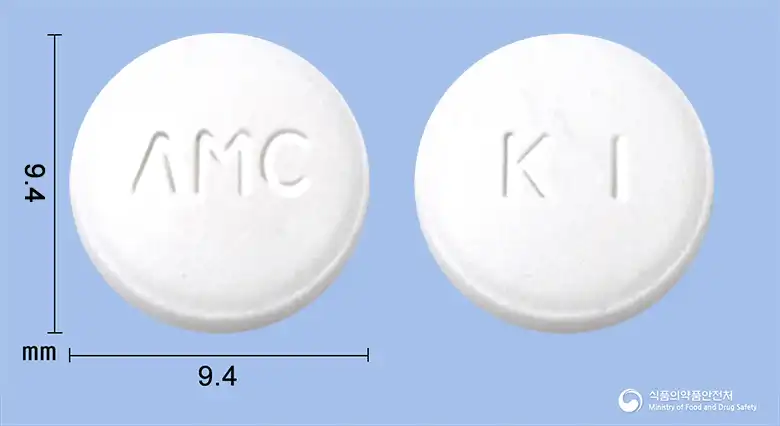 Combination
Amoxicillin Hydrate 125mg · Dilute Potassium Clavulanate 107.76mg
Tablet · Prescription medication · Combination
Geonil Pharmaceutical Co., Ltd.
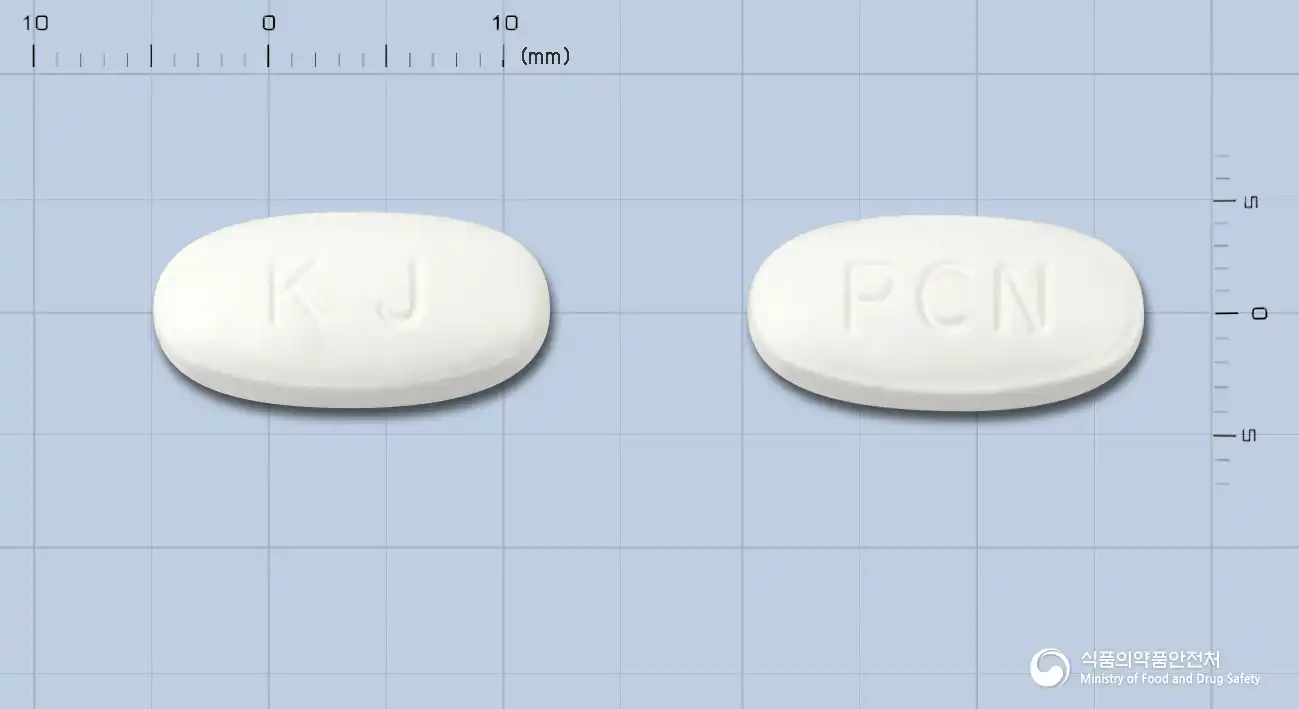 Combination
Amoxicillin Hydrate 250mg · Dilute Potassium Clavulanate 212.73mg
Tablet · Prescription medication · Combination
International Pharmaceutical Co., Ltd.
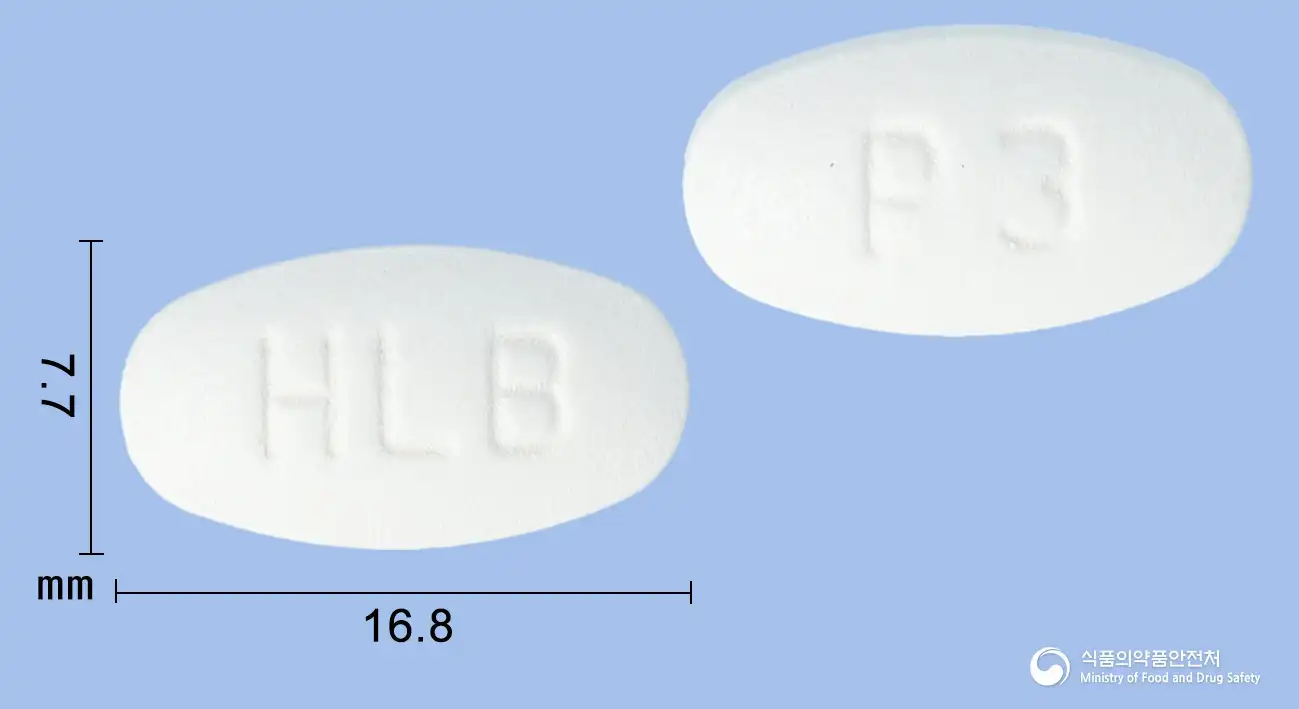 Combination
Amoxicillin Hydrate 250mg · Dilute Potassium Clavulanate 215.52mg
Tablet · Prescription medication · Combination
HLB Pharmaceutical Co., Ltd.
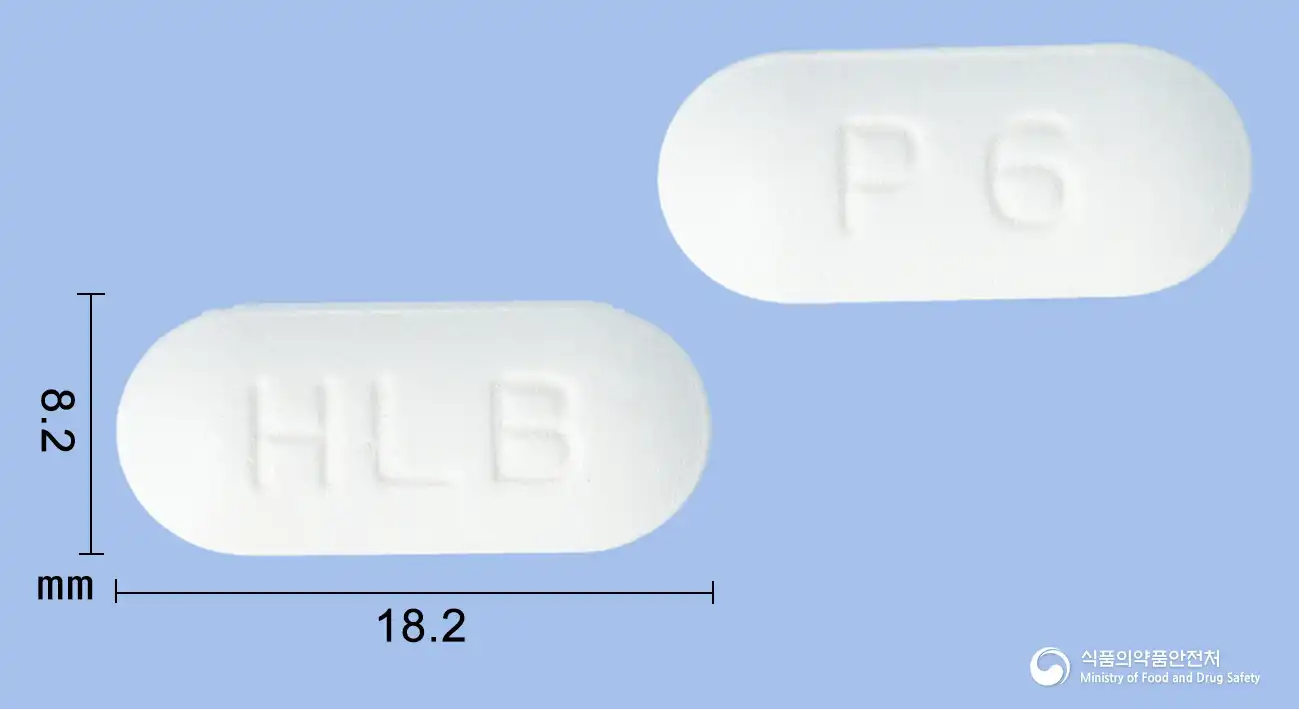 Combination
Amoxicillin Hydrate 500mg · Dilute Potassium Clavulanate 215.52mg
Tablet · Prescription medication · Combination
HLB Pharmaceuticals Co., Ltd.
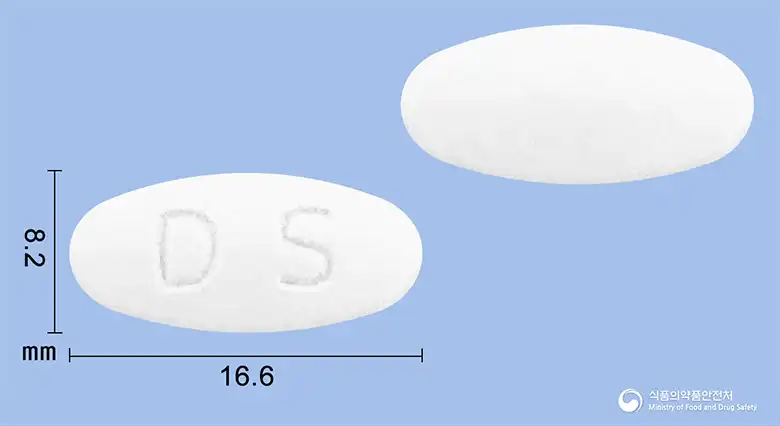 Combination
Amoxicillin Hydrate 250mg · Dilute Potassium Clavulanate 215.52mg
Tablet · Prescription medication · Combination
Dong Sung Pharmaceutical Co., Ltd.
 Combination
Amoxicillin Hydrate 250mg · Dilute Potassium Clavulanate 212.73mg
Tablet · Prescription medication · Combination
Youngjin Pharmaceutical Co., Ltd.
Even with the same ingredient, the dose and directions can differ by strength and dosage form. Talk to a doctor or pharmacist before switching from a medication you are already taking.
No questions yet.
For anything that needs medical judgment, consult a doctor or pharmacist.
This drug information is based on data provided by the Korea Ministry of Food and Drug Safety.
Consult a doctor or pharmacist for accurate dosage, administration, and usage instructions.