
 한국어
 English
 日本語
 中文(简体)
 Viewing now
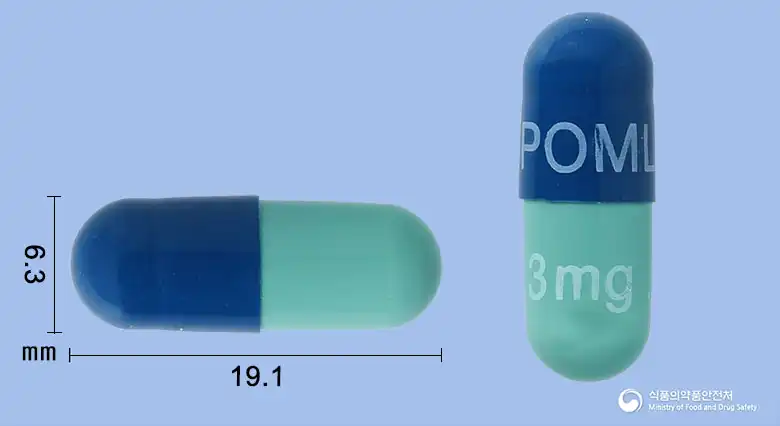
Pomalyst Capsule 3 mg (Pomalidomide)
Pomalidomide 3mg
Hard capsule · Prescription medication
Korea BMS Pharmaceutical Co., Ltd.
MFDS item code 201403607 · Approved 2014.08.04 · Insurance code 658700880,691800110
Combination therapy for previously treated multiple myeloma
This medication is used for patients with multiple myeloma who have previously received several treatments including lenalidomide and bortezomib. It is particularly effective in cases of relapsed or refractory disease and is administered in combination with dexamethasone to enhance therapeutic effect. This helps to effectively control disease progression and improve symptoms in multiple myeloma patients.
1. In combination with bortezomib and dexamethasone for the treatment of patients with multiple myeloma who have received one or more prior therapies, including lenalidomide The recommended initial dose of this drug is 4 mg orally once daily on Days 1–14 of repeated 21-day cycles. The recommended initial dose of bortezomib is 1.3 mg/m2 once daily by intravenous or subcutaneous injection, and the recommended initial dose of dexamethasone is 20 mg once daily. Treatment with this drug in combination with bortezomib and dexamethasone should continue until disease progression or unacceptable toxicity occurs. Table 1. Recommended dosing schedule for this drug in combination with bortezomib and dexamethasone Cycles 1–8: On Days 1–14 of each 21-day cycle, this drug (4 mg) once daily; bortezomib (1.3 mg/m2) on Days 1, 4, 8, and 11; dexamethasone (20 mg) on Days 1, 2, 4, 5, 8, 9, 11, and 12. Cycle 9 and beyond: On Days 1–14 of each 21-day cycle, this drug (4 mg) once daily; bortezomib (1.3 mg/m2) on Days 1 and 8; dexamethasone (20 mg) on Days 1, 2, 8, and 9. To start a new cycle of treatment with this drug, the neutrophil count must be ≥1 x 10⁹/L and the platelet count must be ≥50 x 109/L. Neutropenia: ANC* <0.5 x 10⁹/L or febrile neutropenia (fever ≥38.5℃ and ANC <1 x 10⁹/L): Interrupt treatment with this drug and continue monitoring the complete blood count at 1-week intervals. Recovery to ANC ≥1 x 10⁹/L: Resume treatment with this drug at a dose 1 level lower than the previous dose. Each subsequent decrease to <0.5 x 10⁹/L: Interrupt treatment with this drug. Recovery to ANC ≥1 x 10⁹/L: Resume treatment with this drug at a dose 1 level lower than the previous dose. Thrombocytopenia: Platelet count <25 x 109/L: Interrupt treatment with this drug and continue monitoring the complete blood count at 1-week intervals. Recovery to platelet count ≥50 x 109/L: Resume treatment with this drug at a dose 1 level lower than the previous dose. Each subsequent decrease to <25 x 109/L: Interrupt treatment with this drug. Recovery to platelet count ≥50 x 109/L: Resume treatment with this drug at a dose 1 level lower than the previous dose. Rash: Grade 2–3 rash: Consider interrupting or discontinuing treatment with this drug. Grade 4 rash or blistering (if angioedema, an anaphylactic reaction, exfoliative or bullous rash, Stevens–Johnson syndrome, toxic epidermal necrolysis, or drug reaction with eosinophilia and systemic symptoms (DRESS) syndrome is suspected): Permanently discontinue treatment. Other adverse reactions related to this drug of Grade 3 or higher: Interrupt treatment with this drug until the adverse reaction resolves to ≤Grade 2. Resume treatment at a dose 1 level lower. * ANC - Absolute Neutrophil Count Use of growth factors should be considered in cases of neutropenia. Table 3. Dose reduction levels for this drug: Starting dose 4 mg; 1st dose reduction 3 mg; 2nd dose reduction 2 mg; 3rd dose reduction 1 mg. If an adverse reaction occurs after reduction to 1 mg, this medication should be discontinued. Dexamethasone dose reduction levels (≤75 years): Cycles 1–8: Days 1, 2, 4, 5, 8, 9, 11, and 12 of each 21-day treatment cycle; Cycle 9 and beyond: Days 1, 2, 8, and 9 of each 21-day treatment cycle. Initial dose 20 mg, 1st dose reduction 12 mg, 2nd dose reduction 8 mg. Dexamethasone dose reduction levels (>75 years): Cycles 1–8: Days 1, 2, 4, 5, 8, 9, 11, and 12 of each 21-day treatment cycle; Cycle 9 and beyond: Days 1, 2, 8, and 9 of each 21-day treatment cycle. Initial dose 10 mg, 1st dose reduction 6 mg, 2nd dose reduction 4 mg. If dexamethasone 8 mg in patients ≤75 years or dexamethasone 4 mg in patients >75 years is not tolerated, dexamethasone should be discontinued. 2. In combination with dexamethasone for the treatment of patients with relapsed or refractory disease who have received at least 2 prior therapies, including lenalidomide and bortezomib The recommended initial dose of this drug is 4 mg orally once daily on Days 1–21 of repeated 28-day cycles. The recommended dose of dexamethasone is 40 mg orally once daily on Days 1, 8, 15, and 22 of each 28-day treatment cycle. Treatment with this drug in combination with dexamethasone should continue until disease progression or unacceptable toxicity occurs. Dexamethasone dose modifications: Dyspepsia = Grade 1–2: Maintain the dose and treat with a histamine (H2) blocker or equivalent medication. If symptoms persist, reduce the dose by 1 level. Dyspepsia ≥Grade 3: Interrupt dosing until symptoms are controlled. Add a histamine (H2) blocker or equivalent medication, and reduce the dose by 1 level when treatment is resumed. Edema ≥Grade 3: Use a diuretic if necessary and reduce the dose by 1 level. Confusion or mood changes ≥Grade 2: Interrupt dosing until symptoms resolve. Reduce the dose by 1 level when treatment is resumed. Muscle weakness ≥Grade 2: Interrupt dosing until muscle weakness is ≤Grade 1. Resume treatment at a dose reduced by 1 level. Hyperglycemia ≥Grade 3: Reduce the dose by 1 level. Treat with insulin or an oral hypoglycemic agent if necessary. Acute pancreatitis: Discontinue the patient's dexamethasone treatment regimen. Other adverse reactions related to dexamethasone of ≥Grade 3: Interrupt dexamethasone dosing until the adverse reaction resolves to ≤Grade 2. Resume treatment at a dose reduced by 1 level. If recovery from toxicity takes more than 14 days, resume treatment at a dose 1 level lower than the previous dose. Table 6. Guidelines for dexamethasone dose modification: ≤75 years, Days 1, 8, 15, and 22 of each 28-day treatment cycle; >75 years, Days 1, 8, 15, and 22 of each 28-day treatment cycle. Initial dose: ≤75 years 40 mg, >75 years 20 mg. 1st dose reduction: ≤75 years 20 mg, >75 years 12 mg. 2nd dose reduction: ≤75 years 10 mg, >75 years 8 mg. If dexamethasone 10 mg in patients ≤75 years or dexamethasone 8 mg in patients >75 years is not tolerated, dexamethasone should be discontinued.
This medication poses a very high risk of causing serious birth defects if taken during pregnancy, so it must not be used by pregnant women or women who may become pregnant. This medication is structurally similar to thalidomide and can also cause birth defects, therefore women of childbearing potential must register in a pregnancy prevention program, undergo specified tests, and use two or more forms of contraception. There is a risk of significant decrease in white blood cell counts, making patients more susceptible to infections; thus, frequent blood tests must be conducted while taking this medication, and any fever or signs of infection should be reported to healthcare providers immediately. There is an increased risk of thrombosis, so patients with risk factors for thrombosis must be monitored carefully, and anticoagulation therapy may be initiated if necessary. Neurological symptoms such as dizziness or confusion may occur, hence, tasks requiring attention, such as driving or operating hazardous machinery, should be avoided. Severe allergic reactions or serious skin rashes, including anaphylaxis, may occur; if skin changes appear, treatment should be discontinued immediately and healthcare providers consulted. This medication may affect liver and kidney function, so patients with liver impairment or kidney impairment require dosage adjustments and regular function tests. Male patients must be aware that the medication is present in semen, and appropriate contraceptive measures such as condom use must be taken if their partner is of childbearing potential; sperm donation is prohibited. Safety and efficacy have not been established in children, hence the medication is not recommended for patients under 18 years of age. The capsules should be taken whole with water at the prescribed times; they must not be opened, crushed, or chewed. No specific harms from overdose have been reported, but if abnormal symptoms occur, healthcare providers must be informed immediately, and dialysis may be required for removal.
Neutropenia, anemia, thrombocytopenia, peripheral sensory neuropathy, pneumonia, fever, lower respiratory tract infection, influenza, acute kidney injury, dizziness, confusion, capillary edema, anaphylactic reaction, Stevens-Johnson syndrome, toxic epidermal necrolysis, drug rash with eosinophilia and systemic symptoms (DRESS syndrome), febrile neutropenia, treatment discontinuation due to thrombocytopenia, venous thromboembolism, deep vein thrombosis, atrial fibrillation, hypotension, dyspnea, cough, pulmonary embolism, diarrhea, vomiting, nausea, constipation, abdominal pain, stomatitis, dry mouth, abdominal distension, rash, muscle weakness, back pain, muscle cramps, acute kidney injury, chronic kidney injury, urinary retention, fatigue, peripheral edema, increased alanine aminotransferase, weight loss, falls, insomnia, depression, tremor, syncope, cataract, deep vein thrombosis, pulmonary embolism, pelvic pain, deep vein thrombosis, febrile neutropenia, pancytopenia, hypokalemia, hyperglycemia, hypomagnesemia, hypocalcemia, hypophosphatemia, hyperkalemia, hypercalcemia, altered mental status, decreased level of consciousness, dizziness, deep vein thrombosis, renal failure, urinary retention, pelvic pain, weakness, generalized edema, hyperhidrosis, seborrheic dermatitis, hepatotoxicity, hepatitis, reactivation of hepatitis B virus, shingles, gastrointestinal bleeding, cutaneous squamous cell carcinoma, subarachnoid hemorrhage, death, facial edema, worsening condition, delirium, sleep disorders
Not everyone experiences these, and they can vary from person to person.
This medication should be stored in a tightly closed container to protect it from air and moisture. It is advisable to maintain storage temperature between 1°C and 30°C at room temperature.
This medication comes in a hard capsule with a dark blue upper part and green lower part, containing yellow powder.
7 capsules/PTP [pack], 21 capsules/PTP [pack]
Even with the same ingredient, strength, dosage form and how it is taken can differ.
Viewing nowPomalidomide 3mg
Hard capsule · Prescription medication
Korea BMS Pharmaceutical Co., Ltd.
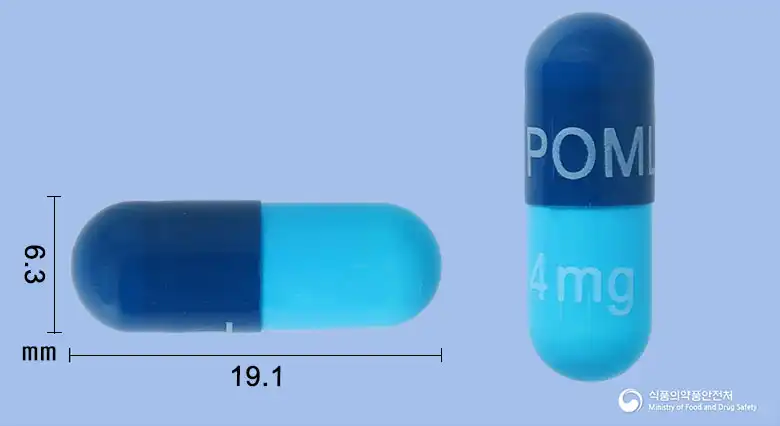
Pomalidomide 4mg
Hard capsule · Prescription medication
Korea BMS Pharmaceutical Co., Ltd.
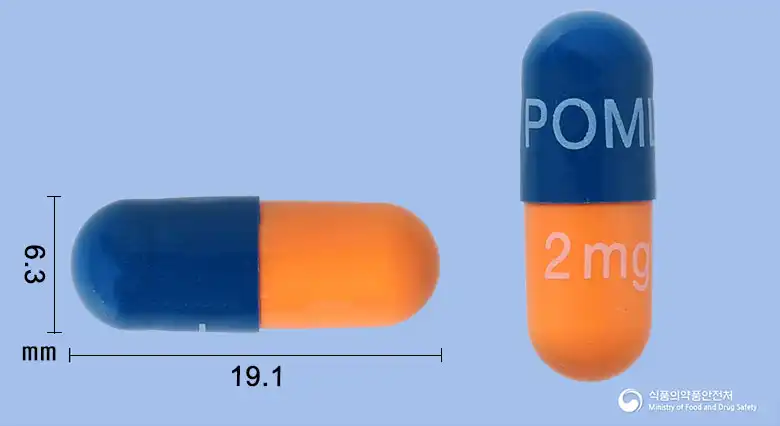
Pomalidomide 2mg
Hard capsule · Prescription medication
Korea BMS Pharmaceutical Co., Ltd.
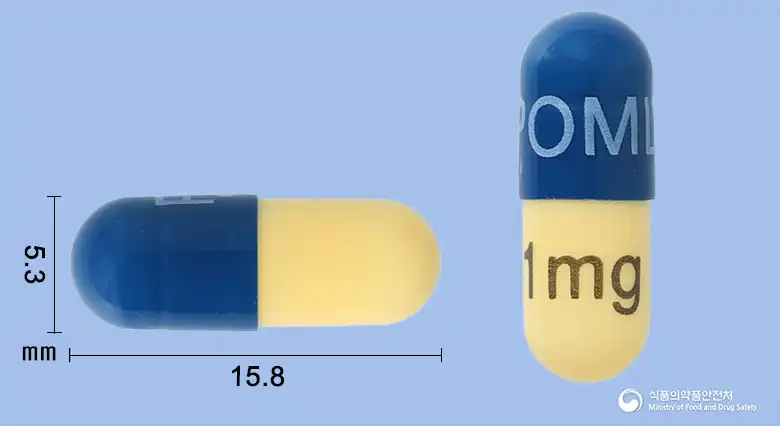
Pomalidomide 1mg
Hard capsule · Prescription medication
Korea BMS Pharmaceutical Co., Ltd.
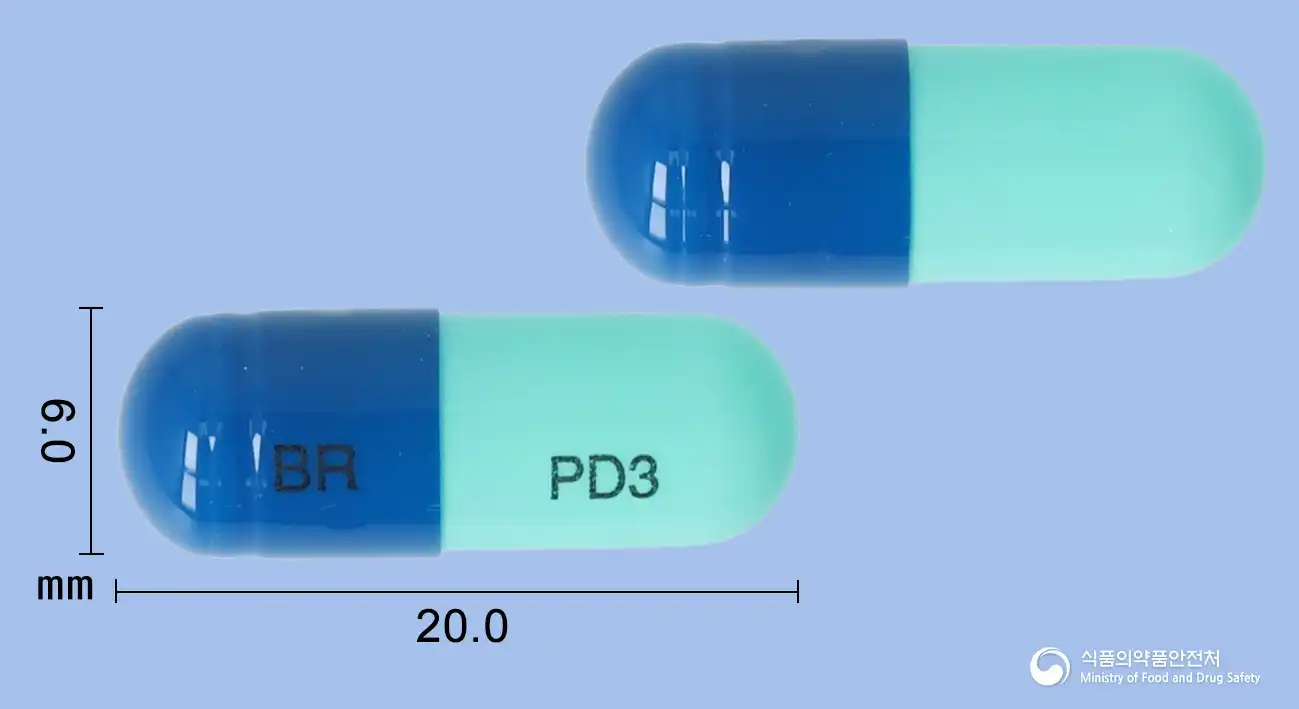
Pomalidomide 3mg
Prescription medication
Boryung Pharma Co., Ltd.
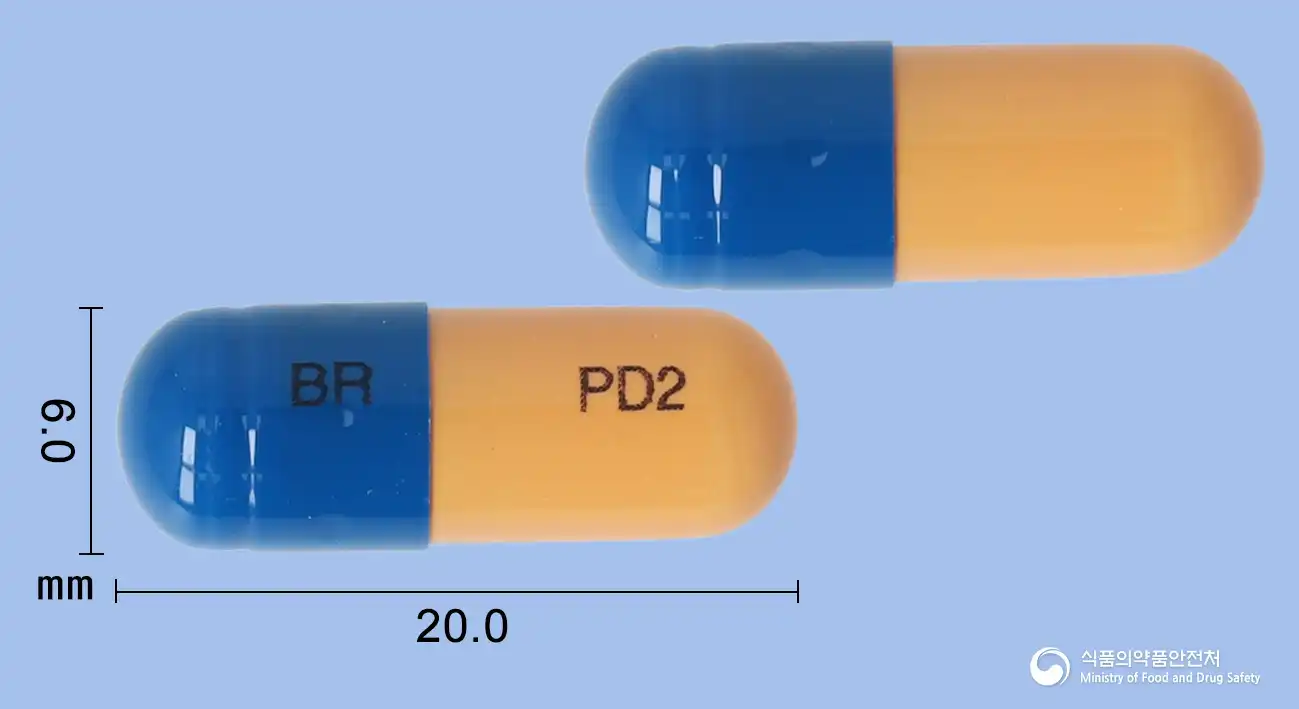
Pomalidomide 2mg
Prescription medication
Boryung Co., Ltd.
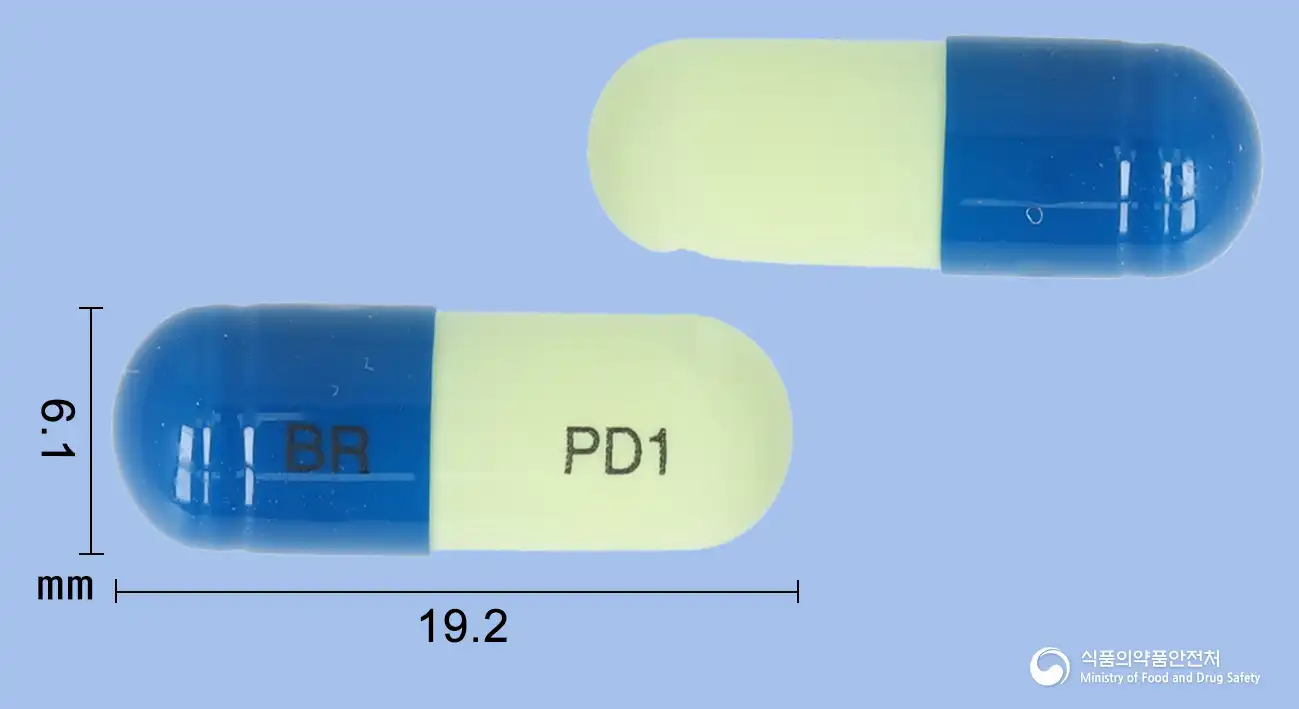
Pomalidomide 1mg
Prescription medication
Boryung Pharmaceutical Co., Ltd.
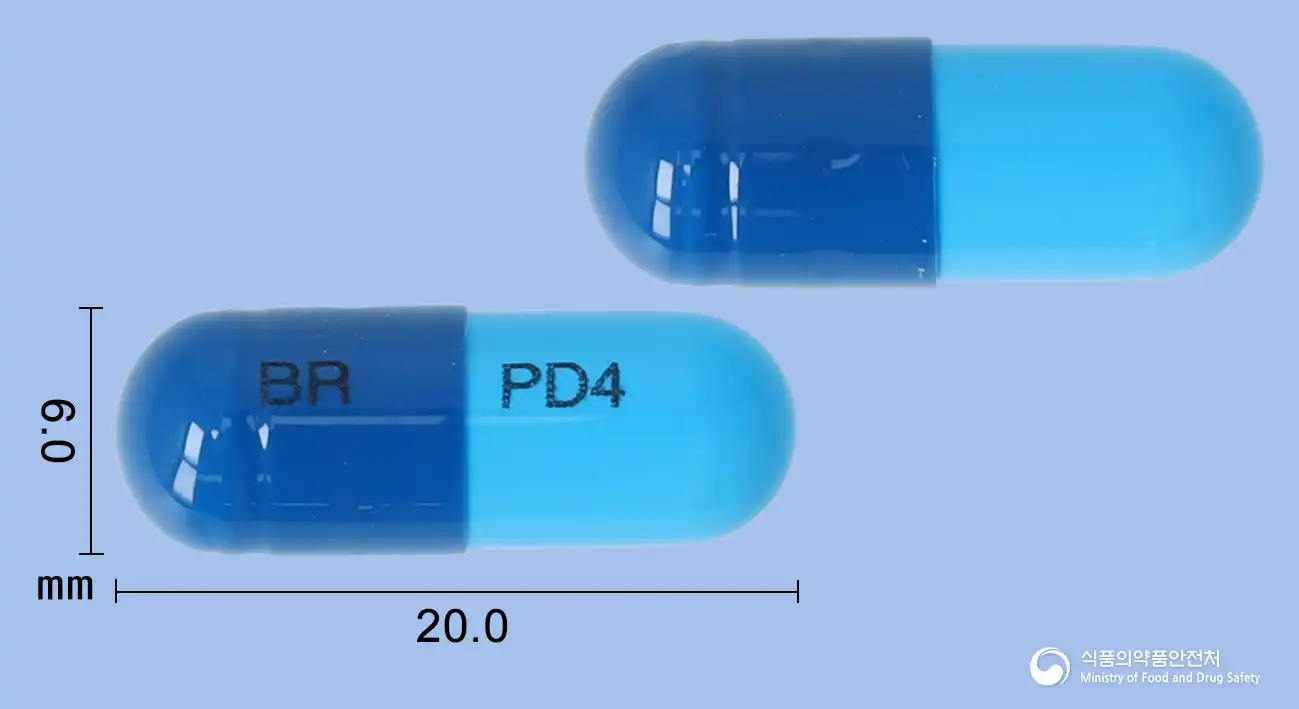
Pomalidomide 4mg
Prescription medication
Boryung Co., Ltd.
Even with the same ingredient, the dose and directions can differ by strength and dosage form. Talk to a doctor or pharmacist before switching from a medication you are already taking.
No questions yet.
For anything that needs medical judgment, consult a doctor or pharmacist.
This drug information is based on data provided by the Korea Ministry of Food and Drug Safety.
Consult a doctor or pharmacist for accurate dosage, administration, and usage instructions.