(Respiratory infections, Urogenital infections) Treatment and improvement of soft tissue infections
Who takes it
Adults
Adult dose
For severe infections and respiratory infections in adults, 2 tablets are administered orally every 12 hours, twice a day.
For patients with renal impairment, the dosage may be reduced based on the degree of kidney function.
For patients with severe renal impairment (glomerular filtration rate less than 30 mL/min), this medication cannot be administered.
(Respiratory infections, Urogenital infections) Treatment and improvement of soft tissue infections
Acute and chronic bronchitis
lobar pneumonia
empyema
lung abscess
tonsillitis
sinusitis
otitis media
cystitis
urethritis
pyelonephritis
pelvic infections
gonorrhea
View approved original textHide original text
This medication is effective against various bacterial infections and is used to treat respiratory infections such as acute and chronic bronchitis and pneumonia, as well as urinary tract infections including cystitis, urethritis, and pyelonephritis. It is also suitable for the treatment of gonorrhea, pelvic infections, abscesses and boils, soft tissue infections, wound infections, as well as osteomyelitis and dental infections. The antimicrobial action is excellent against various strains of staphylococcus, streptococcus, E. coli, Klebsiella, etc., helping to improve important symptoms of bacterial infections. Due to these characteristics, it is effectively used for the treatment of infections in patients.
How to take
Adult dose
For severe infections and respiratory infections in adults, 2 tablets are administered orally every 12 hours, twice a day.
For patients with renal impairment, the dosage may be reduced based on the degree of kidney function.
For patients with severe renal impairment (glomerular filtration rate less than 30 mL/min), this medication cannot be administered.
Precautions
This medication, being a beta-lactam antibiotic, should not be administered to patients allergic to penicillin or cephalosporin antibiotics.
Especially, patients with a history of severe allergic reactions such as anaphylaxis or Stevens-Johnson syndrome may be at risk if this medication is used.
Patients with infectious mononucleosis or lymphoblastic leukemia are at higher risk for developing rashes, so caution is advised.
Patients with a history of liver dysfunction should use this medication with caution due to the risk of worsening liver function.
For patients with moderate to severe renal dysfunction, the dosing interval should be adjusted as drug concentration may increase.
Patients with allergic tendencies or symptoms such as bronchial asthma and urticaria should also be cautious.
Elderly patients or those with poor nutritional status, as well as patients with gastrointestinal disorders accompanied by vomiting or diarrhea, may be at risk due to vitamin K deficiency or drug absorption issues.
This medication may cause gastrointestinal adverse reactions such as diarrhea, gastrointestinal discomfort, vomiting, and abdominal pain, and in rare cases, serious colitis may occur.
Increased liver enzyme levels, hepatitis, and cholestatic jaundice have also been reported, occurring more frequently in elderly patients or males.
Skin rash, itching, and in severe cases, serious skin reactions such as Stevens-Johnson syndrome or toxic epidermal necrolysis may occur, necessitating immediate cessation of the medication upon symptom onset.
Hematologic adverse reactions such as decreased blood cell counts, anemia, and thrombocytopenia may also occur infrequently, hence periodic testing is necessary.
Central nervous system reactions such as anxiety, restlessness, drowsiness, headaches, and rarely convulsions can occur, so attention should be paid to neurological symptoms if they arise.
Acute renal failure or nephritis-related adverse reactions have also been reported, necessitating regular monitoring of kidney function.
Antibiotic use may lead to opportunistic infections such as oral candidiasis, and vitamin K deficiency may lead to bleeding tendencies.
It is important to administer this medication only for the necessary duration to prevent the development of resistant strains.
Severe hypersensitivity reactions may lead to anaphylactic shock, so the patient's condition should be closely monitored post-administration.
Regular monitoring of liver and kidney function, as well as blood status, is advisable during long-term use.
Drug interactions may occur with other medications, so it is essential to inform the healthcare provider of any medications currently being taken.
Women in early pregnancy or pregnant should avoid using this medication, and breastfeeding mothers should be careful as side effects may occur in the infant.
Children under 12 years of age or weighing less than 40 kg are not recommended for use due to limited experience.
Elderly patients may experience adverse reactions more easily due to decreased physiological function, so dosage and frequency should be adjusted with caution.
Side effects and when to seek care immediately
Serious side effects
Hives, severe swelling (edema), chest tightness, difficulty breathing, cold sweat, paleness, severe rash with high fever, blisters, skin peeling, pain in mouth/eye mucosa, jaundice (yellowing of skin or eyes), marked lethargy, sudden and severe headache, thunderclap headache, seizures, confusion, visual disturbances, paralysis, significantly decreased urine output, severe swelling associated with high blood pressure, severe allergic reactions
Mild side effects
Diarrhea
pseudomembranous colitis
indigestion
stomatitis
gastritis
glossitis
black hairy tongue
nausea
vomiting
loss of appetite
Show 22 moreCollapse
abdominal pain
abdominal bloating
constipation
colonic pain
acid reflux
loose stools
dry mouth
acute pancreatitis
candidiasis
colitis
increased AST
increased ALT
increased ALP
increased LDH
elevated serum bilirubin
hepatitis
itching
erythema multiforme
skin and mucosal syndrome
toxic epidermal necrolysis
vesicular dermatitis
acute generalized exanthema
Not everyone experiences these, and they can vary from person to person.
Storage
This medication may be sensitive to air and humidity, so it should be stored in a sealed container. Additionally, it is best to keep it in a cool, dry place below 25 degrees to maintain its effectiveness.
Appearance and packaging
Appearance
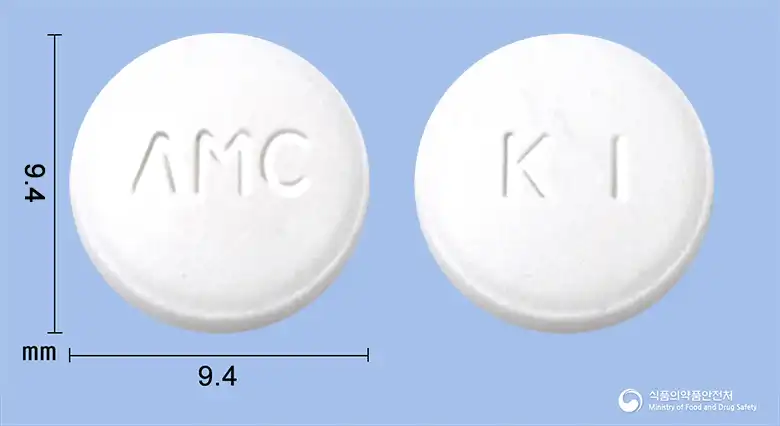
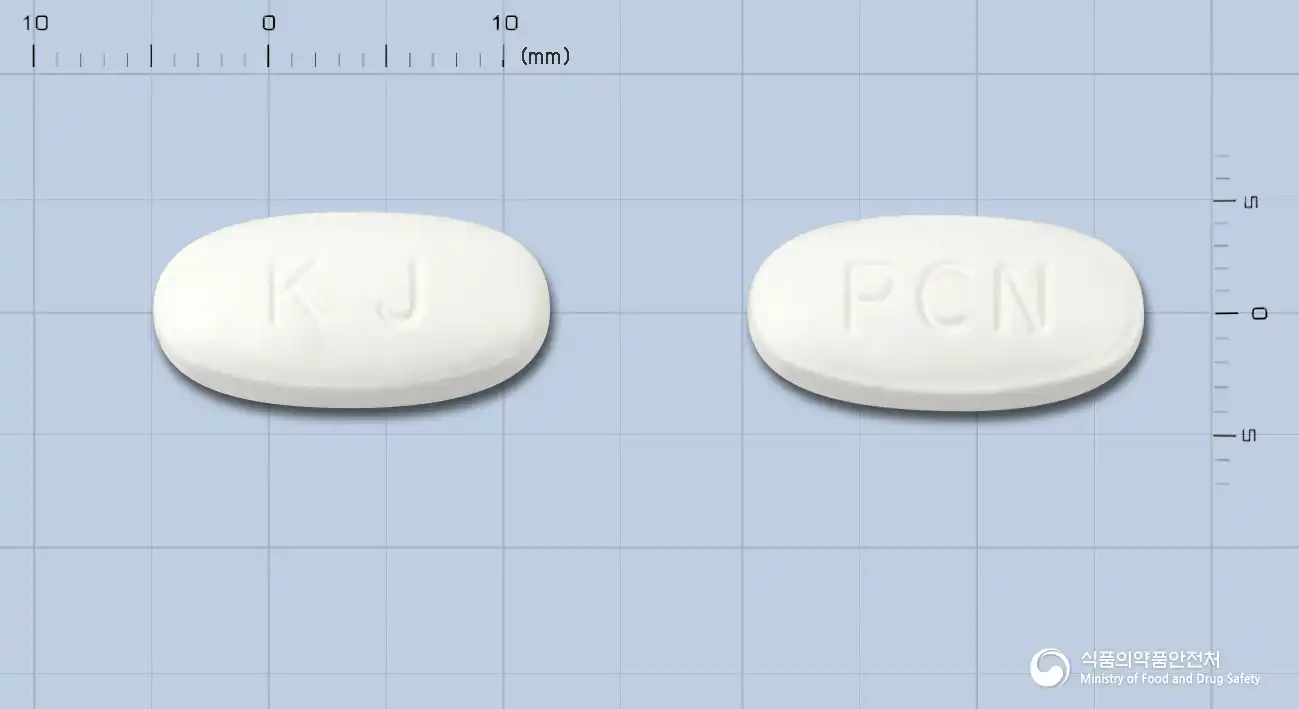
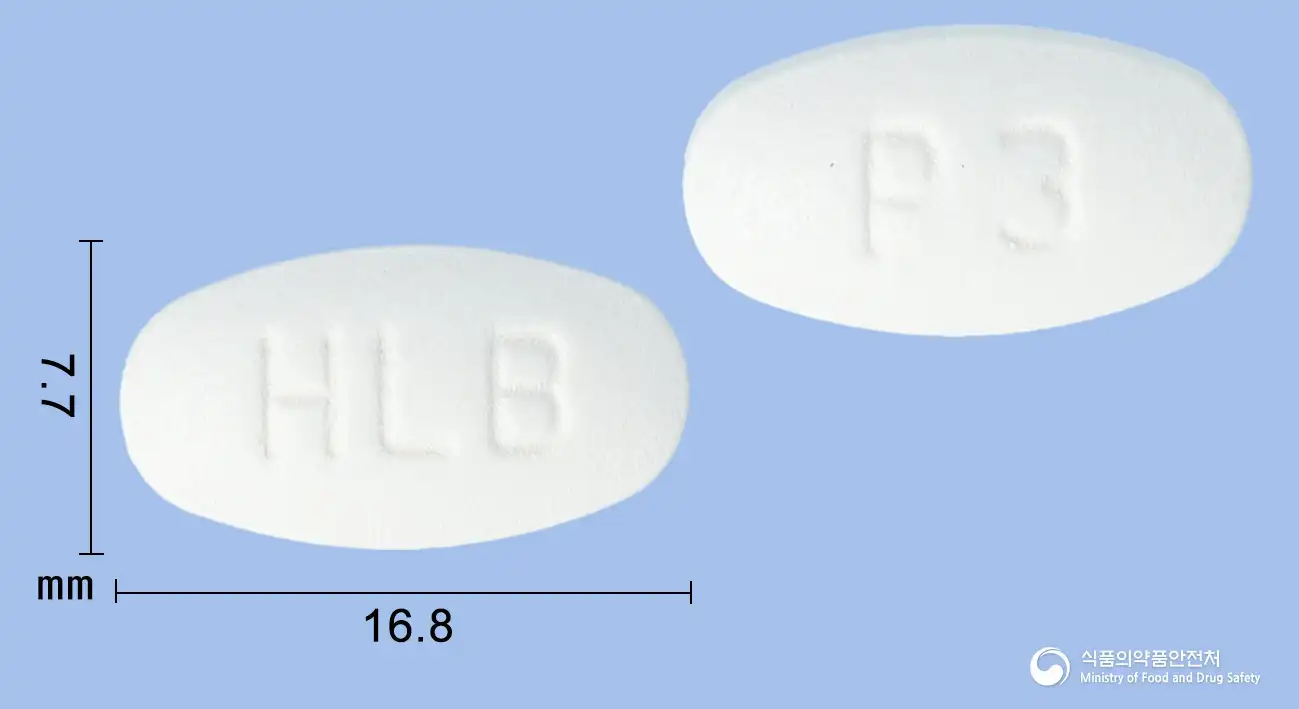
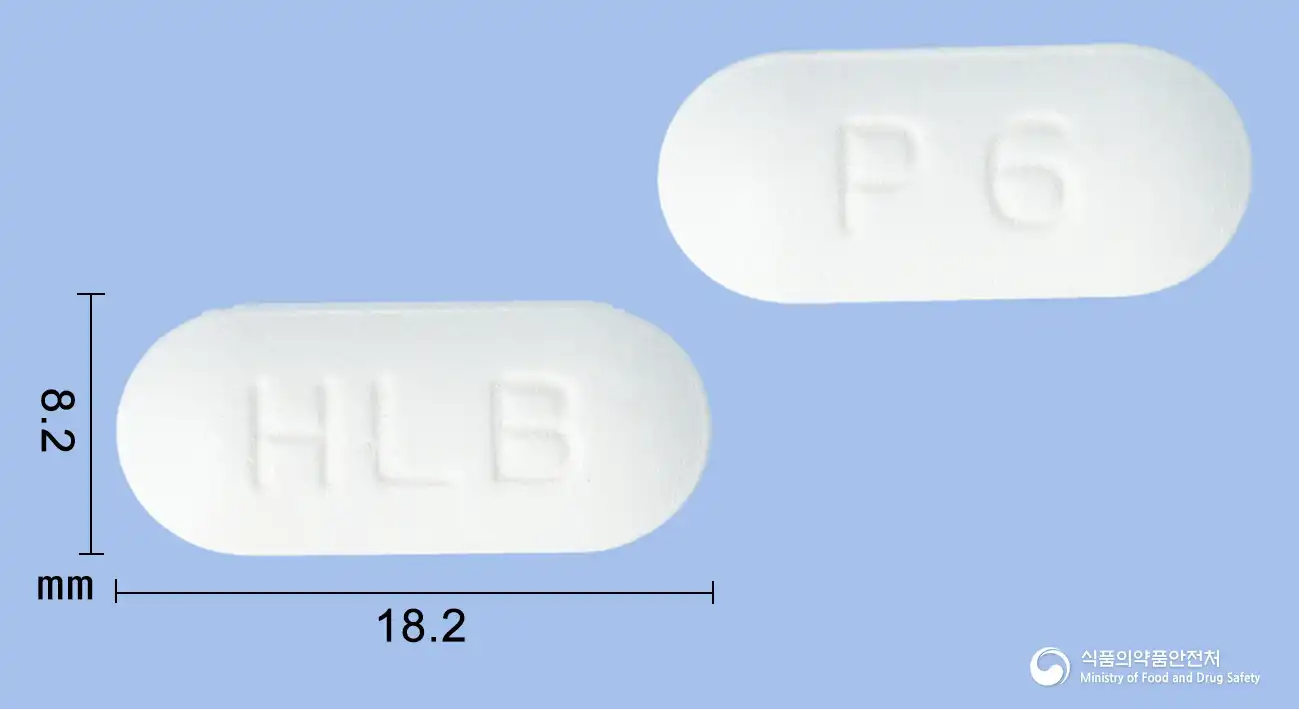
White or nearly white rectangular film-coated tablets
Package unit
100 tablets (10 tablets/PTP × 10)
Same-ingredient medicines
Even with the same ingredient, strength, dosage form and how it is taken can differ.
Even with the same ingredient, the dose and directions can differ by strength and dosage form. Talk to a doctor or pharmacist before switching from a medication you are already taking.
Questions about this medicine
No questions yet.
For anything that needs medical judgment, consult a doctor or pharmacist.
This drug information is based on data provided by the Korea Ministry of Food and Drug Safety. Consult a doctor or pharmacist for accurate dosage, administration, and usage instructions.

 한국어
한국어 English
 日本語
日本語 中文(简体)
 Viewing nowCombination