
 한국어
 English
 日本語
 中文(简体)
 Viewing now
Adempas Tablets 2.5 mg (Riociguat)
Riociguat Micronized 2.5mg
Tablet · Prescription medication
Bayer Korea Co., Ltd.
MFDS item code 201402611 · Approved 2014.06.11 · Insurance code 641105850
Improvement of exercise capacity in pulmonary arterial hypertension and chronic thromboembolic pulmonary hypertension
This medication is used to improve the exercise capacity of patients with chronic thromboembolic pulmonary hypertension (CTEPH) who are not candidates for surgery or have persistent or recurrent CTEPH after surgery, as well as patients with pulmonary arterial hypertension classified as WHO functional class II to III.
Initial dose The initial dose is 1.0 mg per dose, 3 times daily for 2 weeks. This medicine should be taken 3 times daily at approximately 6-8-hour intervals, regardless of food intake. To minimize the potential for hypotension, the initial dose may be started at 0.5mg 3 times daily. Dose titration If systolic blood pressure is 95 mmHg or higher and there are no signs or symptoms of hypotension, increase the dose by 0.5 mg per dose up to a maximum of 2.5 mg; dose titration should be performed at 2-week intervals. If systolic blood pressure is less than 95 mmHg and there are no signs or symptoms of hypotension, maintain the dose. If systolic blood pressure is less than 95 mmHg and signs or symptoms of hypotension are observed, withhold the next 3 doses at any time and, after 24 hours, if clinically acceptable, resume treatment at a dose reduced by 0.5 mg per dose. Maintenance dose The individualized maintenance dose established for each patient should be maintained provided that no signs or symptoms of hypotension occur. The maximum daily dose of this medicine is 7.5 mg. If a dose is missed, continue with the next scheduled dose. If tolerability is poor, dose reduction may be considered at any time. Interruption of treatment If treatment must be interrupted for 3 days or more, restart at the initial dose, administered 3 times daily for 2 weeks, and then continue treatment according to the dose titration method described above. For patients who cannot swallow tablets, this medicine may be crushed immediately before use, mixed with water or soft food such as applesauce, and administered orally. Elderly patients Exposure to this medicine is increased in elderly patients aged 65 years or older; therefore, special care is needed when individually titrating the dose. Patients with hepatic impairment Exposure to this medicine is increased in patients with moderate hepatic impairment (Child Pugh B); therefore, special care is needed when individually titrating the dose. This medicine has not been studied in patients with severe hepatic impairment (Child Pugh C) and should not be administered to them. Patients with renal impairment Exposure to this medicine is increased in patients with mild, moderate, or severe renal impairment (creatinine clearance 15-80 mL/min); therefore, special care is needed when individually titrating the dose. This medicine has not been studied in patients with a creatinine clearance of 15 mL/min or in patients on dialysis and should not be administered to them. Patients taking strong dual or multiple pathway CYP and P-gp (P-glycoprotein) / BCRP (Breast cancer resistance protein) inhibitors When initiating this medicine in patients taking a stable dose of strong dual or multiple pathway CYP and P-gp/BCRP inhibitors [e.g., azole antifungals (ketoconazole, itraconazole, etc.), HIV protease inhibitors (e.g., ritonavir, etc.)], consider a starting dose of 0.5mg 3 times daily to reduce the risk of hypotension. Monitor for signs and symptoms of hypotension at the start of treatment and during treatment (see section ‘3. Patients for whom administration requires caution’ under Precautions for Use). Smokers Smoking cessation is recommended for smokers. Blood concentrations of this medicine were lower in smokers than in nonsmokers. Dose adjustment of this medicine may be necessary in patients who stop smoking or start smoking during treatment. Switching medications Discontinue sildenafil at least 24 hours before starting this medicine. Discontinue tadalafil at least 48 hours before starting this medicine. For patients at risk of hypotension, consider starting this medicine at an initial dose of 0.5mg. When switching medications, observation for signs or symptoms of hypotension is recommended initially. Discontinue this medicine at least 24 hours before administering a PDE-5 inhibitor. When switching medications, observation for signs or symptoms of hypotension is recommended initially.
This medication should not be used by pregnant women as it may harm the fetus. Women of childbearing potential must confirm their pregnancy status before taking this medication, and appropriate contraceptive methods should be used to prevent pregnancy during treatment and for one month after discontinuation. Individuals with a known allergy to any of the components of this medication, pregnant or nursing women, and patients with significantly low blood pressure or severely impaired liver and kidney function should not take this medication. Patients with lung-related diseases or at risk of bleeding require caution when using this medication, and dose adjustment may be necessary if symptoms of low blood pressure occur. Special caution is needed for elderly patients or those with weakened liver or kidney function, as the drug concentration may increase. Combining this medication with certain antifungals, antivirals, etc., may increase drug concentration and risk of side effects, so consultation with a physician is required. Care should be taken when used with other blood pressure-lowering medications as hypotension may occur, especially with nitrates or PDE-5 inhibitors should not be combined. Smoking may reduce the effectiveness of this medication, so quitting is recommended. Dizziness or headache may occur during treatment, requiring caution when driving or operating machinery. This medication is not recommended as safety and efficacy in children have not been established. In case of overdose, serious side effects such as hypotension can occur, and immediate consultation with healthcare professionals is required; this drug is not removed by dialysis. Store this medication out of reach of children and do not transfer it to other containers.
Not everyone experiences these, and they can vary from person to person.
This medication may be sensitive to air and moisture, so it should be stored in a tightly closed container. Also, it is best to store this medication at room temperature between 1 and 30 degrees Celsius. This way, the effectiveness of the medication can be safely maintained.
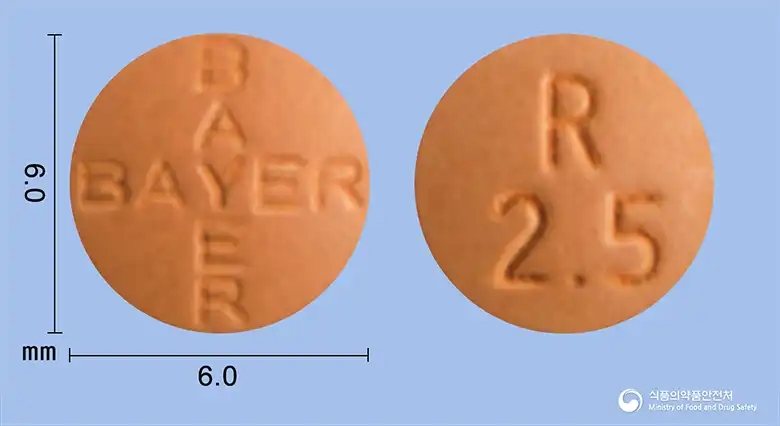
Red-orange, round film-coated tablets with a biconvex shape, one side is engraved with '2.5' over 'R', and the other side has the Bayer cross engraved.
42 tablets (21 tablets/PTP packaging x 2)
Even with the same ingredient, strength, dosage form and how it is taken can differ.
Viewing nowRiociguat Micronized 2.5mg
Tablet · Prescription medication
Bayer Korea Co., Ltd.
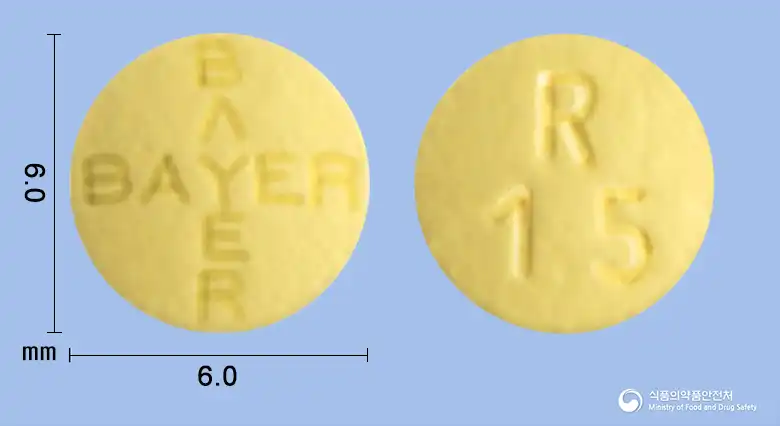
Riociguat Micronized 1.5mg
Tablet · Prescription medication
Bayer Korea Co., Ltd.
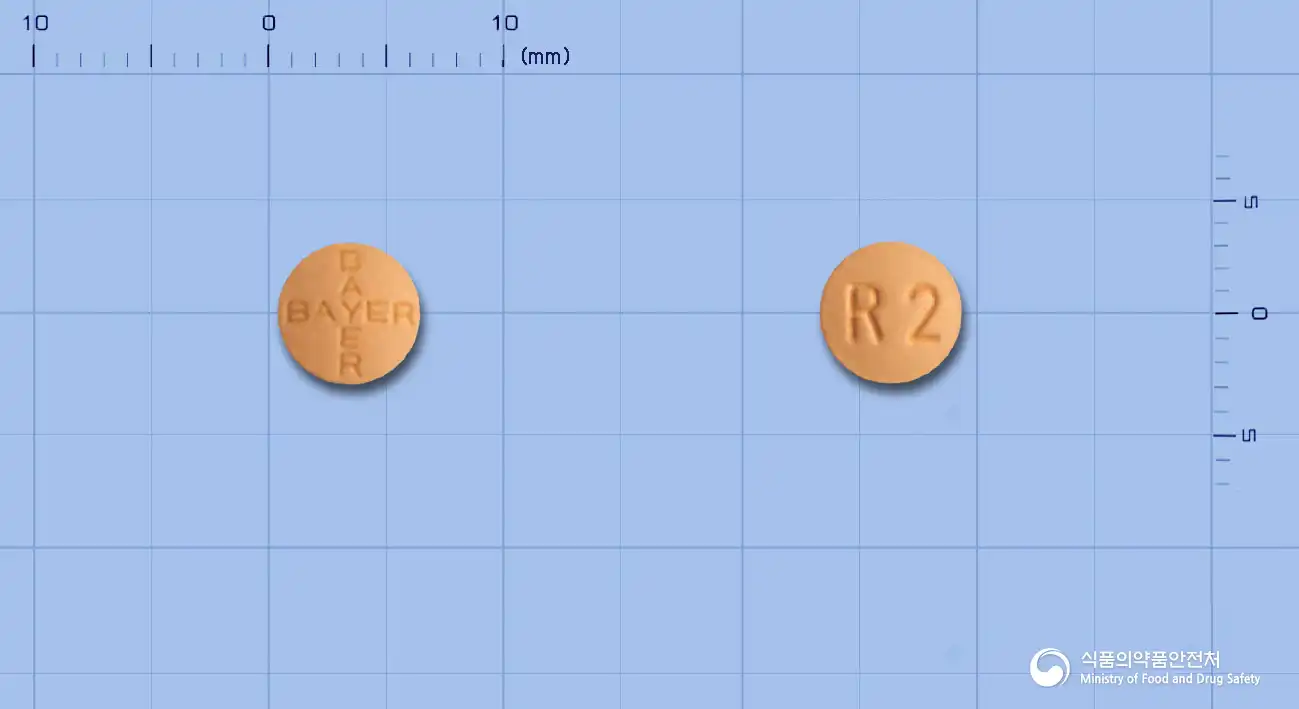
Riociguat Micronized 2mg
Tablet · Prescription medication
Bayer Korea Co., Ltd.
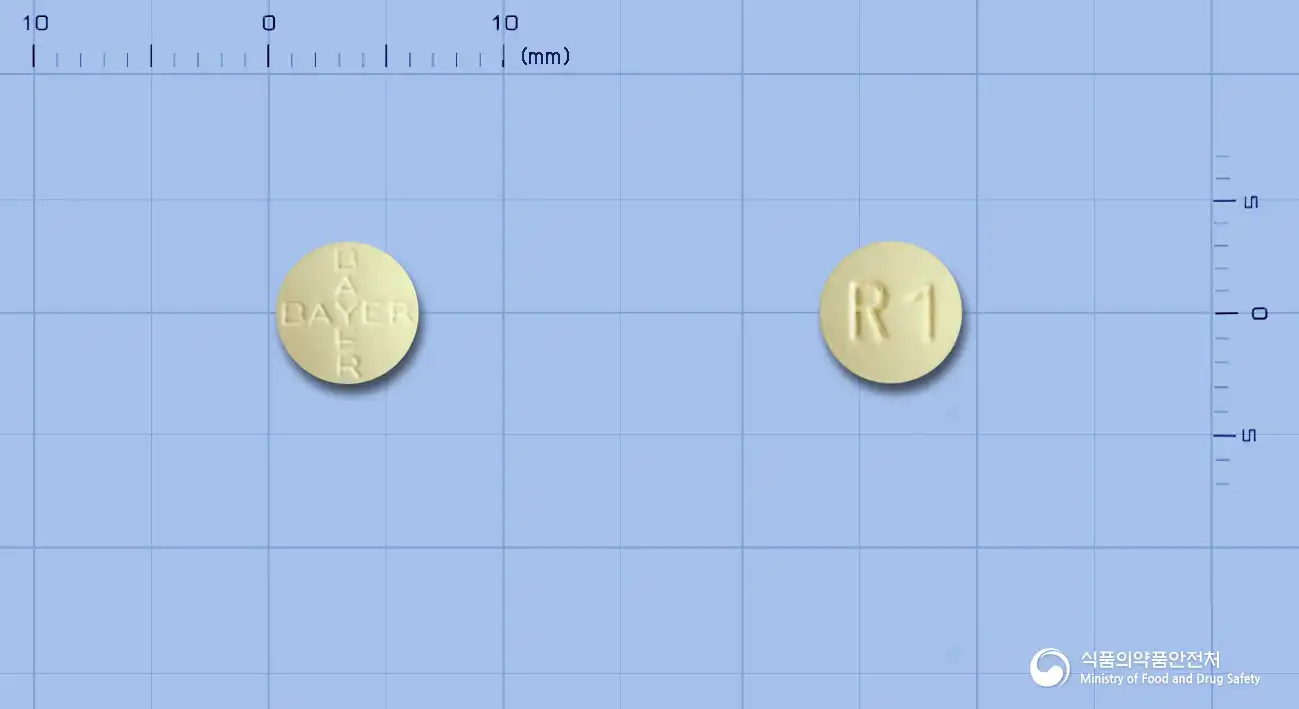
Riociguat Micronized 1mg
Tablet · Prescription medication
Bayer Korea Co., Ltd.
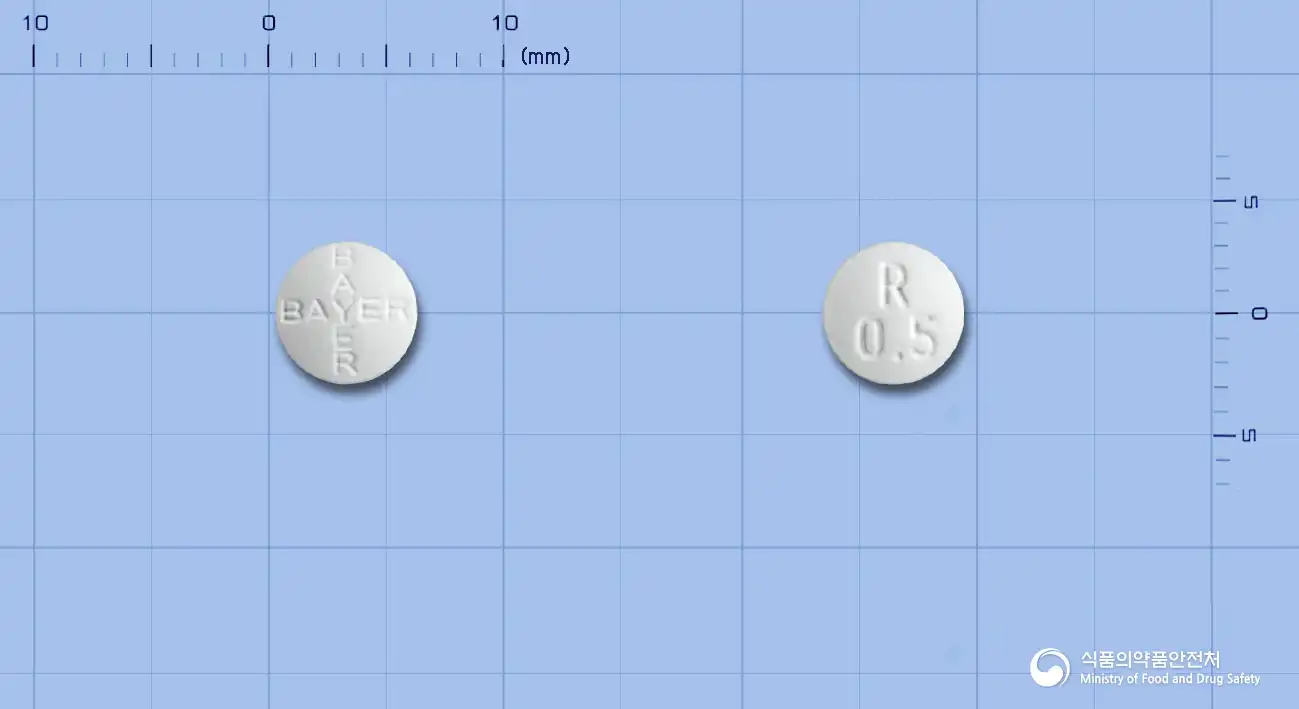
Riociguat Micronized 0.5mg
Tablet · Prescription medication
Bayer Korea Co., Ltd.
Even with the same ingredient, the dose and directions can differ by strength and dosage form. Talk to a doctor or pharmacist before switching from a medication you are already taking.
No questions yet.
For anything that needs medical judgment, consult a doctor or pharmacist.
This drug information is based on data provided by the Korea Ministry of Food and Drug Safety.
Consult a doctor or pharmacist for accurate dosage, administration, and usage instructions.