Medication info
Mirap 1.0 mg (Pramipexole Hydrochloride Dihydrate)

Mirap 1.0 mg (Pramipexole Hydrochloride Dihydrate)

Prescription medicationTabletOral
Ingredient · strength
Pramipexole Dihydrochloride Monohydrate›1mg / 1 tablet
Manufacturer / importer
Hyundai Pharmaceutical Co., Ltd.
Appearance
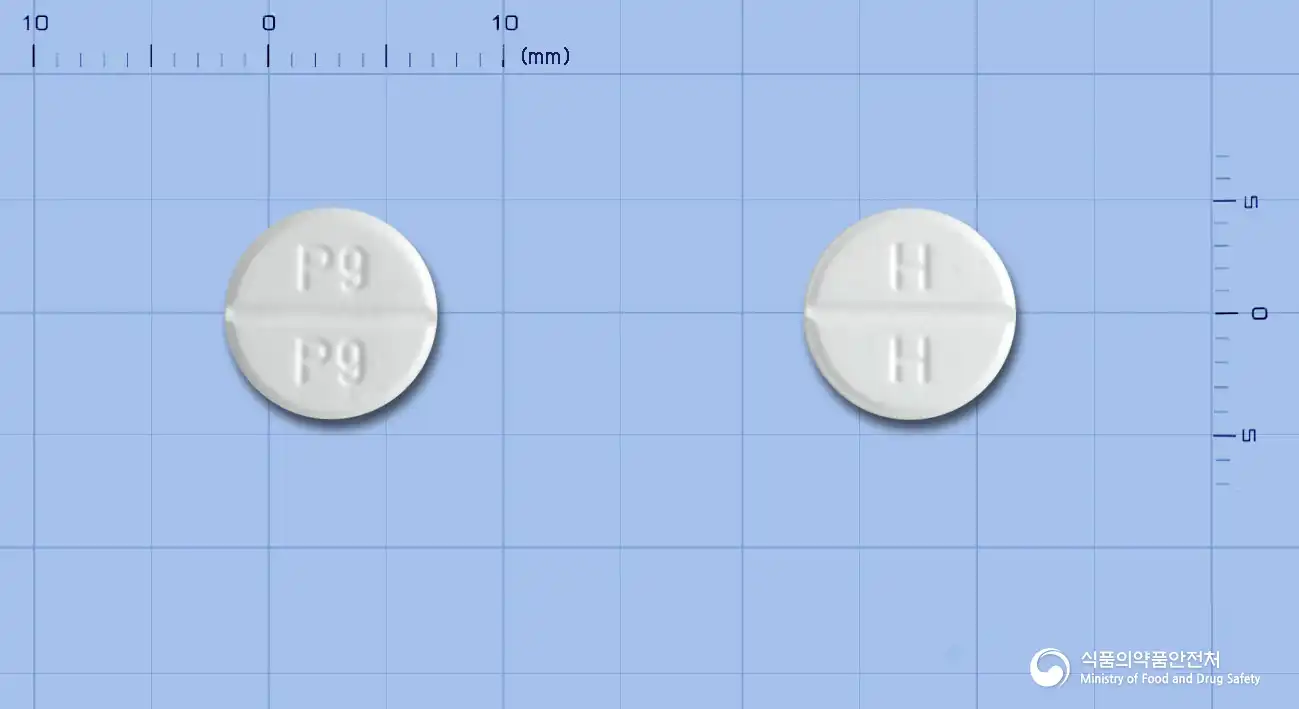
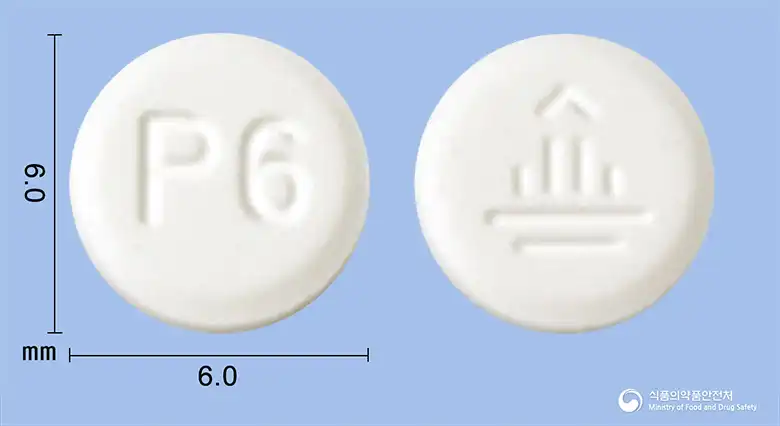
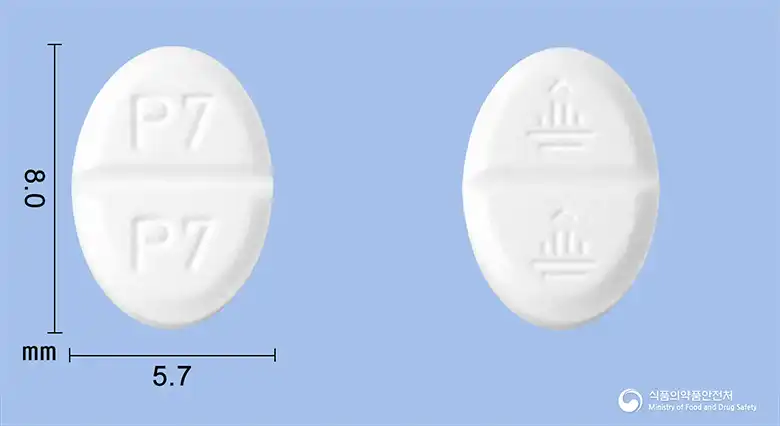
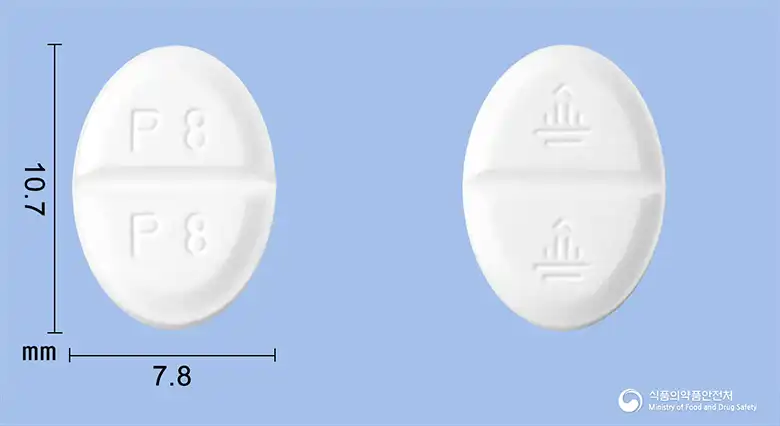
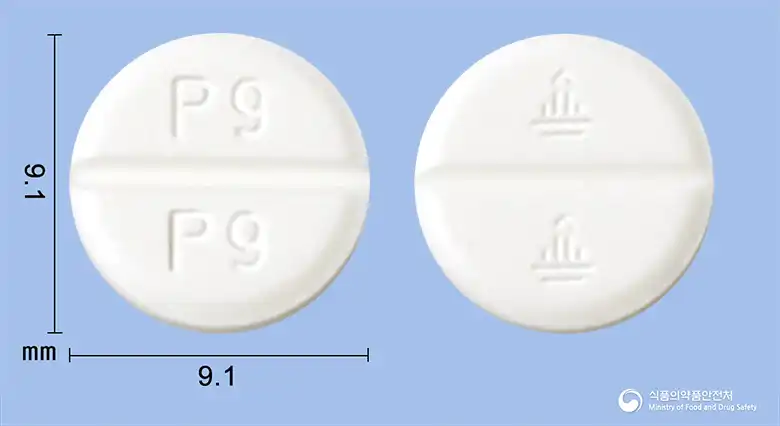
White round tablet
Packaging
100 tablets (10 tablets per PTP packaging x 10)
Approval status
Active

MFDS item code 201402589 · Approved 2014.06.10 · Insurance code 642003370

Summary

Main use
Treatment of idiopathic Parkinson's disease and moderate to severe idiopathic restless legs syndrome
Who takes it
Adults
Adult dose
Idiopathic Parkinsonism In all clinical trials, treatment was started at a subtherapeutic dose to avoid excessive adverse effects and orthostatic hypotension. The dose of this medicine should be increased gradually in all patients. Increase the dose to achieve the greatest therapeutic effect while balancing the major adverse effects of dyskinesia, hallucinations, somnolence, and dry mouth. 1. Patients with normal renal function 1) Initial treatment The initial total daily dose is 0.375mg/day, divided into 3 doses, and is increased gradually. Week 1: 0.125mg 3 times daily, total daily dose 0.375mg Week 2: 0.25mg 3 times daily, total daily dose 0.75mg Week 3: 0.5mg 3 times daily, total daily dose 1.50mg Week 4: 0.75mg 3 times daily, total daily dose 2.25mg Week 5: 1.0mg 3 times daily, total daily dose 3.0mg Week 6: 1.25mg 3 times daily, total daily dose 3.75mg Week 7: 1.5mg 3 times daily, total daily dose 4.50mg Increase the dose approximately once every 5-7 days, and do not increase it more frequently. 2) Maintenance treatment This medicine was effective and well tolerated when administered alone at a total daily dose of 1.5~4.5mg/day in 3 divided doses, or in combination with levodopa (approximately 800mg/day). Clinical trials in patients with early Parkinson's disease showed no significant benefit from total daily doses of 3mg, 4.5mg, or 6mg compared with 1.5mg/day. At doses of 3mg/day or higher, the incidence of these adverse reactions was generally approximately twice that with placebo. The incidence of somnolence reported at a dose of 1.5mg/day was similar to that with placebo. When this medicine is used in combination with levodopa, consider reducing the levodopa dose. In clinical trials in patients with advanced Parkinson's disease, the levodopa dose was reduced by an average of 27% from baseline, immediately before starting this medicine. 2. Patients with renal impairment creatinine CL>50ml/min: No adjustment of the daily dose or dosing frequency is required. creatinine CL=20~50ml/min: Initial dose 0.125mg tablet twice daily, maximum dose 2.25mg daily creatinine CL<20ml/min: Initial dose 0.125mg tablet once daily, maximum dose 1.5mg daily 3. Discontinuation Reduce the dose of this medicine by 0.75 mg/day until the daily dose has been reduced to 0.75 mg, then reduce it by 0.375 mg/day. Idiopathic Restless Legs Syndrome 1. The recommended initial dose is 0.125mg once daily, taken 2~3 hours before bedtime. If additional symptom relief is needed, the dose may be increased every 4~7 days according to the following schedule. Dose level 1: Daily dose 0.125mg Dose level 2*: Daily dose 0.25mg Dose level 3*: Daily dose 0.50mg *If needed Although a few patients in long-term open-label clinical trials of this medicine had their dose increased to 0.75mg, there is no evidence that 0.75mg provides additional benefit over 0.5mg. Use the lowest effective dose. 2. Patients with renal impairment In patients with restless legs syndrome and severe or moderate renal impairment (creatinine clearance 20~60mL/min), increase the dose every 14 days. 3. Discontinuation of treatment In clinical trials in patients with restless legs syndrome who received up to 0.75mg once daily, this medicine was discontinued without dose reduction.

Ingredients

Manufacturer
Hyundai Pharmaceutical Co., Ltd.

Efficacy & effects

Treatment of idiopathic Parkinson's disease and moderate to severe idiopathic restless legs syndrome

  • Parkinsonism
  • Restless Legs Syndrome
View approved original text

This medication is used alone in early-stage patients with idiopathic Parkinson's disease or in combination with Levodopa in patients being treated for Parkinson's disease. It is also effective in relieving symptoms of moderate to severe idiopathic Restless Legs Syndrome. Therefore, it helps improve symptoms of Parkinson's disease and Restless Legs Syndrome.

How to take

Adult dose

Idiopathic Parkinsonism In all clinical trials, treatment was started at a subtherapeutic dose to avoid excessive adverse effects and orthostatic hypotension. The dose of this medicine should be increased gradually in all patients. Increase the dose to achieve the greatest therapeutic effect while balancing the major adverse effects of dyskinesia, hallucinations, somnolence, and dry mouth. 1. Patients with normal renal function 1) Initial treatment The initial total daily dose is 0.375mg/day, divided into 3 doses, and is increased gradually. Week 1: 0.125mg 3 times daily, total daily dose 0.375mg Week 2: 0.25mg 3 times daily, total daily dose 0.75mg Week 3: 0.5mg 3 times daily, total daily dose 1.50mg Week 4: 0.75mg 3 times daily, total daily dose 2.25mg Week 5: 1.0mg 3 times daily, total daily dose 3.0mg Week 6: 1.25mg 3 times daily, total daily dose 3.75mg Week 7: 1.5mg 3 times daily, total daily dose 4.50mg Increase the dose approximately once every 5-7 days, and do not increase it more frequently. 2) Maintenance treatment This medicine was effective and well tolerated when administered alone at a total daily dose of 1.5~4.5mg/day in 3 divided doses, or in combination with levodopa (approximately 800mg/day). Clinical trials in patients with early Parkinson's disease showed no significant benefit from total daily doses of 3mg, 4.5mg, or 6mg compared with 1.5mg/day. At doses of 3mg/day or higher, the incidence of these adverse reactions was generally approximately twice that with placebo. The incidence of somnolence reported at a dose of 1.5mg/day was similar to that with placebo. When this medicine is used in combination with levodopa, consider reducing the levodopa dose. In clinical trials in patients with advanced Parkinson's disease, the levodopa dose was reduced by an average of 27% from baseline, immediately before starting this medicine. 2. Patients with renal impairment creatinine CL>50ml/min: No adjustment of the daily dose or dosing frequency is required. creatinine CL=20~50ml/min: Initial dose 0.125mg tablet twice daily, maximum dose 2.25mg daily creatinine CL<20ml/min: Initial dose 0.125mg tablet once daily, maximum dose 1.5mg daily 3. Discontinuation Reduce the dose of this medicine by 0.75 mg/day until the daily dose has been reduced to 0.75 mg, then reduce it by 0.375 mg/day. Idiopathic Restless Legs Syndrome 1. The recommended initial dose is 0.125mg once daily, taken 2~3 hours before bedtime. If additional symptom relief is needed, the dose may be increased every 4~7 days according to the following schedule. Dose level 1: Daily dose 0.125mg Dose level 2*: Daily dose 0.25mg Dose level 3*: Daily dose 0.50mg *If needed Although a few patients in long-term open-label clinical trials of this medicine had their dose increased to 0.75mg, there is no evidence that 0.75mg provides additional benefit over 0.5mg. Use the lowest effective dose. 2. Patients with renal impairment In patients with restless legs syndrome and severe or moderate renal impairment (creatinine clearance 20~60mL/min), increase the dose every 14 days. 3. Discontinuation of treatment In clinical trials in patients with restless legs syndrome who received up to 0.75mg once daily, this medicine was discontinued without dose reduction.

Precautions

This drug is a dopamine agonist used for the treatment of Parkinson's disease and Restless Legs Syndrome, and patients may experience sudden sleep episodes during daily activities, so caution is needed when driving or operating machinery. Furthermore, psychiatric symptoms such as hallucinations or confusion may occur, particularly in elderly patients, necessitating careful observation. It can affect blood pressure control, potentially leading to orthostatic hypotension, so blood pressure should be frequently checked, especially at the initial dosing or when increasing the dose. Patients with known allergies or hypersensitivity to this drug should not take it, and those with impaired kidney function or cardiovascular diseases require dose adjustments and blood pressure monitoring. During treatment, side effects such as nausea, dizziness, drowsiness, insomnia, and constipation may occur. If symptoms are severe, consult a physician to adjust the dose or discontinue the medication. This drug may interact with other medications, so it is essential to inform your doctor of any other drugs being taken, especially when used with sedatives or antihypertensives. Pregnant or breastfeeding women should consult a doctor before taking this medication as its safety is not established, and breastfeeding mothers may need to discontinue breastfeeding or the medication. Safety and efficacy in children have not been established, and elderly patients may require dose adjustments due to decreased kidney function. Overdosage may result in symptoms such as nausea, vomiting, hyperactivity, hallucinations, or hypotension; immediate medical assistance should be sought, as hemodialysis is not effective. Store this medication out of the reach of children and ensure it is not transferred to other containers.

Side effects

  • Drowsiness
  • hallucinations
  • confusion
  • orthostatic hypotension
  • nausea
  • dizziness
  • insomnia
  • constipation
  • asthenia
  • headache
Show 528 more
  • extrapyramidal syndrome
  • amnesia
  • perceptual impairment
  • ataxia
  • inability to sit still
  • abnormal thoughts
  • abnormal vision
  • erectile dysfunction
  • general edema
  • fatigue
  • loss of appetite
  • dysphagia
  • peripheral edema
  • weight loss
  • confusion
  • accidental injury
  • hyperkinesia
  • abnormal dreams
  • increased tension
  • thirst
  • frequency of urination
  • urinary tract infection
  • incontinence
  • arthritis
  • cramps
  • bursitis
  • myasthenia
  • dyspnea
  • rhinitis
  • pneumonia
  • skin disorders
  • abnormal near-far adjustment
  • diplopia
  • vomiting
  • pruritus
  • rash
  • drug withdrawal syndrome
  • accidents
  • positional hypotension
  • hyperactivity
  • sudden onset of sleep
  • syncope
  • enhanced restless legs syndrome
  • binge eating
  • compulsive shopping
  • hypersexuality
  • abnormal behavior
  • strange dreams
  • delusions
  • hyperphagia
  • sexual dysfunction
  • paranoia
  • restlessness
  • amnesia
  • forward head tilt symptoms
  • akinesia
  • headache
  • drowsiness
  • sleep disorders
  • vasovagal syncope
  • mental confusion
  • auditory hallucinations
  • visual hallucinations
  • initial insomnia
  • increased libido
  • manic episode
  • midlife insomnia
  • mood changes
  • nightmares
  • obsessive thoughts
  • panic reactions
  • hypersomnia
  • mental disorders
  • somnambulism
  • suicidal impulses
  • color urine syndrome
  • dysuria
  • hematuria
  • urgency
  • nephrolithiasis
  • neurogenic bladder
  • nocturia
  • oliguria
  • polyuria
  • proteinuria
  • renal colic
  • renal cysts
  • renal failure
  • kidney disorders
  • urinary retention
  • amenorrhea
  • mastalgia
  • dysmenorrhea
  • epididymitis
  • gynecomastia
  • signs of menopause
  • menorrhagia
  • uterine bleeding
  • ovarian masses
  • priapism
  • prostatitis
  • sexual dysfunction
  • intrauterine bleeding
  • leucorrhea
  • vaginal bleeding
  • temporary respiratory arrest
  • inhalation
  • asthma
  • asphyxia
  • chronic obstructive pulmonary disease
  • dry throat
  • speech disorders
  • exertional dyspnea
  • epistaxis
  • hemoptysis
  • wheezing
  • respiratory distress
  • bronchorrhea
  • laryngospasm
  • nasal dryness
  • nasal polyps
  • obstructive airway disorders
  • pharyngodynia
  • pleuritis
  • aspirational pneumonia
  • pneumothorax
  • postnasal drip syndrome
  • productive cough
  • pulmonary embolism
  • pulmonary edema
  • respiratory alkalosis
  • respiratory distress syndrome
  • respiratory failure
  • pulmonary congestion
  • allergic rhinitis
  • rhinorrhea
  • sinus congestion
  • sleep apnea
  • sneezing
  • snoring
  • hypopnea
  • wheezing
  • acne
  • hair loss
  • sweating
  • skin cysts
  • dermatitis
  • vesicular dermatitis
  • contact dermatitis
  • skin dryness
  • purpura
  • eczema
  • erythema
  • corneal thickening
  • livedoid dermatitis
  • flushing
  • periorbital edema
  • petechiae
  • phototoxic allergy symptoms
  • psoriasis
  • purpura
  • erythema multiforme
  • maculopapular erythema
  • papular erythema
  • rhinophyma
  • seborrhea
  • seborrheic dermatitis
  • skin burning sensation
  • skin depigmentation
  • skin peeling
  • skin hyperpigmentation
  • skin hypertrophy
  • skin irritation
  • skin laceration
  • body odor abnormality
  • skin ulcer
  • urticaria
  • aneurysm
  • vascular disease
  • atherosclerosis
  • circulatory disorders
  • deep venous thrombosis
  • embolism
  • thrombus
  • facial flushing
  • hypertensive crises
  • lymphatic edema
  • pallor
  • phlebitis
  • Raynaud's disease
  • shock
  • thrombotic venous inflammation
  • thrombus
  • varicose veins
  • anemia
  • iron deficiency anemia
  • leukocytosis
  • leukopenia
  • lymphadenitis
  • lymphadenopathy
  • thrombocytosis
  • thrombocytopenia
  • angina pectoris
  • ventricular arrhythmia
  • atrial fibrillation
  • first-degree atrioventricular block
  • second-degree atrioventricular block
  • bradycardia
  • block syndrome
  • cardiac arrest
  • heart failure
  • congestive heart failure
  • cardiomegaly
  • coronary occlusion
  • cyanosis
  • ectopic beats
  • left ventricular failure
  • myocardial infarction
  • nodular arrhythmia
  • sinus arrhythmia
  • sinus bradycardia
  • sinus tachycardia
  • ventricular ectopic beats
  • ventricular tachycardia
  • tachycardia
  • ventricular fibrillation
  • ventricular ectopic beats
  • left ventricular hypertrophy
  • hearing impairment
  • otalgia
  • auditory damage
  • hearing disability
  • motion sickness
  • vestibular dysfunction
  • goiter
  • hyperthyroidism
  • hypothyroidism
  • transient darkness
  • blepharitis
  • blepharospasm
  • cataracts
  • acquired tear duct obstruction
  • dry eye syndrome
  • ocular hemorrhage
  • ocular irritation
  • ocular pain
  • eyebrow edema
  • eyelid drooping
  • glaucoma
  • keratitis
  • macular degeneration
  • myopia
  • photophobia
  • retinal detachment
  • retinal vascular disorder
  • scotoma
  • blurred vision
  • decreased vision
  • vitreous floaters
  • abdominal discomfort
  • abdominal bloating
  • aphthous ulcers
  • ascites
  • cheilitis
  • colitis
  • ulcerative colitis
  • duodenal ulcers
  • duodenal bleeding
  • enteritis
  • belching
  • fecal incontinence
  • gastric ulcers
  • gastric bleeding
  • gastritis
  • gastrointestinal bleeding
  • gastroesophageal reflux disease
  • gingivitis
  • hematemesis
  • passage of blood in stool
  • hemorrhoids
  • hiatal hernia
  • hyperchlorhydria
  • intestinal obstruction
  • inguinal hernia
  • intestinal blockage
  • irritable bowel syndrome
  • esophageal cramping
  • esophageal stricture
  • esophagitis
  • pancreatitis
  • periodontitis
  • rectal bleeding
  • reflux esophagitis
  • tongue swelling
  • tongue ulcers
  • toothache
  • umbilical hernia
  • chest discomfort
  • chills
  • death
  • drug withdrawal symptoms
  • facial edema
  • fever
  • neuroexcitation
  • abnormal gait
  • wound healing dysfunction
  • influenza-like symptoms
  • irritability
  • localized edema
  • edema
  • compartment syndrome
  • thirst
  • biliary colic
  • cholecystitis
  • chronic cholecystitis
  • cholelithiasis
  • drug hypersensitivity
  • abscess
  • acute tonsillitis
  • appendicitis
  • bronchiolitis
  • bronchitis
  • bronchopneumonia
  • cellulitis
  • cystitis
  • dental caries
  • diverticulitis
  • rhinitis
  • ocular infection
  • folliculitis
  • fungal infections
  • furuncle
  • necrosis
  • gastritis
  • gingivitis
  • herpes simplex
  • herpes zoster
  • chalazion
  • discitis
  • laryngitis
  • lobar pneumonia
  • nail infection
  • onychomycosis
  • oral candidiasis
  • orchitis
  • osteomyelitis
  • otitis externa
  • otitis media
  • paronychia
  • pyelonephritis
  • purulent skin disease
  • sepsis
  • skin infection
  • tonsillitis
  • tooth abscess
  • tooth infection
  • upper respiratory tract infection
  • urethritis
  • vaginal candidiasis
  • vaginal infection
  • viral infection
  • wound infection
  • fall accidents
  • medication toxicity-related arthrodesis
  • traffic accidents
  • sunburn
  • tendon rupture
  • cachexia
  • decreased appetite
  • dehydration
  • diabetes
  • fluid retention
  • gout
  • hypercholesterolemia
  • hyperglycemia
  • hyperlipidemia
  • hyperuricemia
  • hypocalcemia
  • hypoglycemia
  • hypokalemia
  • hyponatremia
  • vitamin deficiency
  • increased appetite
  • metabolic alkalosis
  • bone pain
  • myofascitis
  • flank pain
  • intervertebral disc disorder
  • intervertebral disc protrusion
  • joint effusion
  • joint stiffness
  • joint swelling
  • monoarticular arthritis
  • muscle rigidity
  • muscle cramps
  • musculoskeletal rigidity
  • myopathy
  • myositis
  • nuchal rigidity
  • osteoarthritis
  • osteonecrosis
  • osteoporosis
  • fibromyalgia
  • rheumatoid arthritis
  • shoulder pain
  • spondyloarthritis
  • tendinitis
  • tendinosis
  • abdominal tumor
  • adenoma
  • benign adenoma
  • basal cell carcinoma
  • bladder cancer
  • breast cancer
  • breast tumors
  • chronic lymphocytic leukemia
  • colorectal cancer
  • rectal and colon cancer
  • endometrial cancer
  • gallbladder cancer
  • gastric cancer
  • gastrointestinal tumors
  • hemangioma
  • liver tumors
  • malignant liver tumors
  • lip and oral cancer
  • malignant lung tumors
  • metastatic lung cancer
  • lymphoma
  • malignant melanoma
  • melanocytic nevus
  • pulmonary metastasis
  • multiple myeloma
  • benign oral tumors
  • tumor
  • malignant tumor
  • prostate tumor
  • skin tumor
  • neurofibroma
  • ovarian cancer
  • prostate cancer
  • prostate adenoma
  • pseudolymphoma
  • kidney tumor
  • skin cancer
  • skin papilloma
  • squamous cell carcinoma
  • thyroid tumor
  • uterine leiomyoma
  • ageusia
  • akinesia
  • anticholinergic syndrome
  • aphasia
  • balance disorder
  • brain edema
  • carotid occlusion
  • carpal tunnel syndrome
  • cerebral embolism
  • cerebral hemorrhage
  • cerebral infarction
  • cerebral ischemia
  • chorea
  • cognitive impairment
  • coma
  • seizures
  • coordination disorders
  • dementia
  • reduced perceptual levels
  • attention disorders
  • positional dizziness
  • stuttering
  • writing disorders
  • facial paralysis
  • grand mal seizures
  • hemiparesis
  • sensory hypersensitivity
  • hyperactivity
  • hyperreflexia
  • hyporeflexia
  • hypotonia
  • drowsiness syndrome
  • loss of consciousness
  • migraine
  • involuntary muscle contractions
  • narcolepsy
  • neuralgia
  • neuropathy
  • nystagmus
  • olfactory dysfunction
  • psychomotor agitation
  • sciatica
  • sedation
  • sensory disorders
  • sleep rhythm disorders
  • sleep talking
  • confusion
  • vasovagal syncope
  • tension headache
  • emotional instability
  • aggression
  • anxiety
  • mental retardation
  • bruxism
  • suicide
  • mental confusion
  • delusional disorder
  • persecution complex
  • loss of orientation
  • dissociative identity disorder
  • emotional tension
  • euphoria
  • auditory hallucinations
  • visual hallucinations
  • initial insomnia
  • increased libido
  • manic episode
  • midlife insomnia
  • mood changes
  • nightmares
  • obsessive thoughts
  • obsessive-compulsive impulse disorder
  • panic reactions
  • hypersomnia
  • personality disorders
  • mental disorders
  • restlessness
  • somnambulism
  • suicidal impulses

Not everyone experiences these, and they can vary from person to person.

Storage

This medication should be stored in a tightly sealed container to prevent air and moisture ingress, maintaining a temperature between 1°C and 30°C. Additionally, it is advisable to store it in a dark place away from direct sunlight.

Appearance and packaging

Appearance

White round tablet

Package unit

100 tablets (10 tablets per PTP packaging x 10)

Same-ingredient medicines

Even with the same ingredient, strength, dosage form and how it is taken can differ.

Even with the same ingredient, the dose and directions can differ by strength and dosage form. Talk to a doctor or pharmacist before switching from a medication you are already taking.

Questions about this medicine

No questions yet.

For anything that needs medical judgment, consult a doctor or pharmacist.

Related searches

Search tags

Suggested searches

This drug information is based on data provided by the Korea Ministry of Food and Drug Safety.
Consult a doctor or pharmacist for accurate dosage, administration, and usage instructions.