
 한국어
 English
 日本語
 中文(简体)
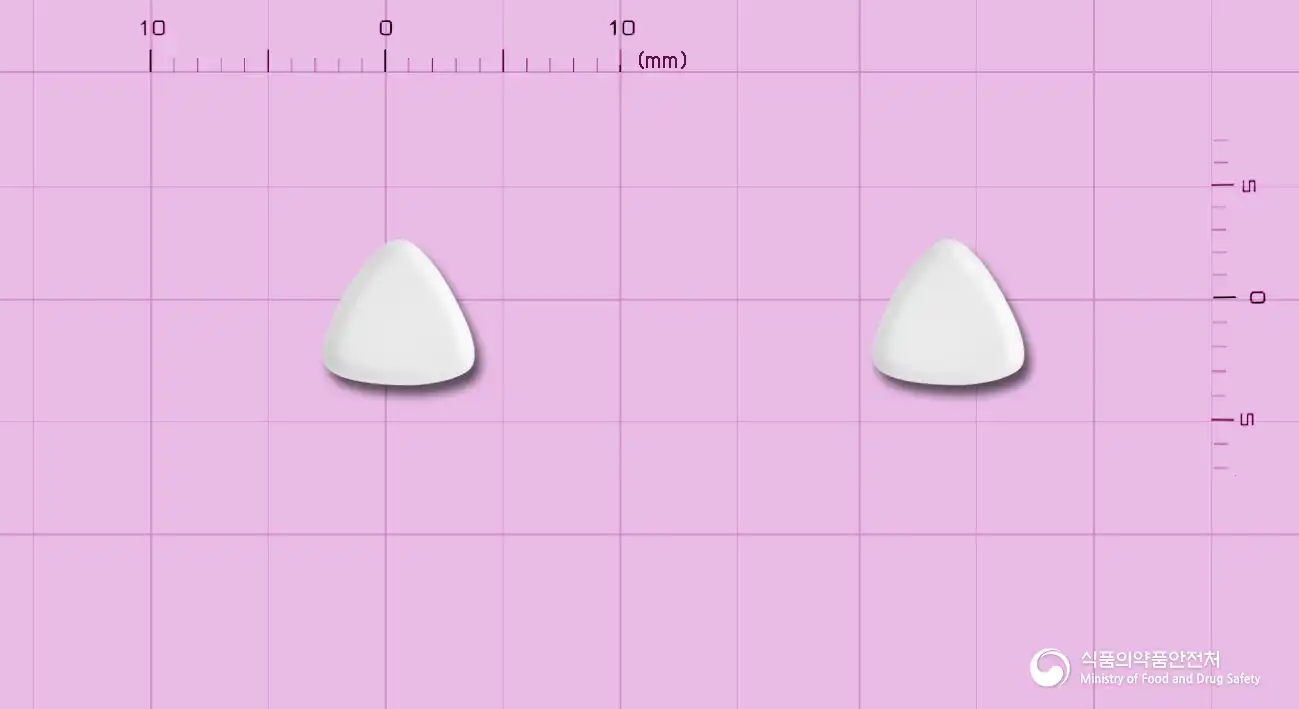 Viewing now
Abstral Sublingual Tablet 300 Micrograms (Fentanyl Citrate)
Fentanyl Citrate Micronized 471.3μg
Sublingual Tablet · Prescription medication
Korea Menarini Co., Ltd.
MFDS item code 201402210 · Approved 2014.05.13 · Insurance code 674900500
Relief of breakthrough pain in adult cancer patients tolerant to opioid medications
This medication is used for the relief of breakthrough pain in adult cancer patients aged 18 years and older who are already being treated for persistent pain with opioid analgesics and have developed tolerance to the opioid.
Remove this medicine from the blister and place it under the tongue. Do not chew, suck, or swallow it; allow the tablet to dissolve completely. Do not eat or drink until the tablet has completely dissolved. For patients with dry mouth, moisten the mouth with water before administering the tablet. The dose must be established individually for each patient to provide adequate pain relief while minimizing adverse reactions. The initial dose of this medicine for the treatment of breakthrough cancer pain is 100㎍. Because of pharmacokinetic characteristics and individual variability, the initial dose is 100㎍ even in patients previously treated with another fentanyl product. Because absorption patterns differ, when switching from another fentanyl product to this medicine, do not switch on a 1:1 dose basis; follow the dose titration instructions below. Until an appropriate dose is reached, the patient may need to take an additional dose of this medicine for a single episode of pain. If adequate pain relief is not achieved within 30 minutes, a second dose may be administered. Do not administer more than 2 doses for a single episode of breakthrough pain. Wait at least 2 hours before administering this medicine for another episode of breakthrough pain. If adequate pain relief is not achieved with the initial dose of 100㎍, the dose may be increased in 100㎍ increments up to 400㎍ to achieve adequate relief; if this is insufficient, the next doses are 600㎍ and 800㎍, respectively. If adequate pain relief is not achieved, another dose may be administered after 30 minutes. During dose titration, 100㎍ or 200㎍ tablets may be used, but do not use more than 4 tablets at one time. Once the appropriate dose has been established for the individual patient, administer a single tablet at the established dose; for 600 ㎍ and 800㎍ doses, administer 2 tablets of 300㎍ and 400㎍, respectively. If adequate pain relief is not achieved, another dose may be administered after 30 minutes. However, do not administer more than 2 doses for a single episode of breakthrough pain, and wait at least 2 hours before administering a dose for another episode of breakthrough pain. Initial sublingual tablet dose used for an episode of breakthrough pain (㎍) 100: Additional dose to be taken 30 minutes after the initial dose (㎍) 100 Initial sublingual tablet dose used for an episode of breakthrough pain (㎍) 200: Additional dose to be taken 30 minutes after the initial dose (㎍) 100 Initial sublingual tablet dose used for an episode of breakthrough pain (㎍) 300: Additional dose to be taken 30 minutes after the initial dose (㎍) 100 Initial sublingual tablet dose used for an episode of breakthrough pain (㎍) 400: Additional dose to be taken 30 minutes after the initial dose (㎍) 200 Initial sublingual tablet dose used for an episode of breakthrough pain (㎍) 600: Additional dose to be taken 30 minutes after the initial dose (㎍) 200 Initial sublingual tablet dose used for an episode of breakthrough pain (㎍) 800: Additional dose to be taken 30 minutes after the initial dose (㎍) - If 4 or more episodes of breakthrough pain occur in a day, readjust the dose of the long-acting opioid used for persistent cancer pain. Limit administration of this medicine to no more than 4 times daily. If there is a significant change in response to the titrated dose of this medicine, dose adjustment may be necessary to identify the optimal dose. If the patient experiences 4 or more episodes of breakthrough pain during any 4 consecutive days, reassess the dose of the regularly administered opioid. Also reassess and readjust the dose of this medicine if the dose of the regularly administered opioid changes. Before starting treatment with this medicine, agree with the patient on a treatment plan, including treatment duration, treatment goals, and a plan for ending treatment. During treatment with this medicine, the physician and patient should maintain frequent contact to assess the need for continued treatment, consider discontinuation, and adjust the dose as necessary. Do not use this medicine for longer than necessary. If breakthrough pain no longer occurs, discontinue this medicine immediately. Continue treatment for persistent background pain. If all opioid treatment must be discontinued, monitor the patient closely to avoid sudden withdrawal effects.
This medication is an opioid analgesic used for the management of breakthrough pain in cancer patients. It should only be prescribed to patients who have developed tolerance after long-term use of opioid analgesics and may be dangerous for patients who have not previously used opioids. It should not be used for the treatment of acute pain or postoperative pain and must be used under the supervision of a professional experienced in cancer pain management. It should be stored out of reach of children, and any remaining medication must be disposed of properly. There is a risk of severe respiratory depression and sedation when taken with central nervous system depressants or alcohol, so caution is warranted when used in combination. Specifically, when combined with certain antibiotics or antifungal agents, drug concentrations may increase, leading to a higher incidence of side effects. Patients taking this medication may experience drowsiness or blurred vision, so they should avoid driving or operating hazardous machinery. Long-term use of the drug may lead to tolerance or dependence, so dosages and duration of treatment must be strictly monitored. Patients with compromised respiratory function, or issues related to the heart, liver, kidneys, or head trauma should use this medication with caution. It is recommended that pregnant or breastfeeding women do not use this medication, as there is a risk of decreased respiratory function in the fetus or newborn during childbirth. In case of overdose, symptoms such as respiratory depression and coma may occur, necessitating immediate emergency treatment under the supervision of medical professionals. This medication must be prescribed and managed by an expert in cancer pain management, and patients and caregivers should be adequately informed about the correct use and side effects of the drug.
Not everyone experiences these, and they can vary from person to person.
This medication should be stored in a tightly sealed container to prevent exposure to air and moisture, preferably in a cool place below 25 degrees Celsius. Proper storage can help maintain the effectiveness of the medication for a longer duration.
White triangular tablet
30 tablets
Even with the same ingredient, strength, dosage form and how it is taken can differ.
Viewing nowFentanyl Citrate Micronized 471.3μg
Sublingual Tablet · Prescription medication
Korea Menarini Co., Ltd.
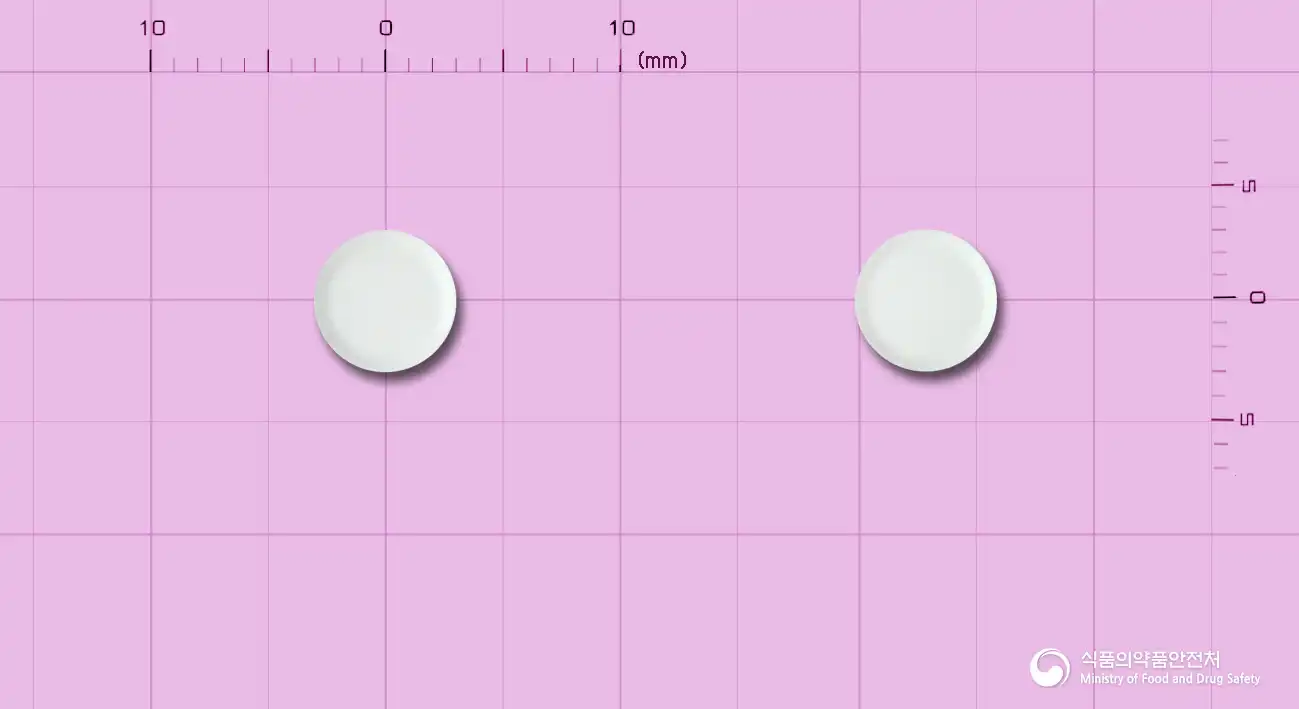
Fentanyl Citrate Micronized 157.1μg
Sublingual Tablet · Prescription medication
Korea Menarini Co., Ltd.
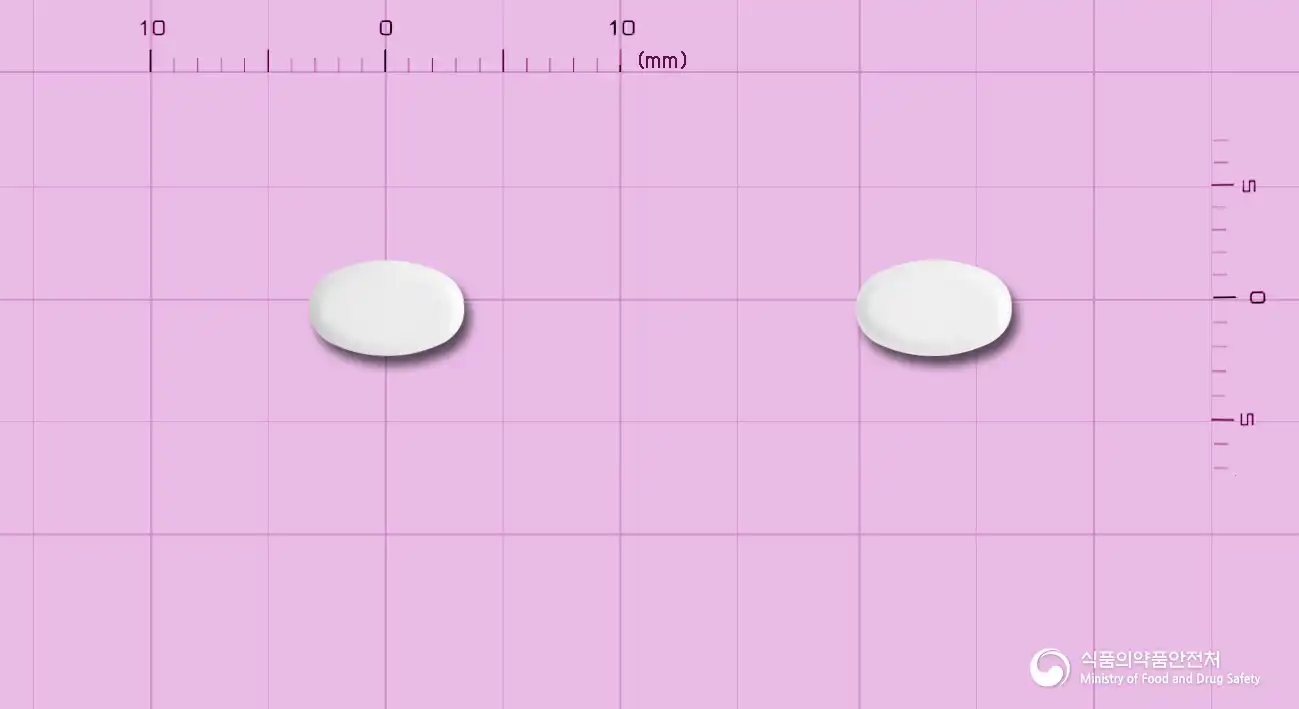
Fentanyl Citrate Micronized 314.2μg
Sublingual Tablet · Prescription medication
Korea Menarini Co., Ltd.
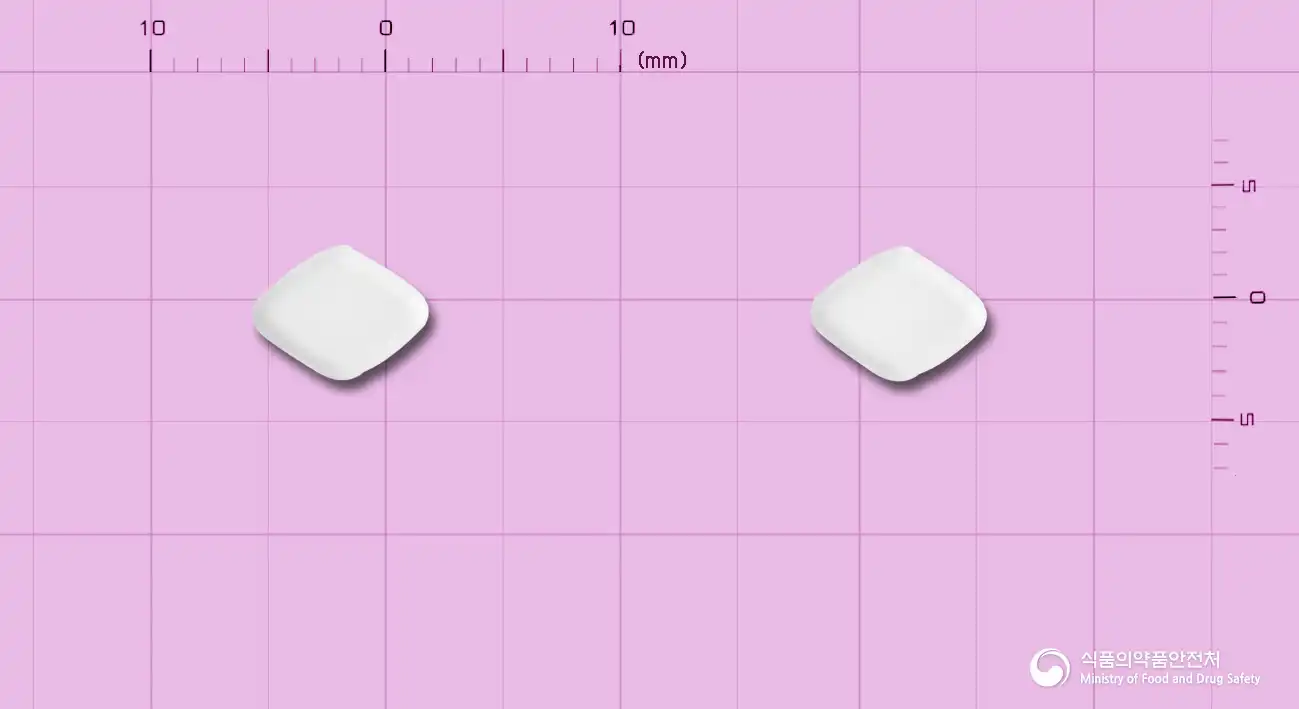
Fentanyl Citrate Micronized 628.4μg
Sublingual Tablet · Prescription medication
Korea Menarini Co., Ltd.
Even with the same ingredient, the dose and directions can differ by strength and dosage form. Talk to a doctor or pharmacist before switching from a medication you are already taking.
No questions yet.
For anything that needs medical judgment, consult a doctor or pharmacist.
This drug information is based on data provided by the Korea Ministry of Food and Drug Safety.
Consult a doctor or pharmacist for accurate dosage, administration, and usage instructions.