
 한국어
 English
 日本語
 中文(简体)
 Viewing now
Abstral Sublingual Tablet 100 Micrograms (Fentanyl Citrate)
Fentanyl Citrate Micronized 157.1μg
Sublingual Tablet · Prescription medication
Korea Menarini Co., Ltd.
MFDS item code 201402208 · Approved 2014.05.13 · Insurance code 674900480
Relief of breakthrough pain in adult cancer patients tolerant to opioid medications
This medication is used to relieve breakthrough pain occurring in adult cancer patients aged 18 and older who are currently receiving opioid therapy for persistent pain and have developed tolerance to it.
Remove this medicine from the blister and place it under the tongue. Do not chew, suck, or swallow it; allow the tablet to dissolve completely. Do not eat or drink until the tablet has completely dissolved. For patients with dry mouth, moisten the mouth with water before administering the tablet. The dose must be established individually for each patient to provide adequate pain relief while minimizing adverse reactions. 1. Dose titration 1) Initiation of treatment The initial dose of this medicine for the treatment of breakthrough cancer pain is 100㎍. Because of pharmacokinetic characteristics and individual variability, the initial dose is 100㎍ even in patients previously treated with another fentanyl product. * Because absorption patterns differ, when switching from another fentanyl product to this medicine, do not switch on a 1:1 dose basis; follow the dose titration instructions below. 2) Additional dose for a single episode of pain Until an appropriate dose is reached, the patient may need to take an additional dose of this medicine for a single episode of pain. If adequate pain relief is not achieved within 30 minutes, a second dose may be administered. Do not administer more than 2 doses for a single episode of breakthrough pain. Wait at least 2 hours before administering this medicine for another episode of breakthrough pain. 3) Dose escalation If adequate pain relief is not achieved with the initial dose of 100㎍, the dose may be increased in 100㎍ increments up to 400㎍ to achieve adequate relief; if this is insufficient, the next doses are 600㎍ and 800㎍, respectively. If adequate pain relief is not achieved, another dose may be administered after 30 minutes. During dose titration, 100㎍ or 200㎍ tablets may be used, but do not use more than 4 tablets at one time. Once the appropriate dose has been established for the individual patient, administer a single tablet at the established dose; for 600 ㎍ and 800㎍ doses, administer 2 tablets of 300㎍ and 400㎍, respectively. If adequate pain relief is not achieved, another dose may be administered after 30 minutes. However, do not administer more than 2 doses for a single episode of breakthrough pain, and wait at least 2 hours before administering a dose for another episode of breakthrough pain. Initial dose-finding process Initial sublingual tablet dose used for an episode of breakthrough pain (㎍) Additional dose to be taken 30 minutes after the initial dose (㎍) 100 100 200 100 300 100 400 200 600 200 800 - 4) Daily maximum If 4 or more episodes of breakthrough pain occur in a day, readjust the dose of the long-acting opioid used for persistent cancer pain. Limit administration of this medicine to no more than 4 times daily. 2. Dose readjustment If there is a significant change in response to the titrated dose of this medicine, dose adjustment may be necessary to identify the optimal dose. If the patient experiences 4 or more episodes of breakthrough pain during any 4 consecutive days, reassess the dose of the regularly administered opioid. Also reassess and readjust the dose of this medicine if the dose of the regularly administered opioid changes. If pain is not adequately controlled, consider the possibility of hyperalgesia, tolerance, and progression of the underlying disease. 3. Duration and goals of treatment Before starting treatment with this medicine, agree with the patient on a treatment plan, including treatment duration, treatment goals, and a plan for ending treatment. During treatment with this medicine, the physician and patient should maintain frequent contact to assess the need for continued treatment, consider discontinuation, and adjust the dose as necessary. If pain is not adequately controlled, consider the possibility of hyperalgesia, tolerance, and progression of the underlying disease. Do not use this medicine for longer than necessary. 4. Discontinuation If breakthrough pain no longer occurs, discontinue this medicine immediately. Continue treatment for persistent background pain. If all opioid treatment must be discontinued, monitor the patient closely to avoid sudden withdrawal effects.
This medication is a powerful opioid used to treat breakthrough pain in cancer patients. It should only be used by patients who are tolerant to opioids and may be extremely dangerous for those who have not been taking opioids for an extended period. It should not be used for acute pain or postoperative pain management and must be administered under the guidance of a healthcare professional experienced in cancer pain management. Exposure to this medication can be fatal for children; therefore, it must be stored out of the reach of children and any leftover medicine must be disposed of properly. Caution is advised when taking this medication with other central nervous system depressants or alcohol, as it may lead to severe sedation, respiratory depression, coma, or death. The risk can be especially heightened when taken with sedating antihistamines, certain antibiotics, or antifungals. It is recommended not to administer this medication to patients who have taken monoamine oxidase (MAO) inhibitors in the past 14 days. During the use of this medication, it is important to understand the correct dosing regimen and be familiar with the symptoms of overdose. It should not be used by patients who do not have tolerance to opioids or those not currently taking opioids, and caution is needed in patients with severe respiratory depression or lung disease. Elderly patients may be more sensitive to this medication, requiring dose adjustments and careful monitoring. Overdosing may lead to serious respiratory depression and coma, necessitating immediate emergency treatment. It can pose risks to the fetus during pregnancy and should only be administered when necessary, while lactating mothers should discontinue breastfeeding for at least 5 days after administration. This drug may impair the ability to drive or operate machinery, so caution is advised while taking it. There is a risk of drug abuse and dependence, hence regular assessment of the patient's condition is necessary, and any signs of abuse should be immediately reported to healthcare professionals. The medication should be stored in a cool, dry place below 25 degrees Celsius and should not be taken if the packaging has been opened. Always consult with healthcare professionals about potential drug interactions before and after taking this medication.
Not everyone experiences these, and they can vary from person to person.
This medication should be stored in a tightly sealed container to prevent exposure to air or moisture, preferably at a cool temperature below 25 degrees Celsius. This helps maintain the effectiveness of the medication and prevents degradation.
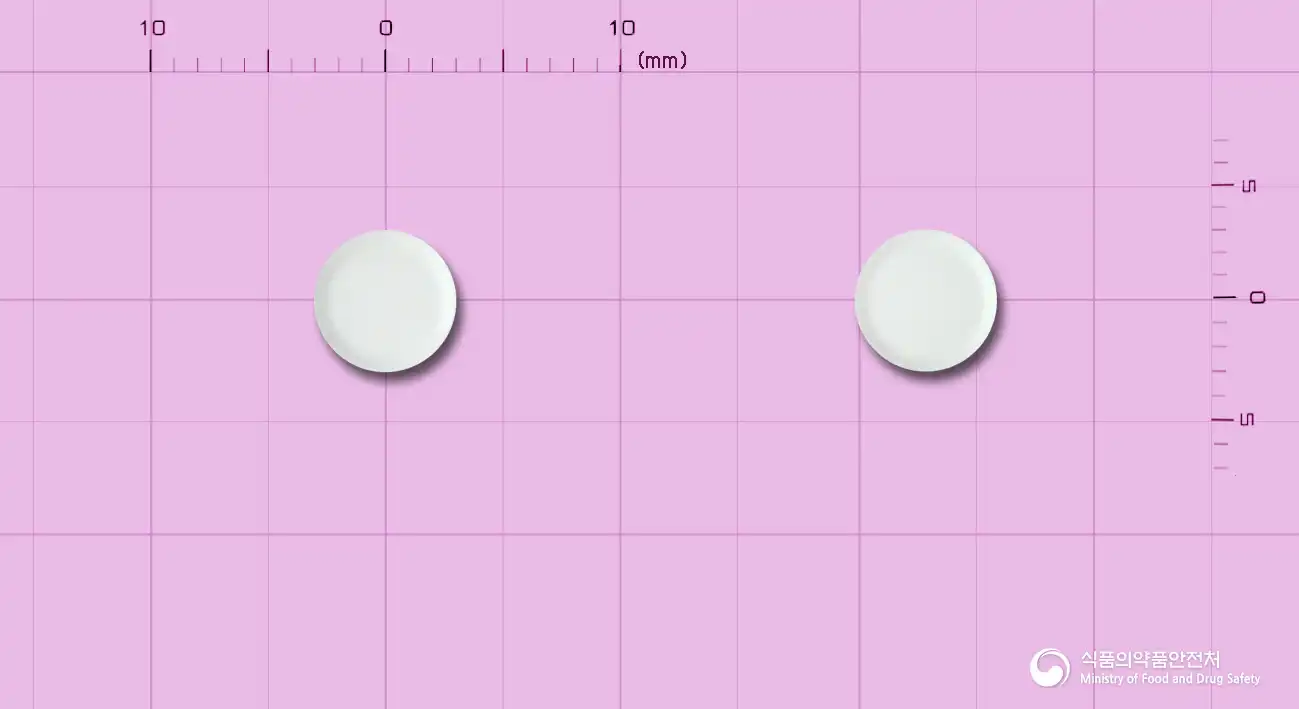
White round tablet
30 tablets
Even with the same ingredient, strength, dosage form and how it is taken can differ.
Viewing nowFentanyl Citrate Micronized 157.1μg
Sublingual Tablet · Prescription medication
Korea Menarini Co., Ltd.
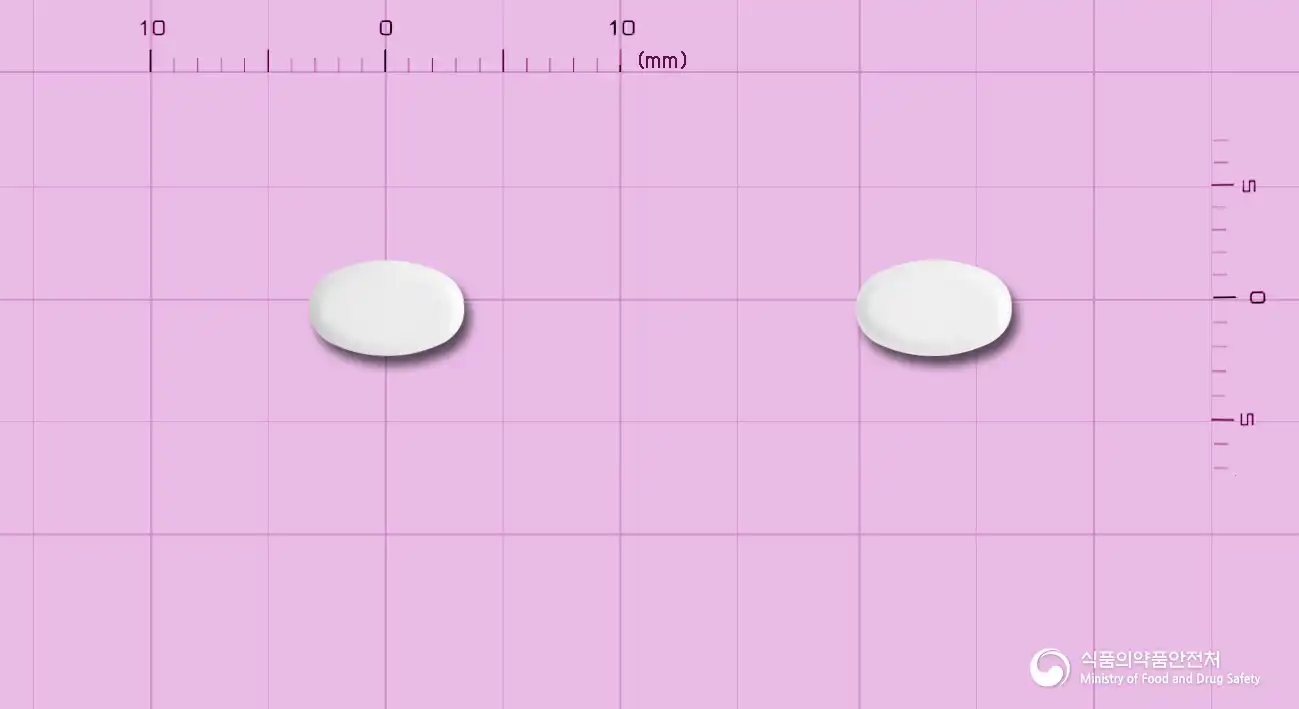
Fentanyl Citrate Micronized 314.2μg
Sublingual Tablet · Prescription medication
Korea Menarini Co., Ltd.
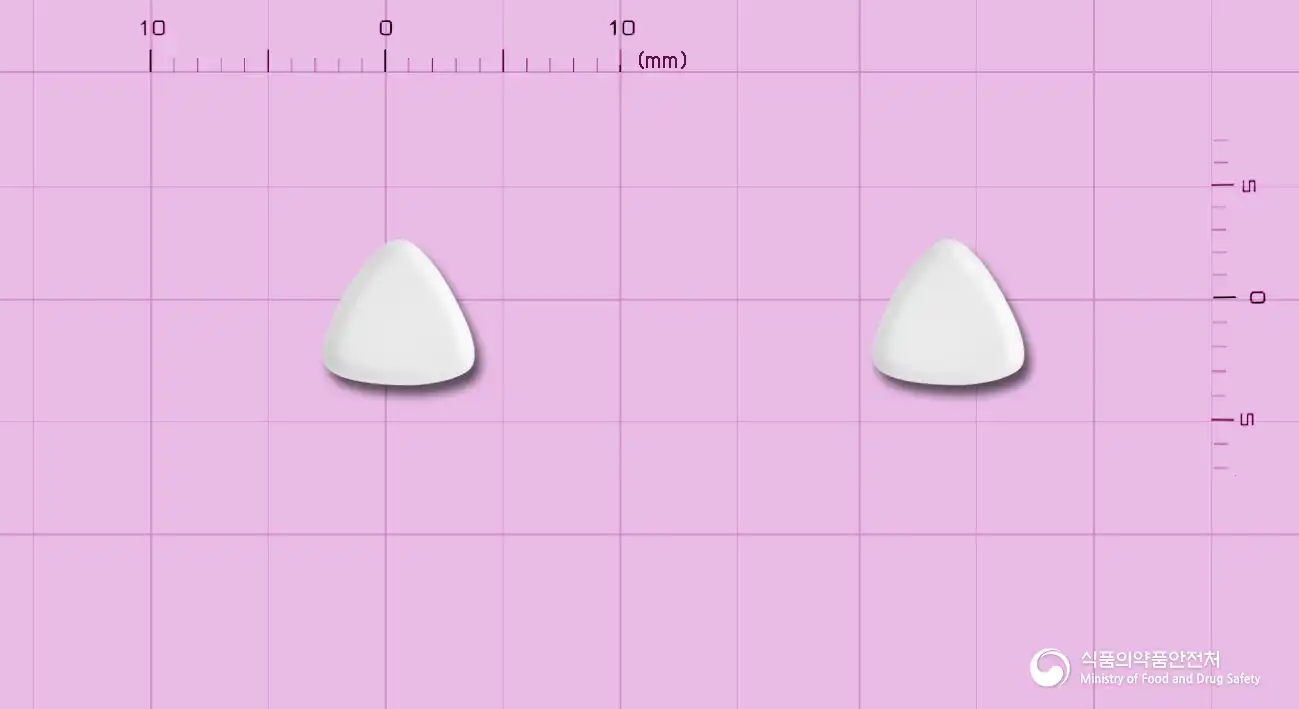
Fentanyl Citrate Micronized 471.3μg
Sublingual Tablet · Prescription medication
Korea Menarini Co., Ltd.
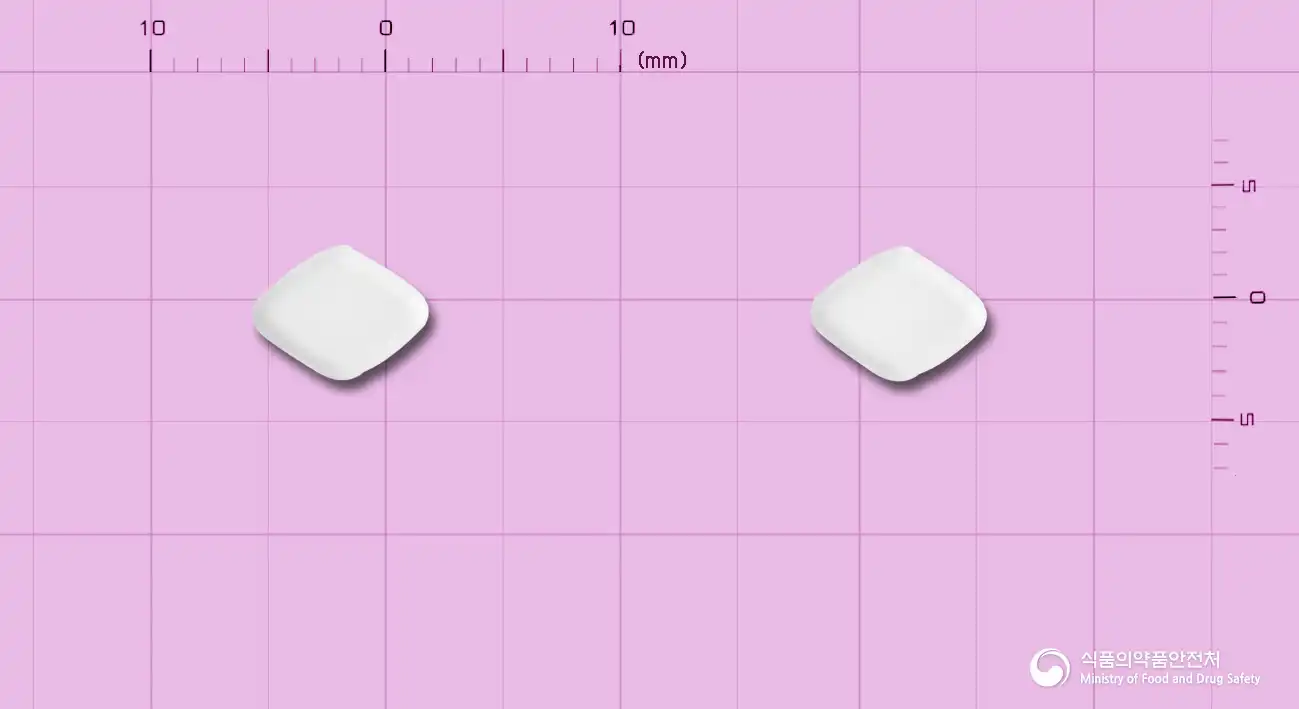
Fentanyl Citrate Micronized 628.4μg
Sublingual Tablet · Prescription medication
Korea Menarini Co., Ltd.
Even with the same ingredient, the dose and directions can differ by strength and dosage form. Talk to a doctor or pharmacist before switching from a medication you are already taking.
No questions yet.
For anything that needs medical judgment, consult a doctor or pharmacist.
This drug information is based on data provided by the Korea Ministry of Food and Drug Safety.
Consult a doctor or pharmacist for accurate dosage, administration, and usage instructions.