
 한국어
 English
 日本語
 中文(简体)
 Viewing now
Eltinib Tablet 150mg (Elotinib Hydrochloride)
Erlotinib Hydrochloride 163.93mg
Tablet · Prescription medication
Boryung Pharmaceutical Co., Ltd.
MFDS item code 201401303 · Approved 2014.03.21 · Insurance code 641906130
Treatment of non-small cell lung cancer and pancreatic cancer
This drug is used for the treatment of locally advanced or metastatic non-small cell lung cancer in patients whose previous chemotherapy has failed. Additionally, it can be used as a first-line therapy if there are active EGFR mutations. In the case of pancreatic cancer, it is utilized in combination with gemcitabine to treat locally advanced, unresectable, or metastatic pancreatic cancer. In summary, this drug is effective in the treatment of non-small cell lung cancer and pancreatic cancer.
1. Non-small cell lung cancer When this drug is administered as first-line treatment for locally advanced or metastatic non-small cell lung cancer, EGFR mutation status should be assessed before starting treatment. This drug is taken at a dose of 150mg once daily, at least 1 hour before a meal or at least 2 hours after a meal. Treatment with this drug may be continued until disease progression or unacceptable toxicity occurs. There are no data on the benefit of treatment after disease progression. 2. Pancreatic cancer In combination with gemcitabine, this drug is taken at a dose of 100mg once daily, at least 1 hour before a meal or at least 2 hours after a meal. Treatment with this drug may be continued until disease progression or unacceptable toxicity occurs. 3. Dose adjustment In patients who develop acute onset of new or worsening pulmonary symptoms such as dyspnea, cough, or fever, treatment with this drug should be interrupted until the diagnostic evaluation is completed. If interstitial lung disease is diagnosed, treatment with this drug should be discontinued and appropriate treatment instituted as needed. Discontinue this drug in patients with hepatic failure or gastrointestinal perforation. Interrupt or temporarily discontinue treatment in dehydrated patients at risk of renal failure, patients with severe bullous or exfoliative skin disorders, and patients with acute or worsening ocular abnormalities. Diarrhea can usually be treated with loperamide. In patients with severe diarrhea that does not respond to loperamide or is accompanied by dehydration, reduce the dose or temporarily interrupt treatment. Reduce the dose or temporarily interrupt treatment in patients with severe skin adverse reactions as well. When dose reduction is necessary, reduce the dose in 50mg increments. Dose reduction should be considered if severe adverse reactions occur in patients receiving concomitant potent CYP3A4 inhibitors such as atazanavir, clarithromycin, indinavir, itraconazole, ketoconazole, nefazodone, nelfinavir, ritonavir, saquinavir, telithromycin, troleandomycin (TAO), voriconazole, or grapefruit juice. If the CYP3A4 inducer rifampicin is administered before this drug, the AUC of this drug may be reduced by approximately 2/3. Therefore, consider using an alternative drug that does not induce CYP3A4. If no alternative is available, consider doses above 150mg for non-small cell lung cancer or above 100mg for pancreatic cancer, while monitoring patient safety and confirming tolerability. If the dose of this drug has been increased, reduce its dose when rifampicin or another inducer is discontinued. Other CYP3A4 inducers include rifabutin, rifapentine, phenytoin, carbamazepine, phenobarbital, and St. John's Wort. These drugs should be avoided if possible. This drug is eliminated through hepatic metabolism and biliary excretion. Therefore, caution is needed when administering it to patients with hepatic impairment. If severe adverse reactions occur, consider reducing the dose or discontinuing this drug. Smoking appears to reduce exposure to this drug by approximately 50-60%. The maximum tolerated dose of this drug in current smokers with non-small cell lung cancer is 300mg. In patients who continue to smoke, administration of a 300mg dose as second-line therapy after chemotherapy did not improve efficacy compared with the recommended dose of 150mg.
This drug may cause serious side effects affecting the lungs, so if symptoms such as shortness of breath, cough, or fever occur, consult a physician immediately. Symptoms similar to pneumonia or interstitial lung disease have been reported especially in patients with lung or pancreatic cancer, so caution is necessary. There is a risk of cardiac and vascular issues, including myocardial infarction and stroke, so any unusual symptoms should be treated immediately. Rarely, one of the blood abnormalities, thrombocytopenia and hemolytic anemia may occur, so regular blood tests are recommended. Diarrhea, dehydration, and electrolyte imbalances may occur; if persistent diarrhea, vomiting, or loss of appetite occurs, notify medical personnel immediately. As it may affect liver function, hepatitis or liver failure could occur, so patients with liver disease need regular liver function testing. Rare side effects such as gastrointestinal perforation have also been reported; patients with a history of gastrointestinal disease should be particularly cautious. If blisters or severe skin rashes occur, discontinue the medication immediately and consult healthcare personnel. Inflammation, ulcers, or corneal perforation in the eyes may occur rarely; if symptoms like blurred vision, pain, or redness occur, seek out an ophthalmologist immediately. This medication contains lactose, and patients with lactose intolerance should not take it. Patients with reduced liver or kidney function should be particularly cautious when taking this medication, and dosage adjustments may be necessary. There are interactions with other drugs, so particularly inform healthcare providers about drugs metabolized in the liver, acid-reducing agents, and smoking habits. Women who are pregnant or breastfeeding should avoid taking this medication, and women who may become pregnant should use appropriate contraception while taking it. Safety and efficacy have not been established for children, so it is preferable not to use it in this population. Older adults can use this medication without specific dose adjustments; however, caution is needed if adverse effects occur. In case of overdose, symptoms such as diarrhea, rash, or liver dysfunction may occur, so use should be discontinued and medical assistance sought immediately. This medication should be stored out of the reach of children and should not be transferred to another container.
Interstitial lung disease-like symptoms, pneumonia, radiation pneumonitis, hypersensitivity pneumonitis, interstitial pneumonia, obstructive bronchiolitis, pulmonary fibrosis, acute respiratory distress syndrome, pulmonary infiltrates, dyspnea, cough, fever, myocardial infarction, cerebrovascular accident, microangiopathic hemolytic anemia associated with thrombocytopenia, diarrhea, dehydration, electrolyte imbalance, renal failure, hepatitis, acute hepatitis, liver failure, gastrointestinal perforation, vesicular and exfoliative skin disorders, Stevens-Johnson syndrome, toxic epidermal necrolysis, corneal perforation, corneal ulcer, ocular inflammation, tear secretion, photosensitivity, blurred vision, ocular pain, congestion, rash, loss of appetite, fatigue, nausea, infection, vomiting, stomatitis, pruritus, dry skin, conjunctivitis, dry eye syndrome, abdominal pain, liver function abnormalities, epistaxis, acne, skin fissures, hyperpigmentation, perionychitis, alopecia, hirsutism, changes in eyelashes/eyebrows, nail brittleness and wobbliness, deep vein thrombosis, syncope, arrhythmia, intestinal pseudomembranous colitis, pancreatitis, thrombocytopenia, cerebral hemorrhage, elevated bilirubin, elevated ALT, elevated AST, gastrointestinal bleeding, hematemesis, melena, black stools, colitis, eyelash avulsion, excessive growth, hypertrophy, liver abscess, dyspepsia, constipation, bone pain, myalgia, depression, dizziness, headache, insomnia, anxiety, neuropathy, bloating, stiffness, weakness, anemia, sepsis, pulmonary embolism, pneumonia, systemic weakness, hemoptysis, pain, sputum, uveitis, intestinal pneumatosis, elevated INR, bleeding, rhabdomyolysis, statin-induced myopathy
Not everyone experiences these, and they can vary from person to person.
This drug should be stored in a tightly closed container to protect it from air and moisture. It is best to maintain a storage temperature between 1 and 30 degrees Celsius. By storing it this way, the effectiveness and safety of the drug can be preserved for a long time.
White to yellowish round film-coated tablet
30 tablets (10 tablets/PTP*3)
Even with the same ingredient, strength, dosage form and how it is taken can differ.
Viewing nowErlotinib Hydrochloride 163.93mg
Tablet · Prescription medication
Boryung Pharmaceutical Co., Ltd.
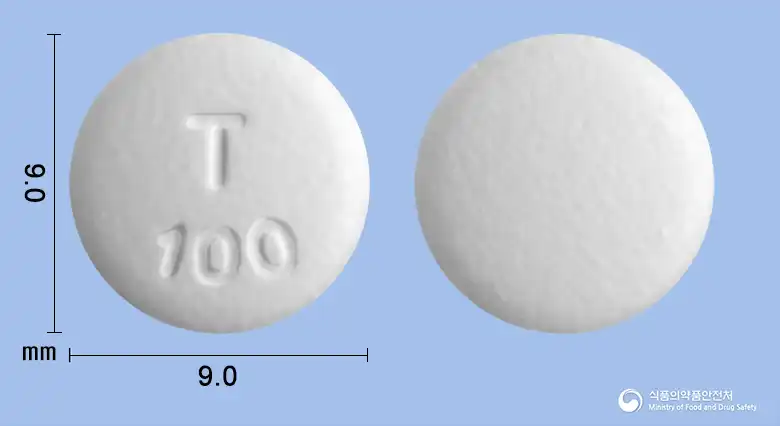
Erlotinib Hydrochloride 109.29mg
Tablet · Prescription medication
Boryung Pharmaceutical Co., Ltd.
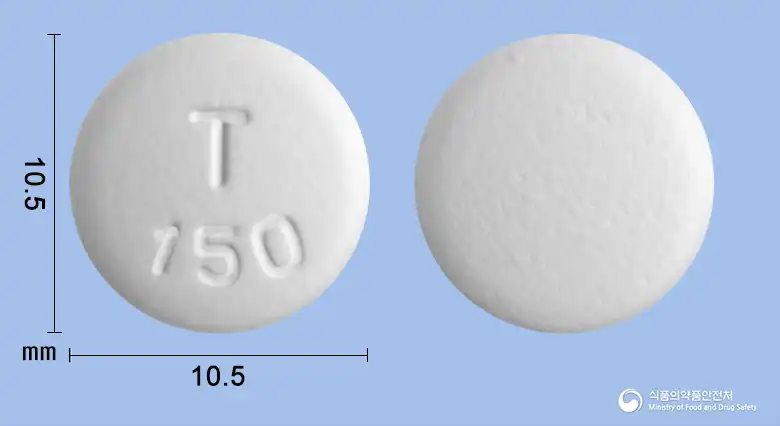
Erlotinib Hydrochloride 163.93mg
Tablet · Prescription medication
Boryung Pharmaceutical Co., Ltd.
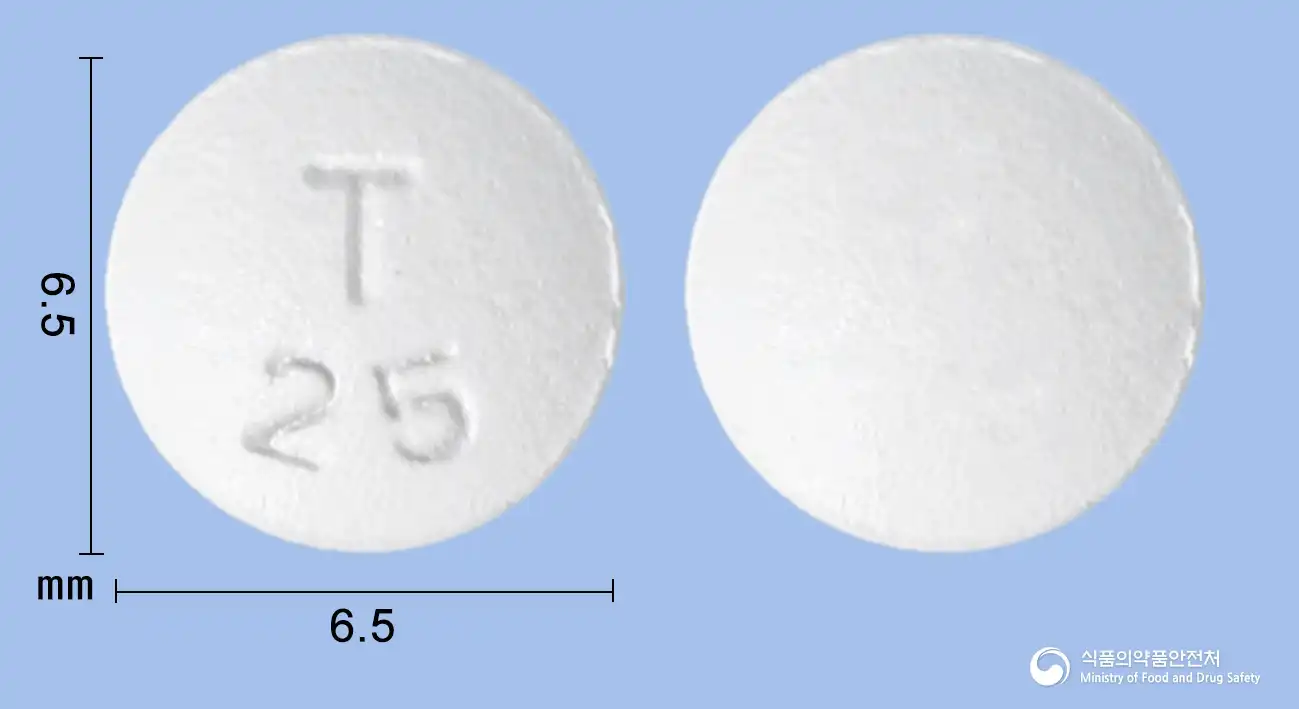
Erlotinib Hydrochloride 27.32mg
Tablet · Prescription medication
Boryung Pharmaceutical Co., Ltd.
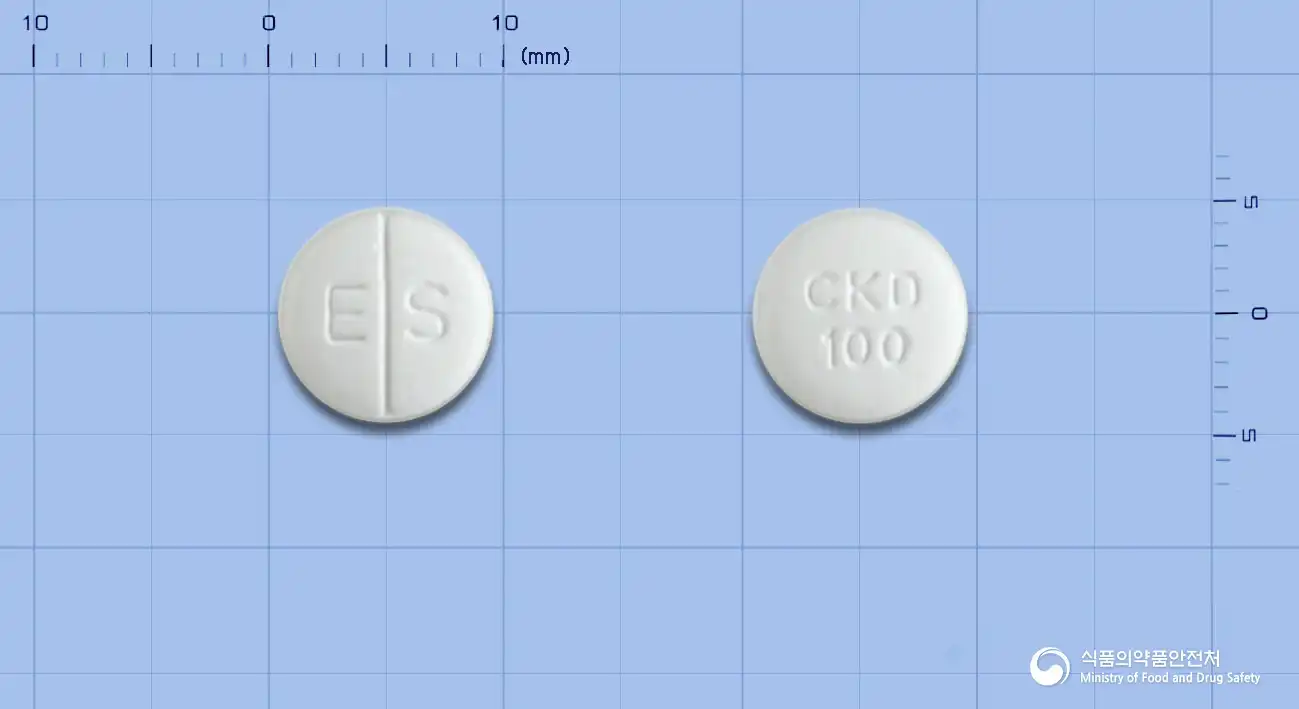
Erlotinib Hydrochloride 109.29mg
Tablet · Prescription medication
Jongkun Dang Co., Ltd.
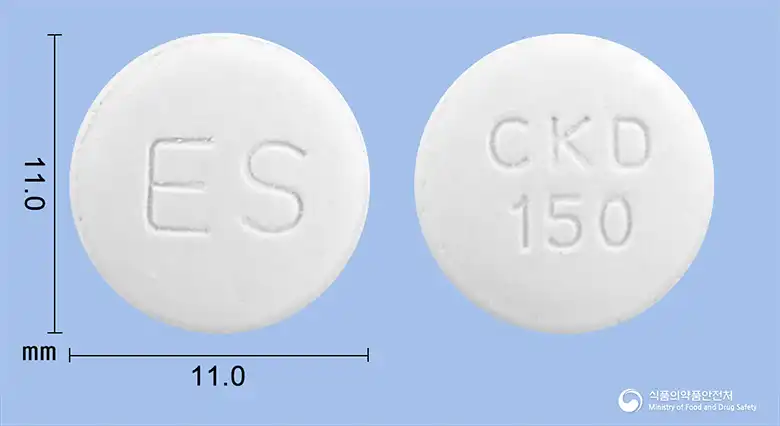
Erlotinib Hydrochloride 163.93mg
Tablet · Prescription medication
Jongkundang Co., Ltd.
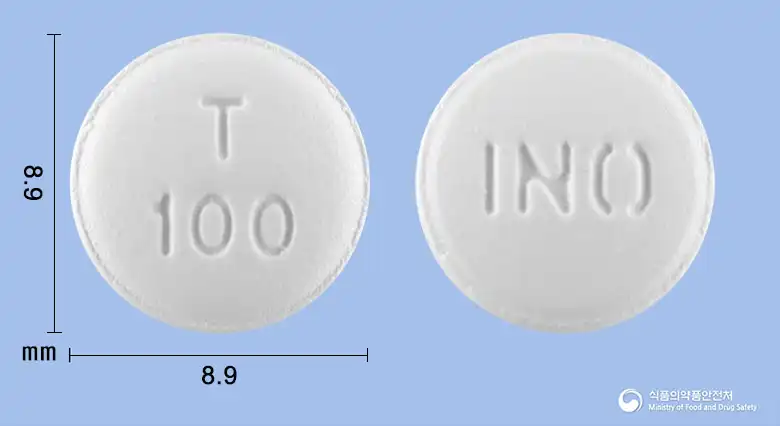
Erlotinib Hydrochloride 109.29mg
Tablet · Prescription medication
HK inno.N Co., Ltd.
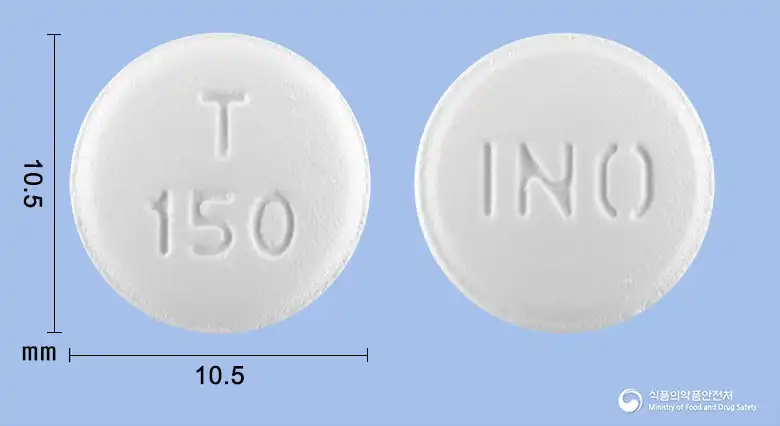
Erlotinib Hydrochloride 163.93mg
Tablet · Prescription medication
HK inno.N Co., Ltd.
Even with the same ingredient, the dose and directions can differ by strength and dosage form. Talk to a doctor or pharmacist before switching from a medication you are already taking.
No questions yet.
For anything that needs medical judgment, consult a doctor or pharmacist.
This drug information is based on data provided by the Korea Ministry of Food and Drug Safety.
Consult a doctor or pharmacist for accurate dosage, administration, and usage instructions.