
 한국어
 English
 日本語
 中文(简体)
 Viewing now
Geotryp Tablets 30mg (Apatinib Maleate)
Afatinib Dimaleate 44.34mg
Tablet · Prescription medication
Boehringer Ingelheim Korea Co., Ltd.
MFDS item code 201400443 · Approved 2014.01.29 · Insurance code 653501440
First-line treatment of EGFR-mutated non-small cell lung cancer; treatment of squamous cell lung cancer that has progressed during or after platinum-based therapy
This drug is used for the first-line treatment of locally advanced or metastatic non-small cell lung cancer with EGFR active mutations. It is also used to treat locally advanced or metastatic squamous cell non-small cell lung cancer that occurs during or after platinum-based chemotherapy. In other words, this drug is effective in treating lung cancer patients with specific genetic mutations and lung cancer patients whose condition worsens after chemotherapy.
When this medicine is used as first-line treatment for locally advanced or metastatic non-small cell lung cancer, EGFR mutation status must be assessed before starting treatment. Take this medicine at a dose of 40mg orally once daily at least 1 hour before a meal or at least 3 hours after a meal. This medicine should be administered without food (see Interactions section); swallow the tablet whole with water. Treatment may be continued until disease progression or unacceptable toxicity occurs. Temporarily interrupt treatment with this medicine if any of the following adverse drug reactions occur: ‧ NCI CTCAE1 grade 3 or higher ‧ Grade 2 or higher diarrhea lasting 2 days or more despite antidiarrheal treatment ‧ Grade 2 skin reactions lasting 7 days or more or that are intolerable ‧ Grade 2 or higher renal impairment Once the adverse drug reaction has recovered to grade 1 or lower, restart treatment at a dose reduced by 10mg from the previous dose. Permanently discontinue treatment with this medicine in any of the following cases: ‧ Severe bullous, blistering, or exfoliative skin symptoms ‧ Interstitial lung disease ‧ Severe hepatic impairment ‧ Persistent ulcerative keratitis ‧ Symptoms of left ventricular dysfunction ‧ A severe or intolerable adverse reaction at a daily dose of 20mg Exposure to this medicine has been shown to increase in patients with moderate or severe renal impairment. No dose adjustment is required in patients with mild (glomerular filtration rate (eGFR) 60-89mL/min) or moderate (glomerular filtration rate (eGFR) 30-59mL/min) renal impairment. A dose of 30mg once daily is recommended in patients with severe renal impairment (glomerular filtration rate (eGFR) 15-29mL/min). Use of this medicine is not recommended in patients with a glomerular filtration rate (eGFR) below 15mL/min or in patients on dialysis. No initial dose adjustment is required in patients with mild hepatic impairment (Child Pugh A) or moderate hepatic impairment (Child Pugh B). Studies of this medicine have not been conducted in patients with severe hepatic impairment (Child Pugh C); therefore, its use is not recommended. Patients who need to receive a P-glycoprotein (P-gp) inhibitor should take it with this medicine or after taking this medicine (see Precautions and Interactions sections). If the tablet cannot be swallowed whole, it may be dispersed in approximately 100ml of noncarbonated drinking water; do not use any other liquid. Do not crush this medicine. Place it in water and stir occasionally for 15 minutes until the tablet breaks into very small particles, then take the dispersion immediately. Rinse the cup used with approximately 100ml of water and drink it. The dispersion may also be administered through a gastric tube.
The safety and efficacy of this medicine in children have not been studied; therefore, its use is not recommended in pediatric patients.
This drug may cause harmful effects to the fetus if taken during pregnancy; therefore, pregnant women should not take it, and if pregnancy is confirmed during treatment, they should consult a doctor immediately. This drug may cause serious skin reactions including blisters or hives, and if any abnormal skin symptoms appear, the patient must stop taking it immediately and seek medical attention. Patients with an allergic reaction or hypersensitivity to any ingredients in this drug must not take it. Patients with lactose intolerance should not take this drug due to the lactose it contains. Patients with a history of interstitial lung disease or sudden onset of symptoms should be evaluated by a doctor immediately, and in severe cases, they should stop taking this drug. Patients with severe liver impairment must undergo regular liver function tests while taking this drug, and if liver function worsens, they should stop taking it. It may interact with other medications, so especially those taking P-gp inhibitors or inducers must consult a doctor or pharmacist before taking. Common side effects may include diarrhea, skin rash, stomatitis, so if symptoms occur, appropriate treatment should be taken and dosage adjustments may be needed. If severe diarrhea occurs while taking this drug, prompt treatment should start, and if dehydration symptoms appear, intravenous hydration may be necessary. Exposure to sunlight may worsen skin reactions, so UV protection and shielding are necessary during treatment. Women of childbearing potential must practice effective contraception during and for at least 2 weeks after taking this drug, and it is advisable not to take it while breastfeeding. There is no specific antidote for overdose, so if symptoms appear, notify a doctor immediately and seek supportive care. The effects on driving or machinery operation are not known, but caution may be necessary depending on symptoms.
Stevens-Johnson syndrome, toxic epidermal necrolysis, blistering, peeling skin symptoms, interstitial lung disease, diarrhea, skin-related adverse events, stomatitis, paronychia, cystitis, loss of appetite, dehydration, hypokalemia, dysgeusia, conjunctivitis, dry eye, keratitis, epistaxis, rhinorrhea, nausea, vomiting, dyspepsia, cheilitis, pancreatitis, gastrointestinal perforation, alanine aminotransferase elevation, aspartate aminotransferase elevation, rash, acneiform dermatitis, pruritus, dry skin, erythema-related sensory neuropathy, nail disorders, muscle cramps, renal impairment, renal failure, fever, weight loss, nail infections, subungual infections, canker sores, oral inflammation, oral ulcers, mucosal erosion, mucosal ulcers, pustular acne, generalized pruritus, cracked skin, onycholysis, toxic nail condition, nail brittleness, ingrown toenails, nail pitting, nail loss, nail discoloration, nail dystrophy, nail clubbing, nail malformation, stomatitis, canker sores, mucosal inflammation, oral ulcers, mucosal erosion, mucosal ulcers, priority terms related to rash, acne, pustular acne, acne-like skin, dry skin, cracked skin, pruritus, generalized pruritus, abnormal liver function tests, abnormal liver function tests (including elevated ALT and AST), interstitial lung disease patterns, pneumonia, respiratory distress, pleural effusion, acute kidney injury, upper respiratory infection, gastroenteritis, atypical pneumonia, bacterial pneumonia, acute pyelonephritis, septic shock, cough, wet cough, hemoptysis, pulmonary inflammation, pulmonary embolism, asthma, pneumothorax, pulmonary fibrosis, decreased appetite, reduced food intake, fatigue, fever, headache, dizziness, hemiparesis, cerebral infarction, hydrocephalus, seizures, back pain, limb pain, spinal displacement, anemia, deep vein thrombosis, pericardial effusion, gastroesophageal reflux disease, dysphagia, gastric ulcer, hemorrhoids, passage of bloody stools, melena, pruritus, drug rash, seborrheic dermatitis, maculopapular rash, skin pain, nail pain, skin vasculitis, diaper dermatitis, skin disease, dry eczema, hirsutism, spots, neurodermatitis, papules, petechiae, phototoxic reactions, psoriasis, rosacea, bacteremia, chest wall abscess, chronic sinusitis, Clostridium difficile colitis, onychomycosis, dermatophyte infection, ear infection, herpetic eczema, streptococcal infection, Helicobacter infection, herpes simplex virus, impetigo, infectious pleural effusion, esophageal candidiasis, omphalitis, otitis externa, parotitis, viral pneumonia, renal abscess, sinusitis, subcutaneous abscess, systemic candidiasis, urethritis, viral rash, vulvovaginal candidiasis, allergic rhinitis, exercise-induced respiratory distress, hiccups, nasal ulcer, vocal impairment, hemoptysis, hematuria, toxic nephropathy, azotemia, ureterolithiasis, neurogenic bladder, cataract, vision loss, visual impairment, conjunctival hemorrhage, allergic conjunctivitis, punctate keratitis, leukocytosis, lymphadenitis, pancytopenia, thrombocytosis, skin laceration, hypertension, essential hypertension, lymphedema, ventricular tachycardia, atrial fibrillation, sinus tachycardia, tinnitus, ear ringing, positional vertigo, cholelithiasis, drug-induced liver injury, hepatic sclerosis, alcoholic hepatitis, toxic hepatitis, hyperbilirubinemia, genital pruritus, atrophic vulvovaginitis, genital erosion, irregular menstruation, vaginal bleeding, adrenal insufficiency, dysregulation of antidiuretic hormone secretion
Not everyone experiences these, and they can vary from person to person.
This drug should be stored at room temperature between 1°C and 30°C. It is also important to store it in a tightly sealed container to prevent exposure to air or moisture.
Dark blue, round film-coated tablet with a biconvex shape
28 tablets (7 tablets/PTP * 4 tablets)
Even with the same ingredient, strength, dosage form and how it is taken can differ.
Viewing nowAfatinib Dimaleate 44.34mg
Tablet · Prescription medication
Boehringer Ingelheim Korea Co., Ltd.
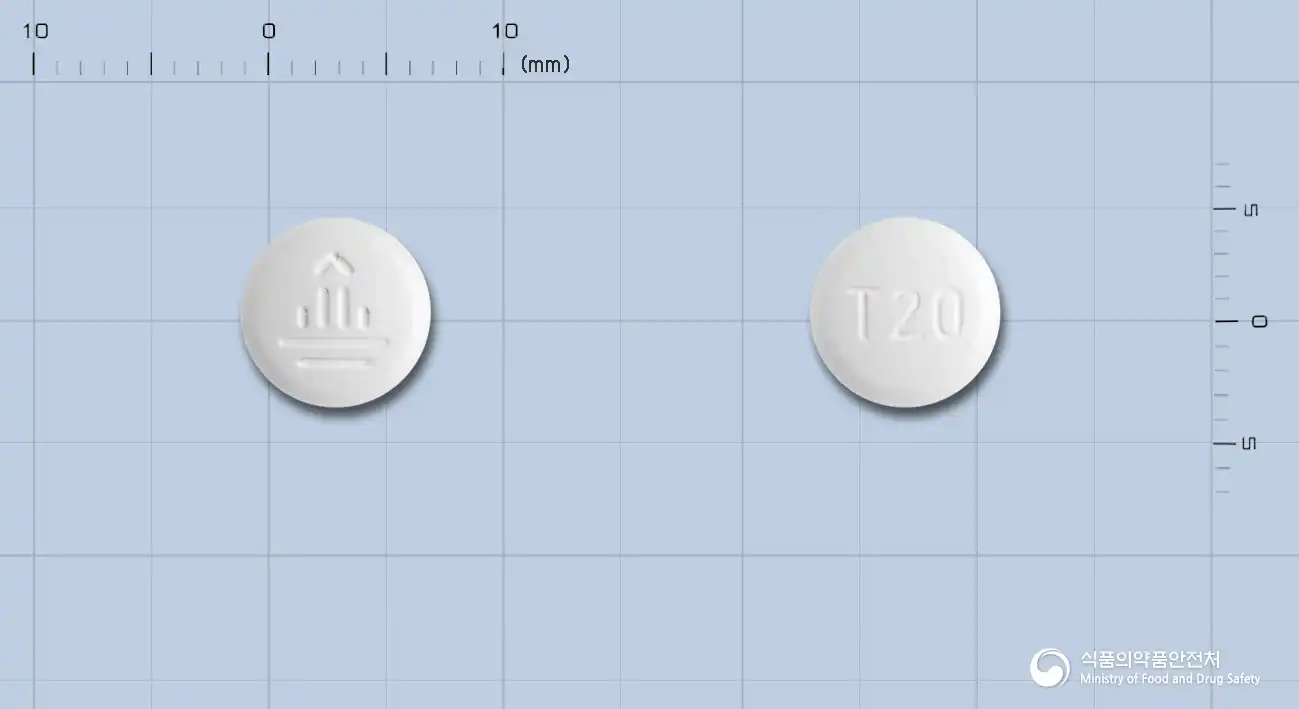
Afatinib Dimaleate 29.56mg
Tablet · Prescription medication
Boehringer Ingelheim Korea Co., Ltd.
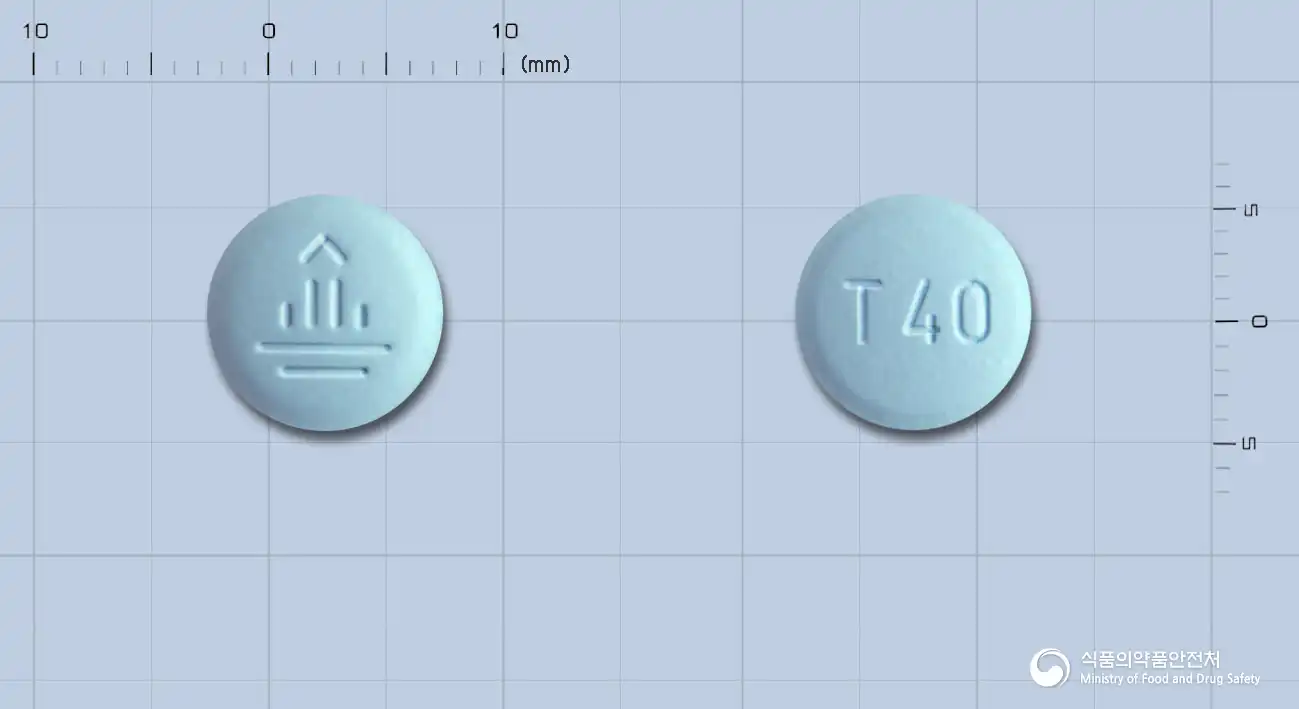
Afatinib Dimaleate 59.12mg
Tablet · Prescription medication
Boehringer Ingelheim Korea Co., Ltd.
Even with the same ingredient, the dose and directions can differ by strength and dosage form. Talk to a doctor or pharmacist before switching from a medication you are already taking.
No questions yet.
For anything that needs medical judgment, consult a doctor or pharmacist.
This drug information is based on data provided by the Korea Ministry of Food and Drug Safety.
Consult a doctor or pharmacist for accurate dosage, administration, and usage instructions.