
 한국어
 English
 日本語
 中文(简体)
Dosage form image
Viewing nowGelcatabine 150 mg (Capecitabine)
Capecitabine 150mg
Tablet · Prescription medication
Shinpoong Pharmaceutical Co., Ltd.
MFDS item code 201400417 · Approved 2014.01.29
This product's status changed to Expired on 2024.01.29. It may no longer be sold, so consult a doctor or pharmacist before taking it.
Treatment of colorectal cancer, gastric cancer, and breast cancer
This medication is used for the treatment of colorectal cancer, breast cancer, and gastric cancer. For colorectal cancer, it is used to prevent recurrence after surgery and for the treatment of metastatic colorectal cancer, especially as an adjuvant therapy for stage III colorectal cancer, either alone or in combination with oxaliplatin. In breast cancer, it is prescribed in combination with docetaxel for patients with locally advanced or metastatic breast cancer who have failed treatment with taxanes and anthracycline-based agents. For gastric cancer, it is used as first-line therapy in combination with platinum-based agents in patients with unresectable advanced or metastatic cancer, and as an adjuvant therapy in combination with oxaliplatin after surgery for stage II and III gastric cancer. It effectively improves anticancer treatment across various cancer types.
This medicine should be swallowed whole with water within 30 minutes after a meal. Do not cut or crush this medicine. If the patient cannot swallow this medicine whole and the tablet must be cut or crushed, this should be done by a professional trained in the safe handling of cytotoxic drugs. ○ Colorectal cancer, breast cancer The recommended dosage of this medicine is 1,250mg/㎡ twice daily (morning and evening) for 2 weeks, followed by a 1-week rest period, in 3-week cycles. When used in combination with docetaxel, the recommended dosage of this medicine is 1,250mg/m2 twice daily (approximately 12 hours apart) for 2 weeks, followed by a 1-week rest period, in 3-week cycles; docetaxel 75mg/m2 is administered intravenously over 1 hour every 3 weeks. When this medicine is used in combination with docetaxel, premedication should be administered before docetaxel according to its prescribing information. For metastatic colorectal cancer, when used in combination with oxaliplatin, the recommended dosage of this medicine is 1000mg/m2 twice daily for 2 weeks, followed by a 1-week rest period, in 3-week cycles. Concomitant use with bevacizumab does not affect the initial dose of this medicine. For adjuvant therapy after surgery for stage III (Dukes’ C) colon cancer, administer as follows. When this medicine is administered as monotherapy, the recommended dosage is 1,250mg/m2 twice daily (morning and evening) for 2 weeks, followed by a 1-week rest period, in 3-week cycles, for a total of 8 cycles (24 weeks). When this medicine is used in combination with oxaliplatin, the recommended dosage is 1,000mg/m2 twice daily (morning and evening) for 2 weeks, followed by a 1-week rest period, in 3-week cycles. Oxaliplatin is administered as an intravenous infusion of 130mg/m2 over 2 hours on day 1 of each cycle, before the first dose of this medicine. A total of 8 cycles (24 weeks) is recommended. When this medicine is used in combination with oxaliplatin, antiemetics and premedication before oxaliplatin administration are recommended according to the prescribing information for oxaliplatin. ○ Gastric cancer 1) Inoperable advanced or metastatic gastric cancer The recommended dosage of this medicine is 1,250mg/㎡ twice daily (morning and evening) for 2 weeks, followed by a 1-week rest period, in 3-week cycles. 2) First-line treatment of advanced gastric cancer in combination with a platinum-based regimen The recommended initial dose of this medicine is 1,000mg/m2 twice daily orally for 2 weeks, followed by a 1-week rest period, in 3-week cycles, or 625mg/m2 twice daily continuously for 3 weeks. When this medicine is used in combination with cisplatin, premedication should be administered before cisplatin according to its prescribing information. ① When used in combination with cisplatin, the recommended dosage of this medicine is 1,000mg/m2 twice daily (morning and evening) for 2 weeks, followed by a 1-week rest period, in 3-week cycles; cisplatin 80mg/m2 is administered by intravenous infusion over 2 hours every 3 weeks. ② When used in combination with cisplatin and epirubicin, the recommended dosage of this medicine is 625mg/m2 twice daily (morning and evening) continuously for 3 weeks, in 3-week cycles; cisplatin 60mg/m2 is administered by intravenous infusion over 2 hours every 3 weeks, and epirubicin 50mg/m2 is administered as an intravenous bolus every 3 weeks. ③ When used in combination with oxaliplatin and epirubicin, the recommended dosage of this medicine is 625mg/m2 twice daily (morning and evening) continuously for 3 weeks, in 3-week cycles; oxaliplatin 130mg/m2 is administered by intravenous infusion over 2 hours every 3 weeks, and epirubicin 50mg/m2 is administered as an intravenous bolus every 3 weeks. 3) When used in combination with oxaliplatin as adjuvant therapy after surgery for stage Ⅱ, Ⅲ gastric cancer, the recommended dosage of this medicine is 1000 mg/m2 orally twice daily for 2 weeks, followed by a 1-week rest period, in 3-week cycles; oxaliplatin 130 mg/m2 is administered by intravenous infusion over 2 hours every 3 weeks. ○ Dosage adjustment guidelines: Patients should be carefully monitored for toxicity. Toxicity due to this medicine may be managed with symptomatic treatment, temporary interruption of treatment, and dose adjustment. Once the dose has been reduced, it should not be increased later. If toxicity judged by the treating physician to be non-serious or non-life-threatening occurs (e.g., alopecia, taste changes, nail changes), treatment may continue at the same dose without dose reduction or treatment interruption. Patients should be advised that moderate or severe toxicity may require immediate interruption of treatment. Dose adjustment during treatment with this medicine Toxicity grade* During the treatment cycle Dose adjustment for the next cycle (% of starting dose) Grade 1 Maintain the dose Maintain the dose Grade 2 ∙First occurrence Temporarily interrupt treatment until it resolves to grade 0-1 100% ∙Second occurrence Temporarily interrupt treatment until it resolves to grade 0-1 75% ∙Third occurrence Temporarily interrupt treatment until it resolves to grade 0-1 50% ∙Fourth occurrence Permanently discontinue treatment Grade 3 ∙First occurrence Temporarily interrupt treatment until it resolves to grade 0-1 75% ∙Second occurrence Temporarily interrupt treatment until it resolves to grade 0-1 50% ∙Third occurrence Permanently discontinue treatment Grade 4 ∙First occurrence Permanently discontinue treatment, or, if continuing treatment is considered to be in the patient's best interest, temporarily interrupt treatment until it resolves to grade 0-1 50% ∙Second occurrence Permanently discontinue treatment * The NCIC CTG Common Toxicity Criteria and the CTCAE of the Cancer Therapy Evaluation Program were used. Hematologic: Patients with a baseline neutrophil count below 1.5×10⁹/L and/or platelet count below 100×109/L should not take this medicine. If, during a treatment cycle, laboratory values fall to a neutrophil count of 1.0×10⁹/L or less or a platelet count of 75×109/L or less, treatment with this medicine should be interrupted. Dosage adjustment guidelines for toxicity when this medicine is administered in 3-week cycles in combination with other drugs: When this medicine is administered in 3-week cycles in combination with other drugs, dosage should be adjusted according to the dosage adjustment guidelines for this medicine and the prescribing information for the concomitant drug. - If this medicine and another drug are temporarily interrupted because of toxicity occurring early in a treatment cycle, treatment should not be resumed until the criteria for resuming both the concomitant drug and this medicine are met. - If toxicity considered unrelated to this medicine occurs during a treatment cycle, continue this medicine and adjust the dose of the other drug according to its prescribing information. - If treatment with the other drug is permanently discontinued, this medicine may be continued if the criteria for resuming treatment are met. The above applies to all patient groups treated for all approved indications. Dosage adjustment guidelines for toxicity when this medicine is administered continuously in combination with other drugs: When this medicine is administered continuously in combination with other drugs, the recommended dosage for toxicity should be adjusted according to the dosage adjustment guidelines for this medicine and the prescribing information for the concomitant drug. ○ Dosage and administration in special populations Patients with hepatic impairment There are insufficient safety and efficacy data on the effects of this medicine in patients with hepatic impairment, and no information is available on hepatic impairment due to cirrhosis or hepatitis. Patients with renal impairment Patients with severe renal impairment (creatinine clearance below 30mL/min) should not take this medicine. The incidence of grade 3 or 4 adverse reactions was found to be higher in patients with moderate renal impairment (creatinine clearance 30-50mL/min). In patients with moderate renal impairment, reduce the dose to 75% of 1250mg/m2; no adjustment is necessary for the 1000mg/m2 dose. No dose adjustment is necessary in patients with mild renal impairment (creatinine clearance 51-80mL/min). Patients who develop grade 2, 3, or 4 adverse reactions during treatment should be closely monitored, and subsequent doses should preferably be adjusted with reference to the dosage adjustment guidelines for this medicine. If creatinine clearance decreases to below 30mL/min during treatment, treatment with this medicine should be discontinued. Dose adjustment in patients with renal impairment applies to both monotherapy and combination therapy. Older adults ◆ No dose adjustment is necessary when this medicine is used as monotherapy. However, the incidence of treatment-related grade 3 or 4 adverse reactions was higher in patients aged 60 years or older. ◆ In patients aged 65 years or older who took this medicine in combination with other anticancer drugs, the incidence of grade 3 or 4 adverse reactions leading to treatment discontinuation was higher. Therefore, patients aged 60 years or older receiving this medicine should be closely monitored. - Combination therapy with docetaxel: The incidence of treatment-related grade 3 or 4 adverse reactions and serious adverse reactions increased in patients aged 60 years or older. When this medicine is administered in combination with docetaxel to patients aged 60 years or older, administer 75% of the dose (950mg/m2 twice daily). If no toxicity occurs at the 75% dose, the dose may be increased to 1250mg/m2 twice daily.
There is no experience with administration to patients under 18 years of age.
This medication may cause diarrhea, which can lead to dehydration if severe, so patients should be closely monitored, and IV fluids and electrolyte replacement may be necessary. Dehydration can occur while taking this medication; therefore, it is essential to prevent and treat dehydration immediately if symptoms such as nausea, vomiting, or diarrhea arise. This drug can cause severe toxicity in patients with specific enzyme deficiencies, so it is important to test for such deficiencies before use. Symptoms like pain, swelling, or rash in the hands and feet may indicate hand-foot syndrome, and if symptoms are severe, the medication should be discontinued or the dosage reduced. Patients with a history of heart disease may be at higher risk of cardiac-related side effects while taking this medication. Caution is required for patients with abnormal calcium levels. For patients with neurological conditions such as brain metastasis, this drug may cause central nervous system side effects, so they should be careful. Patients with diabetes or electrolyte imbalances may experience worsening conditions due to this medication, requiring close attention. This drug may interact with certain anticoagulants or anticonvulsants; hence, if taken together, blood tests must be closely monitored. Patients with impaired liver or kidney function are at a higher risk of adverse reactions while taking this medication, necessitating careful oversight and possible dose adjustments. Severe skin reactions can occur; thus, if any unusual skin symptoms arise, discontinue the medication immediately. Pregnant or breastfeeding women should not take this medication, and fertile men and women must use effective contraception throughout treatment. The elderly should be monitored more carefully as side effects may be more severe. In the case of overdose, symptoms such as nausea, vomiting, diarrhea, and bone marrow suppression may occur; therefore, it is crucial to maintain strict adherence to the prescribed dosage. If dizziness or fatigue occurs while taking this medication, driving or operating machinery should be avoided. This medication should not be stored above 30 degrees Celsius and must be kept out of reach of children, with safe handling and disposal procedures in place. If side effects occur during treatment, contact a healthcare provider immediately, especially regarding diarrhea, nausea, vomiting, hand-foot syndrome, stomatitis, and fever.
Not everyone experiences these, and they can vary from person to person.
Store this medication in a tightly closed container that is well-aired, ideally at room temperature between 1 and 30 degrees Celsius. This helps maintain its efficacy over time.
Pale pink oval film-coated tablets
60 tablets (10 tablets/PTP X 6)
Even with the same ingredient, strength, dosage form and how it is taken can differ.
Capecitabine 150mg
Tablet · Prescription medication
Shinpoong Pharmaceutical Co., Ltd.
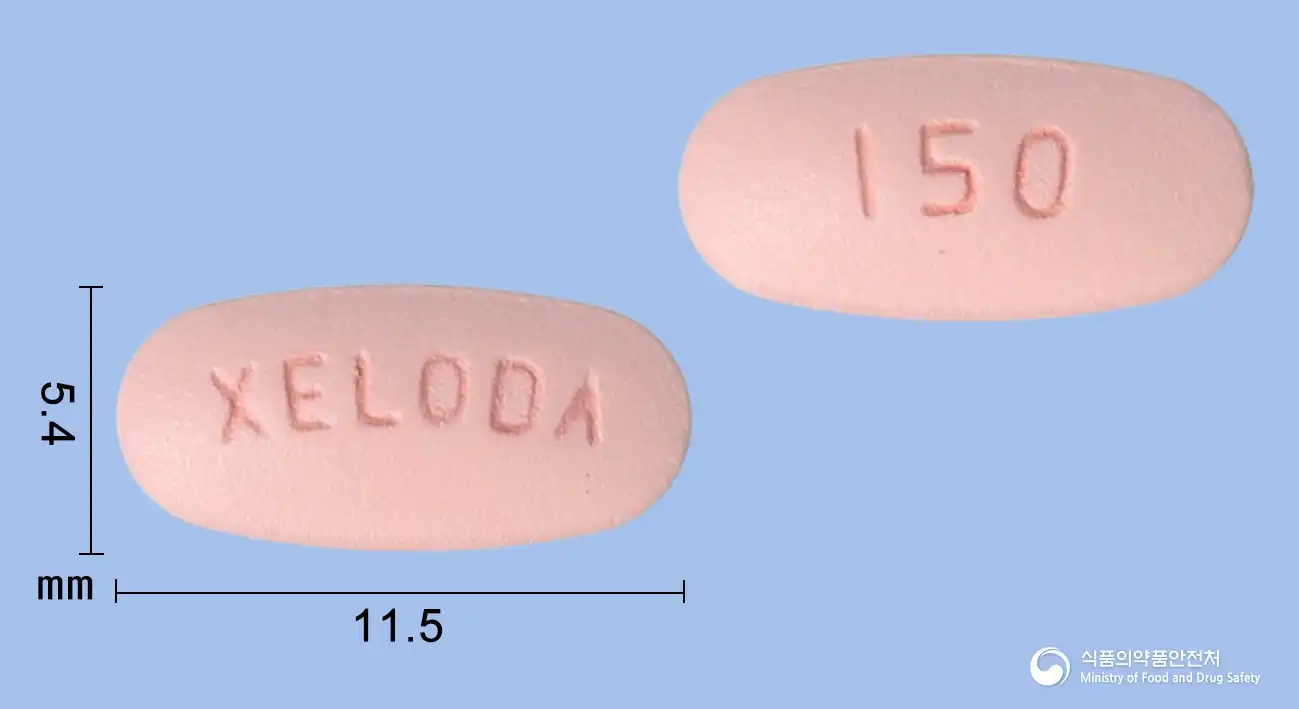
Capecitabine 150mg
Tablet · Prescription medication
Boryung Pharmaceutical Co., Ltd.
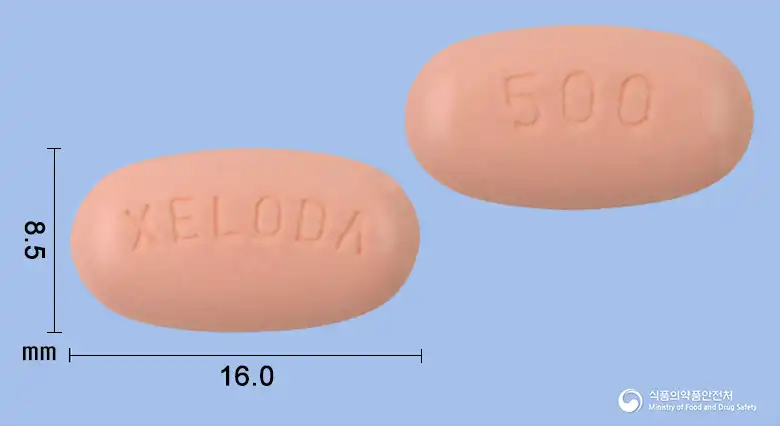
Capecitabine 500mg
Tablet · Prescription medication
(Co., Ltd.) Boryung
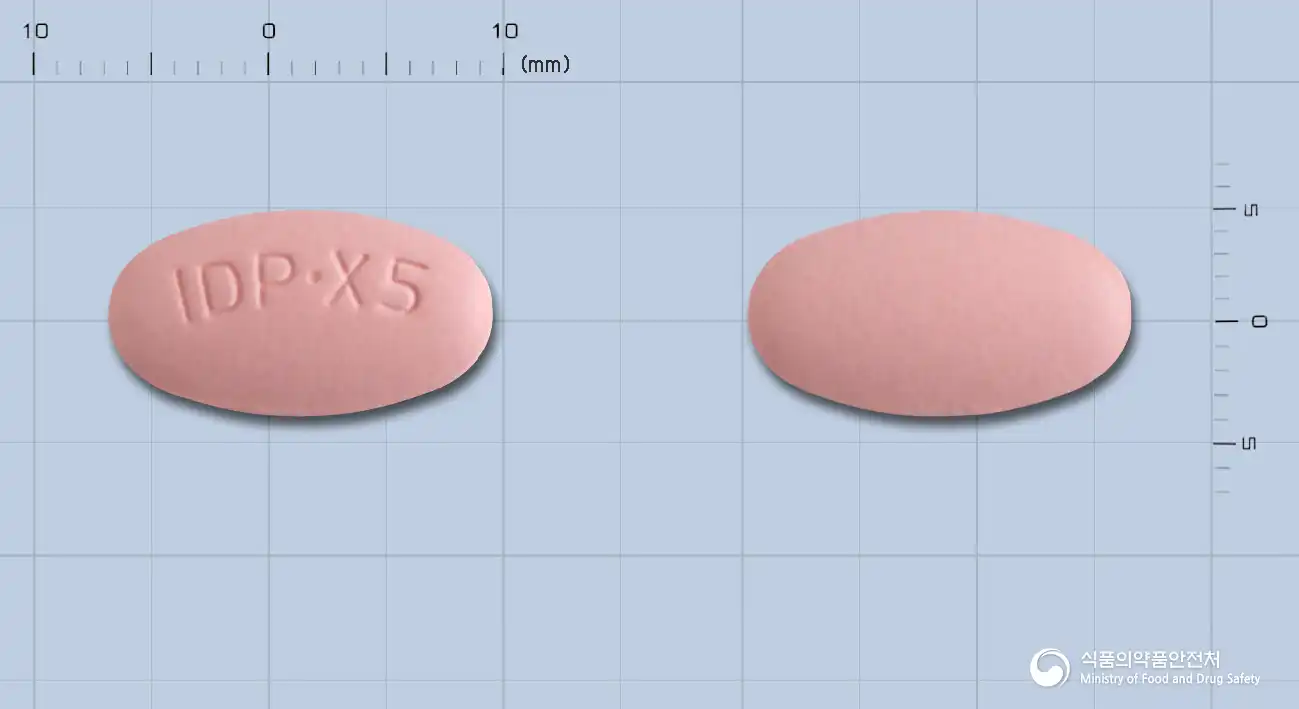
Capecitabine 500mg
Tablet · Prescription medication
IlDong Pharmaceutical Co., Ltd.
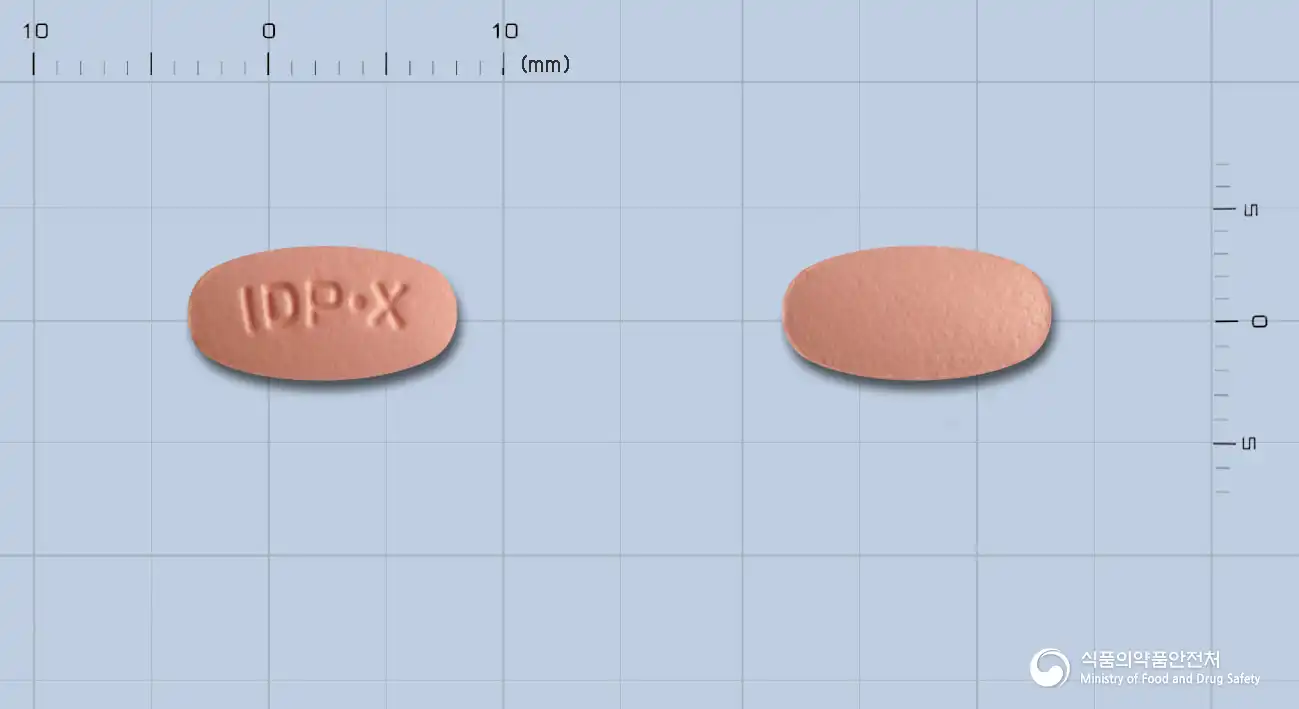
Capecitabine 150mg
Tablet · Prescription medication
Ildong Pharmaceutical Co., Ltd.
Capecitabine 500mg
Tablet · Prescription medication
Kwangdong Pharmaceutical Co., Ltd.
Capecitabine 150mg
Tablet · Prescription medication
Kwangdong Pharmaceutical Co., Ltd.
Capecitabine 500mg
Tablet · Prescription medication
Shinpoong Pharmaceutical Co., Ltd.
Even with the same ingredient, the dose and directions can differ by strength and dosage form. Talk to a doctor or pharmacist before switching from a medication you are already taking.
No questions yet.
For anything that needs medical judgment, consult a doctor or pharmacist.
This drug information is based on data provided by the Korea Ministry of Food and Drug Safety.
Consult a doctor or pharmacist for accurate dosage, administration, and usage instructions.