
 한국어
 English
 日本語
 中文(简体)
 Viewing now
Mirap Extended-Release Tablet 0.375 mg (Pramipexole dihydrochloride monohydrate)
Pramipexole Dihydrochloride Monohydrate 0.375mg
Tablet · Prescription medication
Hyundai Pharmaceutical Co., Ltd.
MFDS item code 201400390 · Approved 2014.01.28 · Insurance code 642003320
Treatment of idiopathic Parkinson's disease (early-stage and advanced)
This medication is primarily used for the treatment of idiopathic Parkinson's disease. It can be administered alone to patients in the early stages of Parkinson's disease to alleviate symptoms, and in patients with advanced disease, it is used in combination with levodopa to enhance treatment efficacy. This can help improve symptoms of Parkinson's disease such as declining motor function.
Take this medicine once daily at the same time with water. Swallow it whole without chewing, splitting, or crushing it. It may be taken with or without food. If a dose is missed, take this medicine within 12 hours after the scheduled dosing time. If more than 12 hours have passed, skip the missed dose and take the next dose according to the regular schedule. 1. Patients with normal renal function 1) Initiation of therapy Start with a total daily dose of 0.375mg/day and gradually increase it. Increase the dose approximately once every 5-7 days and do not increase it more frequently. If intolerable adverse reactions do not occur, the dose may be increased to the maximum therapeutic dose. The increases recommended based on clinical trials are as follows. Week Total daily dose (mg) Dose (mg) 1 0.375 0.375 2 0.75 0.75 3 1.50 1.50 If further increases are needed, the dose may be increased by 0.75mg at weekly intervals up to a maximum of 4.5mg daily. Patients already taking immediate-release pramipexole may switch to this medicine at the same total daily dose, with the switch made overnight. 2) Maintenance therapy The dose per administration ranges from 0.375mg to a maximum of 4.5mg daily. In pivotal clinical trials, efficacy was observed at daily doses starting from 1.5mg during dose titration in both early and advanced Parkinson's disease. Some patients may experience additional therapeutic benefit at doses higher than 1.5mg. This regimen is particularly applicable to patients with advanced Parkinson's disease for whom a reduction in levodopa dose is planned. In patients taking this medicine with levodopa, a reduction in levodopa should be considered during pramipexole dose increases and maintenance therapy, as necessary to avoid excessive dopaminergic stimulation. 2. Patients with renal impairment Pramipexole elimination depends on renal function. The following dosing schedule is proposed for initiation of therapy: Renal function Initial dose (mg) Maximum dose (mg) creatinine CL>50ml/min No adjustment to the daily dose or dosing frequency is required. creatinine CL=30~50ml/min 0.375mg once every 2 days 2.25mg once daily creatinine CL<30ml/min As the use of this medicine in these patients has not been adequately studied, use of immediate-release pramipexole should be considered. If renal function declines during maintenance therapy, follow the recommendations above. 3. Discontinuation Reduce the dose of this medicine by 0.75 mg/day until the daily dose has been reduced to 0.75 mg, and thereafter reduce it by 0.375 mg/day.
This medication is used to treat Parkinson's disease and functions by mimicking dopamine action to improve symptoms. During the use of this medicine, sudden drowsiness or excessive sleepiness may occur, so caution should be exercised when engaging in hazardous activities such as driving or operating machinery. Some patients taking this medication may believe they are awake until drowsiness strikes, making it important to continually consult a physician regarding any symptoms of sleepiness. There may be an increased risk of drowsiness when taken with sedatives or other medications that raise blood levels of this drug. This medication can cause psychiatric symptoms such as hallucinations or confusion, which may occur more frequently in elderly patients, so it is essential to consult a physician immediately if abnormal symptoms appear. Orthostatic hypotension, which is a sudden drop in blood pressure upon standing, may occur, leading to dizziness or fainting risks, so blood pressure should be closely monitored when starting treatment or increasing the dose. Patients with impaired kidney function or cardiovascular diseases need dose adjustments and blood pressure monitoring while taking this medication. This medication can have various side effects, with common reports including nausea, dizziness, drowsiness, constipation, and hallucinations. If symptoms are severe or persistent, inform a physician. There is insufficient evidence regarding the safety of this medication during pregnancy, so it should be used cautiously only when necessary, and during breastfeeding, consideration should be given to stopping the drug or breastfeeding as the drug can be passed into breast milk. Moreover, this medication may interact with other drugs; when taken with sedatives, certain gastrointestinal medications, or antipsychotics, it is important to inform the physician and exercise caution. In the elderly, renal function may decline causing slower drug elimination, so monitoring for side effects and dose adjustments are necessary. In case of overdose, symptoms such as nausea, vomiting, hallucinations, and hypotension may occur, so if suspected, immediate medical attention is required. This medication should be stored in a tightly closed container that protects it from light and moisture, and it is advisable to avoid transferring it to other containers.
Drowsiness, hallucination, confusion, nausea, dizziness, vertigo, insomnia, constipation, weakness, headache, disorientation, amnesia, sensory impairment, ataxia, inability to sit still, abnormal thinking, myoclonic jerks, abnormal vision, erectile dysfunction, general edema, fatigue, decreased appetite, dysphagia, peripheral edema, weight loss, abnormal dreams, accidental injury, movement disorders, extrapyramidal syndrome, hypertonia, thirst, forgetfulness, frequent urination, reduced motor function, chest pain, neck pain, altered sensation, palpitations, conjunctivitis, paralysis, abnormal near vision adjustment, tinnitus, diplopia, taste distortion, orthostatic hypotension, hyperkinesia, syncope, diplopia, blurred vision, decreased vision, heart failure, hypotension, hiccups, pruritus, rash, drug hypersensitivity, pneumonia, abnormal secretion of antidiuretic hormone, binge eating, impulsive buying, hypersexuality, abnormal behavior, abnormal dreams, confusion, delusions, hyperphagia, insomnia, sexual dysfunction, paranoia, restlessness, amnesia, head drop symptoms, movement disorders, headache, sudden onset of sleep, sleep disturbance, akinesia, anticholinergic syndrome, aphasia, balance disorder, cerebral edema, carotid artery occlusion, carpal tunnel syndrome, cerebral artery embolism, cerebral hemorrhage, cerebral infarction, cerebral ischemia, chorea, cognitive impairment, coma, seizures, coordination disorder, dementia, attention deficit disorder, orthostatic dizziness, stuttering, writing difficulties, facial paralysis, generalized tonic-clonic seizures, hemiplegia, sensory hyperesthesia, hyperreflexia, hyporeflexia, hypotonia, somnolence, loss of consciousness, migraine, involuntary muscle contractions, narcolepsy, neuralgia, neuropathy, nystagmus, olfactory disturbance, psychomotor agitation, sciatica, sedation, sensory impairment, sleep rhythm disorder, sleep talking, stupor, vasovagal syncope, tension headache, emotional instability, aggression, anxiety, mental retardation, bruxism, suicide, mental confusion, delusional disorder, paranoid delusions, disorientation, dissociation, emotional tension, intoxication, auditory hallucinations, visual hallucinations, early insomnia, increased libido, mania, middle insomnia, mood changes, nightmares, obsessive thoughts, obsessive-compulsive disorder, panic reaction, hypersomnia, personality disorder, mental disorder, restlessness, sleepwalking, suicidal ideation, color urine, urination difficulties, diabetes, hematuria, urgency, renal stone disease, neurogenic bladder, nocturnal enuresis, oliguria, polyuria, proteinuria, renal artery stenosis, nephralgia, renal cyst, renal failure, renal impairment, urinary retention, amenorrhea, mastalgia, dysmenorrhea, epididymitis, gynecomastia, menopausal symptoms, menorrhagia, uterine bleeding, ovarian mass, persistent erection, prostatitis, sexual dysfunction, intrauterine bleeding, leucorrhea, vaginal bleeding, viral infection, wound area infection, fall accidents, drug toxicity-related gastric mucosal disease, traffic accidents, sunburn, tendon rupture, cachexia, decreased appetite, dehydration, diabetes mellitus, fluid retention, gout, hypercholesterolemia, hyperglycemia, hyperlipidemia, hyperuricemia, hypocalcemia, hypoglycemia, hypokalemia, hyponatremia, vitamin deficiency, increased appetite, metabolic alkalosis, bone pain, myofascitis, flank pain, intervertebral disc disorder, intervertebral disc protrusion, joint effusion, joint stiffness, joint swelling, monoarthritis, muscle stiffness, muscle spasm, musculoskeletal stiffness, myopathy, myositis, neck stiffness, osteoarthritis, bone necrosis, osteoporosis, fibromyalgia, rheumatoid arthritis, shoulder pain, spondyloarthritis, tendinitis, tenosynovitis, aneurysm, angiopathy, atherosclerosis, circulatory disorders, deep vein thrombosis, embolism, thrombus, facial flushing, hypertensive crisis, lymphatic edema, pallor, venous inflammation, Raynaud's disease, shock, thrombophlebitis, thrombus, varicose veins
Not everyone experiences these, and they can vary from person to person.
This medication should be stored in a tightly closed container that can block light, in a dry place at room temperature between 1 and 30 degrees Celsius.
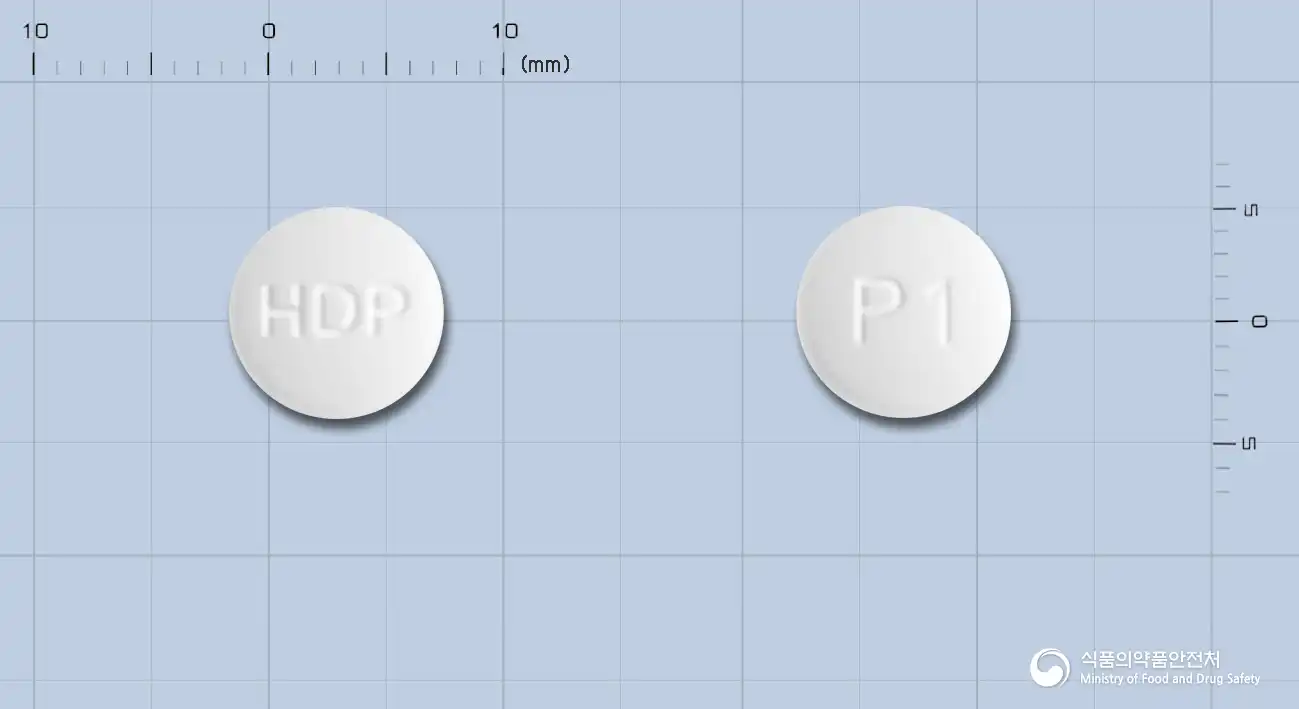
White or light gray, biconvex, round extended-release tablet
100 tablets/PTP (100 tablets (10/PTP packaging × 10)), 30 tablets/bottle, 100 tablets/bottle
Even with the same ingredient, strength, dosage form and how it is taken can differ.
Viewing nowPramipexole Dihydrochloride Monohydrate 0.375mg
Tablet · Prescription medication
Hyundai Pharmaceutical Co., Ltd.

Pramipexole Dihydrochloride Monohydrate 0.125mg
Tablet · Prescription medication
Boehringer Ingelheim Korea Co., Ltd.

Pramipexole Dihydrochloride Monohydrate 0.25mg
Tablet · Prescription medication
Boehringer Ingelheim Korea, Co., Ltd.

Pramipexole Dihydrochloride Monohydrate 0.5mg
Tablet · Prescription medication
Boehringer Ingelheim Korea Co., Ltd.

Pramipexole Dihydrochloride Monohydrate 1mg
Tablet · Prescription medication
Boehringer Ingelheim Korea Co., Ltd.
Pramipexole Dihydrochloride Monohydrate 1.5mg
Tablet · Prescription medication
Boehringer Ingelheim Korea Co., Ltd.
Pramipexole Dihydrochloride Monohydrate 0.75mg
Tablet · Prescription medication
Boehringer Ingelheim Co., Ltd.
Pramipexole Dihydrochloride Monohydrate 0.375mg
Tablet · Prescription medication
Boehringer Ingelheim Korea Co., Ltd.
Even with the same ingredient, the dose and directions can differ by strength and dosage form. Talk to a doctor or pharmacist before switching from a medication you are already taking.
No questions yet.
For anything that needs medical judgment, consult a doctor or pharmacist.
This drug information is based on data provided by the Korea Ministry of Food and Drug Safety.
Consult a doctor or pharmacist for accurate dosage, administration, and usage instructions.