
 한국어
 English
 日本語
 中文(简体)
 Viewing now
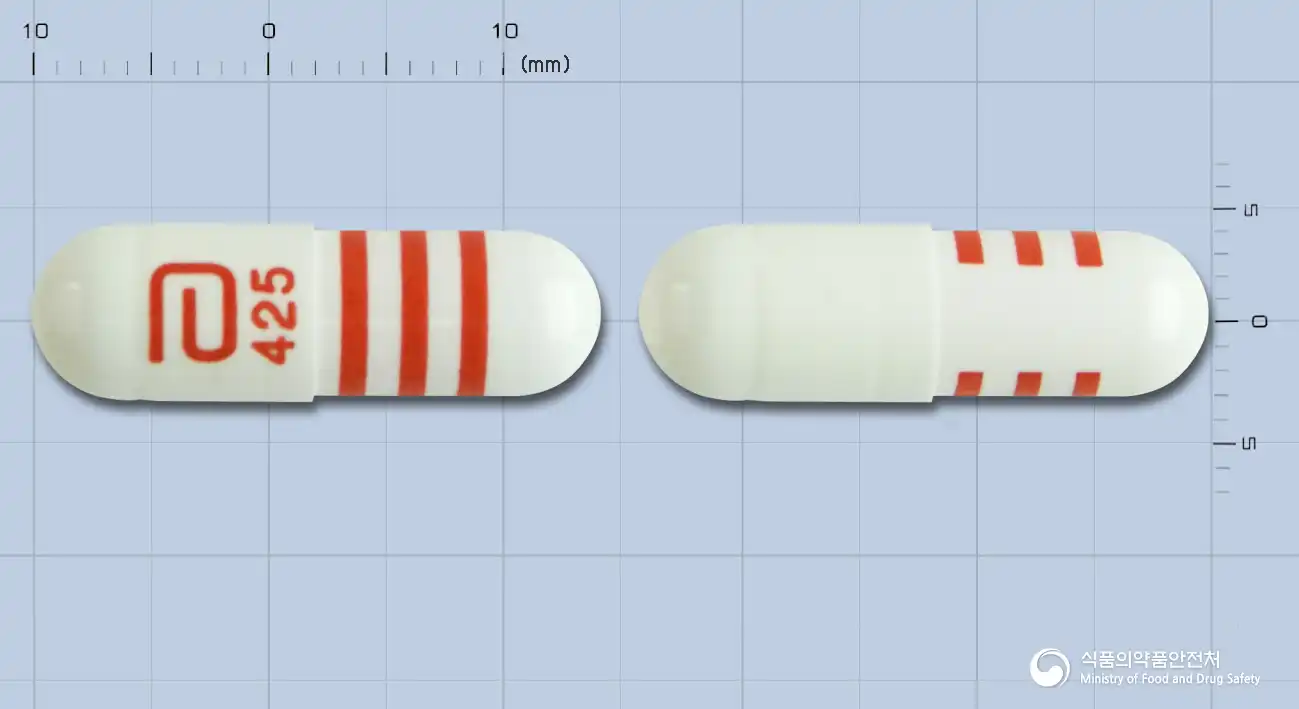
Rhythmone SR Controlled-Release Capsule 425 mg (Propafenone Hydrochloride)
Propafenone Hydrochloride 425mg
Tablet · Prescription medication
Abbott Korea Co., Ltd.
MFDS item code 201400277 · Approved 2014.01.21 · Insurance code 644206340
Prevention of recurrence of symptomatic atrial arrhythmias in patients with atrial fibrillation without structural heart disease
This medication is used to prolong the time to recurrence of symptomatic atrial arrhythmia in patients with a history of symptomatic atrial fibrillation who do not have structural heart disease.
The dose of this medicine should be adjusted according to each patient's response and tolerability. Individual titration of the maintenance dose must be strictly managed by a cardiologist under cardiac monitoring, including electrocardiogram (ECG) monitoring and repeated blood pressure measurements. This medicine may be taken with or without food. This medicine, or its contents, should be swallowed whole with water. Do not chew or crush the contents of this medicine. Adults: The initial dose is 225mg per dose twice daily, every 12 hours. After at least 5 days of treatment, the dose may be increased to 325mg per dose twice daily. If additional therapeutic effect is needed, after at least 5 more days of treatment, the dose may be increased to 425mg per dose every 12 hours. Dose reduction should be considered in patients who develop significant widening of the QRS complex or second- or third-degree atrioventricular block.
This medication is used for controlling heart rate and can help treat arrhythmias. However, it should be used with caution in patients who have had asymptomatic ventricular arrhythmias lasting 6 days or more within 2 years after a myocardial infarction, as it may increase the risk of death. This medication should not be administered to patients with severely reduced or uncontrolled left ventricular ejection fraction, cardiogenic shock, Brugada syndrome, severe bradycardia, or within 3 months post-myocardial infarction, as cardiac function is severely compromised. Furthermore, it should be avoided in patients with sinus node dysfunction or intra-atrial conduction abnormalities, severe hypotension or electrolyte imbalances, severe obstructive pulmonary disease, myasthenia gravis, and those taking specific medications. Patients with impaired kidney or liver function, mild cardiac conduction disturbances, elderly individuals, and patients with asthma should use this medication with extra caution and require regular ECG monitoring and observation of patient condition. This medication can cause a variety of side effects including conduction disturbances of the heart, dizziness, nausea, fatigue, etc. Therefore, if any abnormal symptoms occur, immediate consultation with healthcare professionals is necessary. Additionally, there is a high potential for interactions with other medications, particularly those metabolized in the liver or with certain antibiotics, antidepressants, anticoagulants, etc. Caution is advised when combining, and dosage adjustments and monitoring are needed. During pregnancy, the use of this medication may affect the fetus, so it should only be administered when the benefits outweigh the risks. During breastfeeding, administration should be avoided or breastfeeding should be discontinued if possible. Safety in children has not been established, so it is not recommended. In the elderly, liver and kidney function may be compromised, so starting at a lower dose is advised, with careful monitoring. In case of overdose, serious cardiac problems and central nervous system symptoms may arise, necessitating immediate emergency treatment and vital signs monitoring. Finally, this medication should be stored out of reach of children and not be transferred to other containers for safety.
Thrombocytopenia, agranulocytosis, leukopenia, neutropenia, hypersensitivity, decreased appetite, anxiety, sleep disturbances, nightmares, confusion, dizziness, headache, taste disorders, syncope, ataxia, sensory disturbances, convulsions, extrapyramidal symptoms, anxiety, vision disturbances, delirium, dizziness, cardiac conduction disorders, palpitations, sinus bradycardia, bradycardia, tachycardia, atrial flutter, ventricular tachycardia, arrhythmia, ventricular fibrillation, heart failure, decreased heart rate, hypotension, orthostatic hypotension, dyspnea, abdominal pain, vomiting, nausea, diarrhea, constipation, thirst, abdominal distension, bloating, nausea, abnormal liver function, hepatocyte damage, cholestasis, hepatitis, jaundice, urticaria, pruritus, rash, erythema, acute generalized exanthematous pustulosis, lupus-like syndrome, erectile dysfunction, decreased sperm count, chest pain, lethargy, fatigue, fever
Not everyone experiences these, and they can vary from person to person.
This medication may be sensitive to air or moisture; therefore, it must be stored in a tightly sealed container. The storage temperature should be maintained at room temperature between 1 and 30 degrees Celsius. Proper storage helps to maintain the effectiveness and safety of the medication for a longer period.
A white to nearly white, opaque hard capsule containing white to nearly white, biconvex, round controlled-release microtablets.
50 capsules (10 capsules/PTP X 5)
Even with the same ingredient, strength, dosage form and how it is taken can differ.
Viewing nowPropafenone Hydrochloride 425mg
Tablet · Prescription medication
Abbott Korea Co., Ltd.
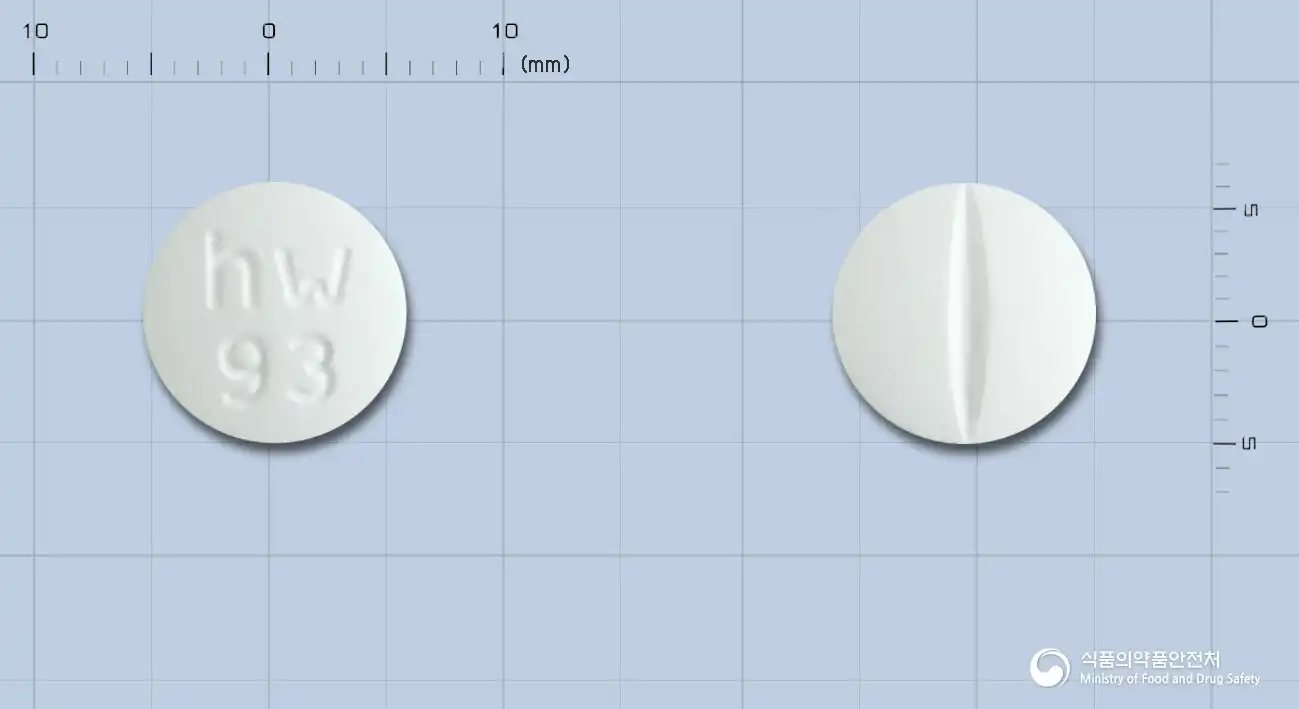
Propafenone Hydrochloride 300mg
Tablet · Prescription medication
(Co., Ltd.) Hawon Pharmaceutical
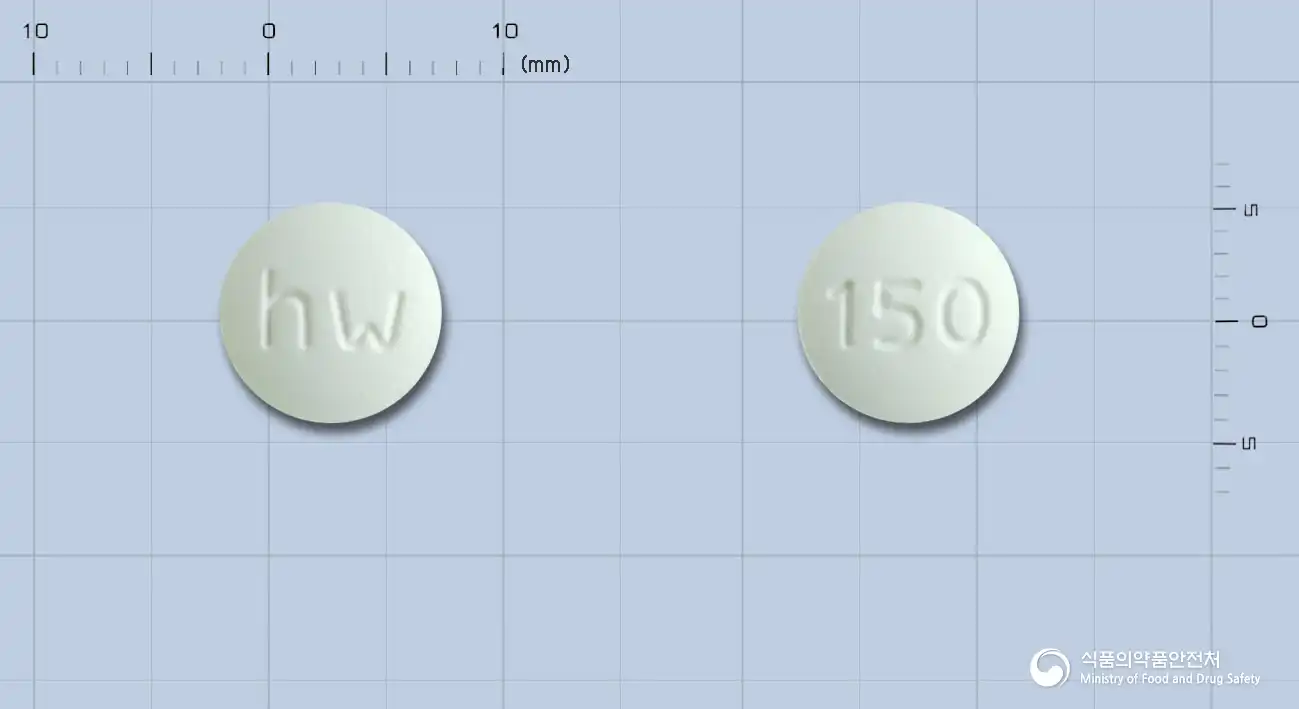
Propafenone Hydrochloride 150mg
Tablet · Prescription medication
Hawon Pharmaceutical Co., Ltd.
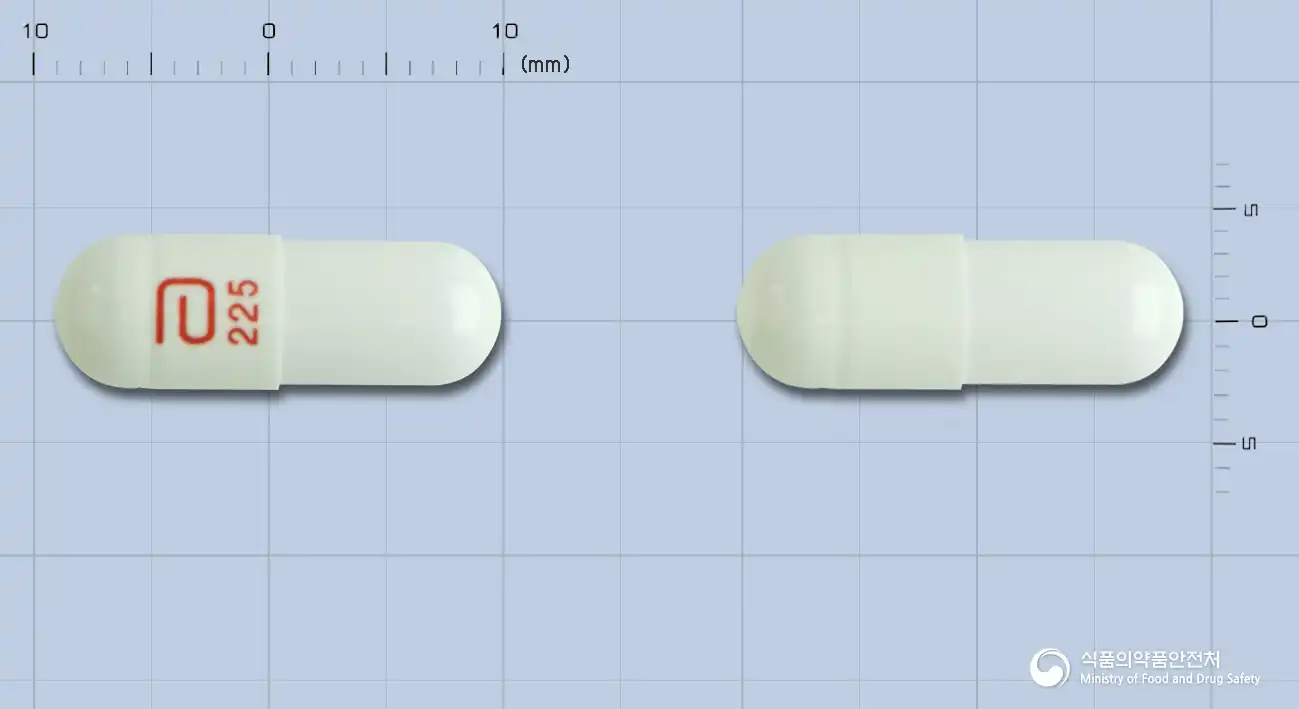
Propafenone Hydrochloride 225mg
Tablet · Prescription medication
Korea Abbott Ltd.
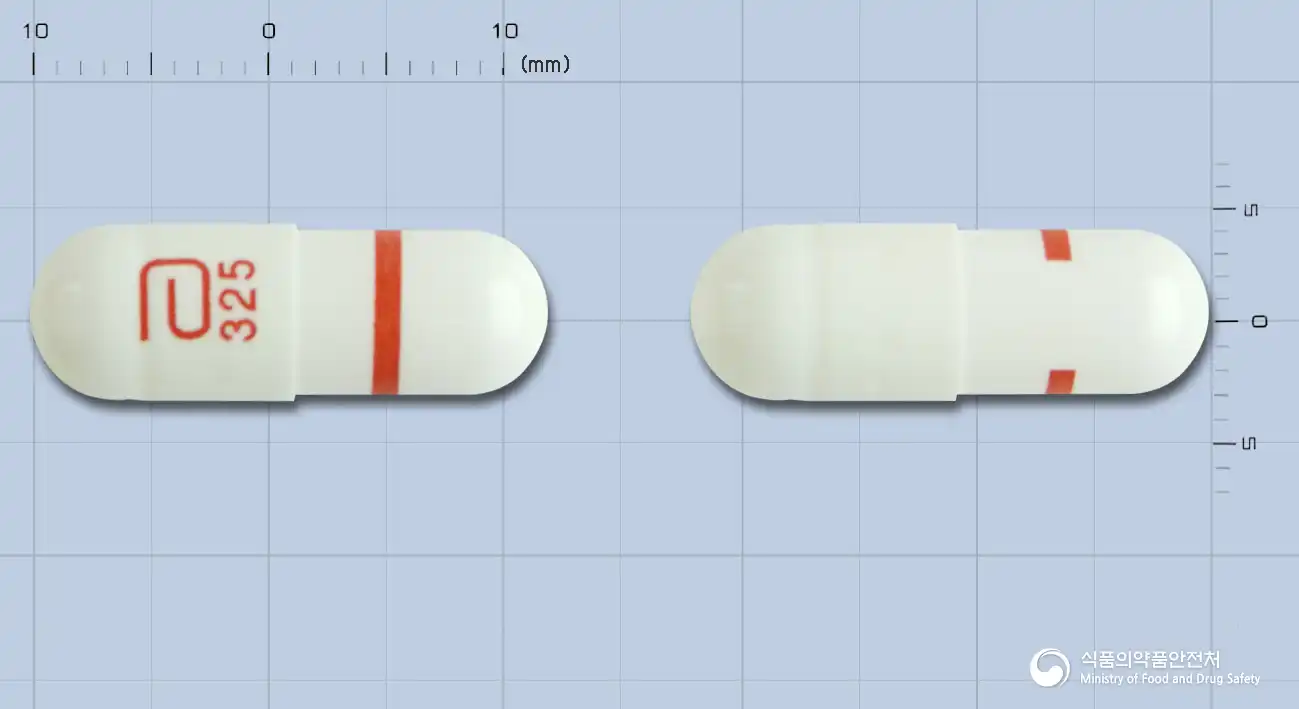
Propafenone Hydrochloride 325mg
Tablet · Prescription medication
Abbott Korea, Co., Ltd.
Propafenone Hydrochloride 150mg
Tablet · Prescription medication
Hanall Biopharma Co., Ltd.
Propafenone Hydrochloride 300mg
Tablet · Prescription medication
Hanol Bio Pharma Co., Ltd.
Propafenone Hydrochloride
Prescription medication
Abbott Korea Co., Ltd.
Even with the same ingredient, the dose and directions can differ by strength and dosage form. Talk to a doctor or pharmacist before switching from a medication you are already taking.
No questions yet.
For anything that needs medical judgment, consult a doctor or pharmacist.
This drug information is based on data provided by the Korea Ministry of Food and Drug Safety.
Consult a doctor or pharmacist for accurate dosage, administration, and usage instructions.