Medication info
Mirap Extended-Release Tablet 0.75 mg (Pramipexole Hydrochloride Dihydrate)

Mirap Extended-Release Tablet 0.75 mg (Pramipexole Hydrochloride Dihydrate)

Prescription medicationTabletOral
Ingredient · strength
Pramipexole Dihydrochloride Monohydrate›0.75mg / 1 tablet
Manufacturer / importer
Hyundai Pharmaceutical Co., Ltd.
Appearance
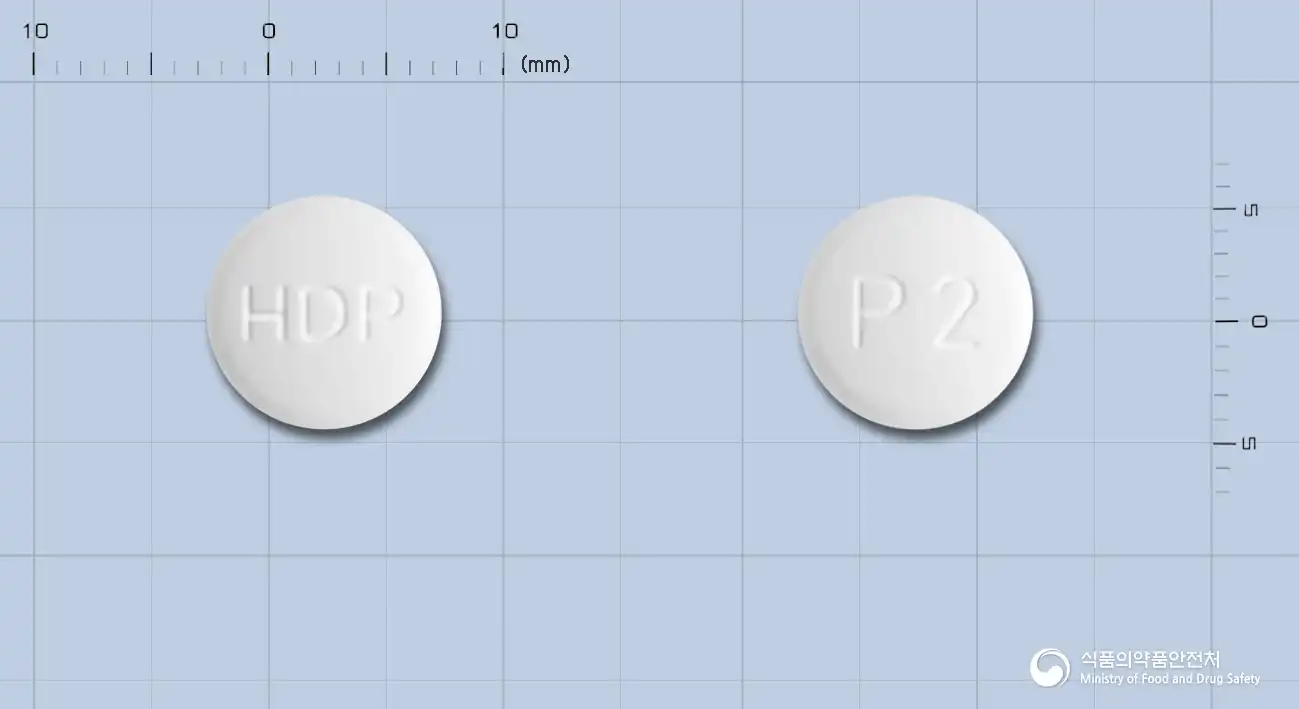
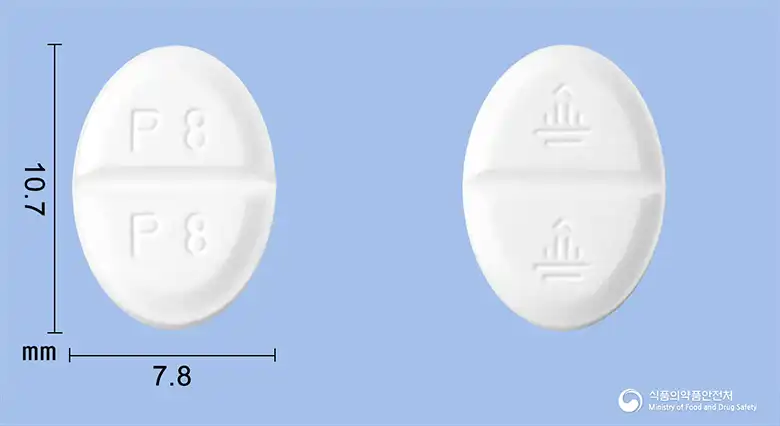
White or light gray biconvex round extended-release tablet
Packaging
100 tablets (10 tablets/PTP packaging x 10), 30 tablets/bottle, 100 tablets/bottle
Approval status
Active

MFDS item code 201310242 · Approved 2013.11.21 · Insurance code 642003310

Summary

Main use
Treatment of idiopathic Parkinson's disease
Who takes it
Adults
Adult dose
Idiopathic Parkinsonism Take this medicine once daily at the same time with water. Swallow it whole; do not chew, divide, or crush it. It may be taken with or without food. If you miss a dose, take it within 12 hours of the scheduled dose. If more than 12 hours have passed, skip the missed dose and take the next dose according to the regular schedule. 1. Patients with normal renal function 1) Initiation The starting dose is a total of 0.375mg/day, increased gradually. Increase the dose approximately once every 5-7 days, and do not increase it more frequently. If intolerable adverse reactions do not occur, the dose may be increased up to the maximum therapeutic dose. The increases recommended based on clinical trials are as follows. Week / Total daily dose (mg) / Dose (mg) 1 / 0.375 / 0.375 2 / 0.75 / 0.75 3 / 1.50 / 1.50 If further increases are needed, the dose may be increased by 0.75mg at weekly intervals, up to a maximum of 4.5mg per day. Patients already taking immediate-release pramipexole may be switched to this medicine at the same daily dose, with the first dose taken the following night. 2) Maintenance therapy The dose is 0.375mg to a maximum of 4.5mg per day. In pivotal clinical trials, efficacy was observed starting at a daily dose of 1.5mg during dose titration in both early and advanced Parkinson's disease. Some patients may experience additional therapeutic benefit at doses higher than 1.5mg. This regimen is particularly applicable to patients with advanced Parkinson's disease in whom a reduction in levodopa dose is planned. In patients taking this medicine with levodopa, a reduction in levodopa should be considered during dose escalation and maintenance treatment with pramipexole, as needed to avoid excessive dopaminergic stimulation. 2. Patients with renal impairment Elimination of pramipexole depends on renal function. For initiation, the following dosing schedule is proposed: Renal function / Starting dose (mg) / Maximum dose (mg) creatinine CL>50ml/min No adjustment of daily dose or dosing frequency is required. creatinine CL=30~50ml/min 0.375mg every 2 days / 2.25mg once daily creatinine CL<30ml/min Use of this medicine in these patients has not been adequately studied; consider using immediate-release pramipexole. If renal function declines during maintenance therapy, follow the above recommendations. 3. Discontinuation Reduce the daily dose by 0.75 mg/day until the daily dose is reduced to 0.75 mg, and thereafter reduce it by 0.375 mg/day each day.

Ingredients

Manufacturer
Hyundai Pharmaceutical Co., Ltd.

Efficacy & effects

Treatment of idiopathic Parkinson's disease

  • Idiopathic Parkinson's disease
  • early-stage Parkinson's disease
  • advanced Parkinson's disease
View approved original text

This medication is used for the treatment of idiopathic Parkinson's disease, i.e., patients with Parkinson's disease. In early-stage Parkinson's disease patients, it is used alone, while in advanced patients, it is used in combination with levodopa to enhance the therapeutic effect. This helps improve the symptoms of Parkinson's disease.

How to take

Adult dose

Idiopathic Parkinsonism Take this medicine once daily at the same time with water. Swallow it whole; do not chew, divide, or crush it. It may be taken with or without food. If you miss a dose, take it within 12 hours of the scheduled dose. If more than 12 hours have passed, skip the missed dose and take the next dose according to the regular schedule. 1. Patients with normal renal function 1) Initiation The starting dose is a total of 0.375mg/day, increased gradually. Increase the dose approximately once every 5-7 days, and do not increase it more frequently. If intolerable adverse reactions do not occur, the dose may be increased up to the maximum therapeutic dose. The increases recommended based on clinical trials are as follows. Week / Total daily dose (mg) / Dose (mg) 1 / 0.375 / 0.375 2 / 0.75 / 0.75 3 / 1.50 / 1.50 If further increases are needed, the dose may be increased by 0.75mg at weekly intervals, up to a maximum of 4.5mg per day. Patients already taking immediate-release pramipexole may be switched to this medicine at the same daily dose, with the first dose taken the following night. 2) Maintenance therapy The dose is 0.375mg to a maximum of 4.5mg per day. In pivotal clinical trials, efficacy was observed starting at a daily dose of 1.5mg during dose titration in both early and advanced Parkinson's disease. Some patients may experience additional therapeutic benefit at doses higher than 1.5mg. This regimen is particularly applicable to patients with advanced Parkinson's disease in whom a reduction in levodopa dose is planned. In patients taking this medicine with levodopa, a reduction in levodopa should be considered during dose escalation and maintenance treatment with pramipexole, as needed to avoid excessive dopaminergic stimulation. 2. Patients with renal impairment Elimination of pramipexole depends on renal function. For initiation, the following dosing schedule is proposed: Renal function / Starting dose (mg) / Maximum dose (mg) creatinine CL>50ml/min No adjustment of daily dose or dosing frequency is required. creatinine CL=30~50ml/min 0.375mg every 2 days / 2.25mg once daily creatinine CL<30ml/min Use of this medicine in these patients has not been adequately studied; consider using immediate-release pramipexole. If renal function declines during maintenance therapy, follow the above recommendations. 3. Discontinuation Reduce the daily dose by 0.75 mg/day until the daily dose is reduced to 0.75 mg, and thereafter reduce it by 0.375 mg/day each day.

Precautions

This medication is used to treat Parkinson's disease and works by stimulating dopamine receptors to alleviate symptoms. During treatment with this medication, sudden sleepiness or severe drowsiness may occur; therefore, caution should be exercised when engaging in hazardous activities like driving or operating machinery. If you have sedative or sleep disorders or are taking other medications that can increase blood concentration, drowsiness may worsen, so consult your doctor. Psychotic symptoms such as hallucinations or confusion may occur, especially in the elderly or when combined with other Parkinson's disease medications, increasing the risk. Orthostatic hypotension symptoms, such as sudden drops in blood pressure, may appear; therefore, patients with cardiovascular diseases should frequently check their blood pressure during dosage increments. Patients with impaired kidney function should have their medication dosage adjusted, and it is not to be administered to those with hypersensitivity. This medication can cause various side effects, with nausea, dizziness, constipation, drowsiness, and hallucinations being commonly reported; if these symptoms are severe, consult with medical personnel. Additionally, this medication may cause behavioral changes such as compulsive buying, pathological gambling, and increased libido in some patients, so those around them should observe closely. Pregnant women or nursing mothers should carefully consider the effects on the fetus or baby when using this medication. In elderly patients, medication concentration may increase due to reduced kidney function, requiring dosage adjustments and monitoring for side effects. This medication can interact with other medications, so if you are taking other medications, be sure to inform your doctor or pharmacist. In case of overdose, symptoms such as nausea, vomiting, hallucinations, and hypotension may occur, and you should visit a medical facility immediately; there is no specific antidote. Finally, this medication should be stored in a container that protects it from light and moisture, out of reach of children.

Side effects

  • Drowsiness
  • hallucinations
  • confusion
  • nausea
  • dizziness
  • vertigo
  • insomnia
  • constipation
  • weakness
  • amnesia
Show 306 more
  • perception decline
  • ataxia
  • inability to sit still
  • abnormal thinking
  • myoclonic jerks
  • abnormal vision
  • erectile dysfunction
  • generalized edema
  • fatigue
  • peripheral edema
  • weight loss
  • decreased appetite
  • dysphagia
  • confusion
  • headache
  • extrapyramidal syndrome
  • headache
  • confusion
  • orthostatic hypotension
  • abnormal motor activity
  • accidental injury
  • abnormal dreams
  • increased tension
  • thirst
  • forgetfulness
  • urinary frequency
  • hypokinesia
  • chest pain
  • sensory disturbance
  • palpitations
  • conjunctivitis
  • paralysis
  • abnormal accommodation
  • tinnitus
  • diplopia
  • distortion of taste
  • depression
  • delirium
  • mental clouding
  • bowel obstruction
  • hyperkinesia
  • sudden onset of sleep
  • syncope
  • diplopia
  • blurred vision
  • vision reduction
  • heart failure
  • hypotension
  • hiccups
  • vomiting
  • pruritus
  • rash
  • drug hypersensitivity
  • fall incidents
  • traffic accidents
  • cachexia
  • dehydration
  • hyperglycemia
  • hyperlipidemia
  • hyperuricemia
  • hypocalcemia
  • hypoglycemia
  • hypokalemia
  • hyponatremia
  • increased appetite
  • bone pain
  • fasciitis
  • flank pain
  • intervertebral disc disorder
  • intervertebral disc herniation
  • joint effusion
  • joint stiffness
  • joint swelling
  • monoarthritis
  • muscle rigidity
  • muscle cramps
  • musculoskeletal rigidity
  • myopathy
  • myositis
  • neck stiffness
  • osteoarthritis
  • osteonecrosis
  • osteoporosis
  • widespread myalgia
  • rheumatoid arthritis
  • shoulder pain
  • spondyloarthritis
  • tendinitis
  • tendinosis
  • abdominal tumors
  • adenoma
  • benign adenoma
  • basal cell carcinoma
  • bladder cancer
  • breast cancer
  • breast tumors
  • chronic lymphocytic leukemia
  • colorectal cancer
  • rectal cancer
  • endometrial cancer
  • gallbladder cancer
  • gastric cancer
  • gastrointestinal tumors
  • hemangioma
  • hepatic tumors
  • malignant hepatic tumors
  • lip and/or oral cancer
  • malignant lung tumors
  • metastatic lung cancer
  • lymphoma
  • malignant melanoma
  • melanocytic nevus
  • pulmonary metastasis
  • multiple myeloma
  • benign oral tumors
  • tumor
  • malignant tumors
  • prostate tumors
  • skin tumors
  • neuroma
  • ovarian cancer
  • prostate cancer
  • prostate adenoma
  • pseudolymphoma
  • renal tumors
  • skin cancer
  • dermatosis
  • squamous cell carcinoma
  • thyroid tumors
  • uterine leiomyoma
  • ageusia
  • akinesia
  • anticholinergic syndrome
  • aphasia
  • balance disorder
  • cerebral edema
  • carotid artery occlusion
  • carpal tunnel syndrome
  • cerebral artery embolism
  • cerebral hemorrhage
  • cerebral infarction
  • cerebral ischemia
  • Huntington's disease
  • cognitive impairment
  • coma
  • seizures
  • coordination disorder
  • dementia
  • decreased perception level
  • attention deficit
  • positional dizziness
  • stuttering
  • writing disability
  • facial paralysis
  • generalized tonic-clonic seizure
  • hemiplegia
  • sensory hypersensitivity
  • hyperkinesia
  • hyperreflexia
  • hyporeflexia
  • hypotonia
  • drowsiness
  • loss of consciousness
  • migraine
  • involuntary muscle contractions
  • narcolepsy
  • neuralgia
  • neuropathy
  • nystagmus
  • dysosmia
  • psychomotor agitation
  • sciatica
  • sedation
  • sensory disorder
  • sleep rhythm disturbance
  • sleep talking
  • confusion
  • vasovagal syncope
  • tension headache
  • emotional instability
  • aggression
  • anxiety
  • mental slowness
  • bruxism
  • suicide
  • mental confusion
  • delusional disorder
  • paranoia
  • disorientation
  • dissociation
  • emotional tension
  • euphoria
  • auditory hallucinations
  • visual hallucinations
  • initial insomnia
  • increased libido
  • manic episode
  • middle insomnia
  • mood changes
  • nightmares
  • obsessive thoughts
  • obsessive-compulsive disorder
  • panic reaction
  • hypersomnia
  • personality disorder
  • mental disorder
  • restlessness
  • somnambulism
  • suicidal impulses
  • chromaturia
  • dysuria
  • diabetes
  • hematuria
  • urgency
  • nephrolithiasis
  • neurogenic bladder
  • enuresis
  • oliguria
  • polyuria
  • proteinuria
  • renal artery stenosis
  • renal colic
  • renal cysts
  • renal failure
  • renal impairment
  • urinary retention
  • amenorrhea
  • mastalgia
  • dysmenorrhea
  • epididymitis
  • gynecomastia
  • signs of menopause
  • menorrhagia
  • uterine bleeding
  • ovarian masses
  • persistent erection
  • prostatitis
  • sexual dysfunction
  • uterine hemorrhage
  • leucorrhea
  • vaginal bleeding
  • transient apnea
  • inspiratory
  • asthma
  • asphyxia
  • chronic obstructive pulmonary disease
  • throat dryness
  • speech disorder
  • exercise-induced dyspnea
  • epistaxis
  • hemoptysis
  • hiccups
  • tachypnea
  • wheezing
  • acne
  • hair loss
  • sweating
  • skin cysts
  • dermatitis
  • vesicular dermatitis
  • contact dermatitis
  • skin dryness
  • petechiae
  • eczema
  • erythema
  • corneal thickenings
  • livedo reticularis
  • flushing
  • periorbital edema
  • petechial hemorrhage
  • photosensitive allergic symptoms
  • psoriasis
  • purpura
  • erythematous eczema
  • maculopapular erythema
  • papular erythema
  • rhinophyma
  • seborrhea
  • seborrheic dermatitis
  • skin burning sensation
  • skin depigmentation
  • skin peeling
  • skin hyperpigmentation
  • skin hypertrophy
  • skin irritation
  • skin laceration
  • body odor abnormalities
  • skin ulcers
  • urticaria
  • aneurysm
  • vascular diseases
  • atherosclerosis
  • circulatory disorders
  • deep vein thrombosis
  • embolism
  • thrombosis
  • facial flushing
  • hypertensive emergencies
  • lymphatic edema
  • pallor
  • phlebitis
  • Raynaud's disease
  • shock
  • thrombotic venous thrombosis
  • thrombosis
  • varicose veins

Not everyone experiences these, and they can vary from person to person.

Storage

This medication is sensitive to light, so it should be stored in a container that blocks light. Additionally, it should be stored at room temperature between 1 to 30 degrees Celsius, in a dry place free from moisture.

Appearance and packaging

Appearance

White or light gray biconvex round extended-release tablet

Package unit

100 tablets (10 tablets/PTP packaging x 10), 30 tablets/bottle, 100 tablets/bottle

Same-ingredient medicines

Even with the same ingredient, strength, dosage form and how it is taken can differ.

Even with the same ingredient, the dose and directions can differ by strength and dosage form. Talk to a doctor or pharmacist before switching from a medication you are already taking.

Questions about this medicine

No questions yet.

For anything that needs medical judgment, consult a doctor or pharmacist.

Related searches

Search tags

Suggested searches

This drug information is based on data provided by the Korea Ministry of Food and Drug Safety.
Consult a doctor or pharmacist for accurate dosage, administration, and usage instructions.